Esperanto 듣기 연습 · B2 · 어려운 주제도 끄떡없음
What does the suffix “-ej-” mean in Esperanto?
Mia unua IJK: Tago 1 en Eŭropo




Esperanto USA · YouTube 원본 보기
Add -ej- to a root and you get the place built for it: kongres- becomes kongresejo, the congress venue.
The suffix -ej- (noun: -ejo) marks a place designed for the activity or thing in the root. Labori (work) gives laborejo (workplace), preĝi (pray) gives preĝejo (place of worship), lerni-style roots give lernejo (school). So one short suffix lets you coin the venue for almost anything, without learning a separate word.
In the clip the speaker says: “Mi alvenis al la kongresejo hieraŭ nokte”, arriving at the congress venue the night before. Kongreso plus -ejo is just the place where the congress happens. Do not mix it up with -ujo: that one is a container or a country, as in Esperantujo. Related examples: kafejo, tombejo, advokatejo (law office).
비슷한 클립
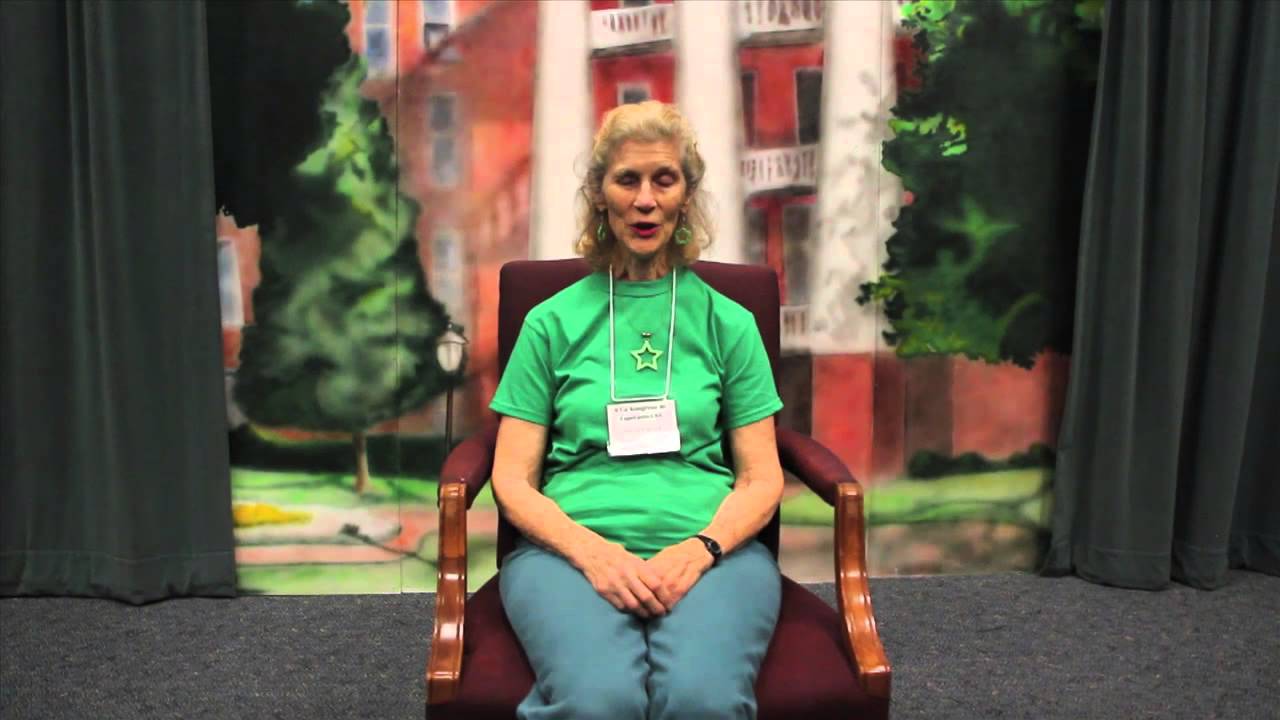
Julie Spickler pri sia sperto en Esperantujo
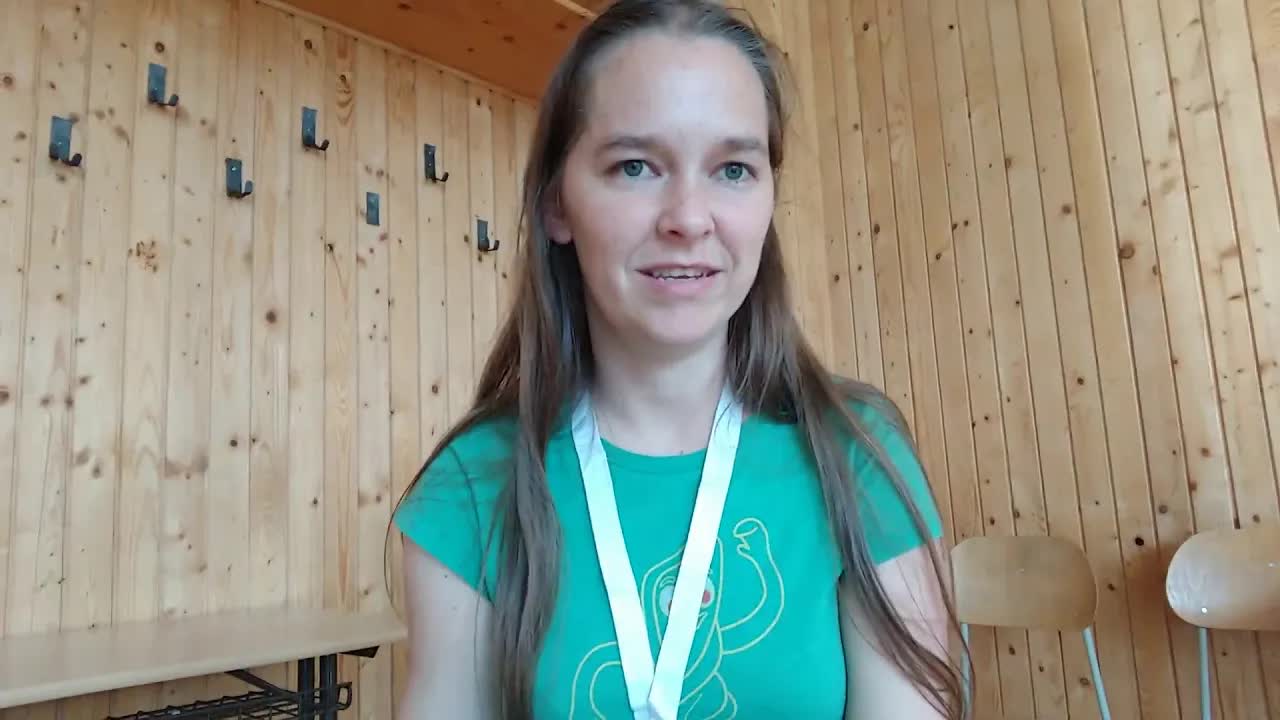
IJK Kongresa Fina Tago kaj Intervjuoj

Tomaso pri la paŭzo de Evildea kaj Patreon-ĉefaj novaĵoj

Kara Diana: Rakonto pri memoroj kaj rakontado

La plej malfacile komprenebla libro en Esperanto

Konkreta ĝangalo: Floro en la asfalto
진짜 영상으로 배워요
이런 클립이 수천 개 있고, 보면서 내 레벨에 맞는 클립을 골라 줘요.