Free Cantonese app
Cantonese learning that does not feel like school
Real Cantonese videos at your level.
From slow lessons to fast Hong Kong comedy, Reelang collects real Cantonese videos and sorts them by level and speaking speed. Learn Cantonese by listening, with transcripts that write what people really say (嘅, 係, 咗), not the standard written Chinese that most subtitles use.
Hong Kong Cantonese is fast. Sentences end with small particles that show the feeling, and people use English words in the middle of a sentence. The feed starts with slower, clearer speakers. Then it changes with what you watch, skip and look up, so you can slowly get used to that speed.
2,769
Cantonese videos
Hearing the speech with no subtitles first, then saying whether I understood it, feels very natural. I'm actually listening rather than immediately reading, but can always fall back on the subtitles where I need it.

Level
Speed
Subject
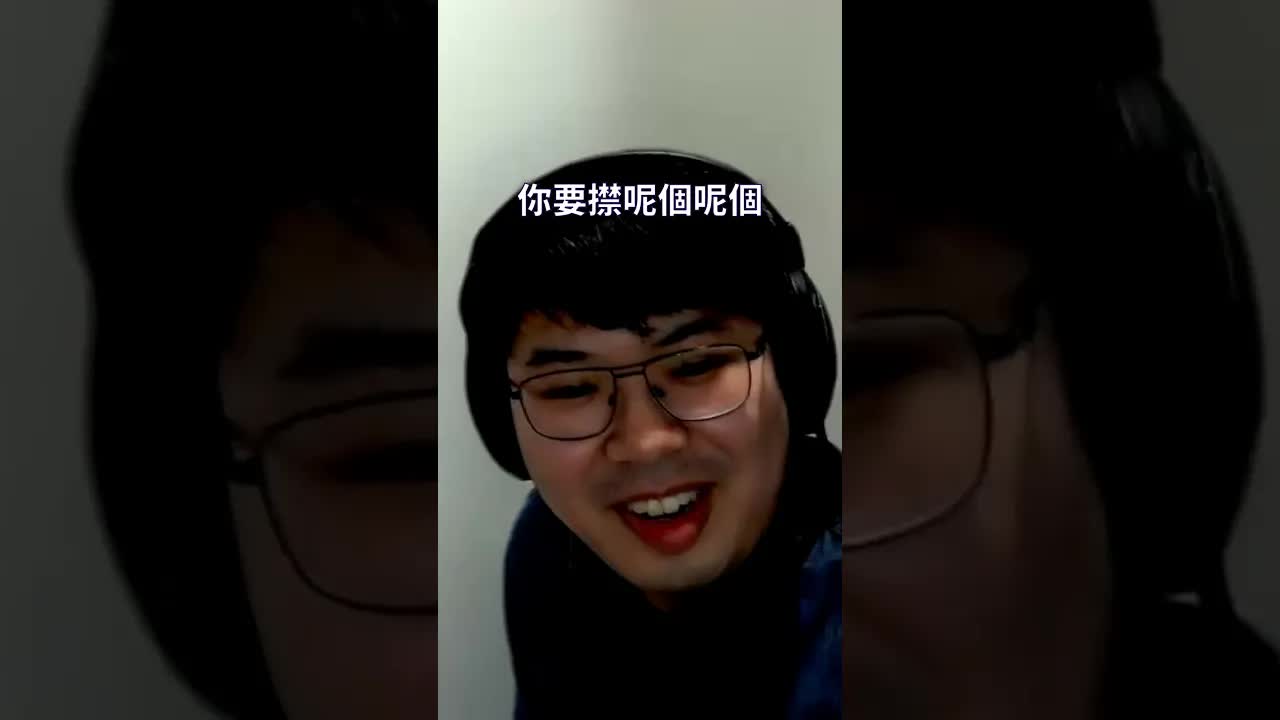
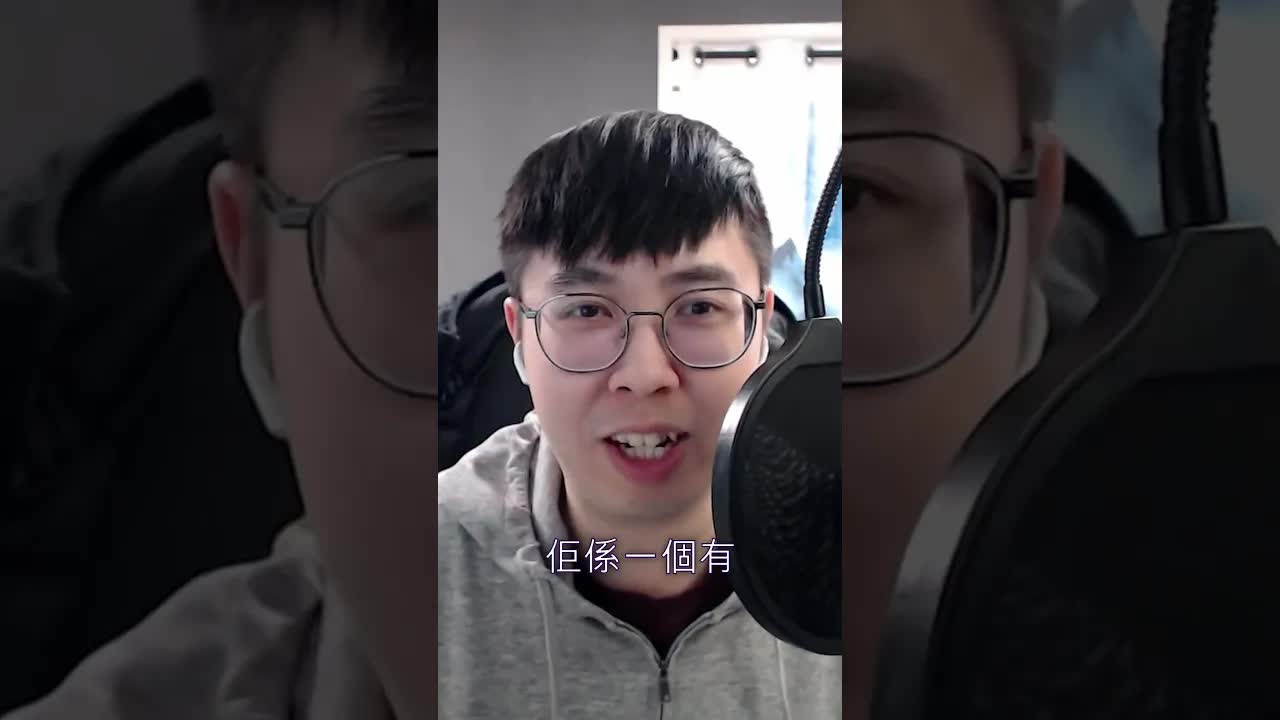
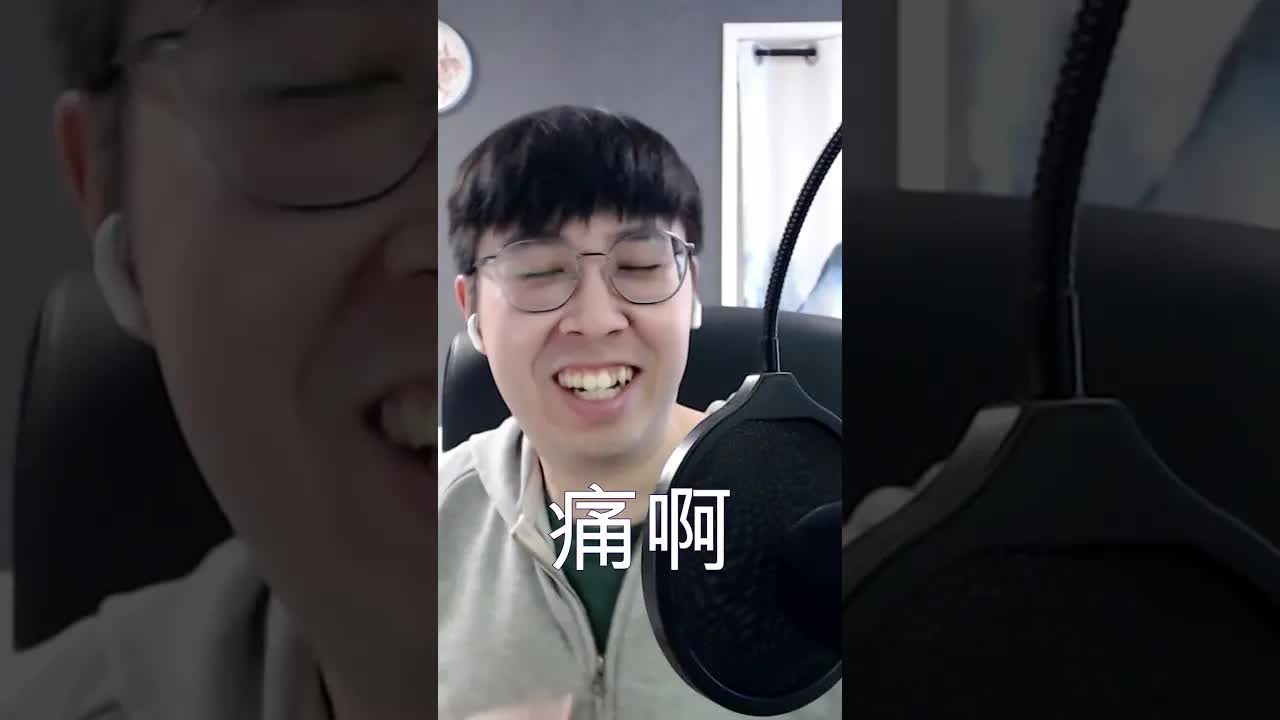
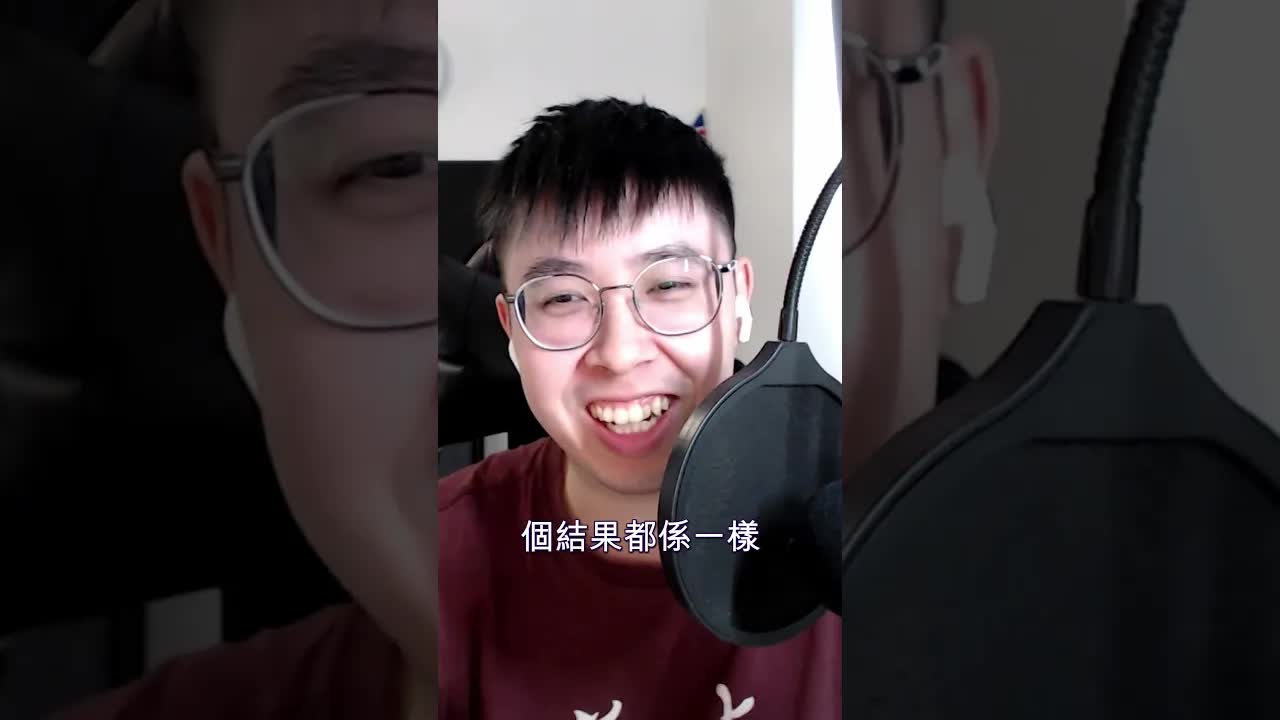
Picked Cantonese videos
Showing 24 of 2,307 videos





























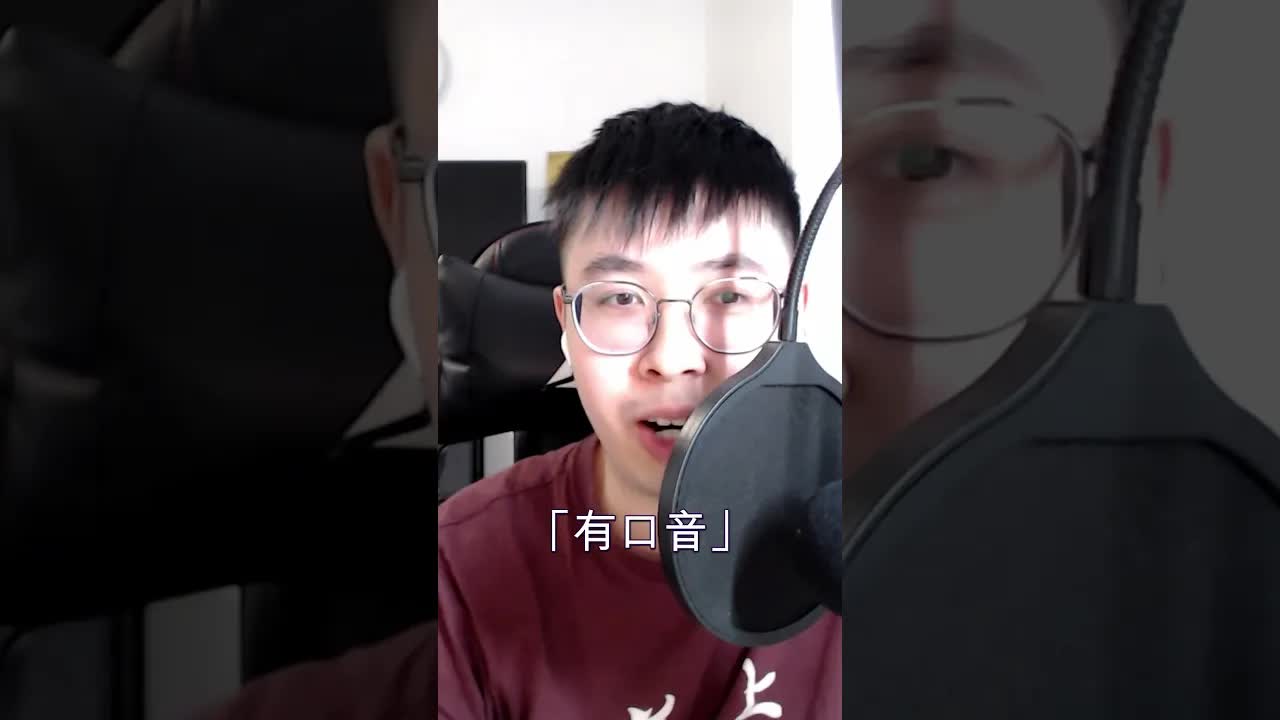
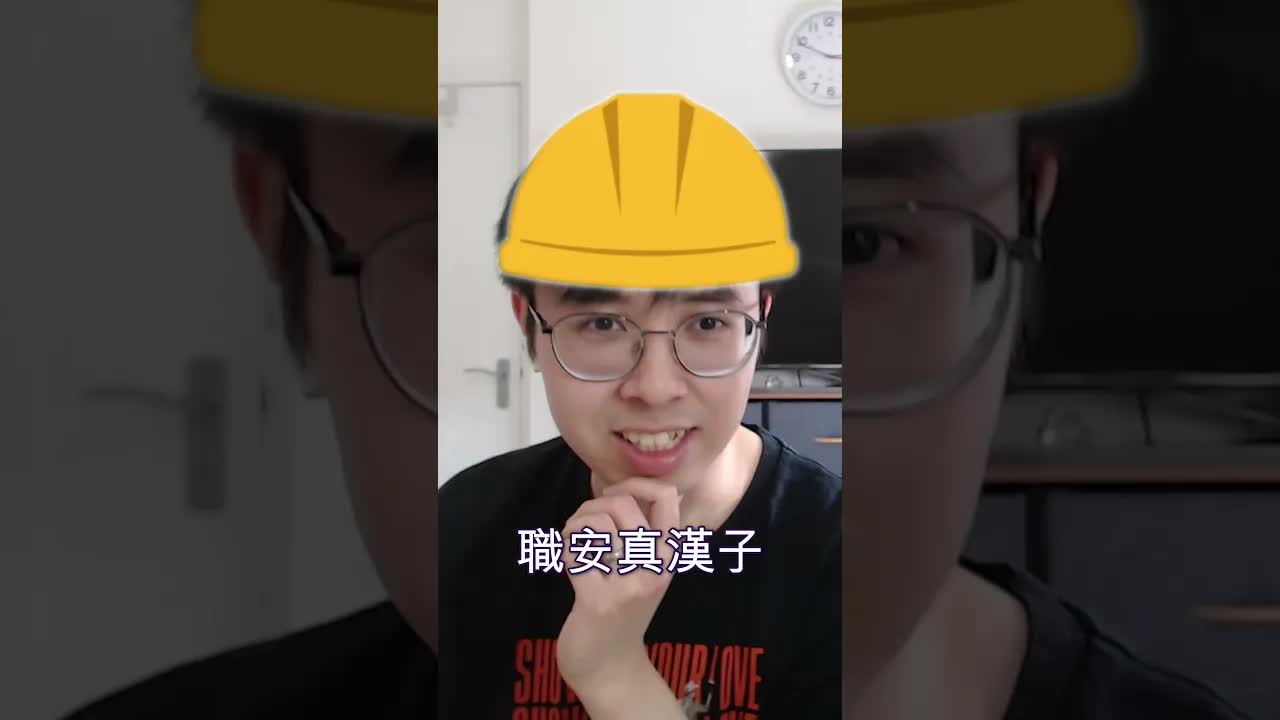
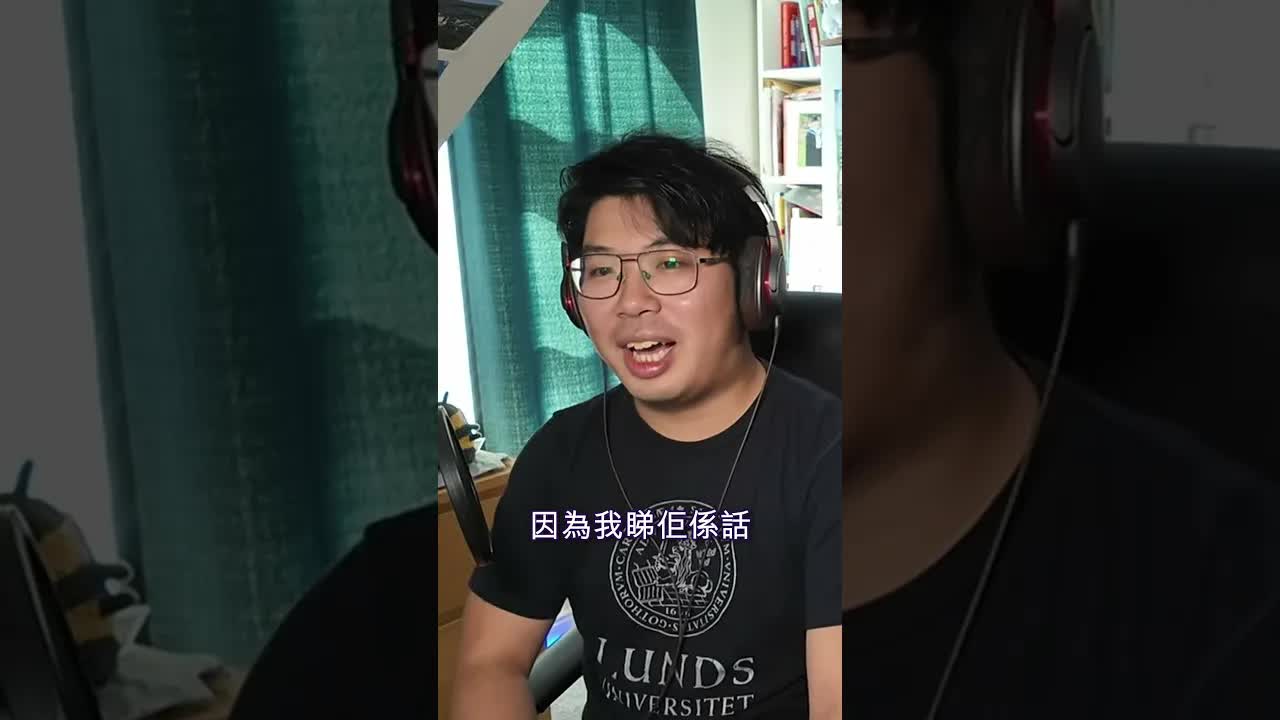
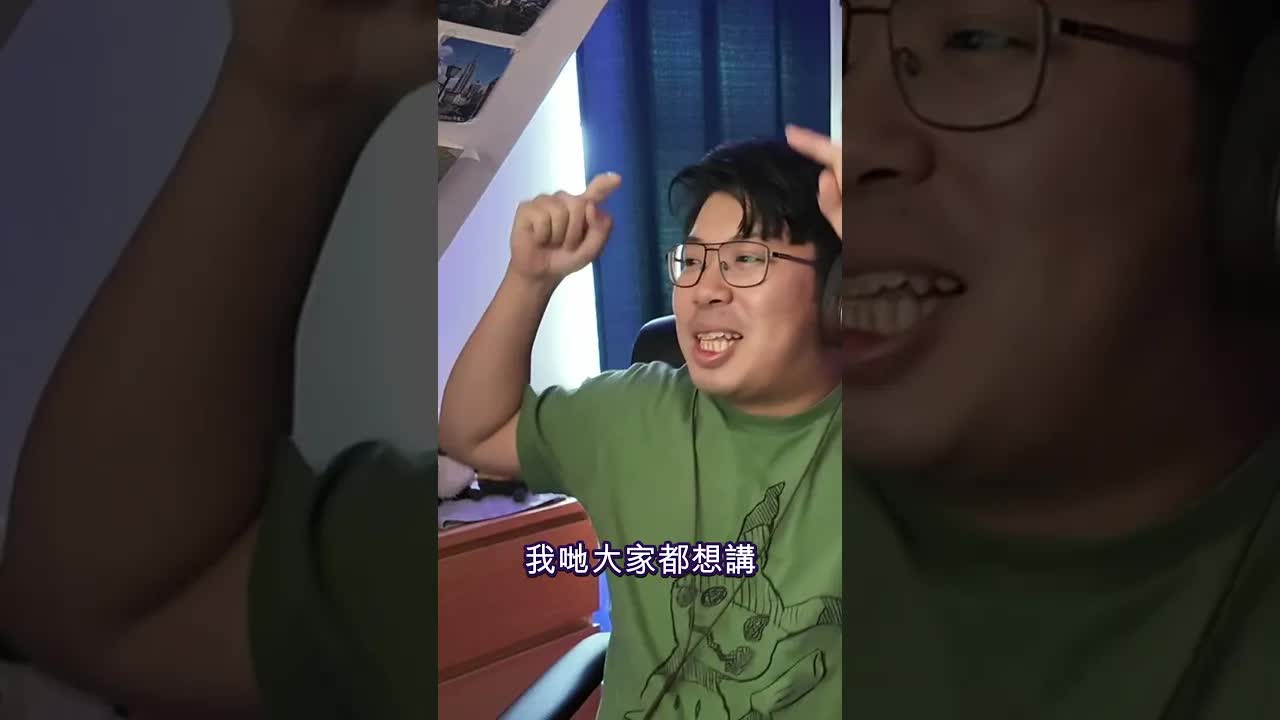
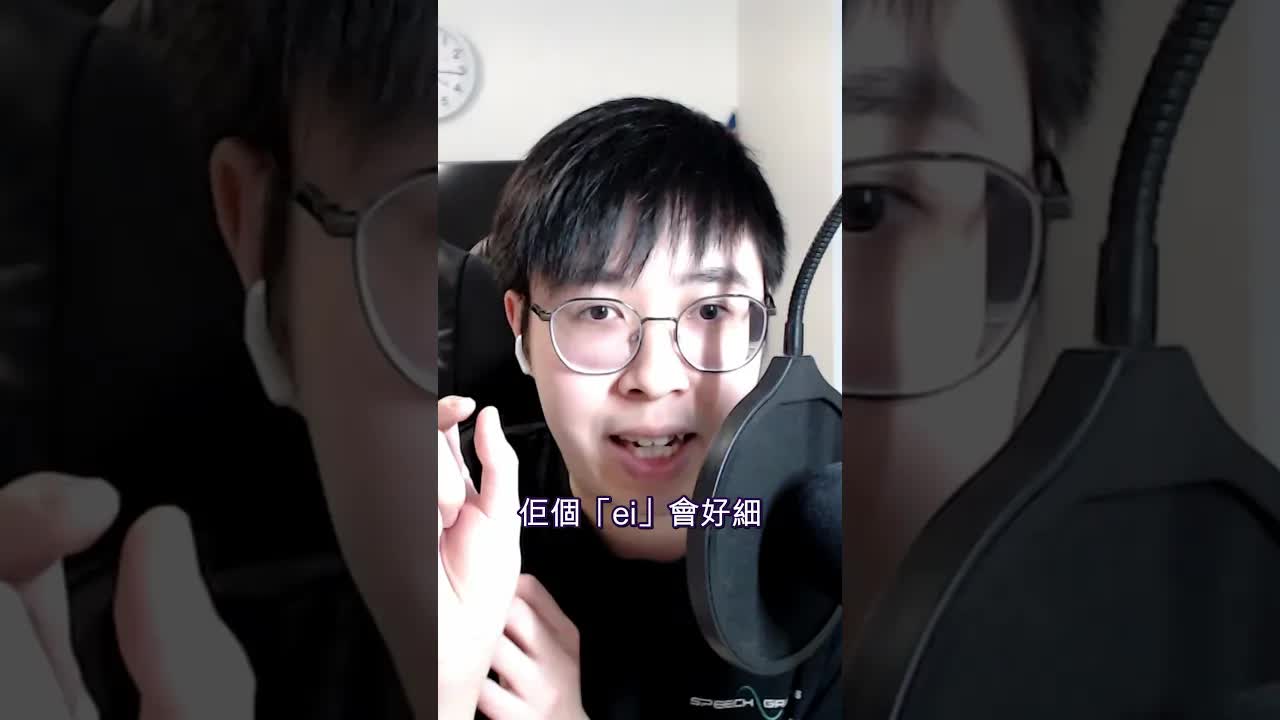


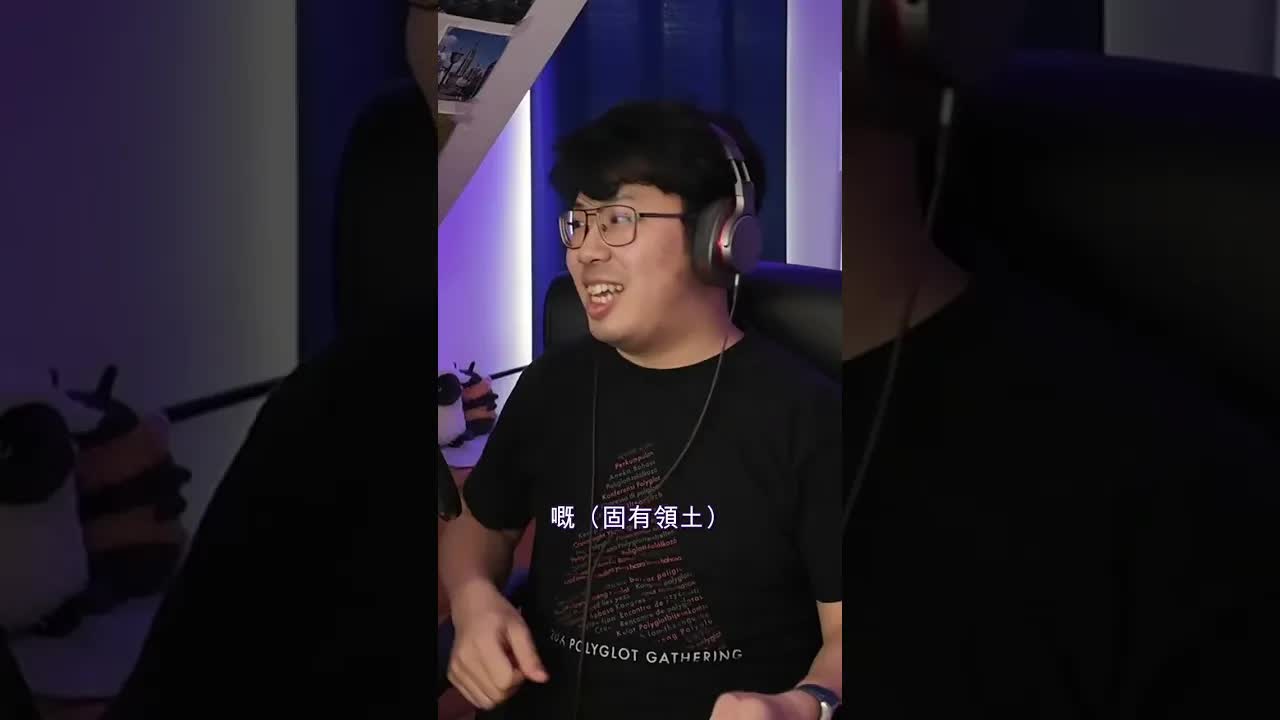
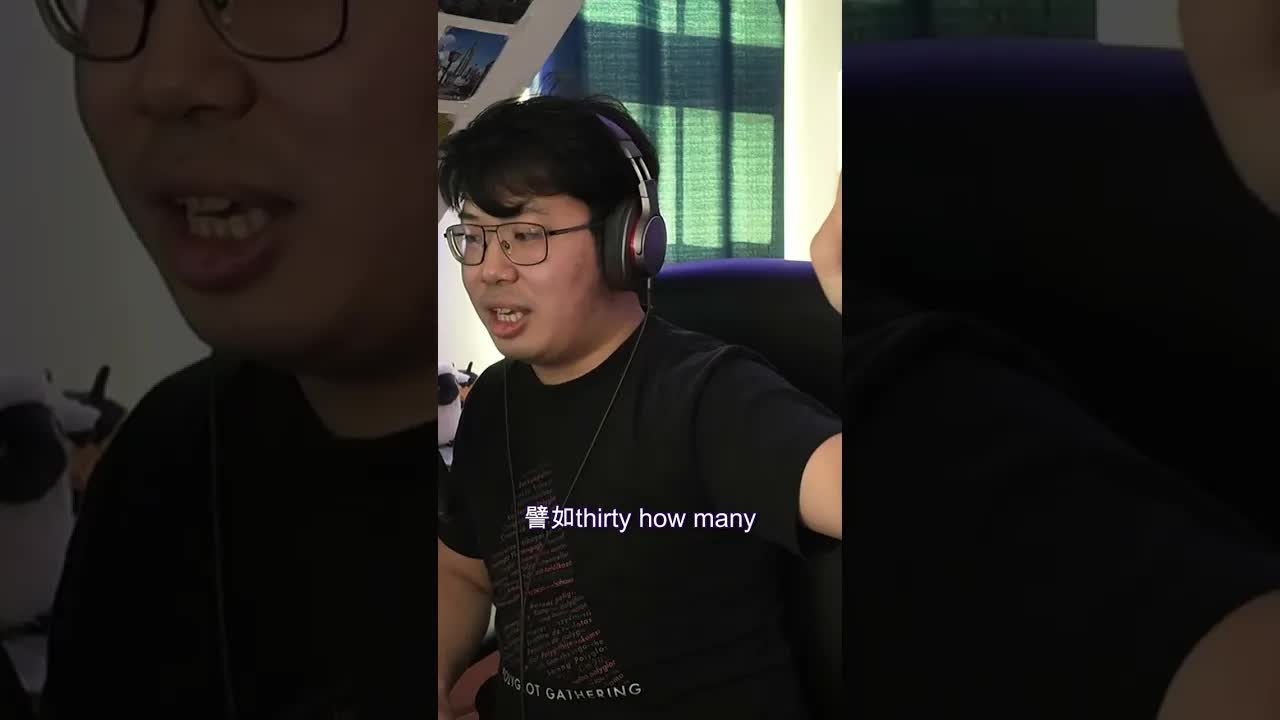











Is Reelang the best app to learn Cantonese?
It depends on your level. If you start from zero, a course or a book is a good first step. When you know the basics, from about A2, the hard part is to understand real people. Reelang is for that. You get real Cantonese videos at your level, with help when you need it. You can use both.
- Spoken Cantonese, in writing: the transcripts keep 嘅, 喺 and 咗 the way people say them, so what you read is what you hear.
- Always at your level: each video has a level and a speed. The page learns as you watch.
- Made for listening: you learn Cantonese with your ears more than most languages. There is no one way to write it in Latin letters, and a lot of what people say never appears in standard written Chinese.
Cantonese that a Mandarin textbook will not teach you
Spoken Cantonese has many small words that standard written Chinese does not use. Small words at the end of a sentence show how the speaker feels: 啫 at the end of a sentence means “just” or “that’s all”, and it can make a request sound like a small complaint. People in Hong Kong also put English words into a sentence and use them with Cantonese grammar, as in 食lunch, “to have lunch”.
Even telling the time is different. In Cantonese, you can count minutes with the numbers on a clock, five minutes for each number. So 一點三 means 1:15, not 1.3. A Mandarin speaker who reads the same characters sees a decimal number.
Cantonese videos by level
From slow lessons for beginners to fast comedy from Hong Kong. Find clips at your level, then try the next level up.
Cantonese videos by subject
Look by subject: food, cooking, travel, family life, comedy and Hong Kong culture.
Did you grow up with Cantonese at home?
If your parents or grandparents speak Cantonese, you may understand more than you can say. Real conversations at your level give you the words family talk often misses: words for work, news, money and feelings.
How it works
Questions about learning Cantonese with Reelang
What is the best app to learn Cantonese with real videos?
Reelang is made for this. It is a free watch page of real Cantonese videos from real people. Each video has a level, a speed and an accent, and the page changes as you watch.
How does Reelang find my level?
It starts you with easy videos. Then it learns from the people you follow, the videos you skip and the words you look up. There is no level quiz.
What is the Reelang Cantonese watch page?
A page of short videos from real people who speak Cantonese. Each video has a level and a speed, and we show the accent. It learns how you watch and keeps showing videos at your level.
What are videos you can understand?
It is Cantonese that you can mostly understand, with a little that is new. Stephen Krashen, a man who studies how people learn languages, said this is how we learn them. Reelang is built on his idea.
Reelang goes one step more. It checks how often each word is used in everyday Cantonese. It also knows which words you already know. So your page shows videos with words you know, plus the most common words you do not know yet. Videos you can understand, made for you.
Does Reelang explain the words in each video?
Tap any word to see what it means. With Reelang+, Learner Insights tell you more about the culture and the way people talk in a video.
Some Cantonese words and phrases we explain, from new videos:
- 食lunch (sik6 lunch): to have lunch: a Cantonese verb with an English noun
- 一點三 (jat1 dim2 saam1): 1:15, not 1.3: Cantonese counts minutes in five-minute steps
- 啫 (ze1): "just", "that's all": makes what you said sound smaller
Why short videos from real people?
With short videos, you hear many more people, accents and places in the same time. So your ear learns Cantonese the way people really talk.
How does Reelang know if a video is too fast or too hard?
We check how people talk in each video, not only the words. We check how fast they talk, how often they stop, how many words they say between stops, and how much of the video is talking. We also check the word level. So the page knows what you know and how fast you can follow.
What if I do not know a word?
Tap it to see what it means. With Reelang+, you also see it in your own language. And words you look up come back in new videos.
Which Cantonese words should I learn first?
The most common ones. Smart Subtitles show how common each word is. So you know which words to learn first.
Which levels does it have?
Beginner (A1) to Understands fast talk (C1). It works best from about A2.
Do I need an account? Is it free?
The Cantonese watch page is free. You can start without an account. Reelang+ gives you videos picked for you, words in your own language, and words that come back in new videos.
Should I learn Cantonese or Mandarin?
Learn the one people around you speak. Cantonese is spoken in Hong Kong, Macau, Guangdong and many older Chinese communities in other countries. Mandarin is the official language of mainland China and Taiwan. They use mostly the same characters, but they sound different, and speakers of one do not understand the other. If you want Mandarin, Reelang has a separate Mandarin feed.
How many tones does Cantonese have?
Six pitch patterns. Older books count nine. They add three for syllables that end in -p, -t or -k, but these use the same pitches. Many syllables change meaning only because of the tone, so it is good to learn the tones early, by listening to a lot of real speech.
Is written Cantonese different from Chinese?
Yes. Formal writing in Hong Kong usually uses standard written Chinese, which comes from Mandarin. Chats, comics, ads and our transcripts use written Cantonese. It has characters like 嘅 (of), 係 (is) and 咗 (a finished action) that standard Chinese does not use. If you read it while you listen, you connect the sounds with the words.
How is Reelang different from a normal language app?
Most apps use drills and made-up audio. Reelang helps you listen to real Cantonese, the way people really talk.
How much should I watch?
A little every day is best. A short time each day that you like is better than a long time that you skip.
About this page
Videos you can understand in Cantonese
Learn Cantonese with videos you can understand
Videos you can understand are a simple idea: watch things you understand most of, and you learn the rest over time. This works well for Cantonese. Tones are hard to learn from a table and easier to learn from many hours of real voices. The same short phrases come back again and again, at home, in shops and in family arguments. Reelang sorts the clips so you start with the ones you can follow.
Why spoken Cantonese and not written Chinese
Most Cantonese videos have subtitles in standard written Chinese, which reads like Mandarin. The screen shows 的 and 是, but the speaker says 嘅 and 係. So you read one language and hear another. Our transcripts show what people really say, with the small words and the English words they use, so the text matches the sound.
How to start here
Start with your level. From there, see videos by subject depending on what you want to practice. Start with slow, clear speakers and watch the same clip a few times. When the tones stop sounding random, move up one level.
Want a full plan? Read our guide to videos you can understand.