Free English learning app
English learning that doesn’t feel like studying
Real native English videos at your level.
Reelang is a English learning app built on real native-speaker videos, graded to your level. Learn from the TikToks, Reels and YouTube videos people actually watch in the US, the UK, Ireland, Australia, Canada, India, Nigeria and beyond, and your feed adjusts as you watch.
Reelang starts you on easier English clips and learns from what you follow, skip and look up, so every video sits just past what you already understand. No placement quiz, no signup to start.
40,785
English videos
9
Accents
Thanks for all the great work! I'm so glad an app like this exists.
Accent
Level
Speed
Subject
Picked English videos
Showing 24 of 30,580 videos










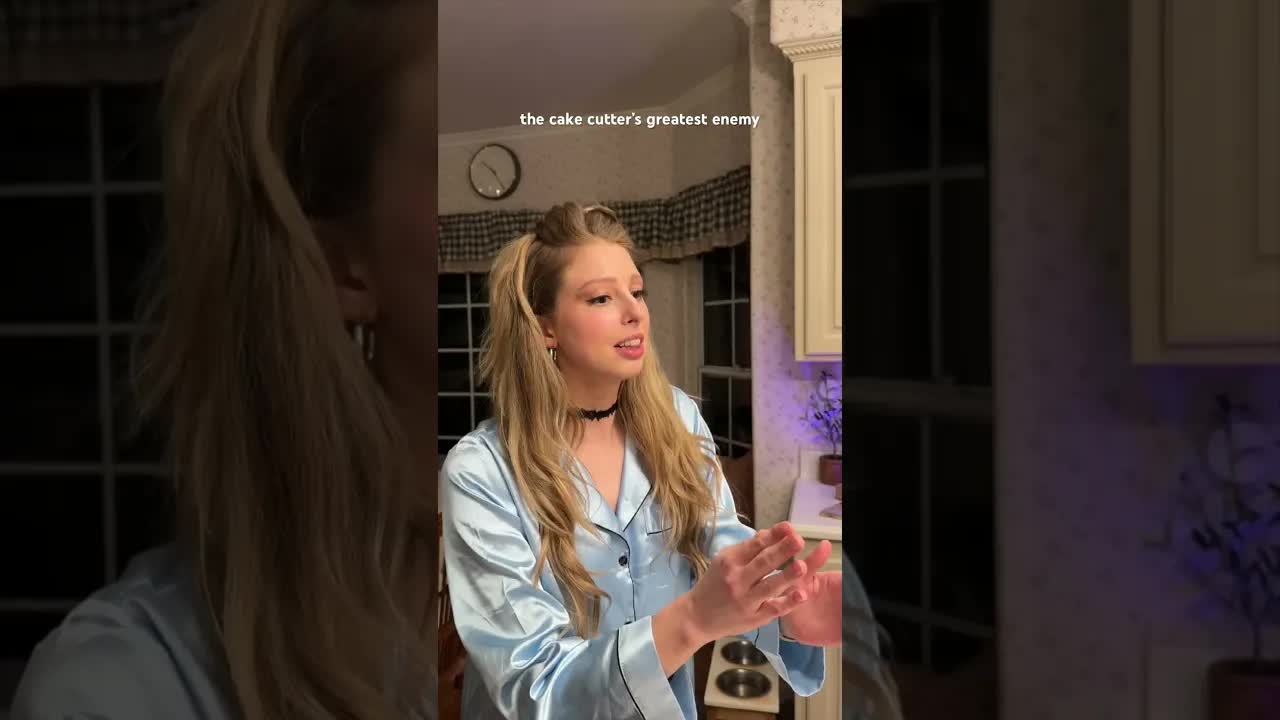

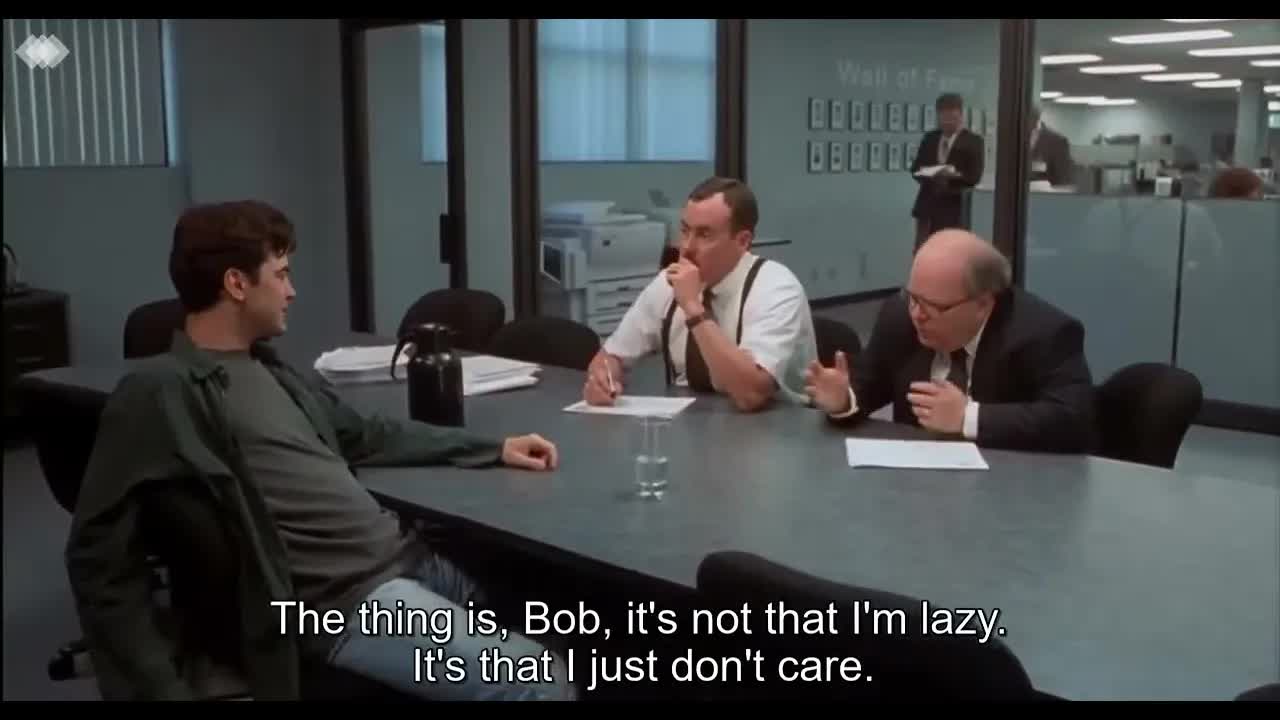







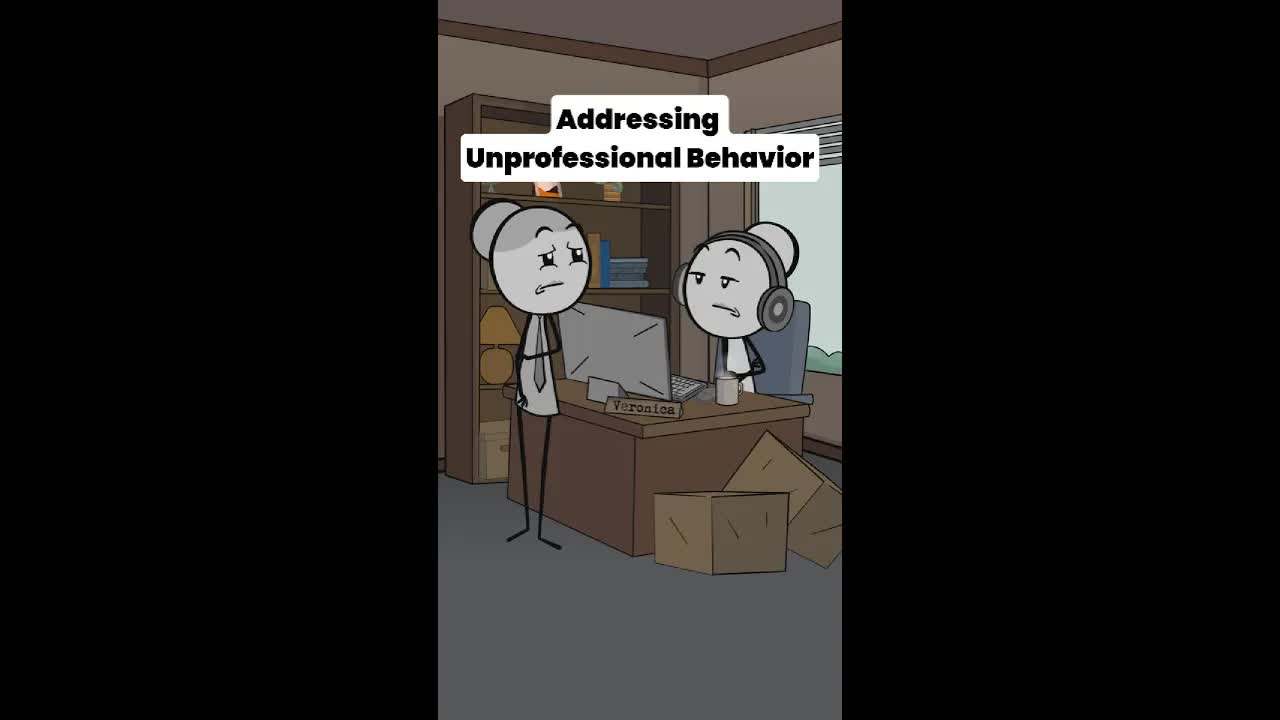
















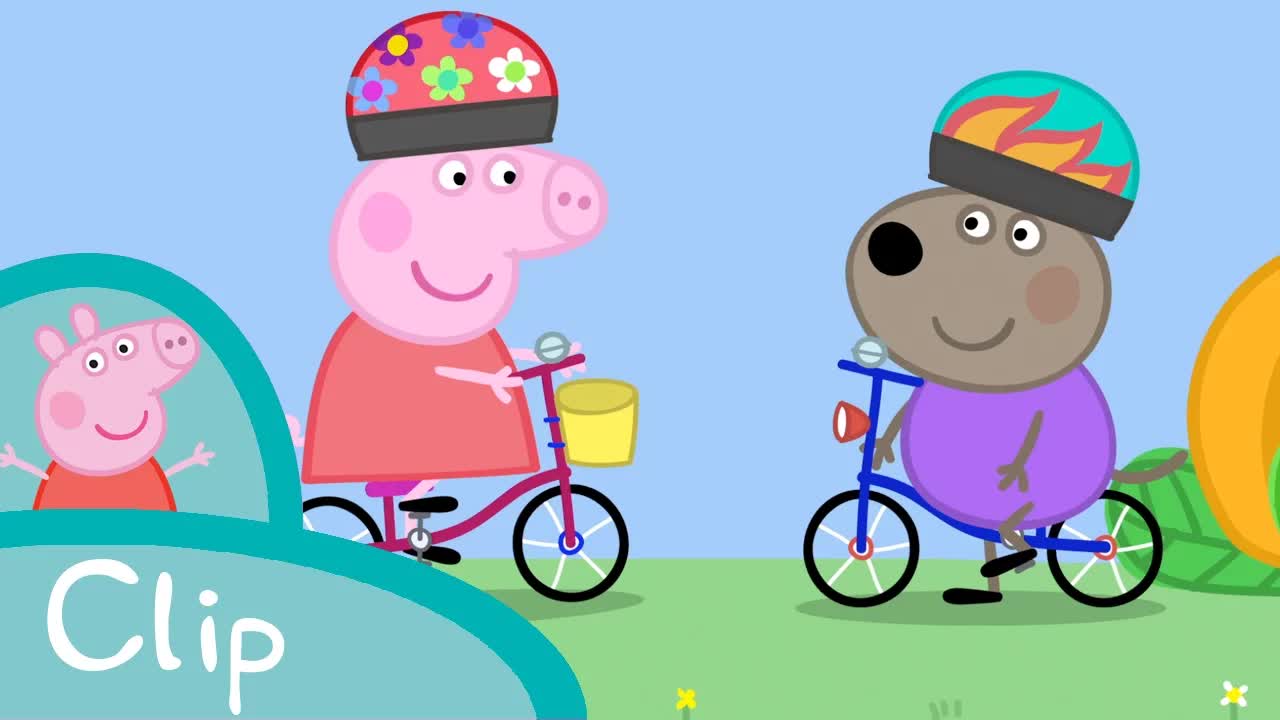



Is Reelang the best app to learn English?
It depends on where you are. If you’re starting from zero, a structured course app like Duolingo or Babbel is a good first step. Once you know the basics, from about A2, the hard part is understanding real people, and that’s what Reelang is for: real English videos from the US, the UK, Ireland, Australia, India and beyond, at your level, with help when you need it. You can use both.
- Real English, not scripts: contractions, fillers, interruptions and slang, the English you hear in films, at work and online.
- Always at your level: every clip is graded by level and speaking speed, and the feed adapts as you watch.
- The accents you’ll meet: American English, British English, Australian English, Southern American English, African American Vernacular English, Canadian English and more.
- Built for listening: most English apps teach grammar and vocabulary. Reelang trains your ear on real conversations, which is what listening exams and real life test.
How words fit together
English grammar in real speech
Every grammar topic pairs the rule with unscripted clips from native speakers: conditionals, tenses, modal verbs, reported speech and more. No invented sentences, no cleaned-up dialogue.
English videos by level
Pick your level, or one step above it. That’s where listening improves fastest. If you’ve finished a beginner course, try Strong beginner (A2) first.
English accents from around the world
English sounds different in New York, London, Dublin, Sydney, Mumbai and Lagos. Train your ear on the accents you’ll actually hear at work, while traveling or in your exam.
American English: the most widely studied variety, heard across film, television and business.
British English: from London to the regions, with non-rhotic speech and a wide range of local accents.
Australian English: relaxed, with rising intonation and shortened words like arvo and brekkie.
Southern American English: the drawl of the US South, with its own rhythm and expressions like y’all.
African American English: a systematic variety with its own grammar, rhythm and slang.
Canadian English: broadly close to American English, with a few vowels and expressions of its own.
Nigerian English: the English of Lagos and beyond, with its own rhythm and expressions.
Indian English: clear, rhythmic English heard across business, tech and media in India.
Irish English: the melody and expressions of everyday speech across Ireland.
English videos by topic
Learn English through what you already enjoy: work and career, travel, food, comedy, relationships and more.
Preparing for IELTS?
Practice listening with real native speakers at exam level and speed, across the British, Australian, Canadian and American accents IELTS uses. Start with the free IELTS listening pack, built with IELTS teachers.
How it works
Questions about learning English with Reelang
What is the best app to learn English with real videos?
Reelang is built for it: a free feed of real English videos from native speakers, graded by level, speaking speed and accent, that adapts as you watch.
How does Reelang find my level?
It starts you on easier clips and adjusts from what you follow, skip and look up. There’s no placement quiz.
What is the Reelang English watch page?
A TikTok-style feed of real English videos from native speakers, graded by level and speaking speed and tagged by accent. It learns from how you watch and keeps serving clips at your level.
What are videos you can understand?
Comprehensible input is English you can mostly understand, with a little that’s new. Linguist Stephen Krashen argued it’s how we acquire languages, and it’s the idea Reelang is built on.
Reelang takes it a step further with word frequency. It ranks every word in every video by how often it’s used in everyday English, and keeps track of which words you already know. So instead of videos that are only roughly your level, your feed picks the ones made of words you know, plus the most frequent words you haven’t learned yet. Comprehensible input, made for you.
Does Reelang explain the words in each video?
Tap any word for its meaning. With Reelang+, Learner Insights also explain the culture, idioms and slang behind a clip.
A few English words and phrases our explanations cover, from recent videos:
- zero faith: "zero" used to mean "not any" of something — not just the number 0
- meh: an informal sound for "average" or "I don't care" — said out loud, not just typed
- cheers: informal British "thanks" or "bye", not only a drinking toast
- would rather... than: "I would rather X than Y" — used to say which of two things you prefer
- keep someone quiet: to not tell people about someone — not about making them stop talking
Why short videos from real people?
Short clips let you hear many more speakers, accents and situations in the same time, so your ear gets used to English as people actually speak it.
How does Reelang know if a video is too fast or too hard?
Every clip is analysed for how it’s spoken, not just which words it uses: speaking speed in words per minute, how often the speaker pauses, how many words come out between pauses, and how much of the clip is speech. With its vocabulary level, that lets the feed match both what you know and how fast you can follow.
What if I do not know a word?
Tap it to see the meaning. With Reelang+, you also get translations into your own language, and words you look up come back in new clips.
Which English words should I learn first?
The most common ones. Smart Subtitles show how common each word is, so you can tell which words are worth learning now.
Which levels does it have?
Beginner (A1) to Understands fast talk (C1). It works best from about A2 upward.
Do I need an account? Is it free?
The English feed is free and you can start without signing up. Reelang+ adds a personalized feed, translations into your own language and words that come back in new clips.
Can Reelang help with IELTS listening?
Yes. IELTS listening uses a range of accents, including British, Australian, Canadian and American English, and Reelang lets you practice each one with real native speakers.
How is Reelang different from a normal language app?
Most apps teach with drills and scripted audio. Reelang trains listening on real English the way people actually speak it.
How much should I watch?
Little and often works best. A daily session you enjoy beats a long one you skip.
About this page
Videos you can understand in English
What are videos you can understand?
These are videos in a language you can almost understand, with a little that is new. The idea comes from Stephen Krashen. He said people learn a language best when they understand real messages, not when they just learn rules. That is why Reelang shows you real English you can follow now, but still a bit hard.
Why real videos, not made-up talk
The English in books is clean and slow. Real talk is not. Real people stop and start, join words, drop sounds, and talk in many ways. Reelang uses real short videos from real people. So your ear learns the English people really use.
How to use this page
Start with your level, then pick a how easy to follow that feels okay. From there, see videos by how the words fit together, subject, or how people talk, for what you want. Use grammar to learn one rule. Use accents to hear many kinds of English. Use topics to watch what you like.
Want a full roadmap? Read our guide to comprehensible input.