Esperanto 듣기 연습 · A1 · 초보
What does the ending -ĉjo mean in Esperanto?
Tagmanĝo: Decidoj pri Manĝo
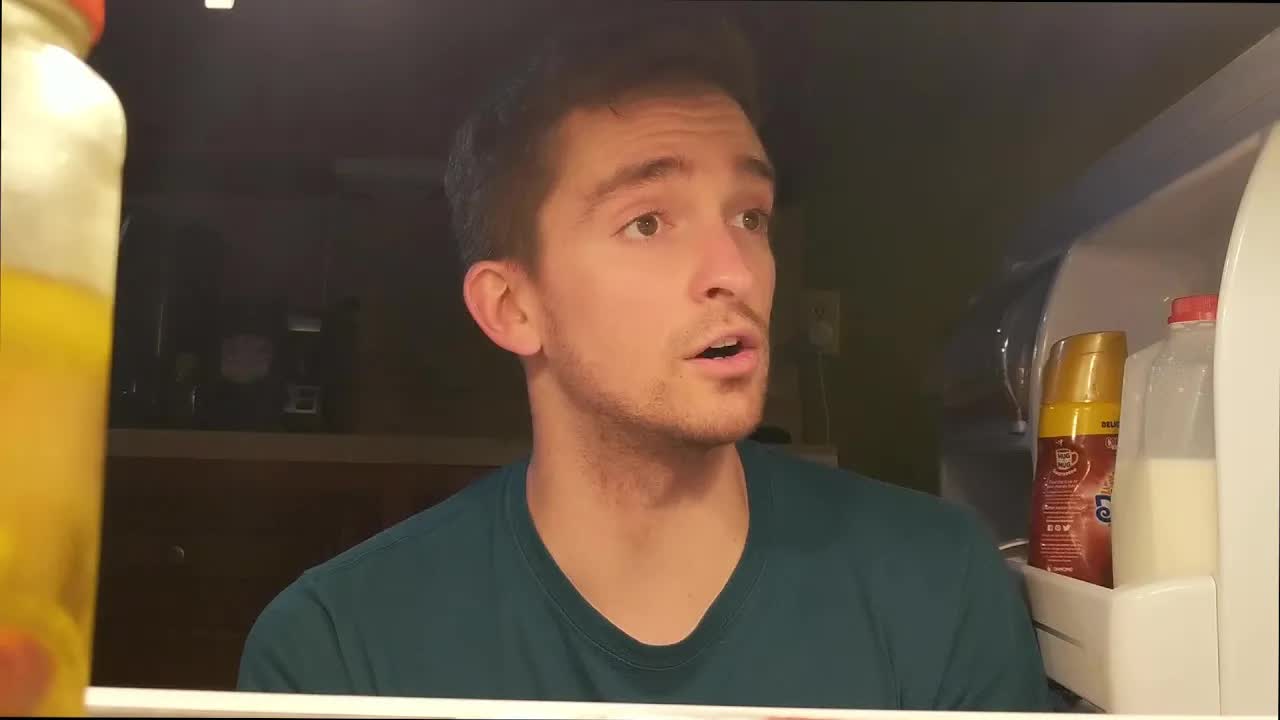


Esperanto USA · YouTube 원본 보기
Esperanto makes pet names for men by clipping a name and adding -ĉjo: Johano becomes Joĉjo.
-Ĉjo is the informal suffix for affectionate male nicknames. Keep the first one to five letters of a name or family word, then add -ĉjo: Johano becomes Joĉjo (Johnny), Petro becomes Peĉjo (Pete), patro becomes paĉjo (daddy). Its female partner is -njo, giving panjo for mummy or Sunjo for Susan.
At the end of the clip the friend is called “Viĉjo” while the other asks what he wants to eat. It carries the same warm, casual tone as English “Johnny” or “Pete”, the kind of name used between close friends. The suffix works on kinship words too: paĉjo and panjo are everyday words for dad and mum. When you meet an unfamiliar name ending in -ĉjo or -njo, it is a pet form of a longer one.
비슷한 클립
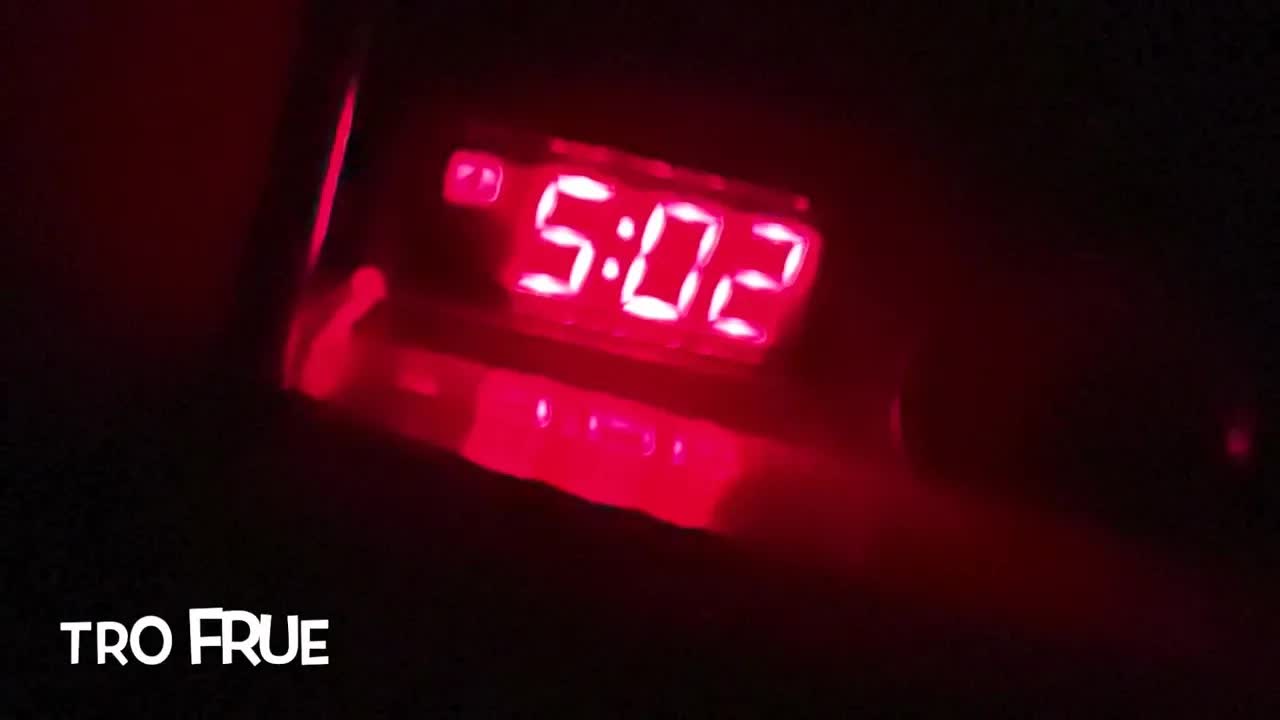
Tro Frue: Mallonga Filmo en Esperanto
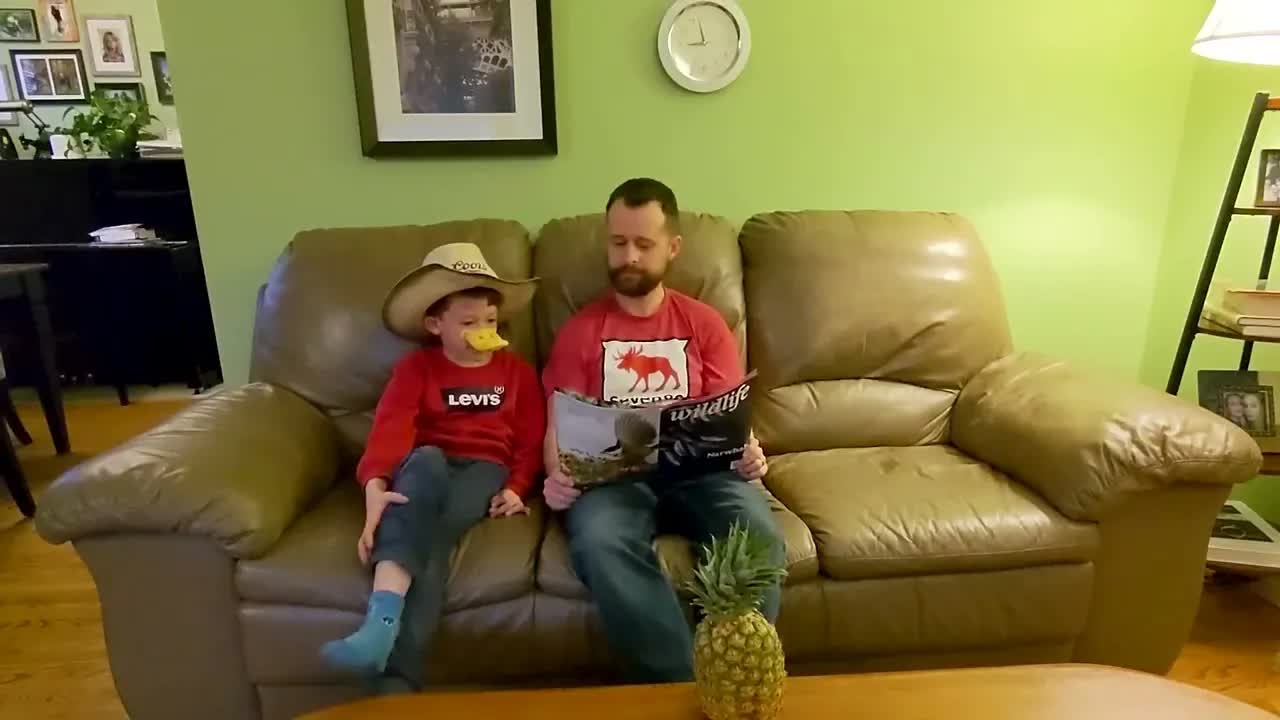
La Fia Ĝemela Anaso: Komedia Skizo
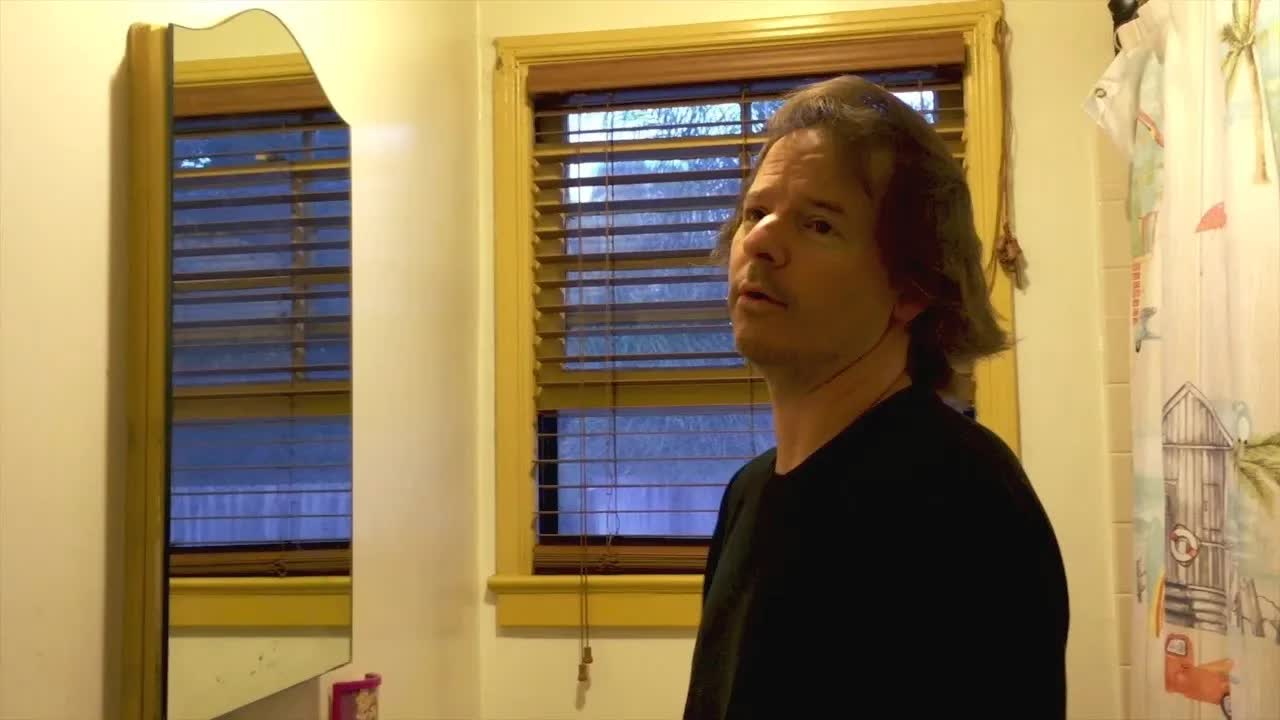
Kie Estas Mia Ĉapelo? – Filmo por la Usona Bona Film-Festivalo
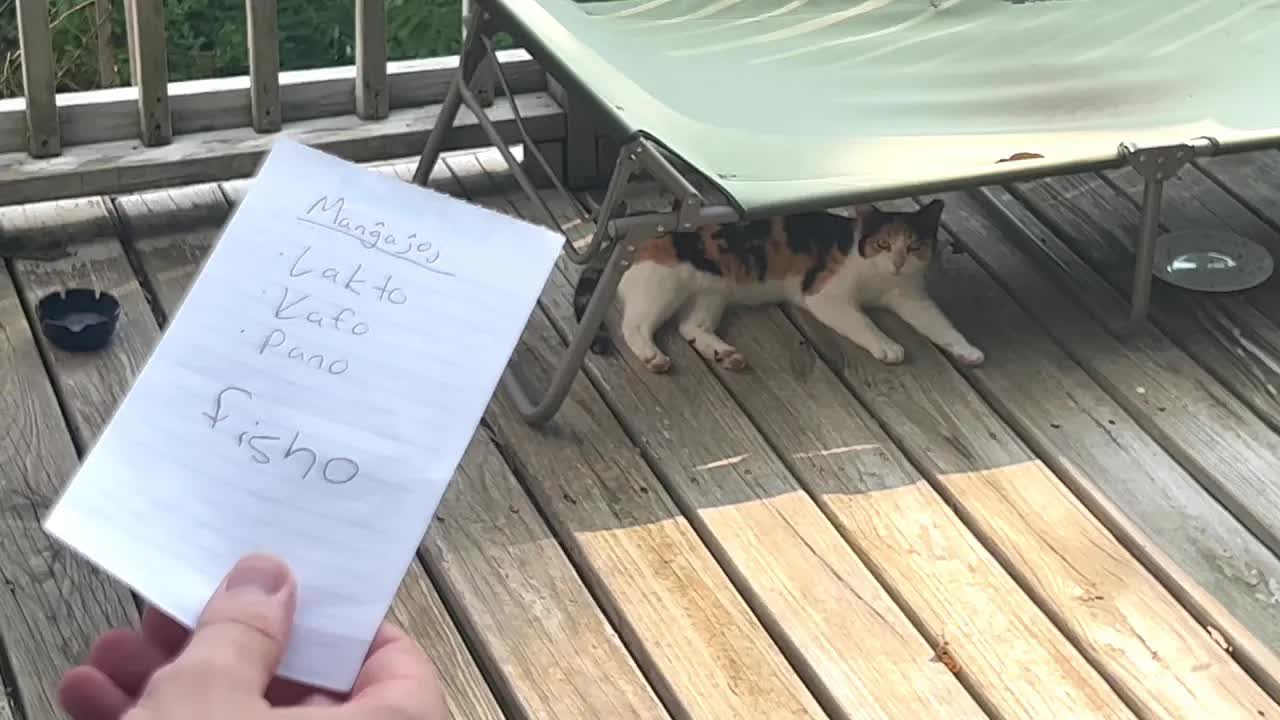
Malsata Kato: Kurta Filmo en Esperanto
Tre longa vojaĝo al Moskvo kaj Tula

Banano-Pano estas preta
진짜 영상으로 배워요
이런 클립이 수천 개 있고, 보면서 내 레벨에 맞는 클립을 골라 줘요.