Esperanto听力练习 · A1 · 新手
What does the ending -ĉjo mean in Esperanto?
Tagmanĝo: Decidoj pri Manĝo
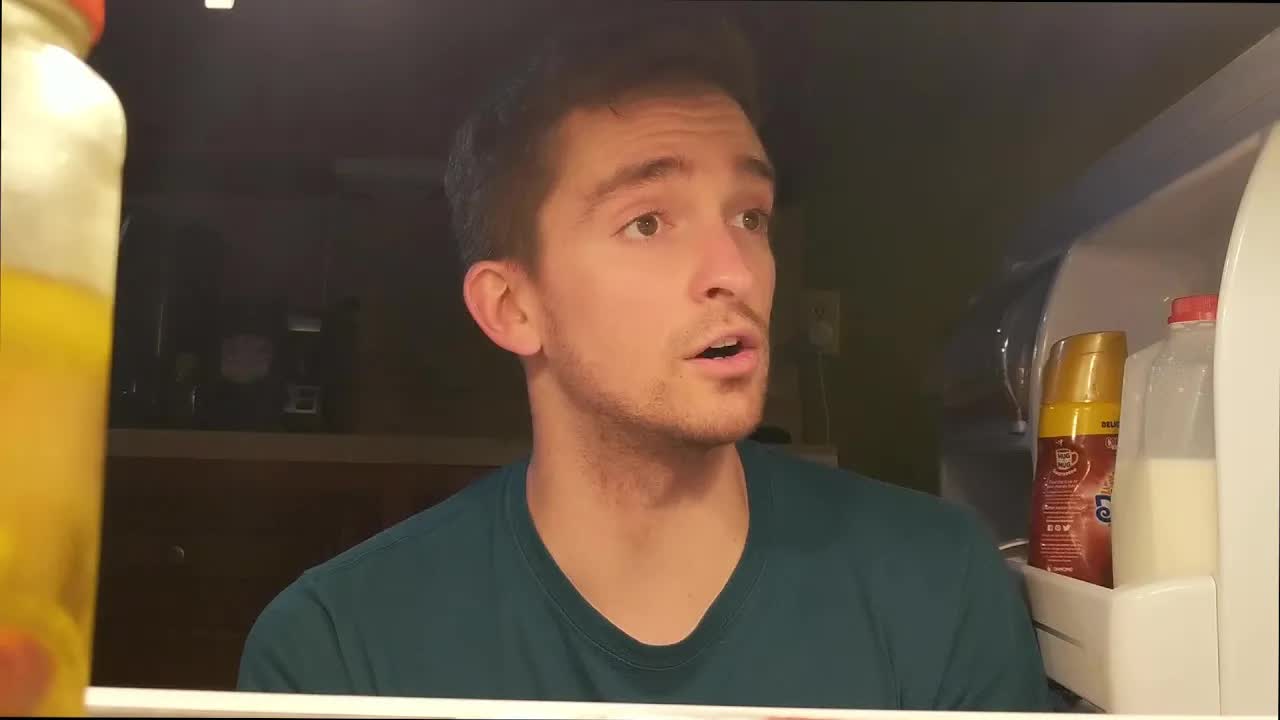


来自 YouTube 上的 Esperanto USA。 看原视频
Esperanto makes pet names for men by clipping a name and adding -ĉjo: Johano becomes Joĉjo.
-Ĉjo is the informal suffix for affectionate male nicknames. Keep the first one to five letters of a name or family word, then add -ĉjo: Johano becomes Joĉjo (Johnny), Petro becomes Peĉjo (Pete), patro becomes paĉjo (daddy). Its female partner is -njo, giving panjo for mummy or Sunjo for Susan.
At the end of the clip the friend is called “Viĉjo” while the other asks what he wants to eat. It carries the same warm, casual tone as English “Johnny” or “Pete”, the kind of name used between close friends. The suffix works on kinship words too: paĉjo and panjo are everyday words for dad and mum. When you meet an unfamiliar name ending in -ĉjo or -njo, it is a pet form of a longer one.
更多类似的短视频
Tro Frue: Mallonga Filmo en Esperanto
La Fia Ĝemela Anaso: Komedia Skizo
Kie Estas Mia Ĉapelo? – Filmo por la Usona Bona Film-Festivalo
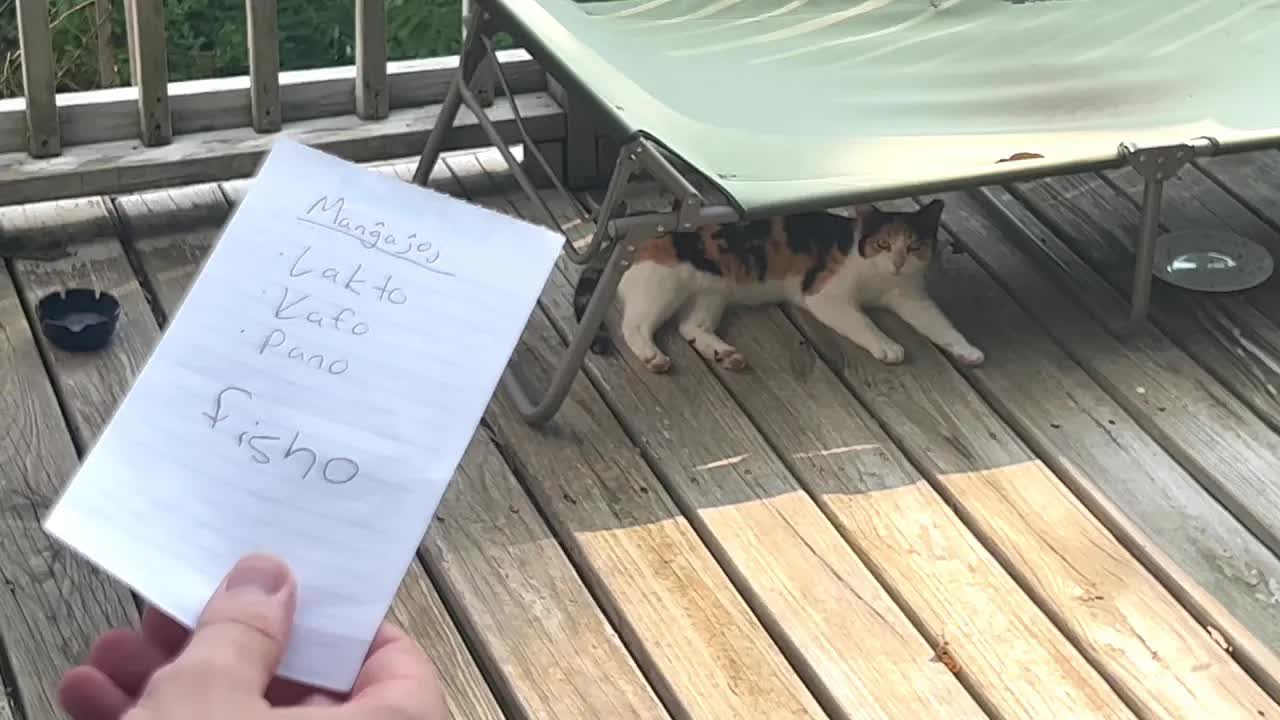
Malsata Kato: Kurta Filmo en Esperanto
Tre longa vojaĝo al Moskvo kaj Tula

Banano-Pano estas preta
看真实视频学语言
数千条这样的短视频,按你的水平推荐。