Luyện nghe Thai · A1 · Người mới
What does ขี้ mean in Thai words like ขี้อ้อน?
น้องแมวขี้อ้อนน่ารักจนอยากพากลับบ้าน
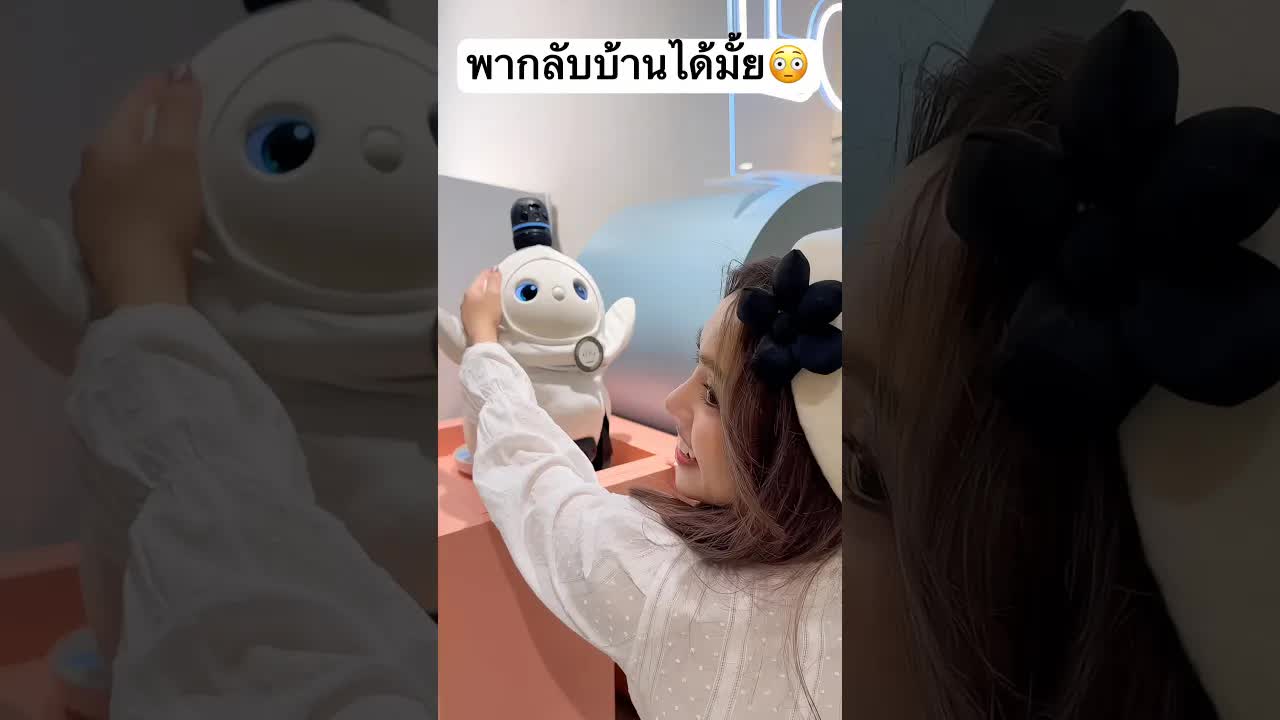


Từ Jamsai JS trên YouTube. Xem bản gốc
In Thai, ขี้ + a verb makes an adjective for “always doing it”: ขี้อ้อน is clingy and sweet, ขี้งอน is quick to sulk.
The word ขี้อ้อน is built from ขี้, which on its own is a rude word for excrement, plus อ้อน, to coax or act sweet. Put ขี้ in front of a word and it becomes a habit or tendency: a cat that is always nuzzling is ขี้อ้อน. The same prefix gives you a whole family of personality words, and learning it unlocks dozens at once.
In the clip, the speaker says the cats are all “ขี้อ้อนกันทุกตัวเลย” (every one of them is clingy), then adds “ขี้อ้อนไม่พอขี้งอนด้วย” (not just clingy, they sulk too). Same prefix, two moods. Other members of the family: ขี้แย (someone who cries easily, a crybaby) and ขี้เหนียว (stingy). Wiktionary notes the prefix marks a habitual tendency, “especially an unfavourable one”, and that it can sound vulgar in some uses. With pets and babies it reads as affectionate, but ขี้เหนียว aimed at a person is an insult.
Thêm clip tương tự






Học từ video thật
Hàng nghìn clip như clip này, phù hợp trình độ của bạn khi xem.