Luisteroefening in het Chinees · C1 · Moeiteloos begrip
What does “拉锯” (lājù) mean in Mandarin Chinese?
美伊互不信任下的停火談判拉鋸
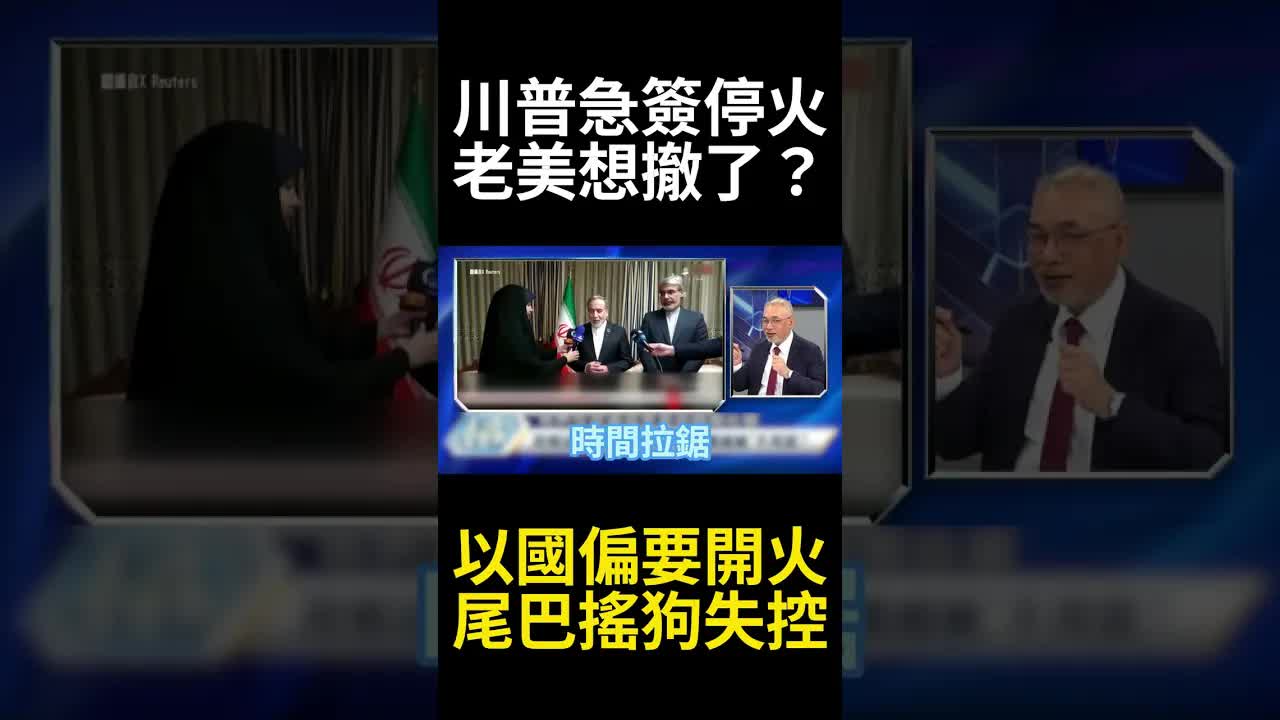


Van 寰宇新聞 頻道 op YouTube. Bekijk origineel
to saw back and forth; a stalemate where neither side gains ground
拉锯 (lājù) literally means to work a two-person saw, one person pulling, then the other. News Chinese borrows that picture for any contest that swings back and forth with no clear winner: talks, elections, price battles. The noun form 拉锯战 (lājùzhàn) is the standard label for a drawn-out tug-of-war. Remember the saw and you remember the meaning: each side gains a little, then loses it again.
In the clip, a commentator describes the US and Iran trading blows and then easing off: “你 打 我 一下, 我 打 你 一下, 然后 我们 升温 降温” (you hit me, I hit you, then we heat up and cool down). That is exactly the sawing rhythm, and the headline compresses it into 拉锯. You will see 拉锯 in headlines about negotiations (谈判陷入拉锯), sports and business. It is neutral to slightly formal, more at home in news and commentary than in casual chat.
Meer clips zoals deze



Leer van echte video’s
Duizenden clips zoals deze, afgestemd op jouw niveau terwijl je kijkt.