Practice listening in Bulgarian · A2 · Strong beginner
What does “бай” mean in Bulgarian?
Баба Станка и дядо Петър: забавна приказка за любов и шоколад
In this clip you’ll learn 10 words, including Баба (grandmother), дядо (grandfather), and селце (little village).
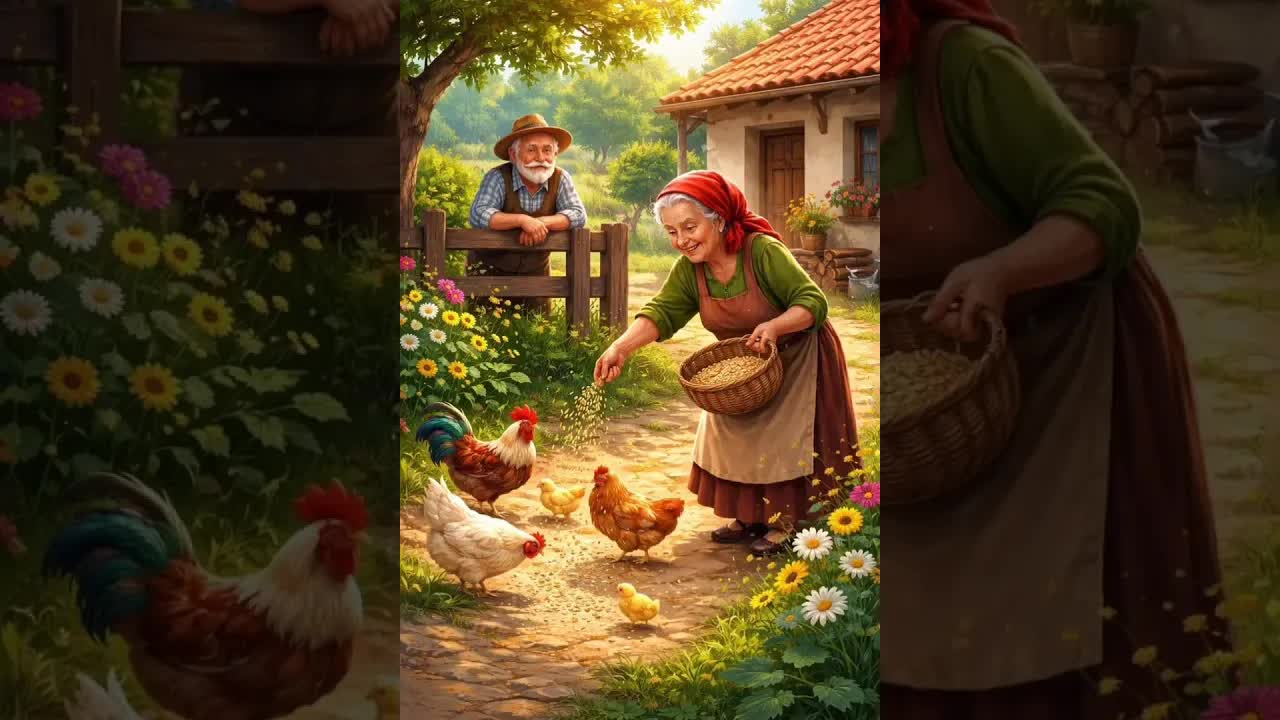


From Приказен свят с Деси on YouTube. Watch original
folksy “Mr./old chap” placed before a familiar man’s first name
Бай is a warm, folksy title Bulgarians put before the first name of an older or familiar man: бай Иван, бай Гошо. It is not a surname-style “Mr.” like English. You use the first name, so it sounds neighbourly and a little humorous. It comes from diminutives of бате (older brother), which explains the friendly, family feel.
In the story, Dyado Petar meets his neighbour бай Иван on the way to the shop and they chat for two hours about fishing and tomatoes. That is the typical scene for the word: a village neighbour you know well. It is colloquial, never formal, so you would not use it in an office or a written letter. Note that it is unrelated to Turkish bay (“Mr.”), even though they look alike.
Words you’ll learn in this clip
Each word with what it means in this clip and the line it is said in.
- ▶ 0:01One of the 1,000 most common wordsБабаgrandmother
“Баба Станка и дядо Петър.”
Looked up by a Reelang learner - ▶ 0:01One of the 2,000 most common wordsдядоgrandfather
“Баба Станка и дядо Петър.”
Looked up by a Reelang learner - ▶ 0:04A rarer word, outside the 5,000 most commonселцеlittle village
“В едно малко селце живеели баба Станка и дядо Петър.”
Looked up by a Reelang learner - ▶ 0:04One of the 1,000 most common wordsживеелиlived
“В едно малко селце живеели баба Станка и дядо Петър.”
Looked up by a Reelang learner - ▶ 0:09Phraseще се скаратwill quarrel
“Те били женени толкова дълго, че дори кокошките в двора знаели кога ще се скарат и кога ще се смеят.”
- ▶ 0:09Phraseще се смеятwill laugh
“Те били женени толкова дълго, че дори кокошките в двора знаели кога ще се скарат и кога ще се смеят.”
- ▶ 0:09One of the 2,000 most common wordsженениmarried
“Те били женени толкова дълго, че дори кокошките в двора знаели кога ще се скарат и кога ще се смеят.”
- ▶ 0:09A rarer word, outside the 5,000 most commonкокошкитеhens
“Те били женени толкова дълго, че дори кокошките в двора знаели кога ще се скарат и кога ще се смеят.”
- ▶ 0:16One of the 2,000 most common wordsхлябbread
“Една сутрин баба Станка казала: "Дядо Петре, иди до магазина за хляб."”
- ▶ 0:16A rarer word, outside the 5,000 most commonПетреPeter
“Една сутрин баба Станка казала: "Дядо Петре, иди до магазина за хляб."”
More clips like this
Защо не правя руска салата за Нова година?
Сестра ми и ужасната пъпка
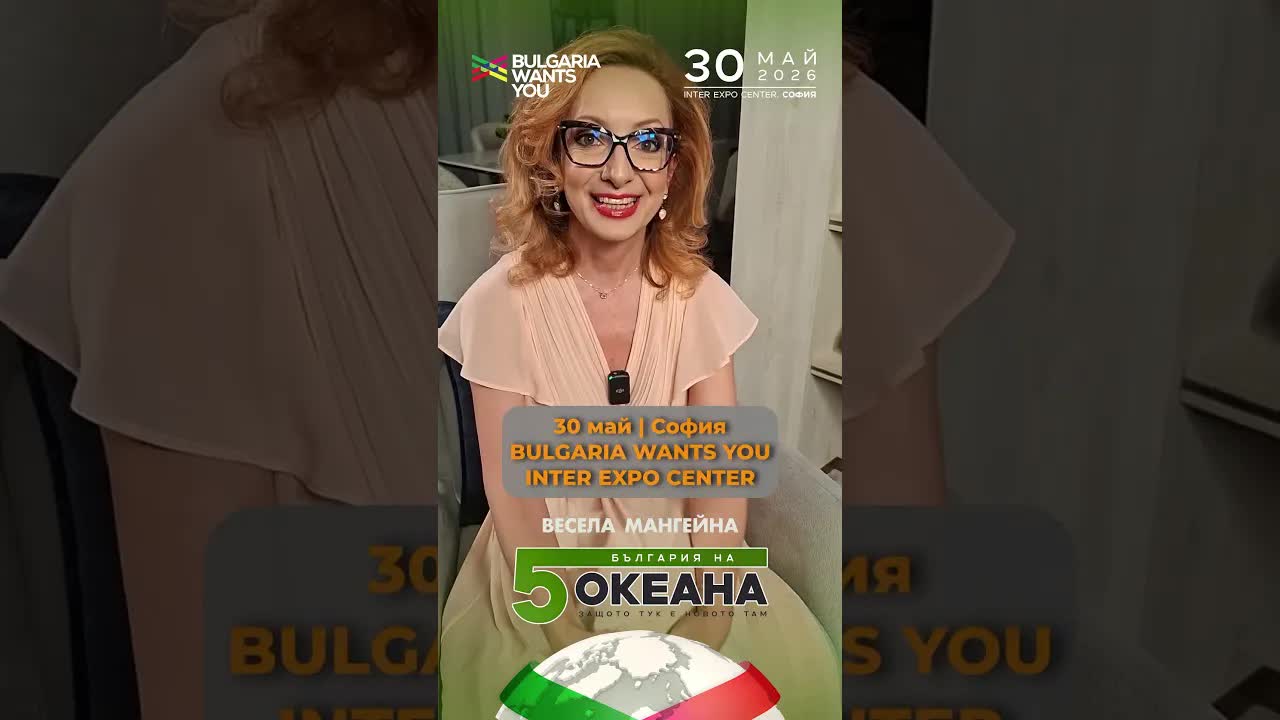
Лекция "В търсене на смисъла" в София
Четирите посоки на света: горе, долу, ляво, дясно
Най-после се прибрах в родината България
Как пия кафето си аз 🤣
Learn from real videos
Thousands of clips like this one, matched to your level as you watch.