Luyện nghe tiếng Nhật · B2 · Chủ đề khó cũng ổn
What does “飛ぶ” mean at work in Japanese?
人材派遣会社の営業マンの苦労とやりがい


Từ もとき trên YouTube. Xem bản gốc
In a Japanese workplace, 飛ぶ doesn’t mean fly: it means someone quit by disappearing without a word.
飛ぶ (tobu) is the verb for “to fly”, but at work it also means someone walks out without notice and cannot be reached. Staffing agencies and the nightlife trade use it most. A manager who says スタッフが飛んだ is not describing a trip. The person is gone, the phone rings out, and someone has to deal with the empty shift.
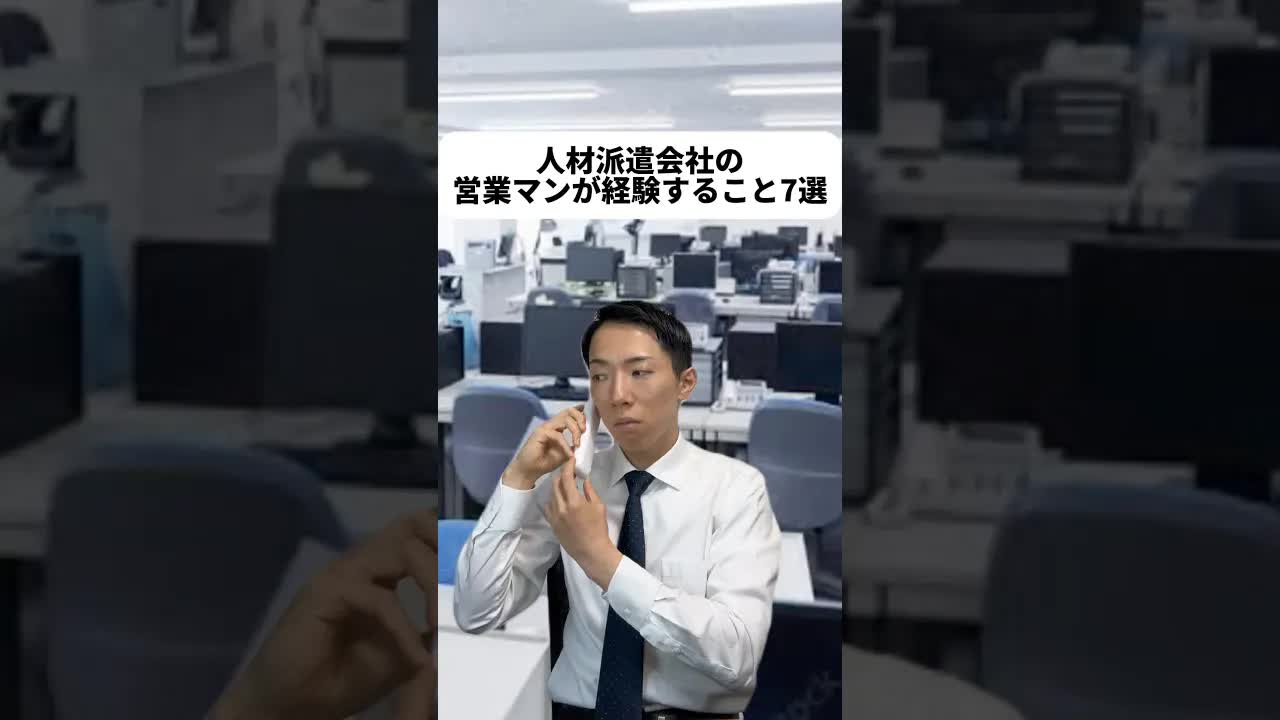
In the clip, a sales rep tells his boss 「派遣スタッフが飛んじゃいまして」, and the boss answers 「あーまたか」, which shows how routine it is. The boss then tells him to collect the security card and visit the person’s address. The dictionary sense is quitting a job without notice, and a second sense, fleeing far away, is used for criminals (犯人が海外へ飛んだ). The -ちゃう in 飛んじゃいまして is the casual form of -てしまう, adding a note of regret. Learners usually meet 飛ぶ only as “fly” or “jump”, so this one is worth recognising before you hear it on a job site.