Luyện nghe Cantonese · A1 · Người mới
What does “嬲” mean in Cantonese?
修女神父天使遇颱風
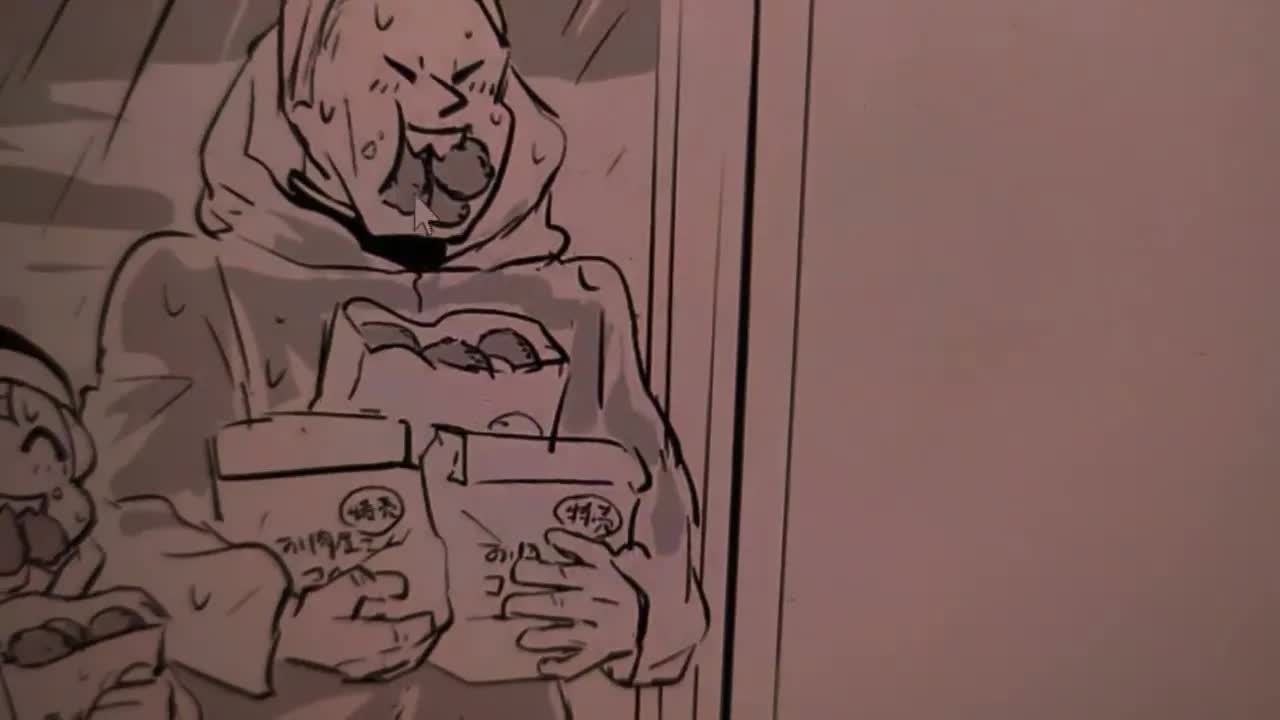


Từ Manki Cantonese trên YouTube. Xem bản gốc
“angry”; a character with a man, a woman and a man
Spot the odd character 嬲 (nau1): a woman sandwiched between two men. In Cantonese it is the everyday word for “angry”, so 我嬲咗 means “I’m angry” and 你係咪嬲我呀? is “are you mad at me?” Mandarin readers know the same character as niǎo, “to tease or pester”. The picture is a fun memory trick, though the character-shape story is a folk explanation, not scholarship.
The Cantonese meaning is the one learners need. It can also lean toward “annoyed” or “pestering”, as in 唔好嬲啦 (“stop it”), but mostly you will hear 好嬲 (“very angry”). Some write the spoken word as 發惱, a different spelling of the same sound. In the typhoon cartoon, the narrator says the angel is furious that the food is gone and he clenches his fists: “好嬲” (the caption shows ASR slips, but the word is clear).
Thêm clip tương tự

Học từ video thật
Hàng nghìn clip như clip này, phù hợp trình độ của bạn khi xem.