俄语听力练习 · C1 · 语速再快也跟得上
What does «фраер» mean in Russian?
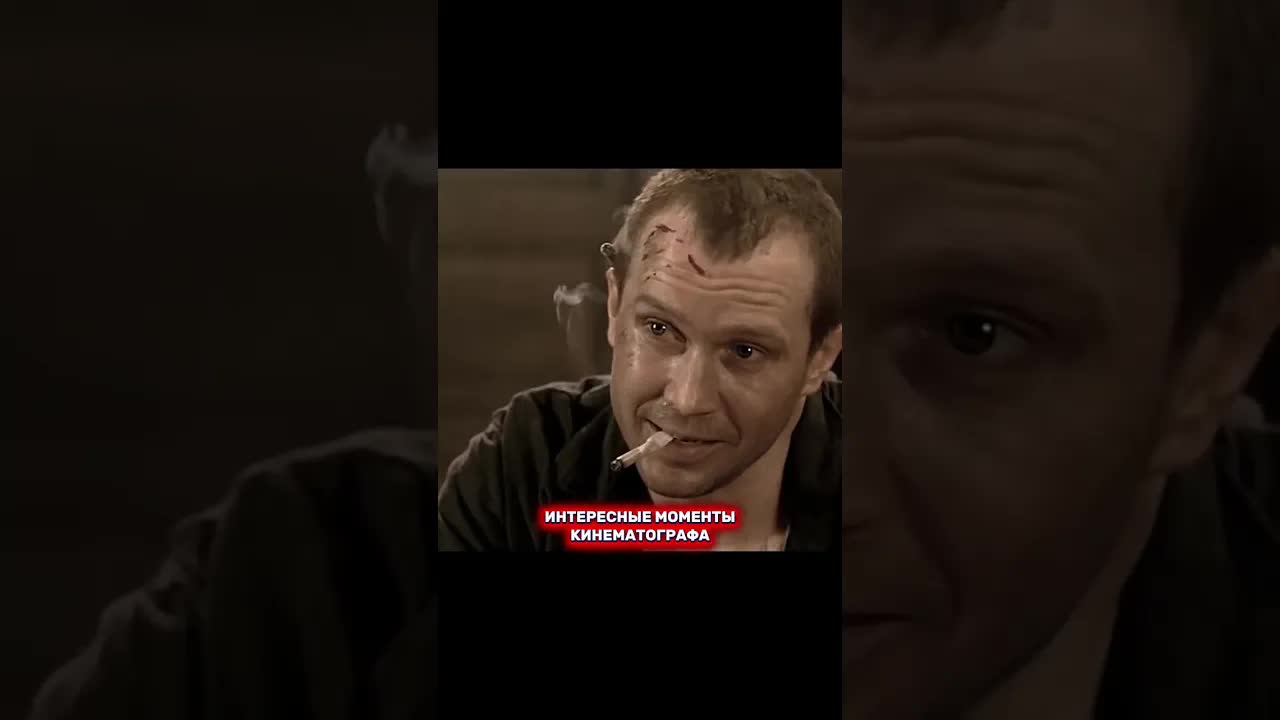
Заключённый-сейфовзломщик шутит с начальником тюрьмы


来自 YouTube 上的 МиRRные ЧувSTва。 看原视频
В блатной речи «фраер» is an outsider to the criminal world, so «я не фраер» means «I know the rules».
Фраер (also фрайер) began as criminal slang for anyone outside the underworld: a potential victim, a naive outsider. From there it spread into everyday speech with several shades: a gullible person, a show-off in fashionable clothes, a cocky guy. So when a prisoner says «Я же не фраер», he claims he is nobody’s fool and knows how this world works. The word is colloquial and slangy.
Wiktionary lists the origin as uncertain: either German Freier («suitor», later «client») or Yiddish for «free», in the sense of someone who had never been in prison. Related forms are фраерок, фраерский and the derogatory фраерюга. Its opposites in slang are вор and блатной, the insiders. In the clip the convict uses it with a straight face: «Я же не фраер, начальник. На такую хавку жаловаться», meaning he is too streetwise to complain about the food. Skip it in polite settings; it fits films about prison and old-school street talk.
这条短视频里的词有多常用?
93.3%
的词属于俄语最常用的 2,000 个词
我们的研究看懂母语者视频,需要多少词汇量?
更多类似的短视频

Казахстан, Газпром и Нафтогаз: почему Астана передумала

Трамп, война с Ираном и игра Конгресса

Разговор с Сергеем о студентах, Ютубе и русском

Шутки про диснеевских принцесс и черепашек-ниндзя

Нонна Мордюкова о характере советских людей
