Latihan menyimak bahasa Jepang · C1 · Paham tanpa usaha
What does “語弊がある” mean in Japanese?
芸人同士のいじり方と嫌われるパターン談義
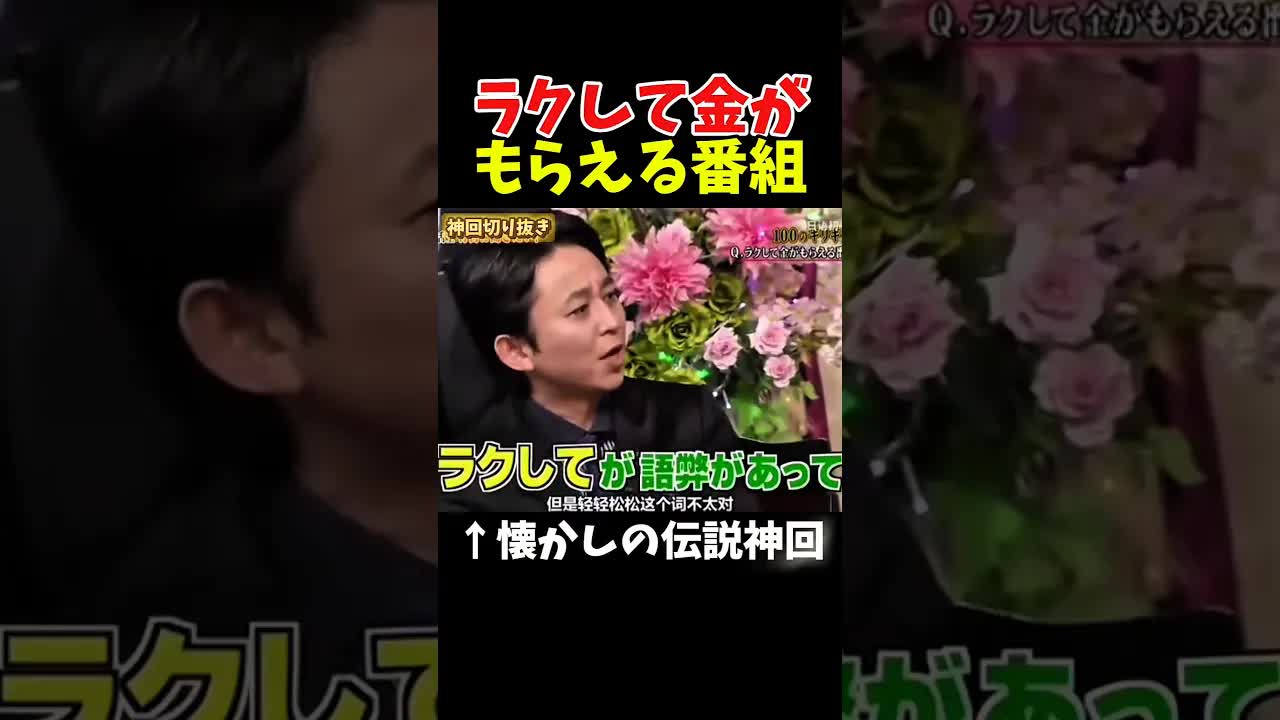


Dari 神回プレイバック di YouTube. Tonton video asli
“That’s not quite the right way to put it”: a hedge before you correct a wording
語弊がある (gohei ga aru) means “that wording could be misunderstood.” Speakers use it to soften a correction: before saying something blunt or imprecise, or to push back on how someone else put it. 語弊を生む is the related fixed phrase for a remark that causes a misreading. It’s the Japanese way to say “that’s not exactly accurate” without sounding harsh.
In the clip a comedian says 楽してっていうのがね、ちょっと語弊があって, “saying 'easy money' is a bit misleading.” He then explains what he really means. The ちょっと in front makes it gentler still. A common pattern is 〜と言うと語弊があるかもしれませんが (“this may sound wrong, but...”), used before an opinion that could offend. You’ll hear it on TV panels and in meetings, rarely in casual chat among close friends.