Esperantoのリスニング練習 · B2 · 難しい話題も平気
What does “indi” mean in Esperanto?
Konkreta ĝangalo: Floro en la asfalto



Esperanto USA(YouTube)より。 元動画を見る
Indi means to be worth or to deserve, and it takes a direct object: indi ion.
Indi is the Esperanto verb for being worth something or deserving it. It comes from the root ind-, worthy, and it takes a direct object: Mi ne indas tion means “I do not deserve that.” It can also work impersonally: Ne indas plu paroli pri tio is “It is no longer worth talking about that.” Synonyms are meriti and esti digna, but indi is shorter and sounds natural in poetry.
In the clip, a poem about a flower pushing through asphalt, the speaker says its color “ne indas rimarkon”: it does not deserve notice, it is not worth a remark. The poem then turns that around, saying the flower is plain but still a flower. The same root gives inda (worthy) and indigni (to deserve; check a dictionary for nuance), but indi is the verb that people use for “worth noting”.
似たクリップ

Kara Diana: Rakonto pri memoroj kaj rakontado

Logan Hall Kandidato por Direktoro de Esperanto-USA

IJK Kongresa Fina Tago kaj Intervjuoj
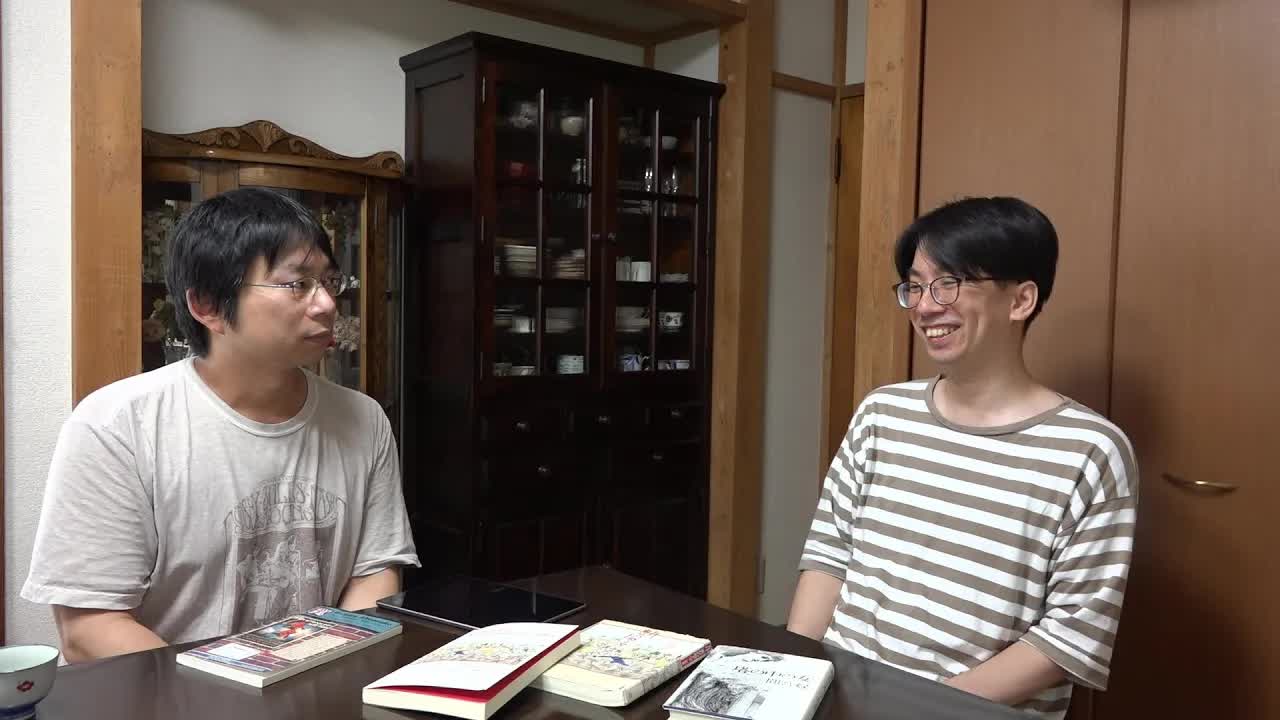
Intervjuo kun la verkisto Nakaĵima Miki

Mia unua IJK: Tago 1 en Eŭropo

Amora Konsilo por la Unua Renkontiĝo
本物の動画で学ぶ
このようなクリップが何千本も。見ているうちに、あなたのレベルに合っていきます。