Ćwiczenia ze słuchania undefined · B1 · Pewnie na co dzień
What does “木糠布甸” mean in Cantonese?
Happy Amy 教你做木糠布甸
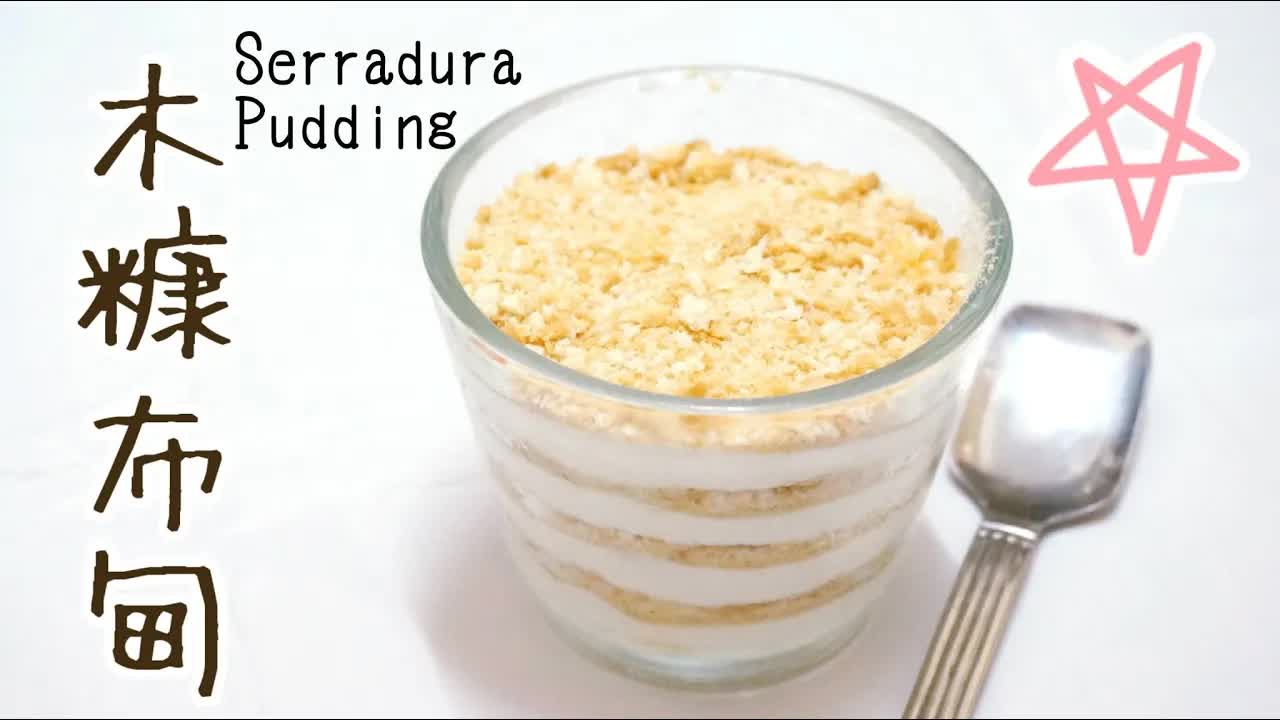


Od Happy Amy na YouTube. Obejrzyj oryginał
木糠布甸 literally means “sawdust pudding”: layers of cream and crushed biscuit that look like fine wood shavings.
木糠布甸 (muk6 hong1 bou3 din1) literally means “sawdust pudding”. 木糠 is sawdust, and in this dessert it stands for the crushed Marie biscuit crumbs layered with whipped cream, then chilled. 布甸 is Cantonese for “pudding”, borrowed from the English word. So a dessert with no wood in it gets a name that describes how the crumbs look.
In the clip, Amy crushes biscuits in a bag and builds the layers in a cup, then says the result is 層層分明 (cung4 cung4 fan1 ming4), “every layer clearly separate”. Hong Kong and Macau both use the name; Chinese Wikipedia calls the dessert Portuguese in origin and best known in Macau, and the Portuguese name serradura also means sawdust. Spot the pattern: Cantonese often names food by what it looks like, and 布甸 turns up in other desserts too, such as 芒果布甸 (mango pudding).
Więcej takich klipów



Ucz się z prawdziwych filmów
Tysiące klipów takich jak ten, dopasowanych do twojego poziomu w trakcie oglądania.