Luyện nghe Bulgarian · A1 · Người mới
What does “не ми се тръгва” mean in Bulgarian?
Днес мама ми разреши да играя с пясък
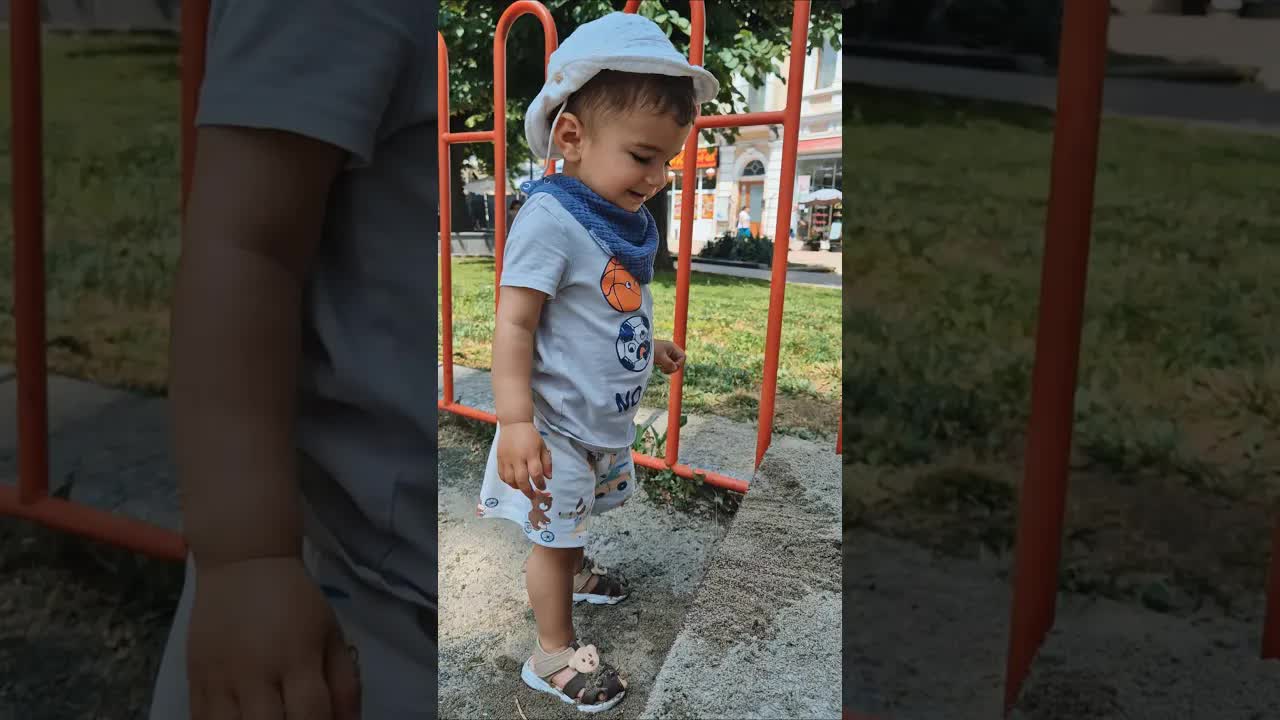


Từ Mama Mili trên YouTube. Xem bản gốc
Bulgarian says “I didn’t feel like leaving” as “it didn’t leave itself to me”: не ми се тръгваше.
Bulgarian has no “I don’t feel like it” verb. It uses ми се plus a verb, and the feeling happens to you: спи ми се means “I feel like sleeping”, не ми се тръгва means “I don’t feel like leaving”. The person is in the dative (ми), the verb stays in the third person singular, and the tense shows when the feeling was there.
The child in the clip says “Не ми се тръгваше, ама тя ми обеща…” (“I didn’t want to leave, but she promised me…”). Тръгваше is the past (imperfect) form, so it describes a lasting mood, not a single moment. Swap the verb and the pattern works for anything: не ми се яде (I don’t feel like eating), не ми се говори (I don’t feel like talking). Change ми to ти, му, ѝ, ни, ви or им to say it about someone else.
Thêm clip tương tự
Какво обичат да ядат животните

Рожбо, пицата ти е празна!
Ванка се представя за всички роднини
Когато си останал с 20 евро и е ден за заплата
Защо рибите не говорят?
Смешна станция за следене на мръсния въздух
Học từ video thật
Hàng nghìn clip như clip này, phù hợp trình độ của bạn khi xem.