Luyện nghe Esperanto · B2 · Chủ đề khó cũng ổn
What do the suffixes “-ind-” and “-end-” mean in Esperanto?
Julie Spickler pri sia sperto en Esperantujo
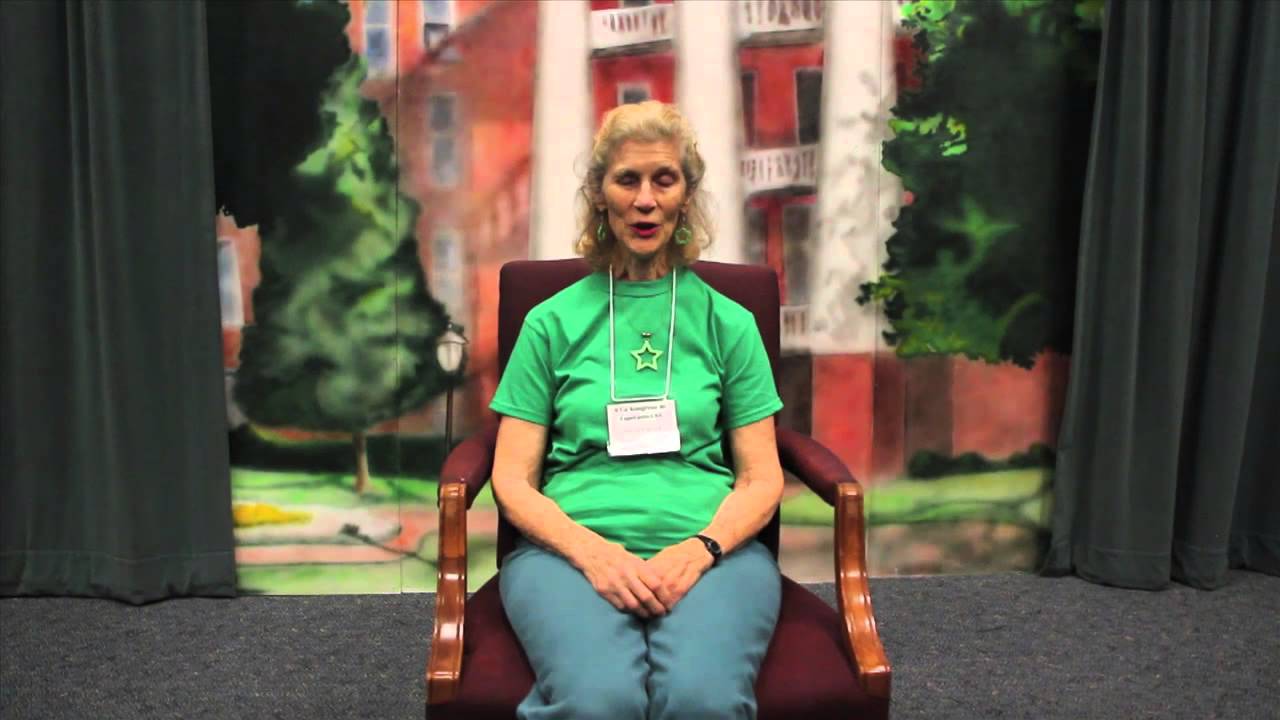


Từ Esperanto USA trên YouTube. Xem bản gốc
Fari + -inda = worth doing; fari + -enda = must be done. Two small suffixes, two very different meanings.
Esperanto has two near-twin suffixes that turn a verb into an adjective. -ind- means “worthy of being”: laŭdi (praise) becomes laŭdinda (praiseworthy), ami becomes aminda (lovable). -end- means “that has to be”: pagi (pay) becomes pagenda (payable, to be paid). One vowel apart, the gap is between deserving something and being obliged to do it.
The speaker uses both back to back about learning Esperanto: “interesa kaj farinda, eĉ eble farenda por mi”. Farinda is worth doing; farenda is something that should be done. She is raising the stakes with a single vowel. Other examples: memorinda (memorable), fidinda (trustworthy), evitenda (to be avoided), solvenda (to be solved).
Thêm clip tương tự
Tomaso pri la paŭzo de Evildea kaj Patreon-ĉefaj novaĵoj
Mia unua IJK: Tago 1 en Eŭropo

La plej malfacile komprenebla libro en Esperanto
IJK Kongresa Fina Tago kaj Intervjuoj
Vivresumo - Mikaelo Bronŝtejn

Kara Diana: Rakonto pri memoroj kaj rakontado
Học từ video thật
Hàng nghìn clip như clip này, phù hợp trình độ của bạn khi xem.