Práctica de escucha en árabe · C1 · Entiendo sin esfuerzo
What does “ما بيطيقه” mean in Levantine Arabic?
نسمات أيلول: مسلسل عائلي كوميدي سوري
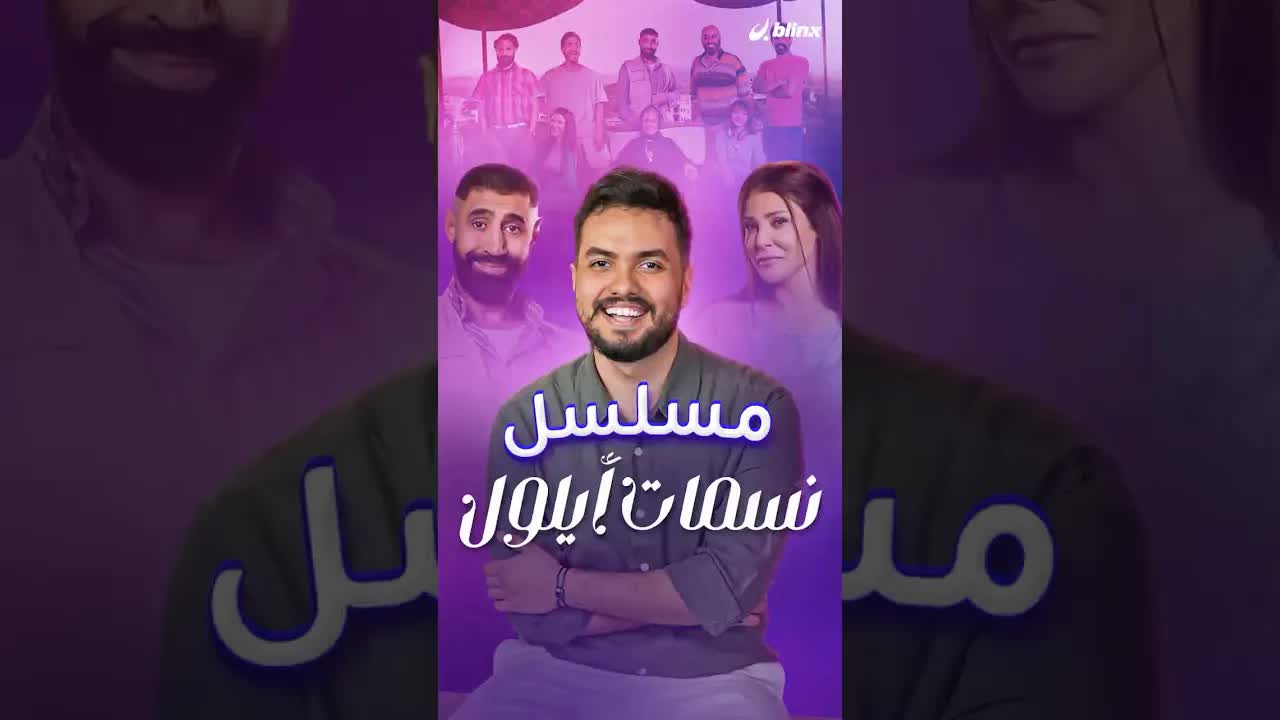


De blinx en YouTube. Ver original
In Levantine Arabic, “ما بيطيقه” means “can’t stand him”, from a verb that means to bear something.
Levantine Arabic has a handy way to say you can’t stand someone: ما بيطيقه (ma biṭīʔo). The verb is طاق, present بيطيق, “to endure, to bear”, and the negative turns it into “he can’t bear him”. It is stronger and more personal than “I don’t like him”, and the same verb works for things you can’t tolerate as well as people.
Forms: بطيق “I can stand”, ما بطيقه “I can’t stand him”, ما بطيقها “I can’t stand her”. The standard Arabic cousin is تحمّل, “to put up with”, which is the usual synonym given for طاق. The clip is a Syrian family comedy review. The grandmother’s nastiest relative is described as “غليظ وما حدا بيطيقه بالضيعة”, rude and “nobody in the village can stand him”, and then a pointed reply: “ستك بتطيقك”, “your grandmother can stand you”.
Más clips como este

التعريف بالنفس واستخدام هو وهي في العربي

توضيح ام سيف عن الفيديو والرحلة إلى سوريا

أنا بحب الرسم والحيوانات

غيرة على الواتساب وكهربجي وهمي
استقبال رسمي وتبادل تهاني العيد في أنقرة
