Pratica di ascolto in hindi · A2 · Basi solide
What does “chuhedani” mean in Hindi?
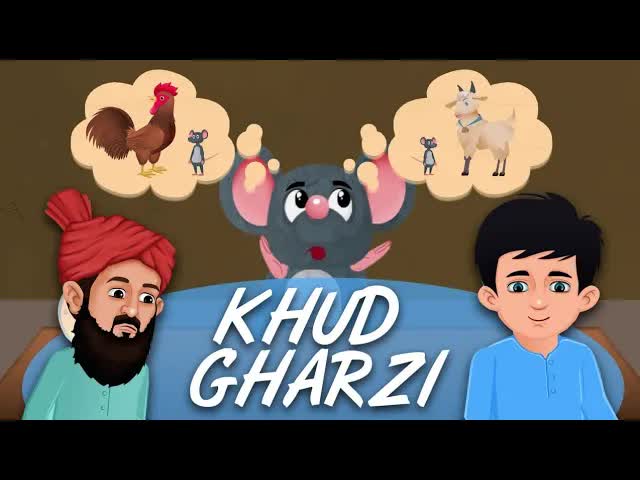
Selfish Mice and Goat Story Moral Lesson


Di Kids Madani Channel su YouTube. Guarda l’originale
“mousetrap”; literally a “mouse-holder,” from चूहा (mouse) + -दानी (container)
चूहेदानी is a mousetrap, and it is built like a sentence: चूहा (mouse) plus -दानी, a Persian suffix meaning “a holder or container for.” So a mousetrap is literally a mouse-holder. Learn that ending once and a whole shelf of household words opens up, from teapots to mosquito nets.
The same ending sits in चायदानी (teapot, a tea-holder), मच्छरदानी (mosquito net, a mosquito-holder that keeps them out), and words with the shorter form -दान: कूड़ेदान (rubbish bin), पीकदान (spittoon), क़लमदान (pen case). Platts lists dān as “an affix denoting the receptacle, place, or stand” for a thing. Notice also that चूहा changes to चूहे before the suffix, the same oblique form Hindi uses before postpositions. In this moral tale a mouse warns the rooster and the goat that a चूहेदानी has come into the house. They shrug it off, a snake gets caught in it instead, and both selfish friends pay the price.
Quanto sono comuni le parole di questa clip?
86%
delle parole rientra tra le 2.000 più comuni in hindi
Dalla nostra ricercaQuante parole servono per capire i video dei madrelingua?
Altre clip come questa

भारी खाने के बाद की नौकरी

दया की रोती विदाई और पति की दिलासा
फिल्म गदर की नकल से मैं अमीर कैसे बना

दादाजी की भूतिया गिनती वाली मजेदार कहानी

दोस्तों का मैजिक ट्रिक और किंडर जॉय डील
