네덜란드어 듣기 연습 · B2 · 어려운 주제도 끄떡없음
What does “superbedankt” mean in Dutch?
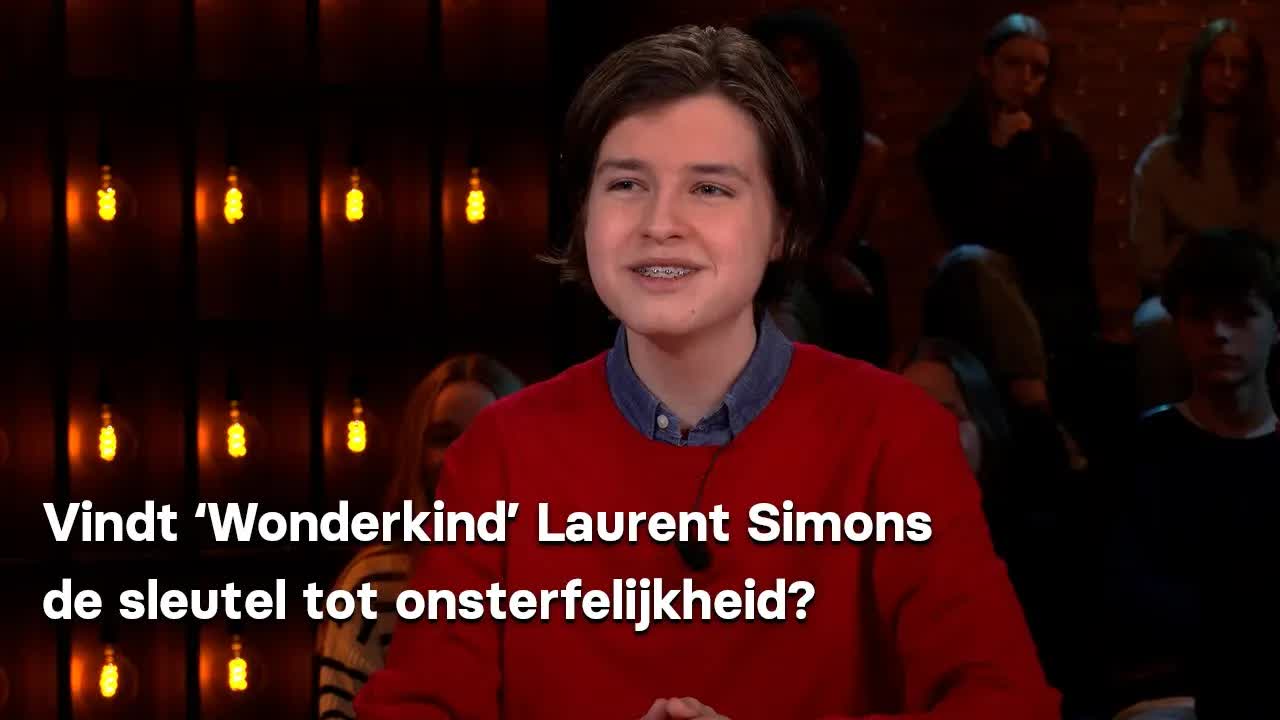
Laurent Simons over superhumans en onsterfelijkheid


RENZE · YouTube 원본 보기
Dutch “superbedankt” means “thanks so much”; literally “super-thanked”.
Superbedankt is how Dutch speakers say a warm, casual “thanks so much”: bedankt (“thanks”) with super- stuck on the front, the same booster you hear in superleuk or supergoed. Use it with friends, colleagues and anyone you would say je to. Listen to the tone, though: said flatly after someone has messed something up, superbedankt means “thanks for nothing”.
Dutch picks its thank-you by distance. Bedankt works almost anywhere. Dankjewel (or short dankje) is the warm everyday one for people you call je. Dank u wel is the most formal of the spoken thank-yous, for strangers, older people and anyone you call u. Hartelijk dank belongs in speeches, emails and letters. You can answer all of them with graag gedaan (“gladly done”). In this interview you hear two in a row: the host thanks his young guest with a breezy “Superbedankt”, and the teenager answers the way you answer adults on television, with a polite “Dank u wel”.
이럴 때 들을 수 있어요
- Bedankt: a polite “no thanks” in a phrase lesson for beginners, “Nee, bedankt”, and its stronger cousin hartstikke bedankt on a first date in the snow.
- Dankjewel: K3 thanking the crowd at the Canal Parade, and a quick “Dank je wel” in a street prank with a flower.
- Dank u wel: a driver stopped at a speed check, “Nee, nee, dank u wel”, polite to the police officer.
- Hartelijk dank: a creator thanking 10,000 followers, who adds that in Flanders people often just say merci.
이 클립의 단어는 얼마나 흔할까요?
94.2%
가 가장 흔한 네덜란드어 단어 2,000개 안에 들어요
Reelang 연구원어민 영상을 이해하려면 단어 몇 개가 필요할까?
비슷한 클립
Hoe ontstaat het gevoel van bijbehoren?
Leer Nederlands terwijl ik mijn kat scheer
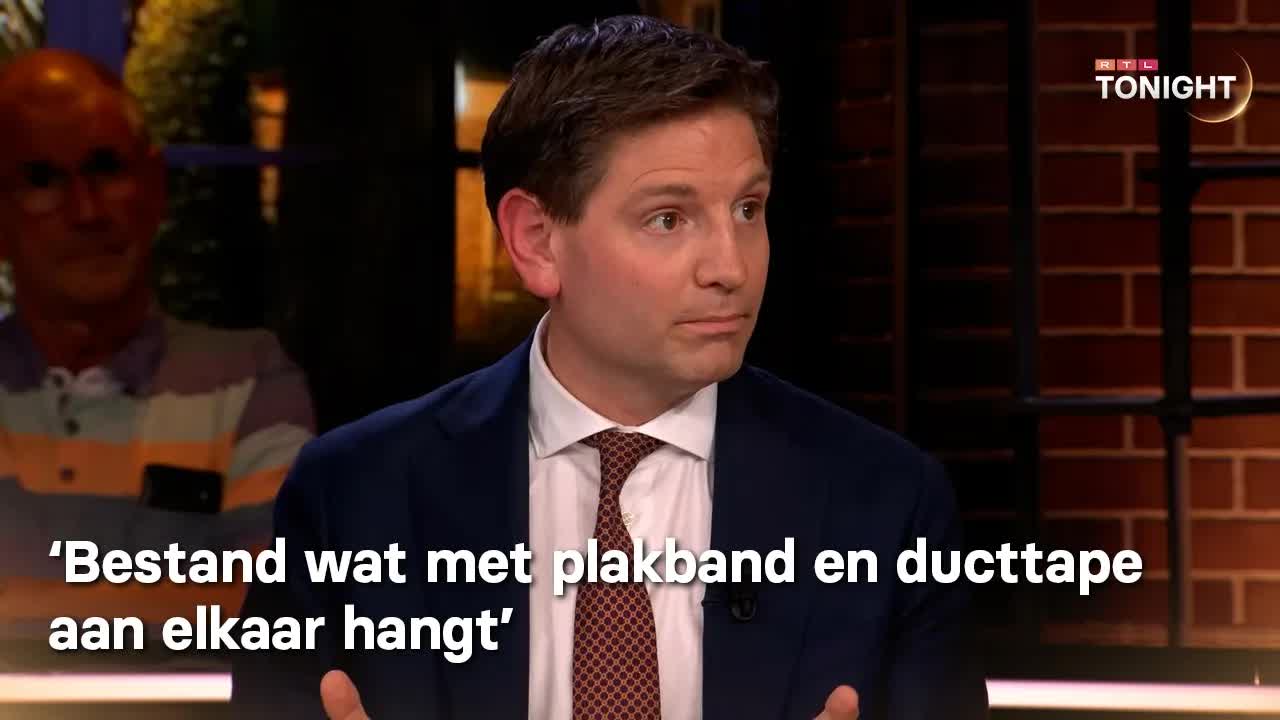
Spanningen in het Midden-Oosten en de rol van Nederland

Lotte, een podcast en een man met een jas
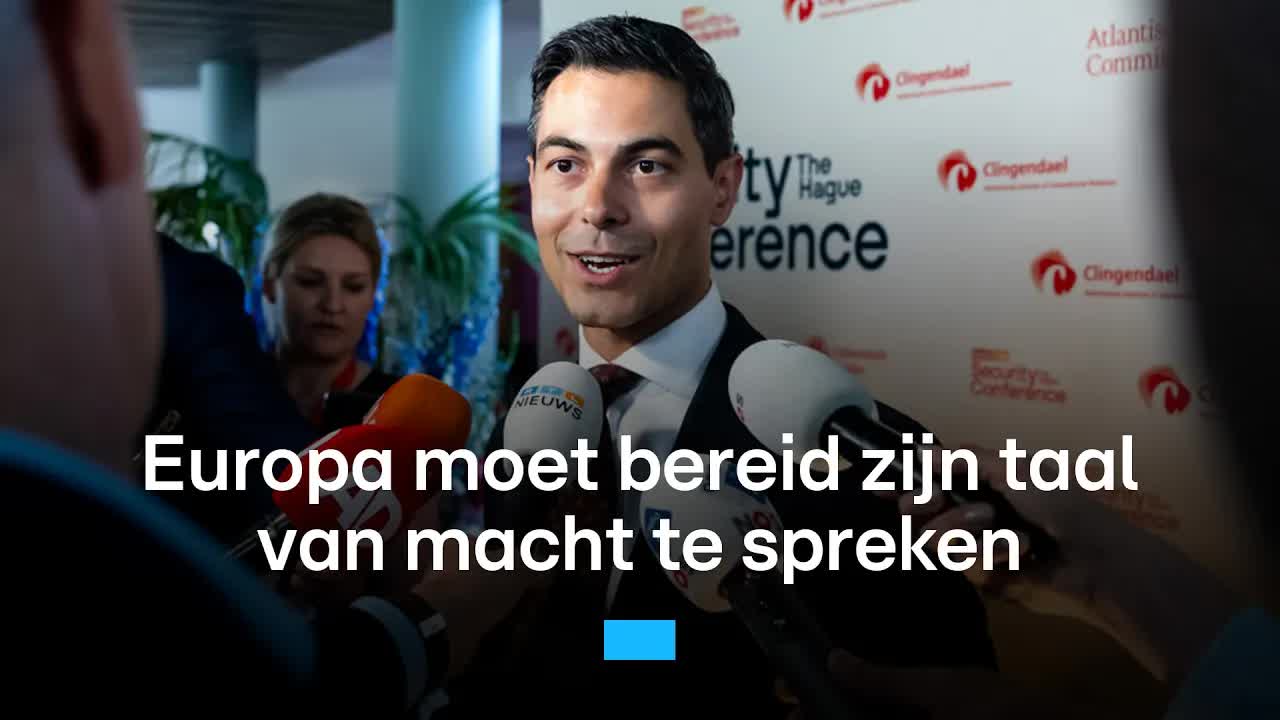
Jetten over Europa, Amerika en een veranderende wereldorde