Dutch listening practice · B2 · Upper-intermediate
What does “superbedankt” mean in Dutch?
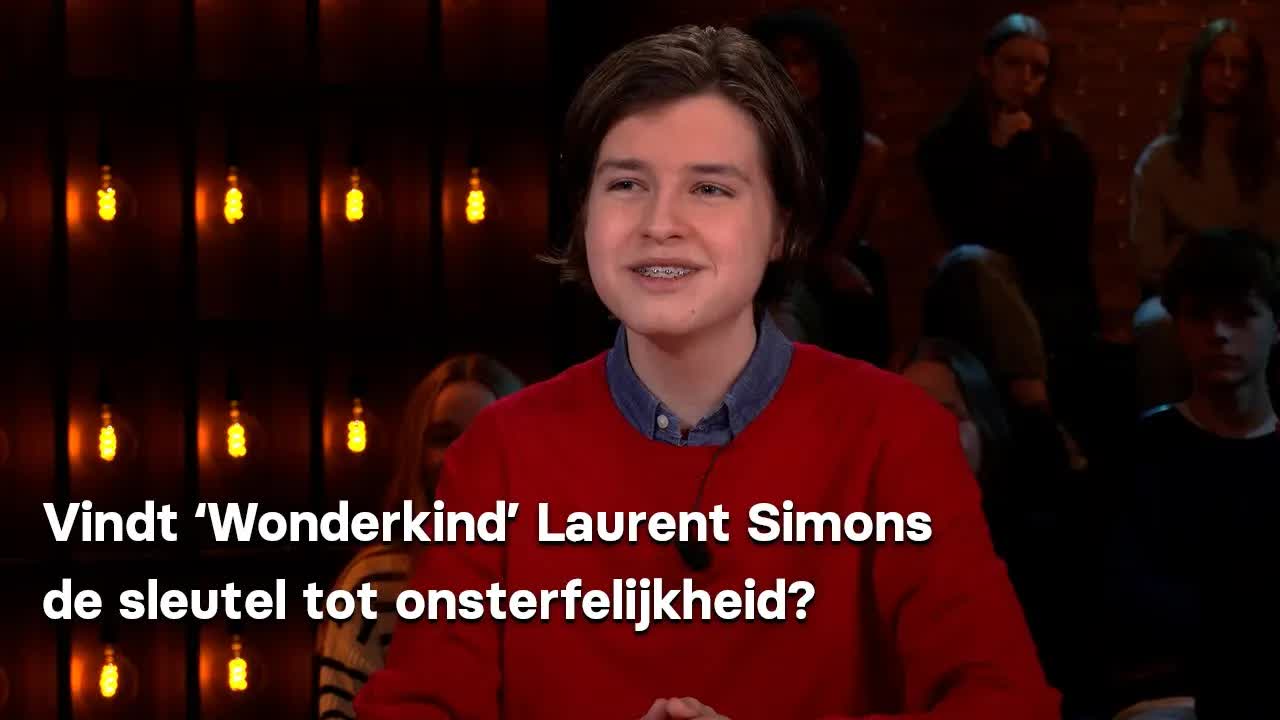
Laurent Simons over superhumans en onsterfelijkheid
In this clip you’ll learn 10 words, including door de regen heen (through the rain), komen rijden (come driving), and Superbedankt (thanks a lot).


From RENZE on YouTube. Watch original
Dutch “superbedankt” means “thanks so much”; literally “super-thanked”.
Superbedankt is how Dutch speakers say a warm, casual “thanks so much”: bedankt (“thanks”) with super- stuck on the front, the same booster you hear in superleuk or supergoed. Use it with friends, colleagues and anyone you would say je to. Listen to the tone, though: said flatly after someone has messed something up, superbedankt means “thanks for nothing”.
Dutch picks its thank-you by distance. Bedankt works almost anywhere. Dankjewel (or short dankje) is the warm everyday one for people you call je. Dank u wel is the most formal of the spoken thank-yous, for strangers, older people and anyone you call u. Hartelijk dank belongs in speeches, emails and letters. You can answer all of them with graag gedaan (“gladly done”). In this interview you hear two in a row: the host thanks his young guest with a breezy “Superbedankt”, and the teenager answers the way you answer adults on television, with a polite “Dank u wel”.
Where you’ll hear this
- Bedankt: a polite “no thanks” in a phrase lesson for beginners, “Nee, bedankt”, and its stronger cousin hartstikke bedankt on a first date in the snow.
- Dankjewel: K3 thanking the crowd at the Canal Parade, and a quick “Dank je wel” in a street prank with a flower.
- Dank u wel: a driver stopped at a speed check, “Nee, nee, dank u wel”, polite to the police officer.
- Hartelijk dank: a creator thanking 10,000 followers, who adds that in Flanders people often just say merci.
Words you’ll learn in this clip
Each word with what it means in this clip and the line it is said in.
- ▶ 0:07Phrasedoor de regen heenthrough the rain
“Je bent met je ouders binnen je uit Antwerpen komen rijden door de regen heen om hier te zitten aan tafel met ons. Superbedankt.”
- ▶ 0:07Phrasekomen rijdencome driving
“Je bent met je ouders binnen je uit Antwerpen komen rijden door de regen heen om hier te zitten aan tafel met ons. Superbedankt.”
- ▶ 0:07A rarer word, outside the 5,000 most commonSuperbedanktthanks a lot
“Je bent met je ouders binnen je uit Antwerpen komen rijden door de regen heen om hier te zitten aan tafel met ons. Superbedankt.”
A very strong way to thank someone for making the effort to come.
Looked up by Tom - ▶ 0:14PhraseDank u welthank you
“Dank u wel voor om mij te inviten.”
Looked up by Tom - ▶ 0:14A rarer word, outside the 5,000 most commoninviteninvite
“Dank u wel voor om mij te inviten.”
- ▶ 0:36One of the 2,000 most common wordshèright?
“Wij zijn natuurlijk ook gefascineerd door jezelf, hè.”
- ▶ 0:36A rarer word, outside the 5,000 most commongefascineerdfascinated
“Wij zijn natuurlijk ook gefascineerd door jezelf, hè.”
Looked up by Tom - ▶ 1:00One of the 5,000 most common wordsnaartoetowards it
“Oftewel op een biologische manier natuurlijk, daar is heel veel onderzoek naartoe.”
- ▶ 1:00One of the 5,000 most common wordsOftewelin other words
“Oftewel op een biologische manier natuurlijk, daar is heel veel onderzoek naartoe.”
- ▶ 1:00One of the 5,000 most common wordsbiologischebiological
“Oftewel op een biologische manier natuurlijk, daar is heel veel onderzoek naartoe.”

How common are the words in this clip?
94.2%
of words are in the top 2,000 most common Dutch words
From our researchHow many words do you need to understand native videos?
More clips like this
Hoe ontstaat het gevoel van bijbehoren?
Leer Nederlands terwijl ik mijn kat scheer
Spanningen in het Midden-Oosten en de rol van Nederland

Lotte, een podcast en een man met een jas
Jetten over Europa, Amerika en een veranderende wereldorde