Free Finnish learning app
Finnish learning that doesn’t feel like studying
Real native Finnish videos at your level.
Reelang is a Finnish learning app built on real native-speaker videos, graded to your level. Learn from the TikToks, Reels and YouTube videos people actually watch, and your feed adjusts as you watch.
Reelang starts you on easier Finnish clips and learns from what you follow, skip and look up, so every video sits just past what you already understand. No placement quiz, no signup to start.
5,209
Finnish videos
Focus Mode is exactly what I was hoping for. The guided language learning approach makes it much easier to know what to do next and removes a lot of the friction. I also love the Learner Insights, Smart Subtitles and Expressions.

Level
Speed
Topic
Recommended Finnish videos
Showing 24 of 4,063 videos


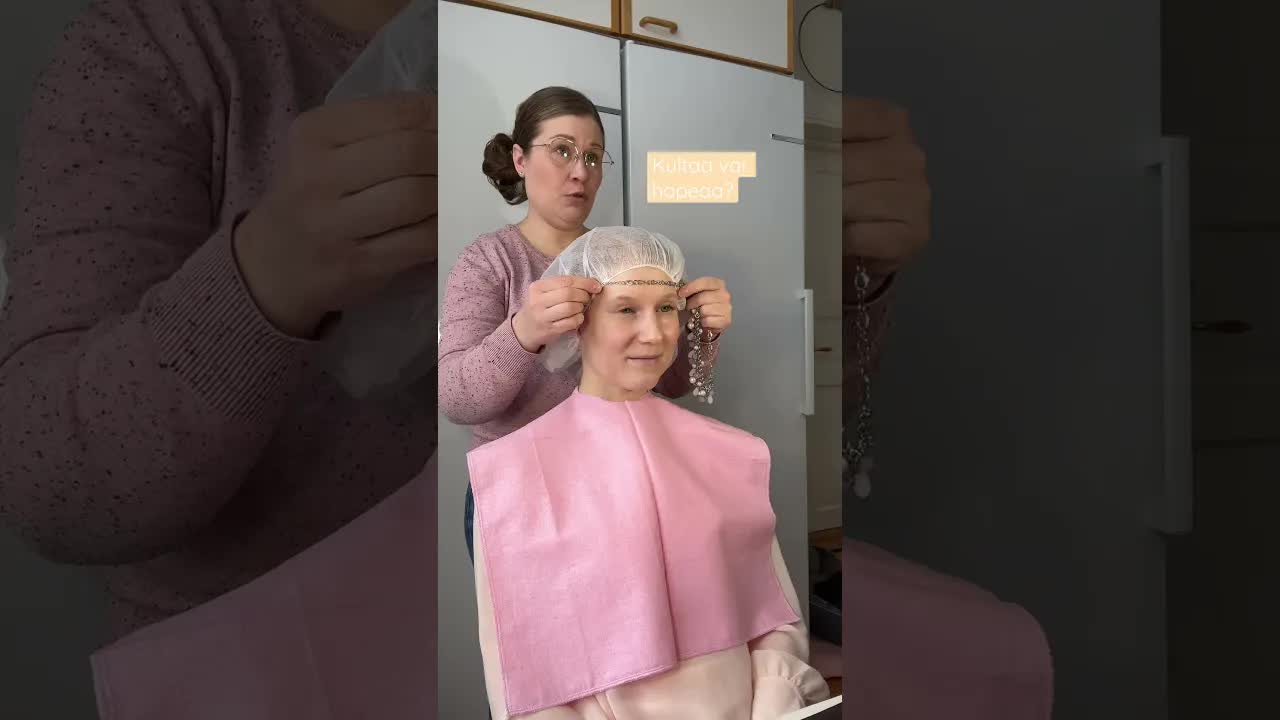





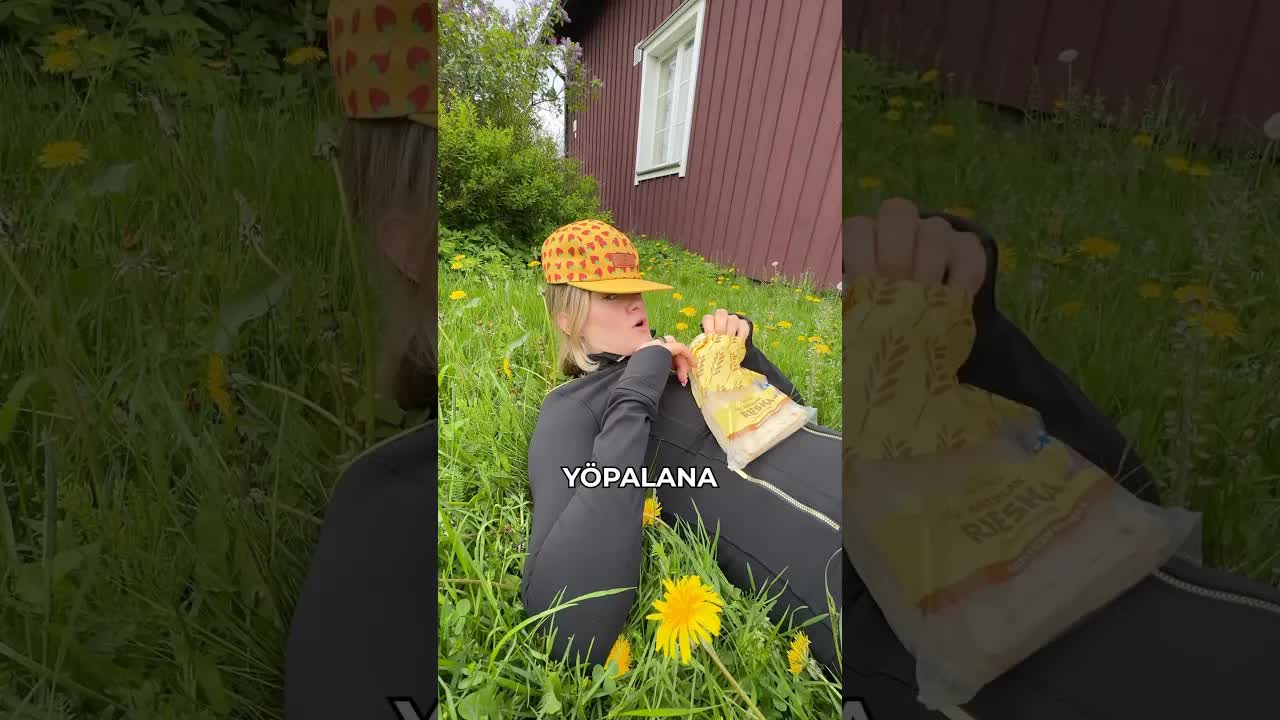
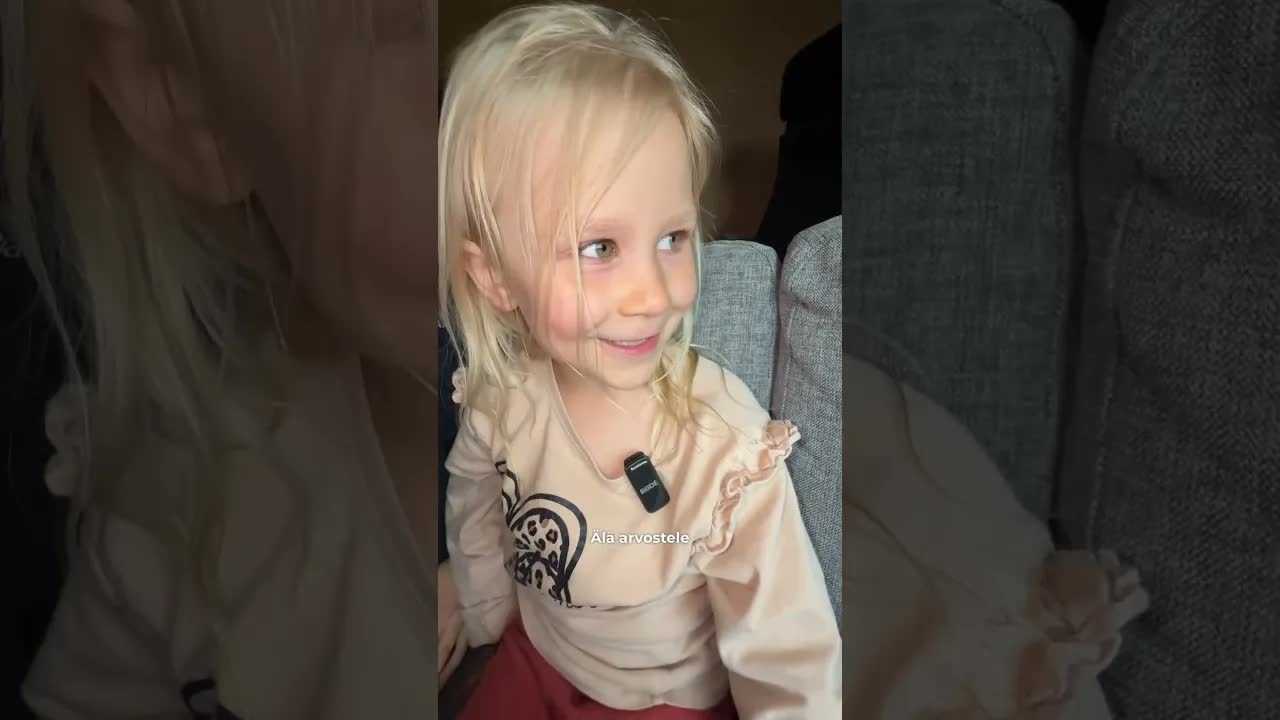



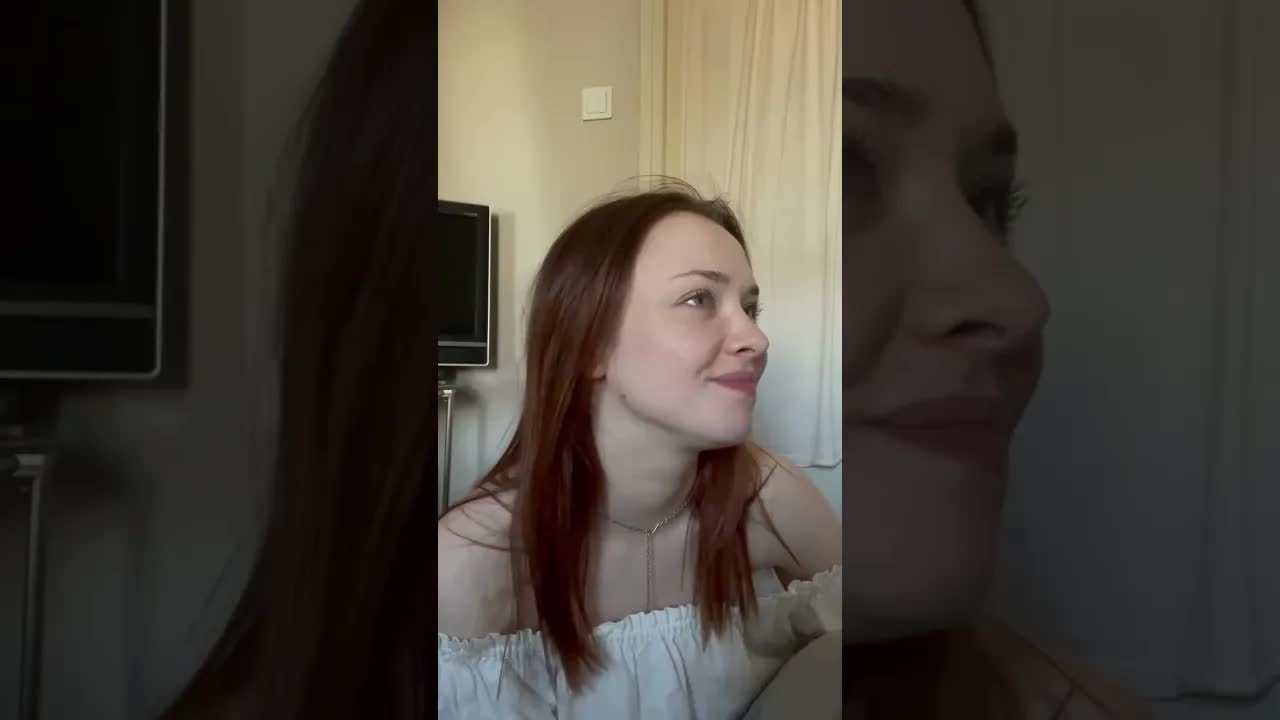


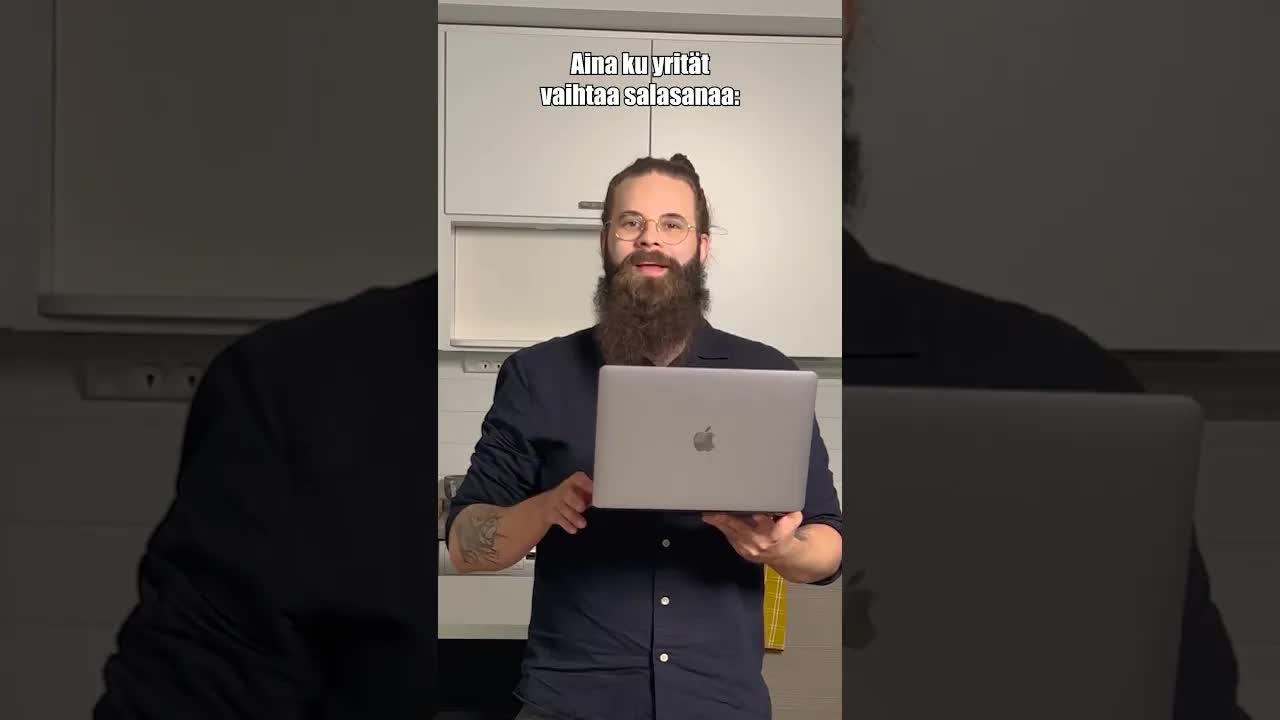



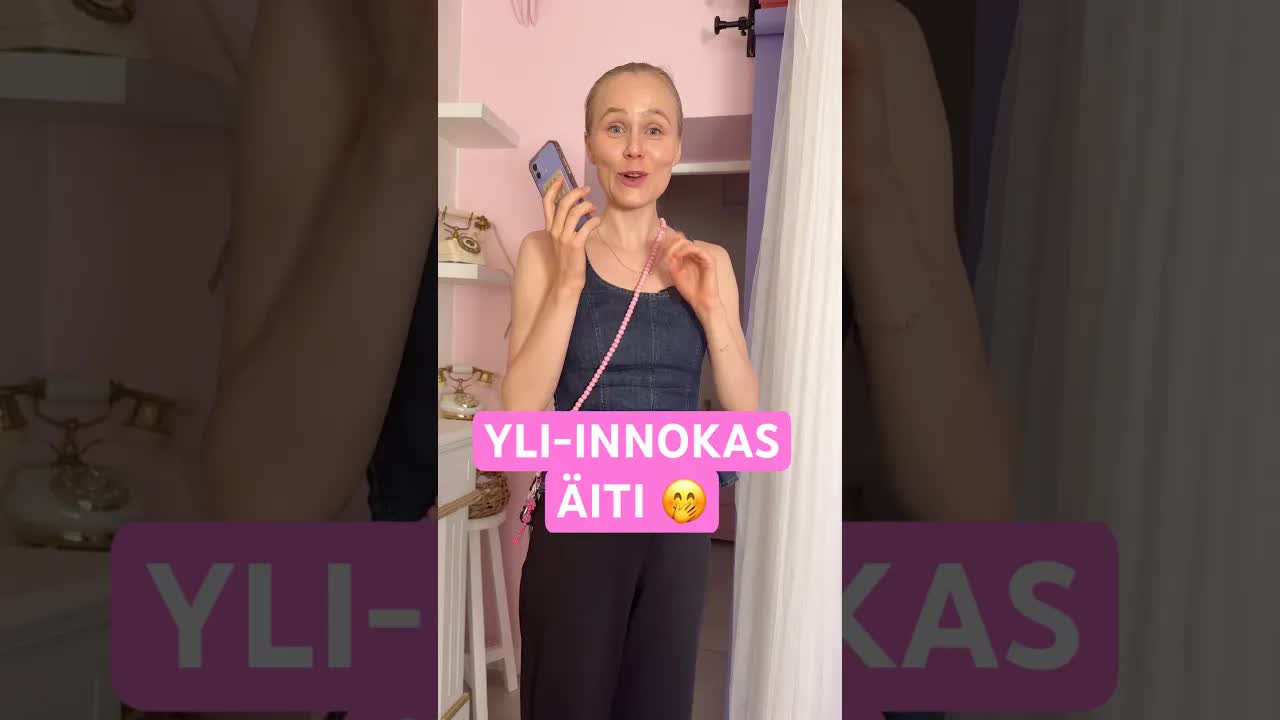

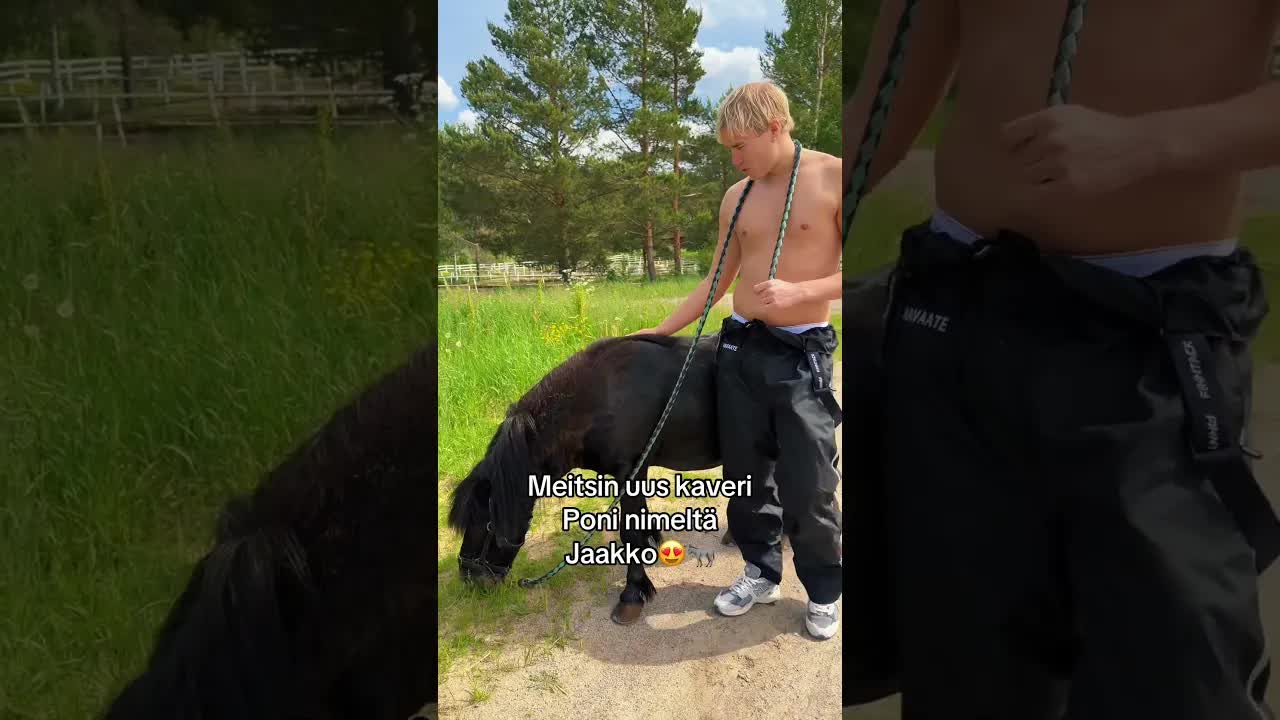













Is Reelang the best app to learn Finnish?
It depends on where you are. If you’re starting from zero, a structured course or a textbook is a good first step. Once you know the basics, from about A2, the hard part is understanding real people, and that’s what Reelang is for: real Finnish videos at your level, with help when you need it. You can use both.
- Real Finnish, not scripts: no actors and no textbook dialogues, just the way people actually talk.
- Always at your level: every clip is graded by level and speaking speed, and the feed adapts as you watch.
- Built for listening: most Finnish apps teach words and grammar drills. Reelang trains your ear on real conversations.
Finnish videos by level
Find Finnish videos at your level, then stretch upward as spoken forms, shortened pronouns, and dropped endings start to feel ordinary.
Finnish videos by topic
Explore real Finnish by subject, situation, and learner interest, from daily life, food, and family to culture, humor, and work.
How it works
Questions about learning Finnish with Reelang
What is the best app to learn Finnish with real videos?
Reelang is built for it: a free feed of real Finnish videos from native speakers, graded by level, speaking speed and accent, that adapts as you watch.
How does Reelang figure out my level?
It starts you on easier clips and adjusts from what you follow, skip and look up. There’s no placement quiz.
What is the Reelang Finnish video feed?
A TikTok-style feed of real Finnish videos from native speakers, graded by level and speaking speed and tagged by accent. It learns from how you watch and keeps serving clips at your level.
What is comprehensible input?
Comprehensible input is Finnish you can mostly understand, with a little that’s new. Linguist Stephen Krashen argued it’s how we acquire languages, and it’s the idea Reelang is built on.
Reelang takes it a step further with word frequency. It ranks every word in every video by how often it’s used in everyday Finnish, and keeps track of which words you already know. So instead of videos that are only roughly your level, your feed picks the ones made of words you know, plus the most frequent words you haven’t learned yet. Comprehensible input, made for you.
Does Reelang explain the words in each video?
Tap any word for its meaning. With Reelang+, Learner Insights also explain the culture, idioms and slang behind a clip.
A few Finnish words and phrases our explanations cover, from recent videos:
- Hyvää äitienpäivää: Happy Mother's Day (and the 'Hyvää …' well-wishing formula)
- mausta rohkeasti: 'season boldly' (maustaa = to season)
- kahvi: Coffee, the unofficial national drink of Finland
- festarit: festivals: Finnish youth shorthand for the summer's music-festival season, the year's main social event
- harjaus: "Brushing," the Finnish riding-school noun for the calming, ten-minute pre-ride grooming sequence
Why short videos from native speakers?
Short clips let you hear many more speakers, accents and situations in the same time, so your ear gets used to Finnish as people actually speak it.
How does Reelang know if a video is too fast or too hard?
Every clip is analysed for how it’s spoken, not just which words it uses: speaking speed in words per minute, how often the speaker pauses, how many words come out between pauses, and how much of the clip is speech. With its vocabulary level, that lets the feed match both what you know and how fast you can follow.
What if I don’t know a word?
Tap it to see the meaning. With Reelang+, you also get translations into your own language, and words you look up come back in new clips.
Which Finnish words should I focus on first?
The most common ones. Smart Subtitles show how common each word is, so you can tell which words are worth learning now.
Which levels does it cover?
Beginner (A1) to Advanced (C1). It works best from about A2 upward.
Do I need an account? Is it free?
The Finnish feed is free and you can start without signing up. Reelang+ adds a personalized feed, translations into your own language and words that come back in new clips.
How is Reelang different from a typical language app?
Most apps teach with drills and scripted audio. Reelang trains listening on real Finnish the way people actually speak it.
How much should I watch?
Little and often works best. A daily session you enjoy beats a long one you skip.
About this hub
About comprehensible input in Finnish
What is comprehensible input?
Comprehensible input is language you can mostly follow, with a small amount that is still new. The idea is often associated with Stephen Krashen: people acquire language by understanding meaningful messages, not only by memorizing rules in isolation. Finnish leans on it hard, because Finns have two registers that behave almost like two languages, and learners mostly meet only one of them.
Why real reels, not textbook dialogues
Textbook Finnish is the written form: tidy, fully inflected, every ending present. Spoken Finnish trims. Minä becomes mä, sinä becomes sä, verb endings shrink, and sentences shorten in ways a grammar book can describe but rarely puts on the page. Reelang uses unscripted short-form video from native speakers so that gap closes the natural way: through hearing the spoken form in the middle of an actual thought.
How to use this catalog
Start with your level, then choose a listening difficulty you can mostly follow. From there, browse by topic depending on what you want to work on. If the written form is comfortable and the spoken one is not, the gap closes by listening at a level you can stay inside. Pick topics that hold your attention; the endings and shortcuts become familiar faster than they look like they will.
Want a full roadmap? Read our guide to comprehensible input.