Free German learning app
German learning that doesn’t feel like studying
Real native German videos at your level.
Reelang is a German learning app built on real native-speaker videos, graded to your level. Learn from the TikToks, Reels and YouTube videos people actually watch in Germany, Austria and Switzerland, and your feed adjusts as you watch.
Reelang starts you on easier German clips and learns from what you follow, skip and look up, so every video sits just past what you already understand. No placement quiz, no signup to start.
34,452
German videos
5
Accents
Easily my favorite thing about the app is the variety of content. Reelang has shown me so much interesting content from the 90s and earlier that I wouldn’t have discovered otherwise unless it was recommended to me by a friend or YouTube. Tracking my hours and progress is great. Seeing numbers and graphs that show my progress helps keep me motivated, especially when I’m feeling doubtful about the immersion approach to learning German. It works!!! In just 30 hours of Reelang, my ears have gotten better at understanding fast speech.
Accent
Level
Speed
Topic
Recommended German videos
Showing 24 of 16,579 videos





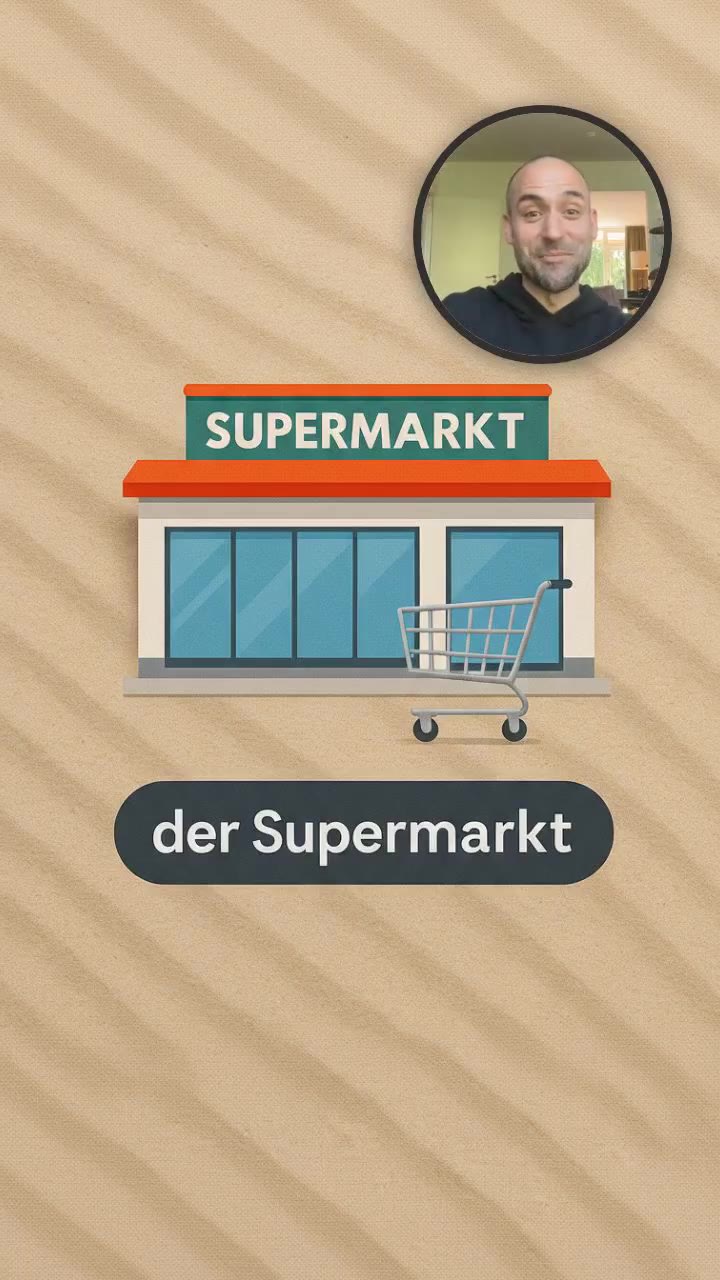

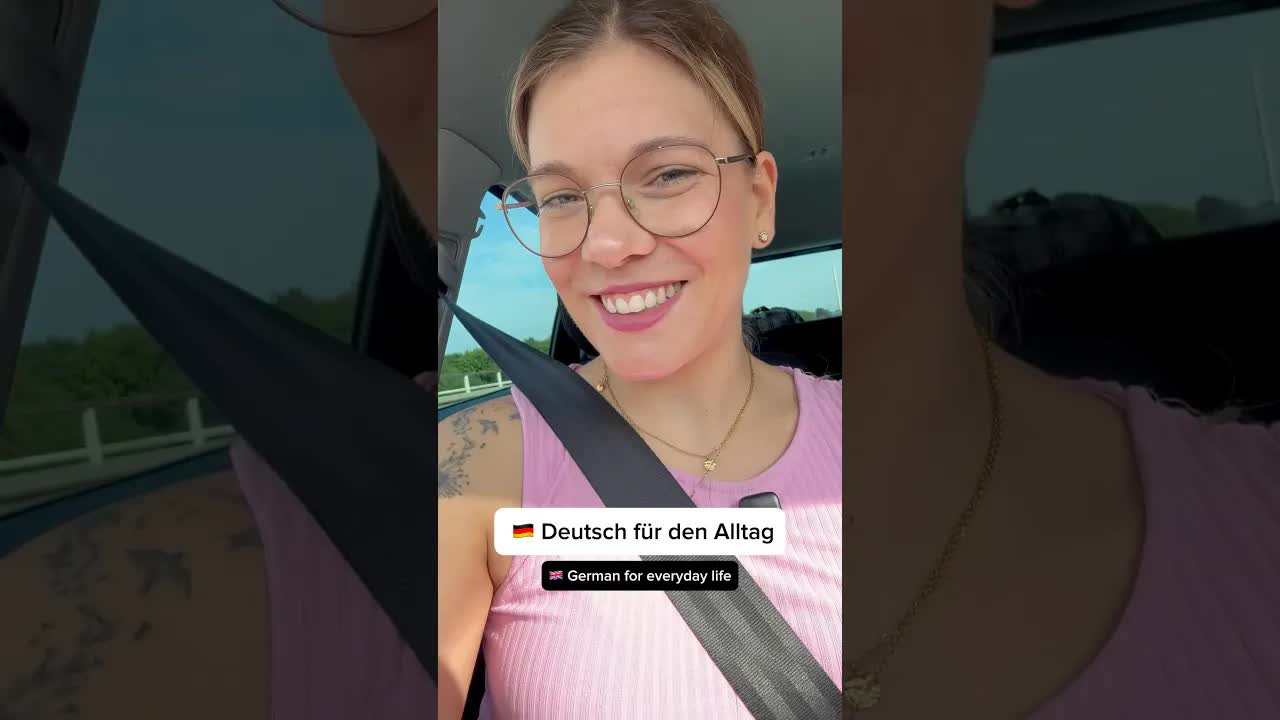


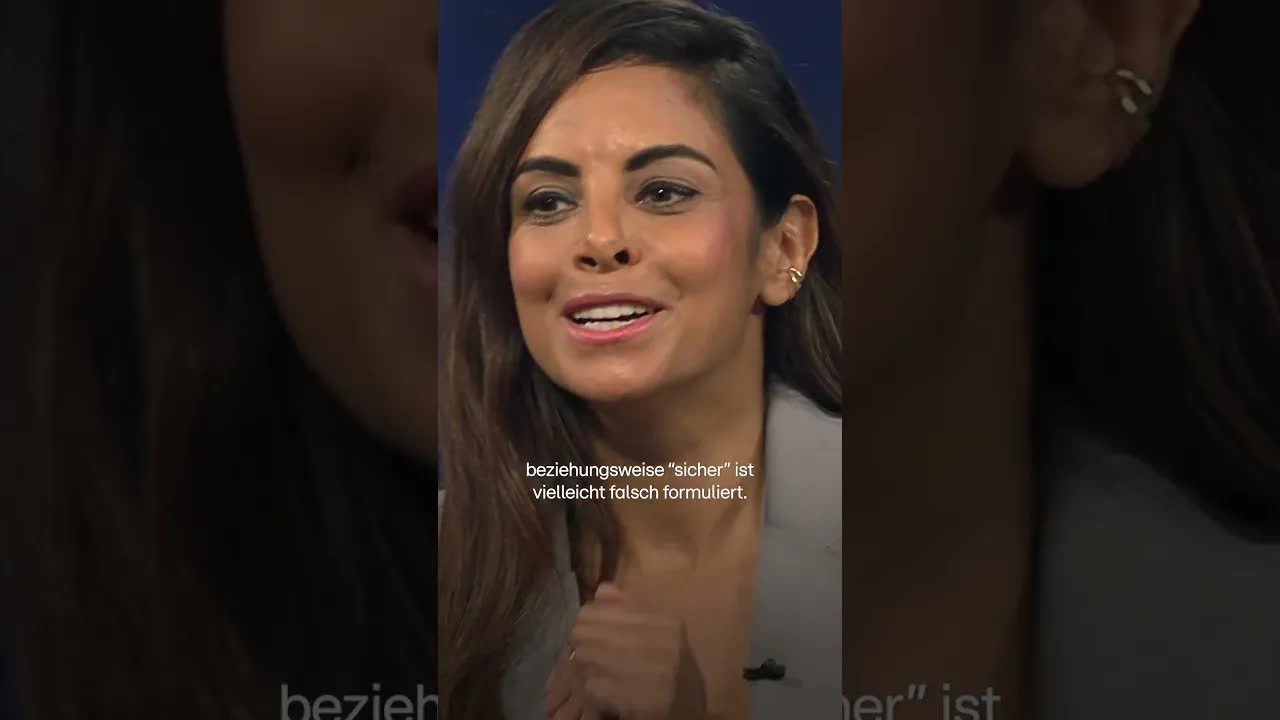

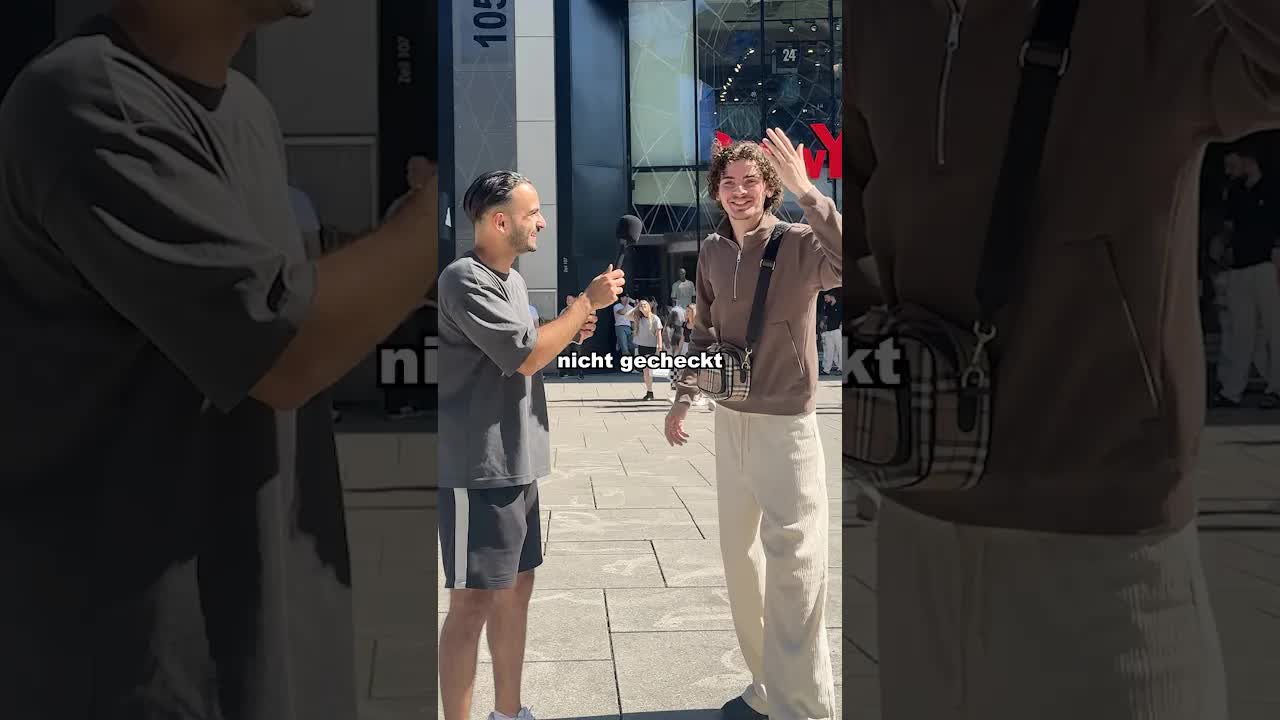
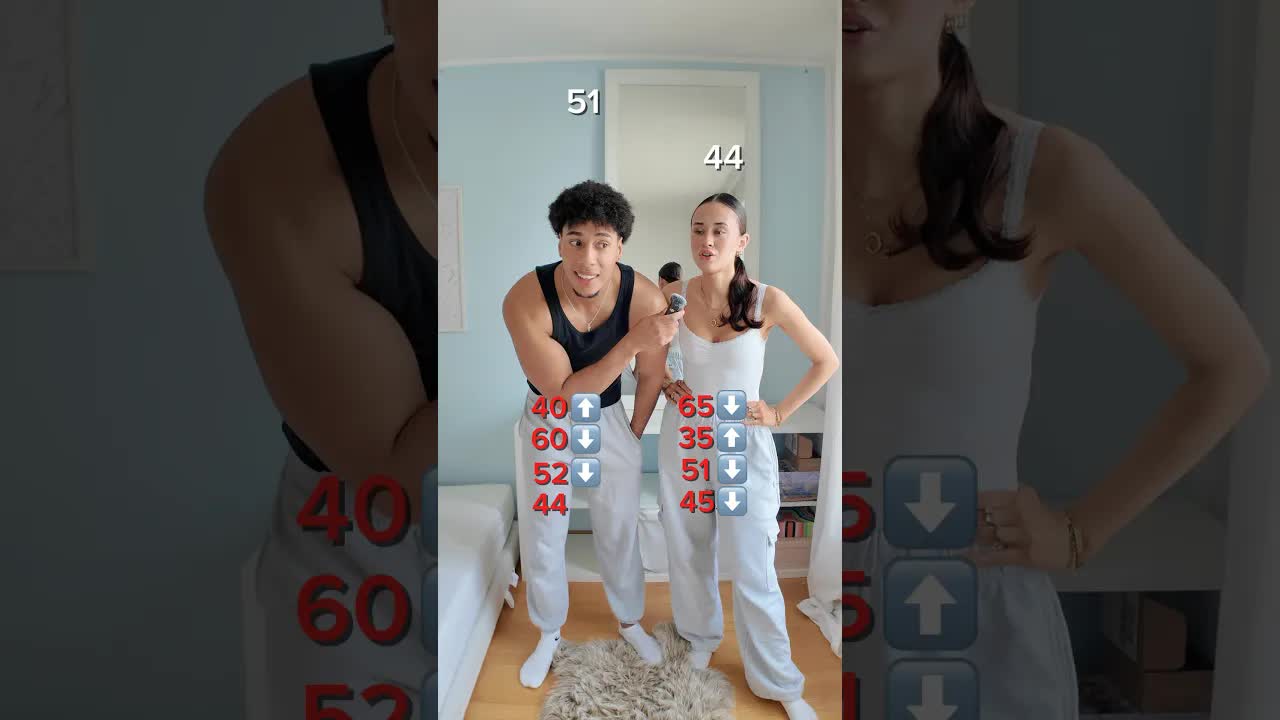
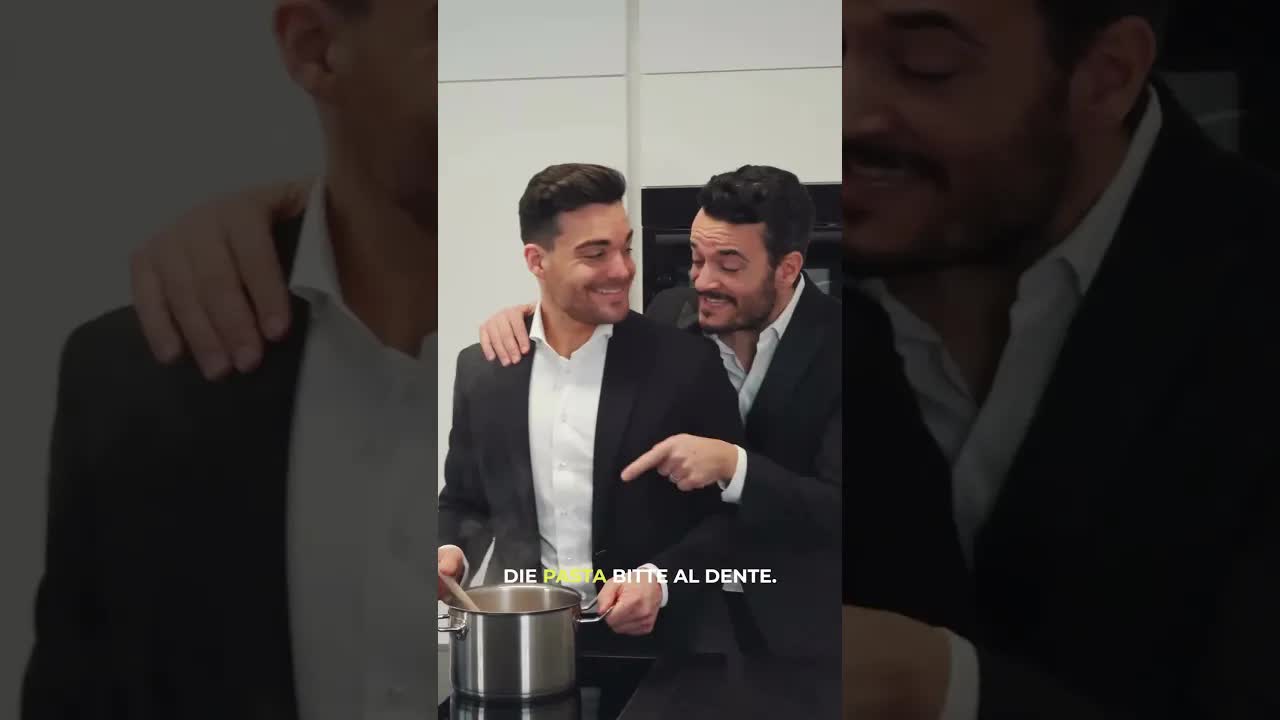
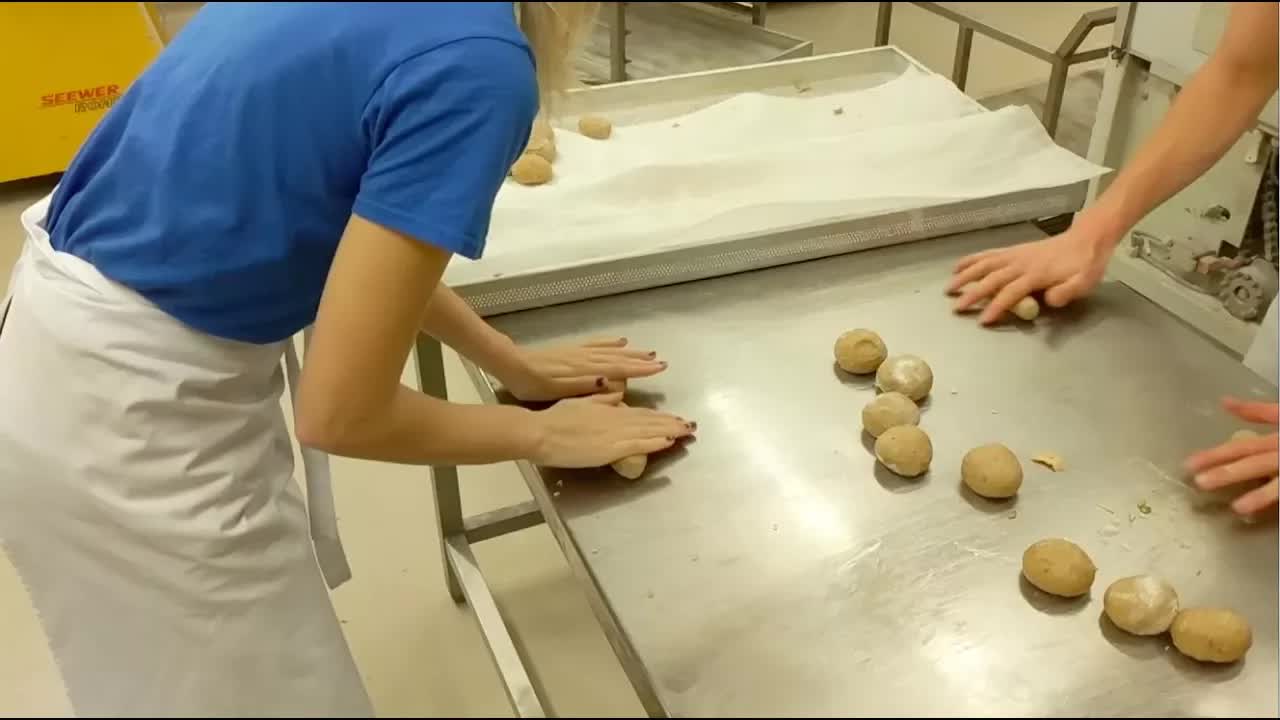
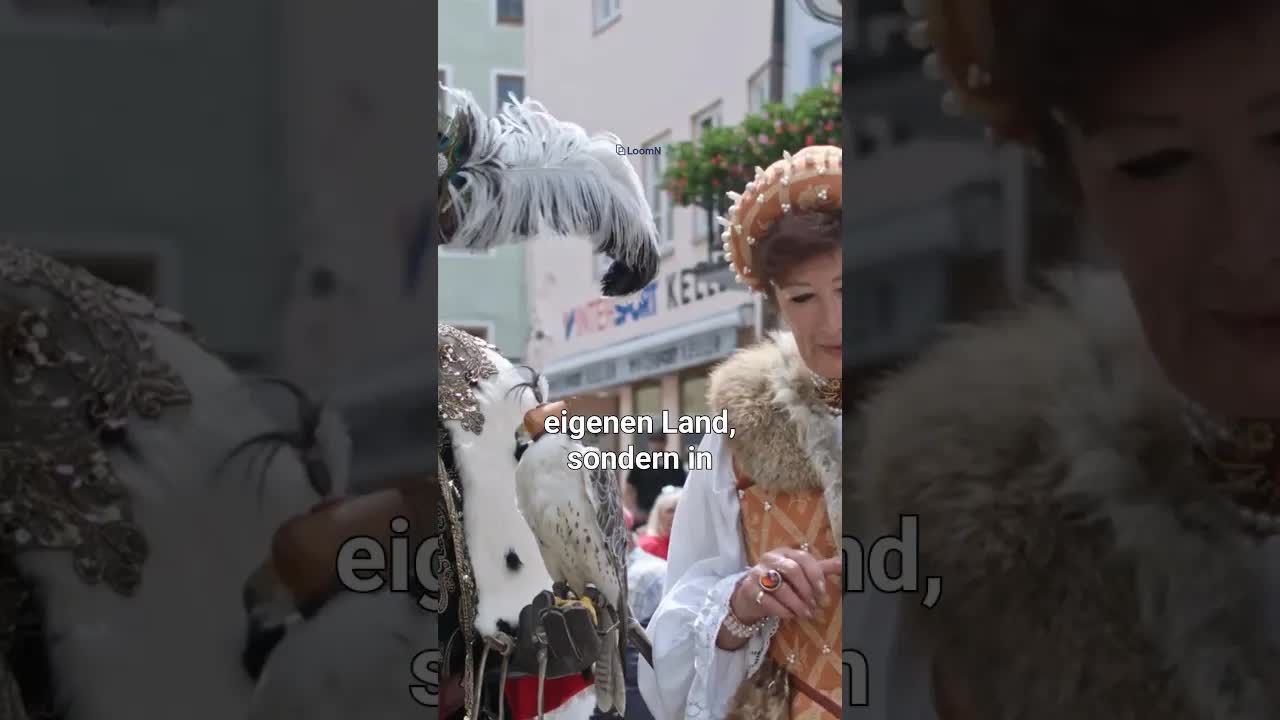


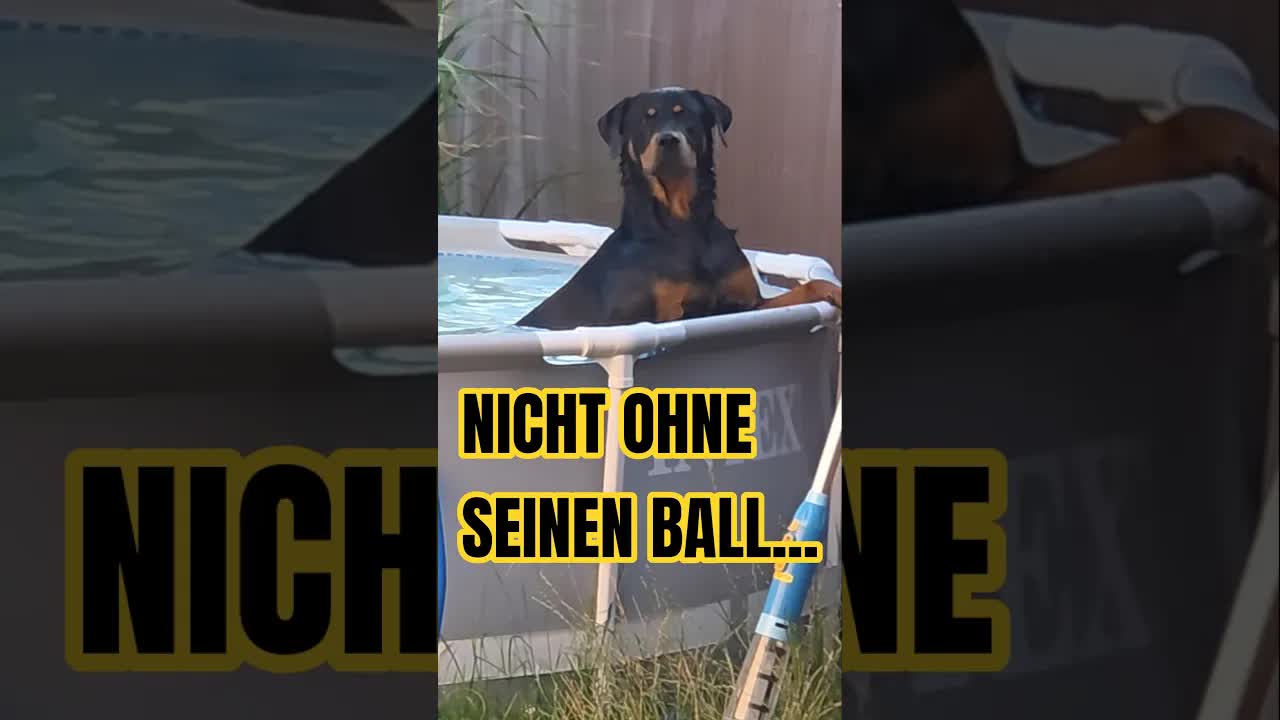
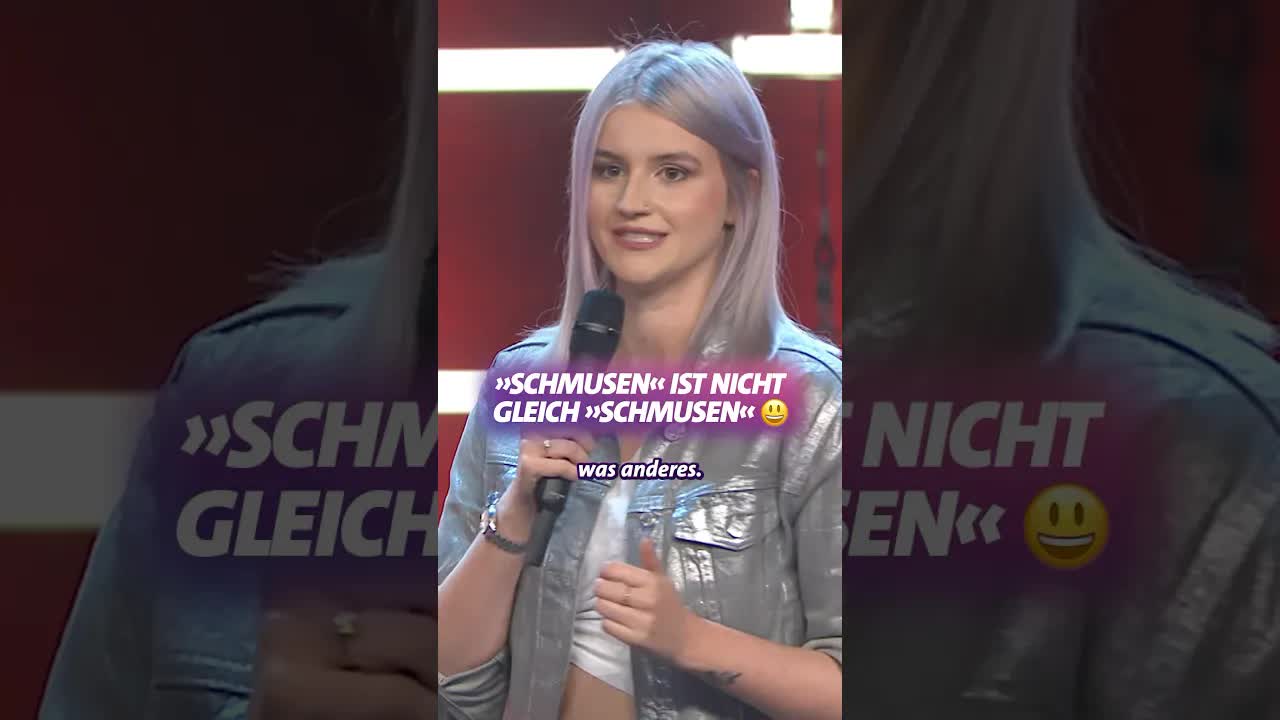
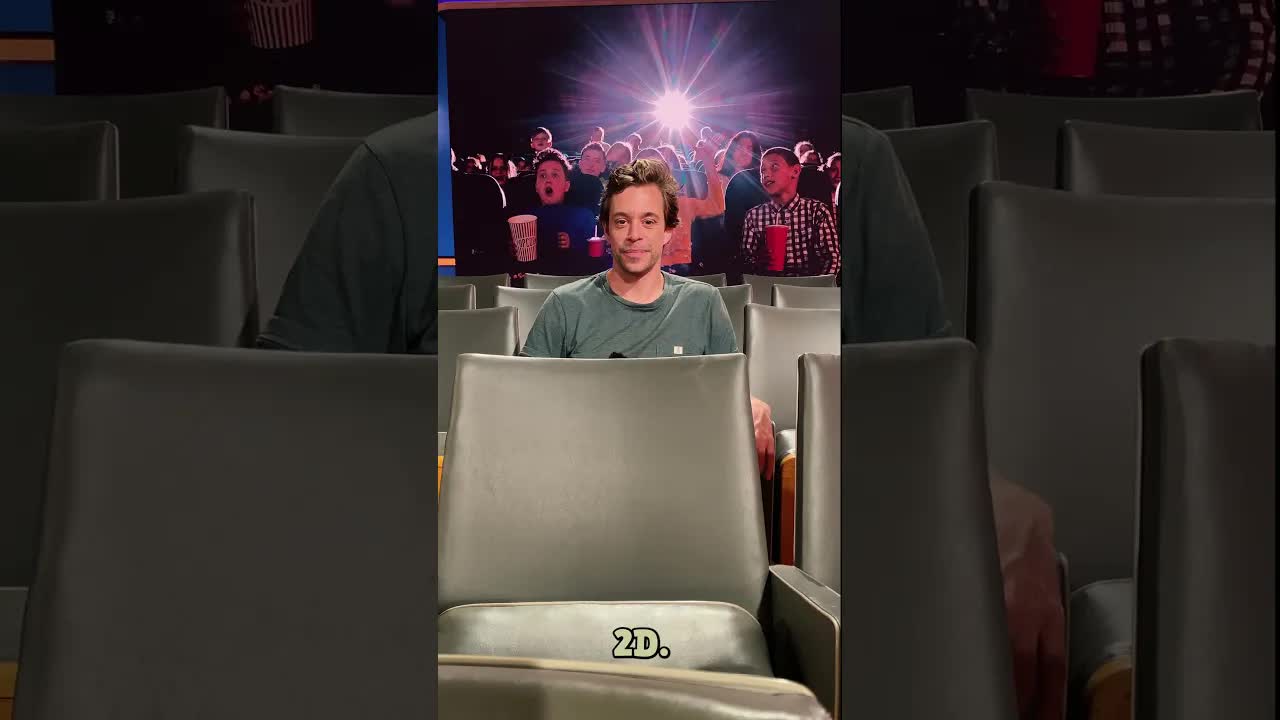

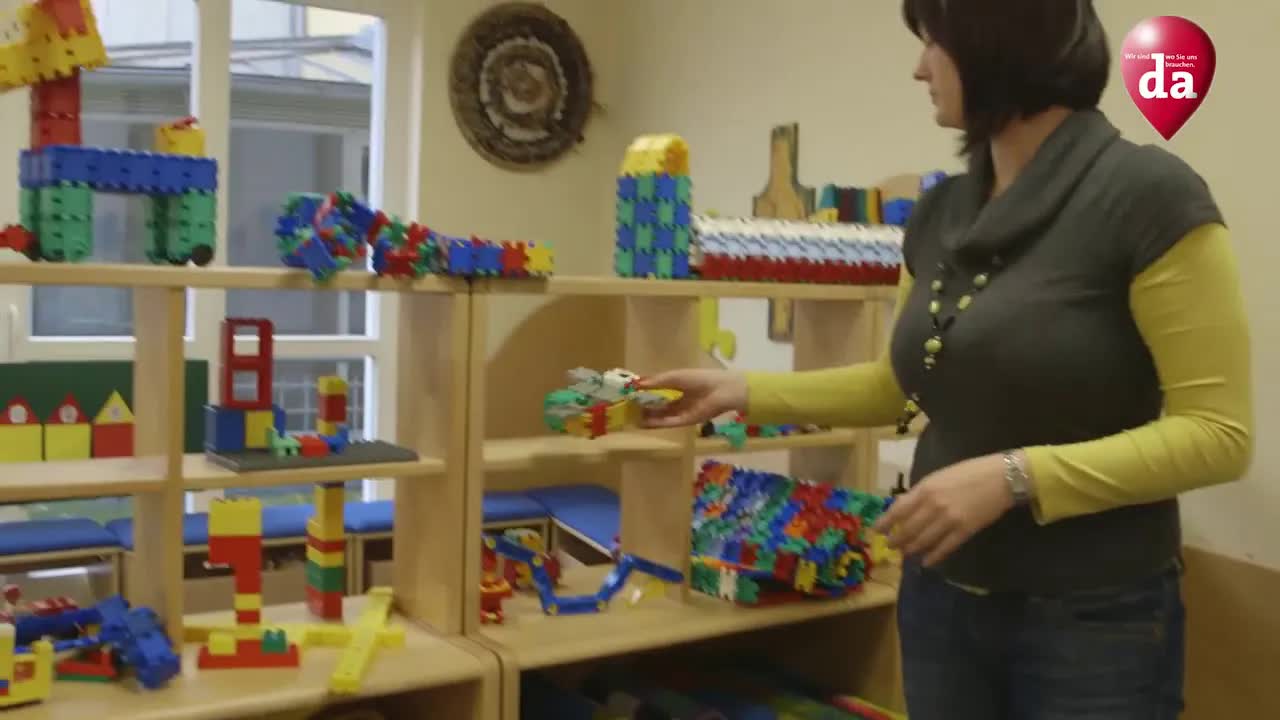
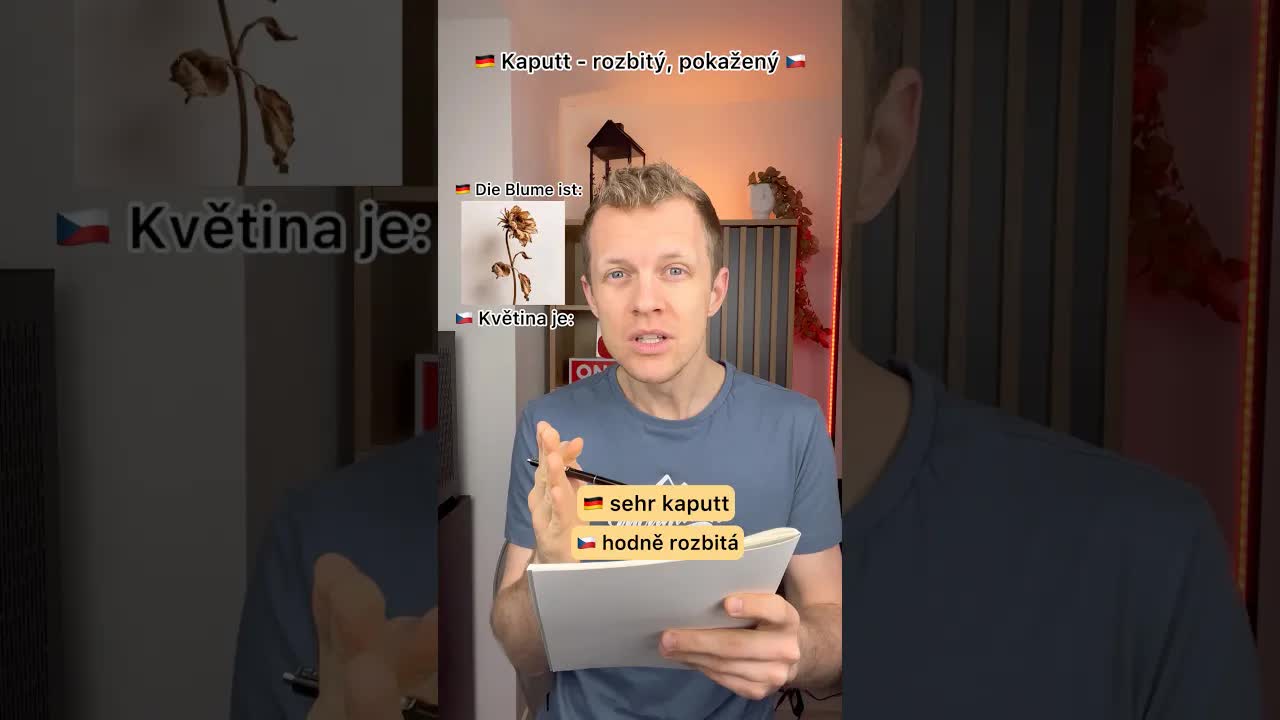




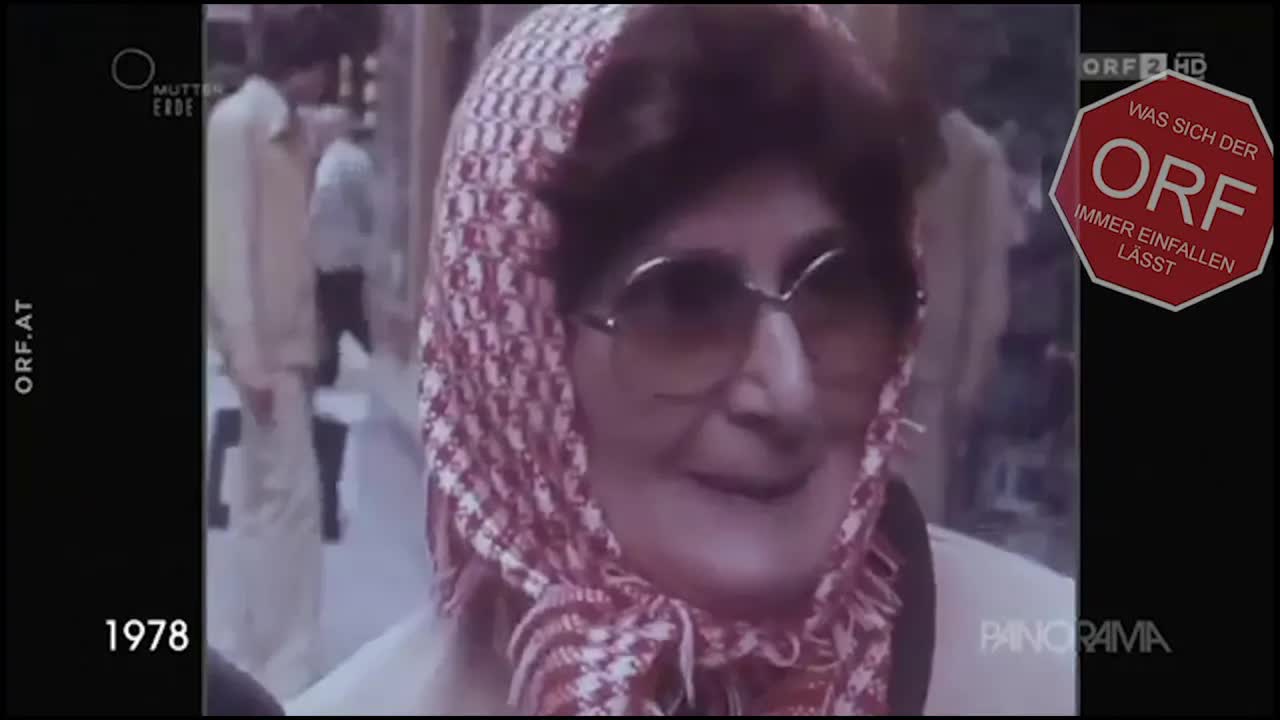


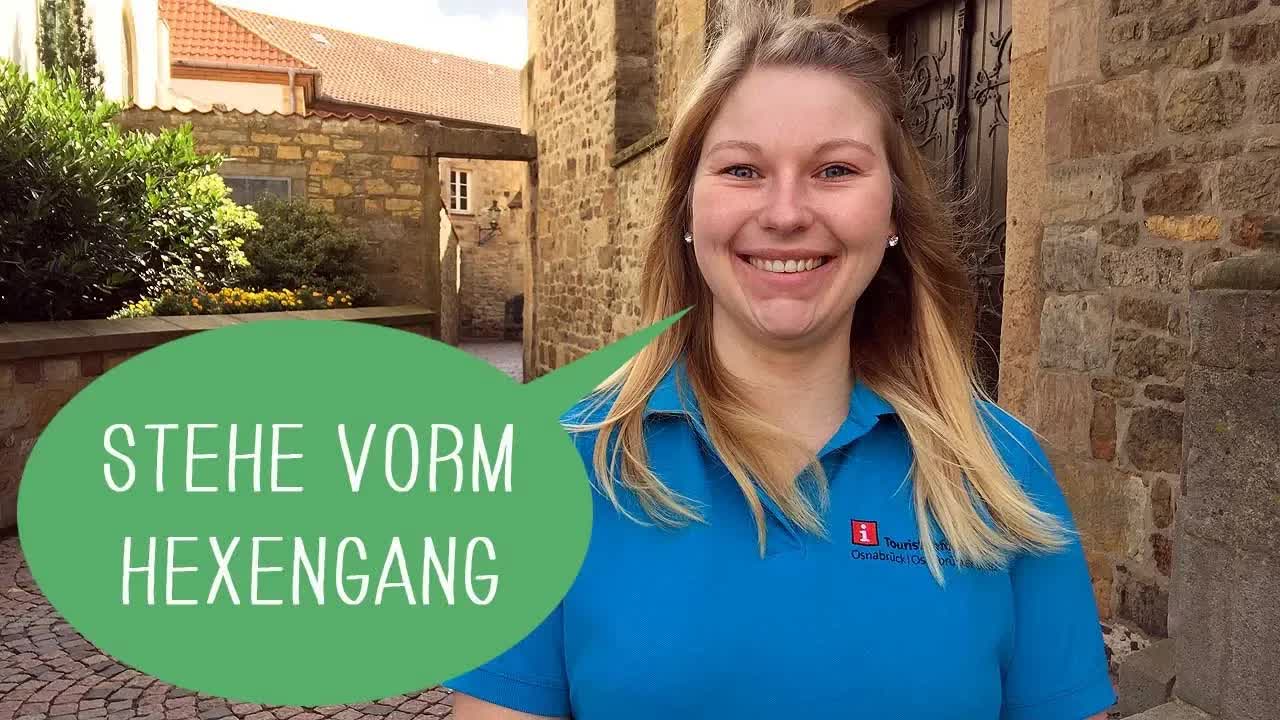
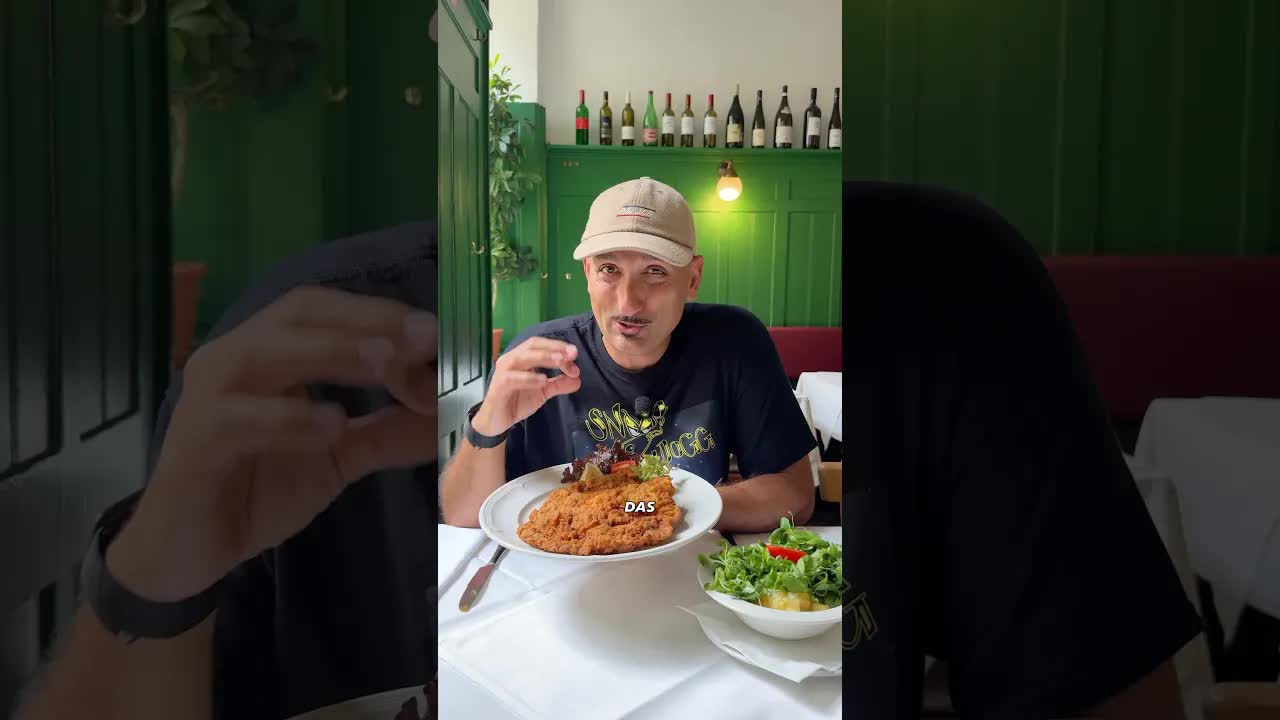
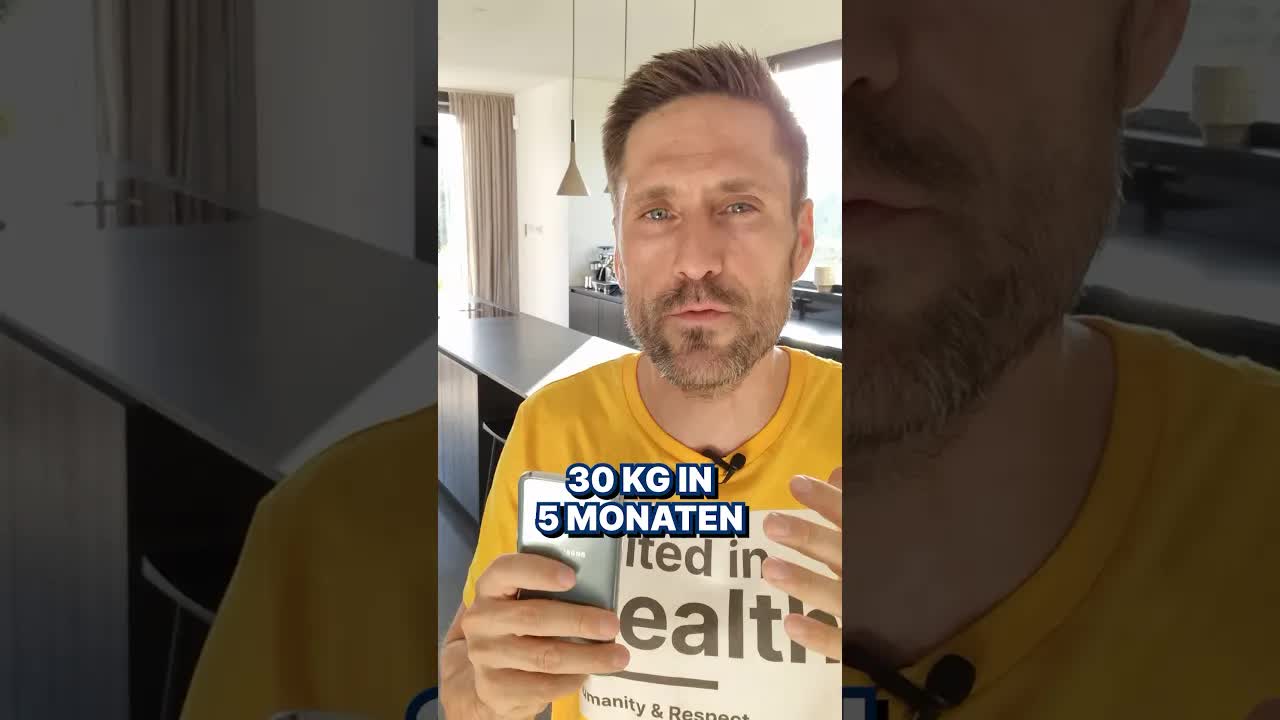



Is Reelang the best app to learn German?
It depends on where you are. If you’re starting from zero, a structured course app like Duolingo or Babbel is a good first step. Once you know the basics, from about A2, the hard part is understanding real people, and that’s what Reelang is for: real German videos from Germany, Austria and Switzerland, at your level, with help when you need it. You can use both.
- The German you actually hear: shortened phrases, casual contractions and fast everyday speech, not the slow textbook version.
- Always at your level: every clip is graded by level and speaking speed, and the feed adapts as you watch.
- The accents you’ll meet: Standard German, Swiss German, Bavarian German, Austrian German, and Swabian German.
- Built for listening: many learners read German well but struggle to follow real conversation. Reelang trains exactly that gap.
German videos by level
Pick your level, or one step above it, and move up as everyday German starts to feel less dense.
German accents and regional varieties
German sounds different in Berlin, Munich, Vienna and Zürich. Train your ear on the varieties you’ll actually hear, from Standard German to Austrian and Swiss German.
Standard German: the neutral, widely understood German of news and education.
Swiss German: the everyday spoken language of German-speaking Switzerland, very different from the Standard German you read.
Bavarian German: the dialect of Bavaria, with its own sounds and vocabulary.
Austrian German: the German of Austria, with its own vocabulary and a softer sound than northern German.
Swabian German: the dialect of southwest Germany, known for the -le ending.
German videos by topic
Learn German through what you already enjoy: work, food, family, travel, comedy and more.
Grammar
German grammar in real speech
Hear modal verbs, the passive and subordinate clauses the way native speakers actually use them, in real videos instead of textbook sentences. New topics are added as more examples are tagged.
Grew up hearing German?
If you understand German from home but want more range, Reelang gives you real conversations from native speakers, at a level that stretches you.
Preparing for the Goethe-Zertifikat?
Practice the Hören part with real native speakers at a speed close to the exam. The free Goethe-Zertifikat B1 and B2 listening packs are picked from this catalog.
How it works
Questions about learning German with Reelang
What is the best app to learn German with real videos?
Reelang is built for it: a free feed of real German videos from native speakers, graded by level, speaking speed and accent, that adapts as you watch.
How does Reelang figure out my level?
It starts you on easier clips and adjusts from what you follow, skip and look up. There’s no placement quiz.
What is the Reelang German video feed?
A TikTok-style feed of real German videos from native speakers, graded by level and speaking speed and tagged by accent. It learns from how you watch and keeps serving clips at your level.
What is comprehensible input?
Comprehensible input is German you can mostly understand, with a little that’s new. Linguist Stephen Krashen argued it’s how we acquire languages, and it’s the idea Reelang is built on.
Reelang takes it a step further with word frequency. It ranks every word in every video by how often it’s used in everyday German, and keeps track of which words you already know. So instead of videos that are only roughly your level, your feed picks the ones made of words you know, plus the most frequent words you haven’t learned yet. Comprehensible input, made for you.
Does Reelang explain the words in each video?
Tap any word for its meaning. With Reelang+, Learner Insights also explain the culture, idioms and slang behind a clip.
A few German words and phrases our explanations cover, from recent videos:
- abwehren: "to fend off," to hold off an attack or a threat
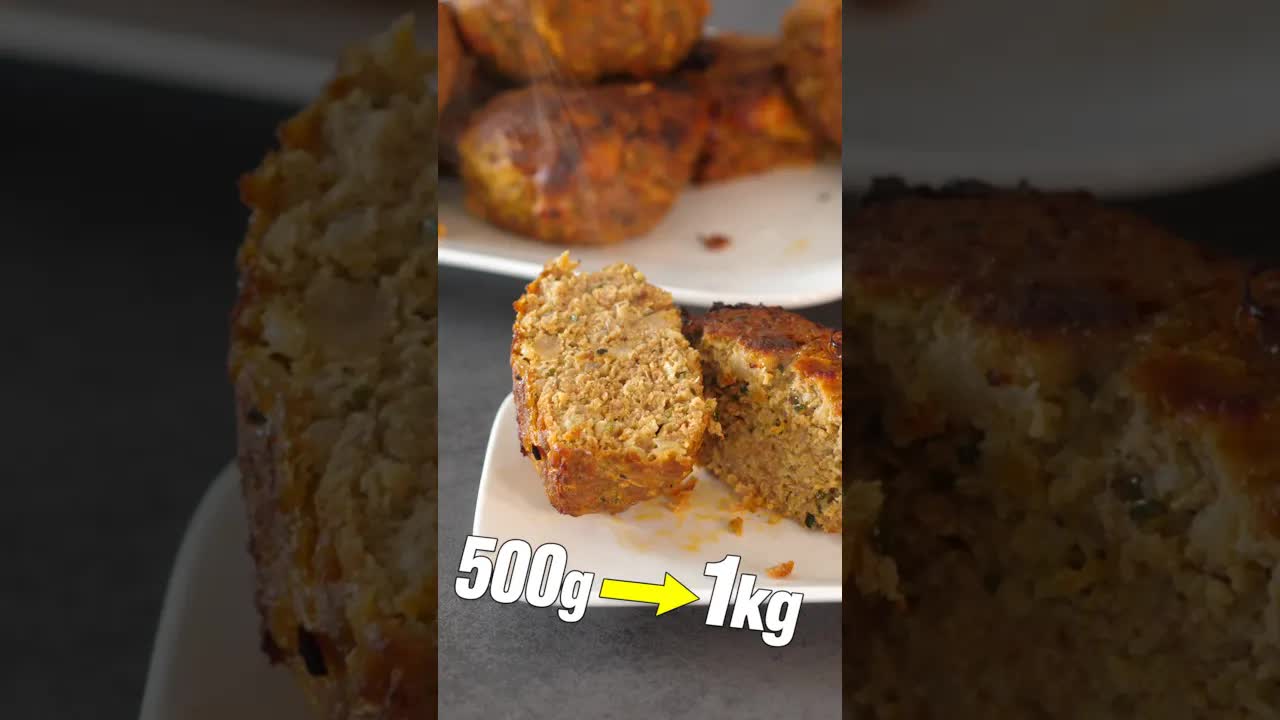
- Hackbraten: "meatloaf," literally "minced-meat roast"
- stöbern: "to browse," to rummage through things without a fixed goal
- Streifenhörnchen: "chipmunk," literally "little striped horn" — except it isn't really about horns
- erwischen: "to catch/grab" — get hold of something, often by luck or surprise
Why short videos from native speakers?
Short clips let you hear many more speakers, accents and situations in the same time, so your ear gets used to German as people actually speak it.
How does Reelang know if a video is too fast or too hard?
Every clip is analysed for how it’s spoken, not just which words it uses: speaking speed in words per minute, how often the speaker pauses, how many words come out between pauses, and how much of the clip is speech. With its vocabulary level, that lets the feed match both what you know and how fast you can follow.
What if I don’t know a word?
Tap it to see the meaning. With Reelang+, you also get translations into your own language, and words you look up come back in new clips.
Which German words should I focus on first?
The most common ones. Smart Subtitles show how common each word is, so you can tell which words are worth learning now.
Which levels does it cover?
Beginner (A1) to Advanced (C1). It works best from about A2 upward.
Do I need an account? Is it free?
The German feed is free and you can start without signing up. Reelang+ adds a personalized feed, translations into your own language and words that come back in new clips.
Can I learn to understand Swiss or Austrian German?
Yes. Filter by accent to practice with native speakers from Switzerland, Austria and regions across Germany.
Is Reelang useful for Goethe or TestDaF prep?
Yes, for the listening part: real native speech at natural speed is what the Hören sections test.
How is Reelang different from a typical language app?
Most apps teach with drills and scripted audio. Reelang trains listening on real German the way people actually speak it.
How much should I watch?
Little and often works best. A daily session you enjoy beats a long one you skip.
About this hub
About comprehensible input in German
What is comprehensible input?
Comprehensible input is language you can mostly understand, with a small amount that is still new. The idea is often linked to Stephen Krashen: people acquire language by understanding meaningful messages, not only by memorizing rules. For German, that matters because many learners can read more than they can comfortably follow in real conversation. Real listening often feels like the missing piece. On Reelang, comprehensible input means short native-speaker videos that are understandable enough to stay with, while still pushing your ear forward across the German-speaking world.
Why real reels, not textbook dialogues
German is one of the most useful languages in Europe for work, study, and daily life, but usefulness is not the same thing as ease. Many learners discover that textbook German and spoken German feel farther apart than expected. Real speakers shorten things, move quickly through familiar phrases, and shift register in ways classroom audio often smooth out. The difference becomes even more obvious once you move beyond one familiar variety: German in Germany, Austrian German, and Swiss German do not land on the ear in exactly the same way. Reelang uses unscripted short-form video so you hear German where it actually lives, in reactions, routines, stories, humor, and daily conversation, not only in cleaned-up dialogue built to teach one rule at a time.
How to use this catalog
Start with your level, then choose a listening difficulty you can mostly follow. From there, browse by topic, or accent depending on what you want more exposure to. If your reading is ahead of your listening, easier audio is not a step backward; it is how you close the gap. Accent browsing becomes especially useful once you want to widen your ear beyond one familiar variety of German, especially if Switzerland or regional variation is part of why real listening still feels harder than the textbook promised.
Want a full roadmap? Read our guide to comprehensible input.