Ćwiczenia ze słuchania po japońsku · C1 · Rozumienie bez wysiłku
What does “見て見ぬふり” mean in Japanese?
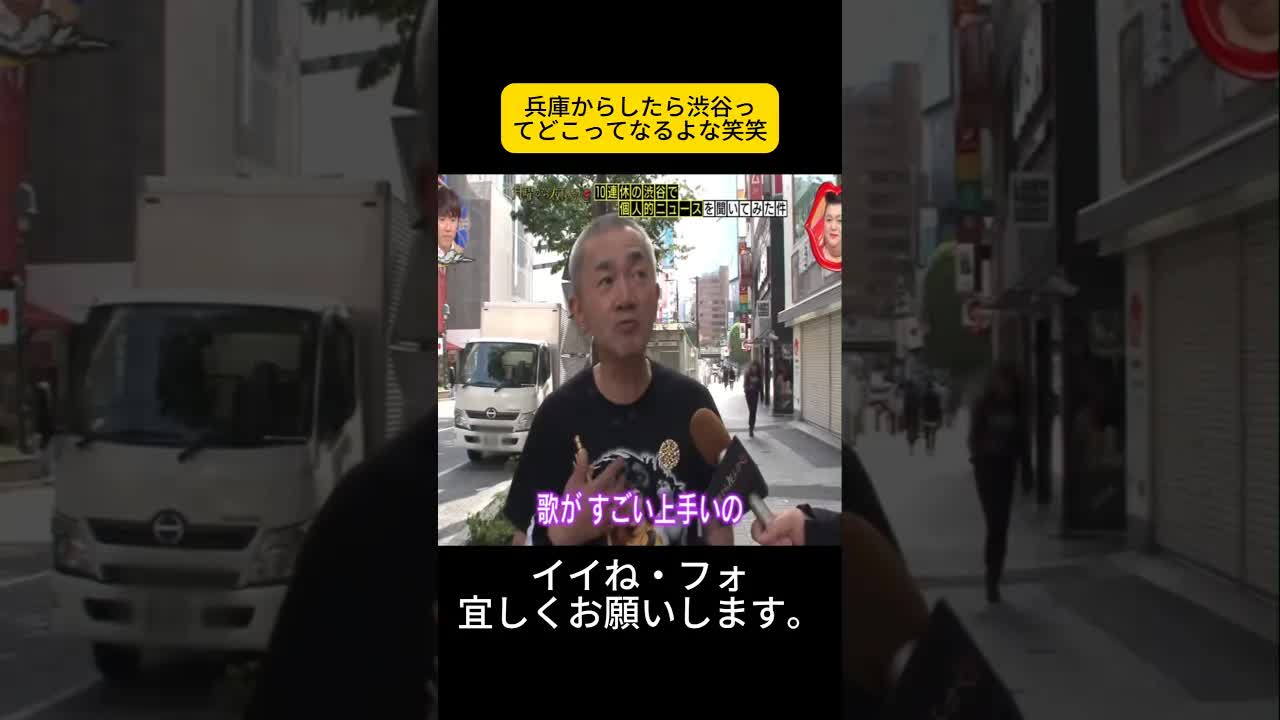
兵庫出身のお父さんが渋谷で目覚めた結果


Od Black Pink Gmod na YouTube. Obejrzyj oryginał
Pretending not to see something you clearly saw
見て見ぬふり (mite minu furi) literally reads “seeing, and not seeing, pretending.” It means deliberately ignoring something you’ve noticed, usually trouble or someone who needs help. It’s the exact word for the bystander who looks away. It’s written with ふり (振り), and the spelling 見て見ぬ振り is also common.
In the clip a man from Hyogo wakes up in Shibuya and complains that Tokyo people are cold: みんな見て見ぬふりします, “everyone pretends not to see.” It’s the stereotype of big-city indifference in one phrase. You use it as a noun or verb: 見て見ぬふりをする (to turn a blind eye). It often has a mild moral charge, implying the person should have helped or spoken up.