Ćwiczenia ze słuchania undefined · A2 · Solidne podstawy
What does “fali” mean in Serbian?
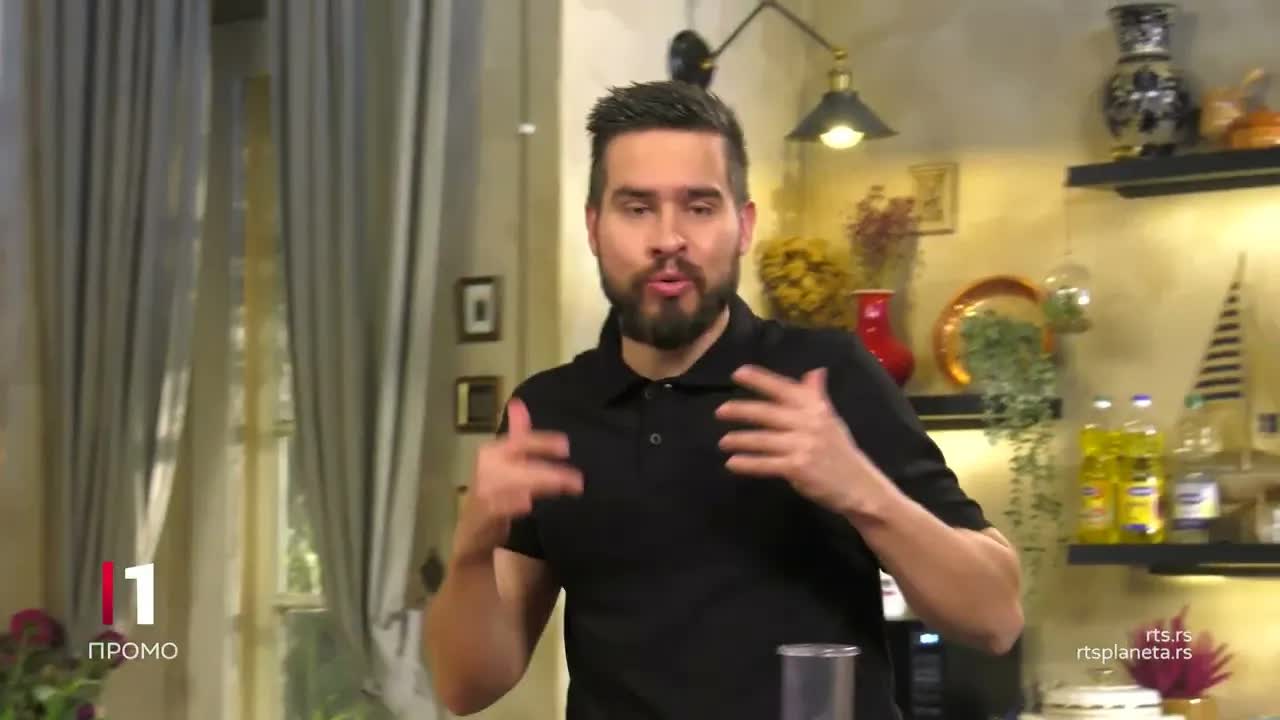
Gastronomad priprema ukusan ručak sa limetom


Od RTS Prikazuje na YouTube. Obejrzyj oryginał
In Serbian, “fali mi” means “I lack it” and also “I miss you”: the missing thing is the subject, you are the one it is missing to.
Fali comes from the verb faliti and means “is lacking, is missing”. Serbian flips the English order: the thing that is absent is the subject, and the person who lacks it goes in the dative. So fali mi novac is literally “money is missing to me”. The same pattern gives “I miss you” as fališ mi, and a joking idiom, fali mu daska u glavi, “he is missing a plank in his head”.
In the clip, the chef tastes the finished lamb and says “Limeta mu je dala tačno to što mu fali”: the lime gave it exactly what it was missing. Here mu (dative, “to it”) is the dish, and to što fali is “the thing that was missing”. Dictionaries mark faliti as a regional word, so you will hear it constantly in everyday Serbian speech, while the more formal choice is nedostajati. Try it yourself: Šta ti fali? (“What are you missing?” or, with attitude, “What’s wrong with you?”), Fali mi vremena (“I lack time”).
Więcej takich klipów
Bolovanje, odmor i nervi u Srećnim ljudima

Poskupljenje voznih karata u Srbiji od jula

Jovan Radulović Jođir o hapšenju i životu

Dalila Dragojević trudna? Priče, komentari i nagađanja

Bilja Jevtić o sinu, zavičaju i 40 godina braka

Snimamo u akvaparku dok Anđela ulazi u bazen
Ucz się z prawdziwych filmów
Tysiące klipów takich jak ten, dopasowanych do twojego poziomu w trakcie oglądania.