How do I prepare for the DELF B2 listening exam?
The DELF B2 listening test is radio and television French about real issues. The two longer programmes play twice, then three short recordings play only once.
The best free way to get ready is to listen to a lot of real French at the B2 level. There is a free pack of 79 B2 videos below, at a speaking speed close to the test.
Reviewed by an expert

French teacher and DELF examiner · founder of Fluent Academy
Lily prepares candidates for the DELF and read through this page. She flagged B2 as the level that matters most in France now that the language requirements have gone up.
From a DELF examiner
How should I prepare for the DELF B2 listening test?
B2 is the level that matters most in France right now, because the requirements went up and nationality asks for it. Many of my candidates arrive straight from B1 expecting more of the same test. It is not more of the same.
At B1 the test mostly asks what happened. At B2 it asks what people think, how sure they are, and why they disagree. The words are rarely what stops my candidates. Losing the thread of an argument is. So let me show you what this test really rewards, question by question.
The questions are not worth the same
This surprises almost everyone I teach. In the official paper the listening questions are worth between 0.5 and 2.5 points each, so one question can be worth five times another. The marks are printed next to them, and hardly anybody looks.
The pattern is easy once you see it. The cheap questions ask for one fact. The expensive ones ask what a speaker concludes, or what the journalist really thinks. If you have two minutes left and two questions open, spend them on the opinion one.
The right answer is almost never the words you heard
Take a question from the official paper. It asks about the daily rhythm of professional athletes. The recording calls them "de gros dormeurs" who need more than nine hours. The correct answer is "ils dorment beaucoup", the same idea in plainer words, not the phrase you actually heard.
The wrong option, "ils se lèvent très tôt", uses words you really did hear a few seconds earlier, attached to a "non pas forcément". That one question is worth 2 points. Recognising a word is what loses them, so answer from the meaning and treat a familiar phrase as a warning.
An answer can be true and still be wrong
Another question in that paper asks how the oldest employees react to a new office system. One option says they adapt even though they dislike it, which is a fair description of what you hear. The problem is that the recording says it about the young staff. The answer is the one about worrying for their future.
So whenever a question names a group, hold on to who it is, and write the name down if that helps. Half the traps in this exam are true sentences pinned on the wrong person.
The answers come in order
The questions follow the recording from beginning to end, and that is your safety net. If you are still hunting for question 4 and you hear the answer to question 5, you have gone past it. Let it go and move forward, because staying behind costs you the next answer too.
Save your sharpest attention for the last exercise
The two long programmes are played twice, so a detail you miss the first time is not lost. The three short recordings at the end are played once. That is 7 points with no second chance, and they come when you are already tired.
Each short recording carries only two questions. Read them in the pause, decide what you are listening for, and answer while it is fresh. There is nothing to come back to.
Follow the turn in the argument
At B2 the linking words carry the meaning, and they are not the ones you needed at B1. Train your ear on the ones that signal a turn: "certes" followed by "mais", which grants a point before knocking it down, and then "or", "en revanche", "cependant" and "en réalité".
When one of those lands, a speaker who has been agreeing is about to object. That turn is usually where the expensive question is hiding.
Use real radio first, and the papers to check
There are only a few official sample papers, so please do not spend them all in your first week. Build the ear on real French radio and reports, then use a paper to see where you stand. A round that works well:
Listen once without stopping, then say the main point out loud in one sentence.
Listen again and note only the linking words and who said what.
Ask yourself where the speaker changed direction, and what they never said out loud.
Only then read the transcript, if there is one.
Nobody hands you a transcript in the exam, so it is the last step and never the first.
Real French most days, one official exercise every week or two. At this level the ear comes from hours rather than from tricks, and everything above only turns those hours into points. Be patient with the parts you find hard, and pick things you actually want to listen to.
Why this level
Why do people take DELF B2?
People commonly need French at the B2 level for:
French nationality, which since January 2026 asks for B2 instead of B1
Work in a French-speaking team, and a diploma that does not expire
Is your goal the residency card (carte de résident)? That one still asks for B1, so start with the DELF B1 listening page.
Free · 79 videos · 3 hours 57 minutes
Your free DELF B2 listening pack
Here are 79 short videos by real native speakers at the B2 level, at a speaking speed close to the exam (around 199 words a minute). They are standard French from radio and television, not a regional accent. Most of the words are inside the 97% most common spoken French words, so they match the kind of language the test uses. Together they are about 3 hours 57 minutes of listening practice for the DELF B2. They are all free to watch below.
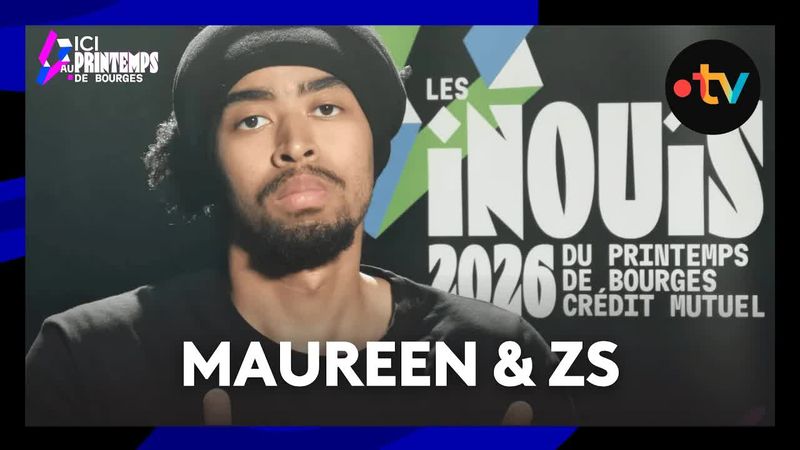
Printemps de Bourges, shatta, rap et nouveaux talents
France 3 Centre-Val de Loire
What you'll practice
The clip features the 50th edition of Printemps de Bourges with rap artists and Maureen from Martinique explaining the music style "chata".
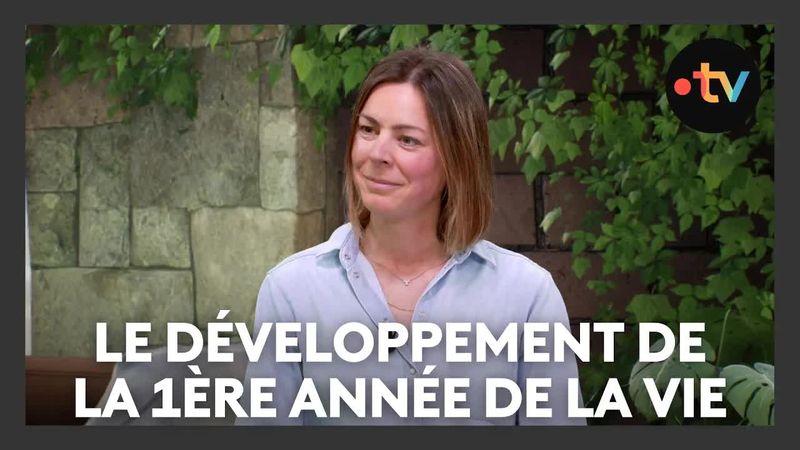
Comprendre la motricité du bébé pendant la première année
France 3 Grand Est
What you'll practice
Two speakers discuss the importance of the first year for baby motor skills but have different views on how to support this development.
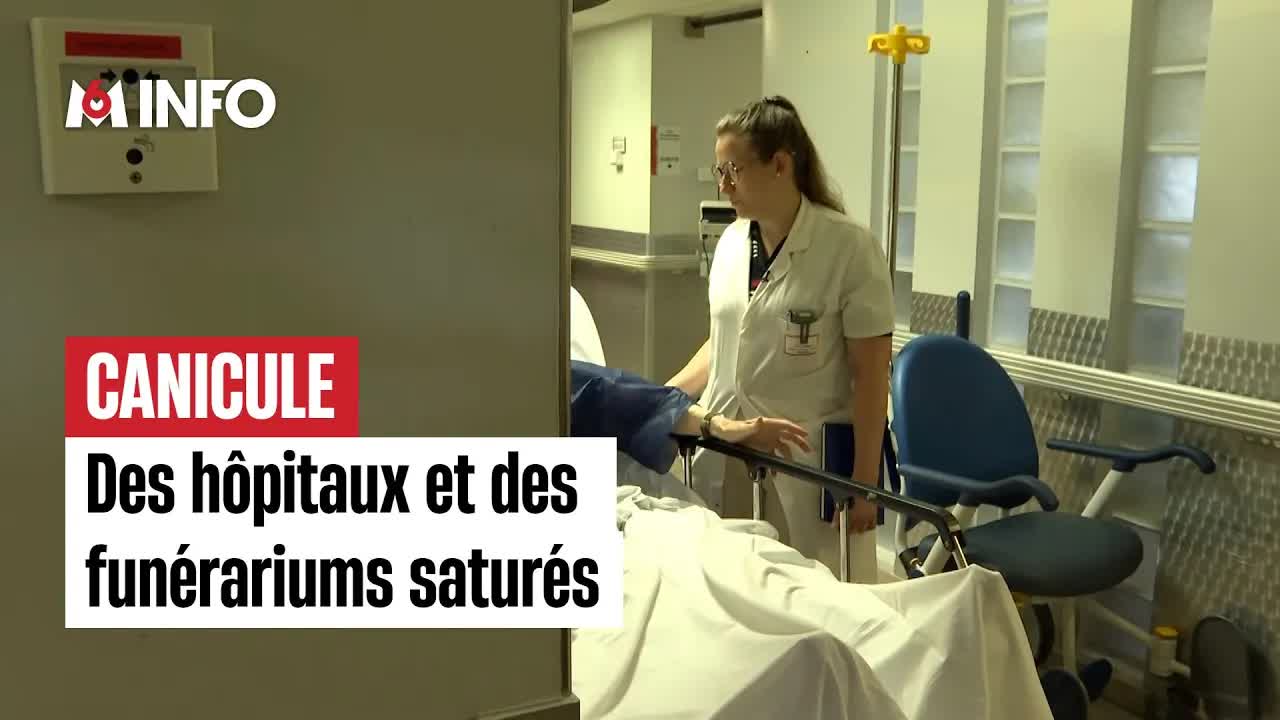
Canicule, hôpitaux et funérariums saturés en Île-de-France
M6 Info
What you'll practice
The phrase "notamment" introduces specific examples that support the concern about worsening hospital and funeral service pressures during the heat wave.
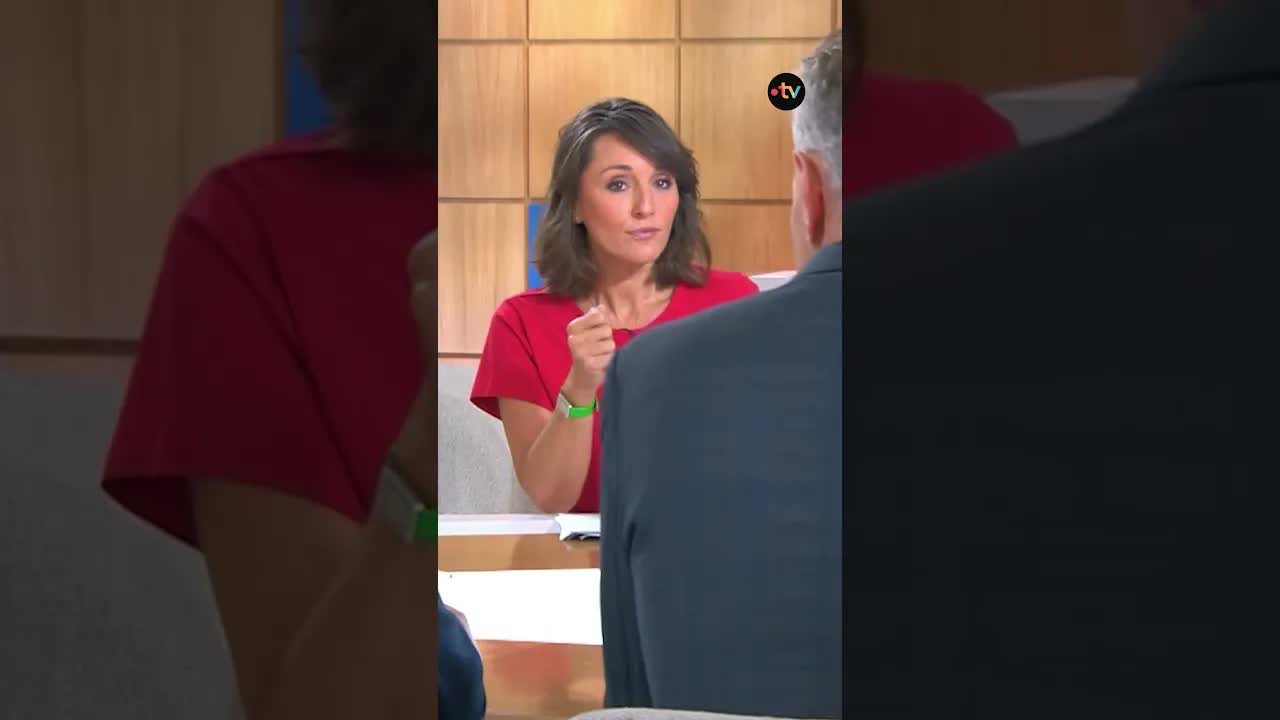
Canicule, sécheresse et hausse des assurances habitation
C à vous - France Télévisions
What you'll practice
The speaker shows concern about rising insurance costs and climate risks by stressing prevention and shared responsibility without directly stating fear.
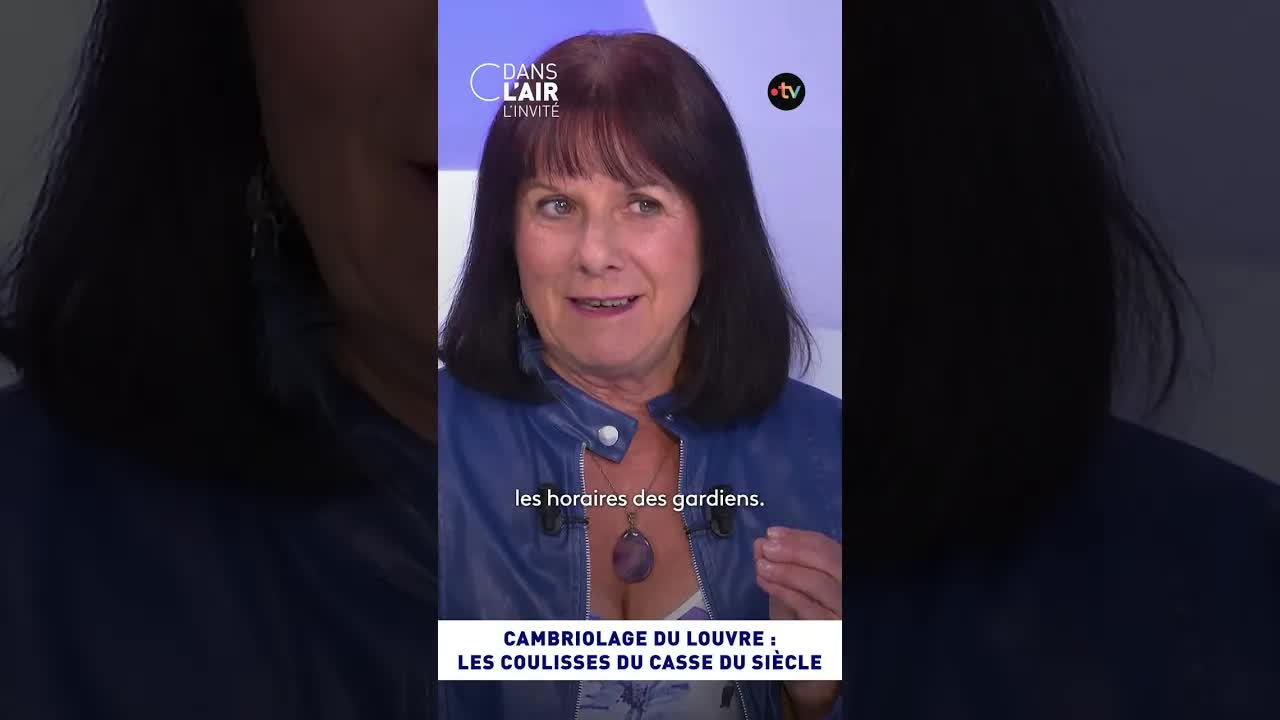
Un casse au Louvre et ses failles de sécurité
C dans l'air - France Télévisions
What you'll practice
The speaker explains the word "rencardés" to describe how the thieves were somewhat informed but not fully knowing the best time to rob the Louvre.
Réussir son divorce et protéger ses enfants
Quelle époque ! - France Télévisions
What you'll practice
A presenter interviews an expert who shares how they stayed friends after divorce to protect their children from conflict and support family peace.

Le mystère fascinant du chimérisme humain
Restons Curieux, TED-Ed
What you'll practice
A woman in Boston learns that two of her sons are not genetically hers, and "autrement dit" reframes the explanation.
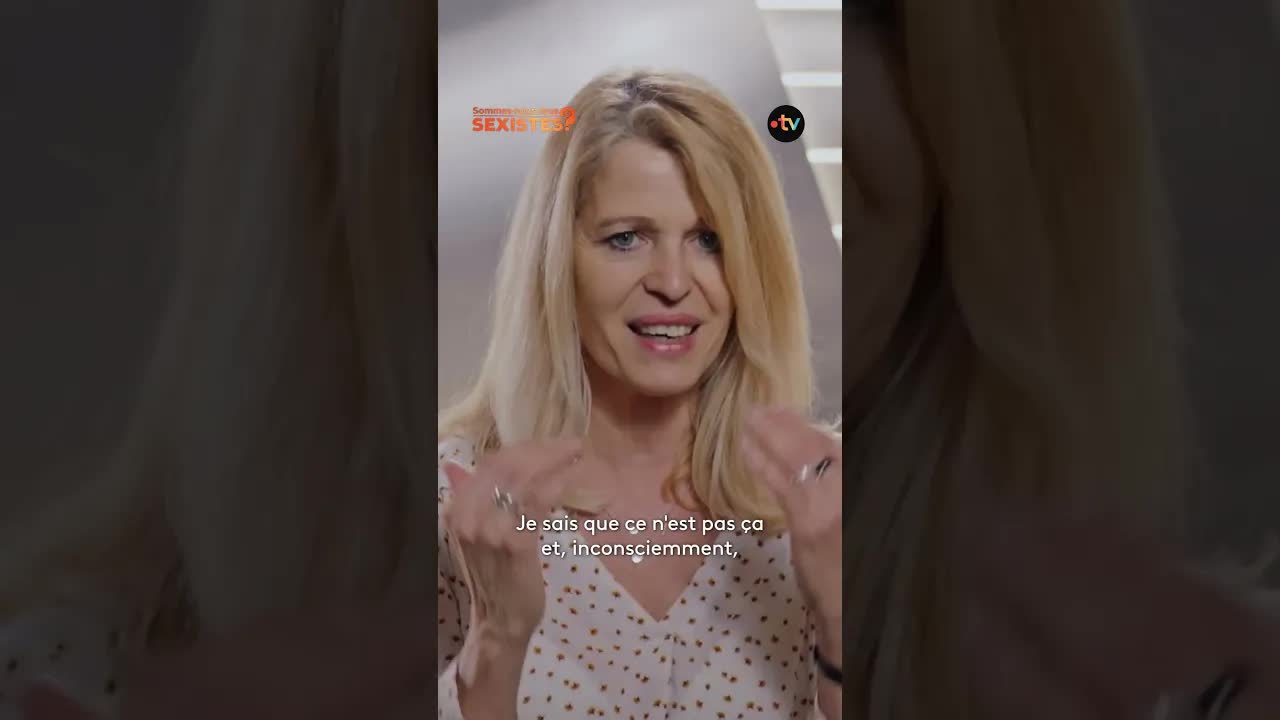
Stéréotypes de genre et métiers : une expérience filmée
france tv
What you'll practice
Two speakers discuss how people quickly assign jobs like "chirurgien" or "infirmière" based on gender stereotypes and instinctive responses.

Le retour de Sarah, enfant juive cachée à Villedieu
France 3 Centre-Val de Loire
What you'll practice
The phrase "alors bien sûr" introduces a clear turn where the speaker adds important details about her childhood refuge in the house.
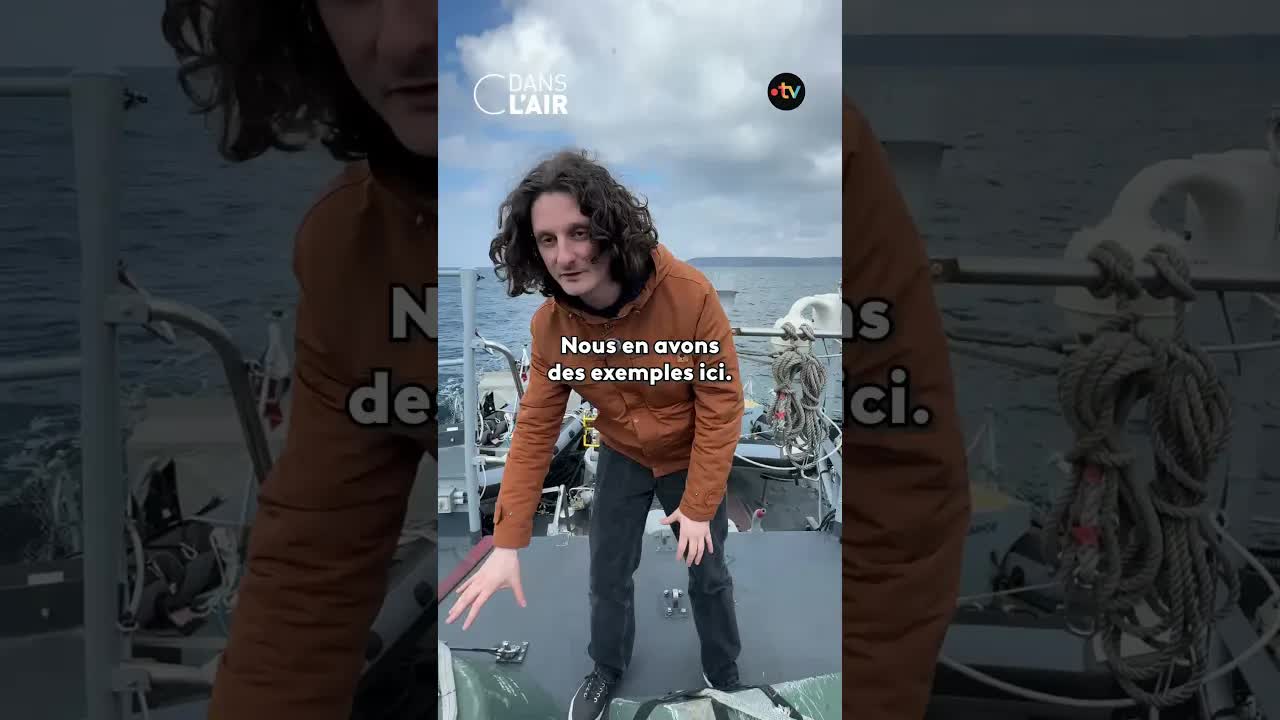
Le déminage sous-marin expliqué à bord d’un navire
C dans l'air - France Télévisions
What you'll practice
The speaker clearly believes mine clearance is complex and risky, shown by detailed explanations of challenges and safety concerns.

Le métier de généalogiste successoral expliqué simplement
France 3 Grand Est
What you'll practice
The word "succession" is explained as the process of finding heirs when no one is known to inherit property.
Séisme au Venezuela : sauvetages, colère et course contre la montre
M6 Info
What you'll practice
A reporter describes a slow rescue after an earthquake, showing hope, exhaustion, and growing anger about missing military help.

Réfugiés ukrainiens, une nouvelle vie en Lorraine
France 3 Grand Est
What you'll practice
The report shows how 4000 Ukrainian refugees have settled in Lorraine over 4 years, with Katharina aiming to improve her French and work.

Sécurité renforcée au marché de Noël de Strasbourg
TF1 INFO
What you'll practice
One speaker feels very safe with strong security, while the other worries about an unknown gun found near the Christmas market.
La mémoire de la Seconde Guerre mondiale en Russie
Gabrielle Duvoisin
What you'll practice
The linking word "mais" shows a contrast between French views on Russian war memory and the actual significance for Russian families.
Robert Badinter et l’abolition de la peine de mort
Karambolage en français - ARTE
What you'll practice
France in 1981 debates the law to end the death penalty with Robert Badinter defending the project at l'Assemblée nationale.

Parcours d’une artisane spécialisée dans le design textile
France 3 Grand Est
What you'll practice
The interview shows an artisan who creates unique textile designs and talks about using "peinture lavable" on natural fibers.
Roller derby, féminisme et communauté avec les Simones
France 3 Centre-Val de Loire
What you'll practice
One person shares their passion for roller derby as a tough and smart sport that empowers women and builds a strong community.

Pourquoi l’Espagne vit à l’heure allemande
Karambolage en français - ARTE
What you'll practice
The clip explains that Madrid uses German time despite being in a western zone, which affects Spanish sleep and work patterns.
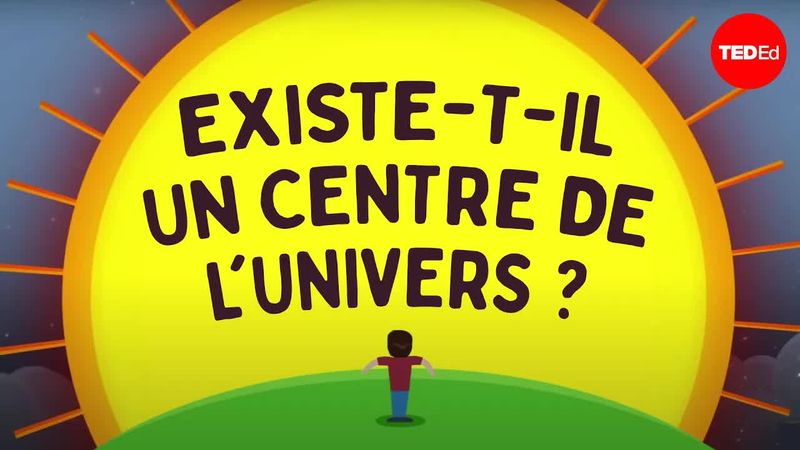
Sommes-nous au centre de l’univers?
Restons Curieux, TED-Ed
What you'll practice
One speaker supports Aristotle's view that Earth is the universe's center while the other presents evidence favoring the sun-centered model.
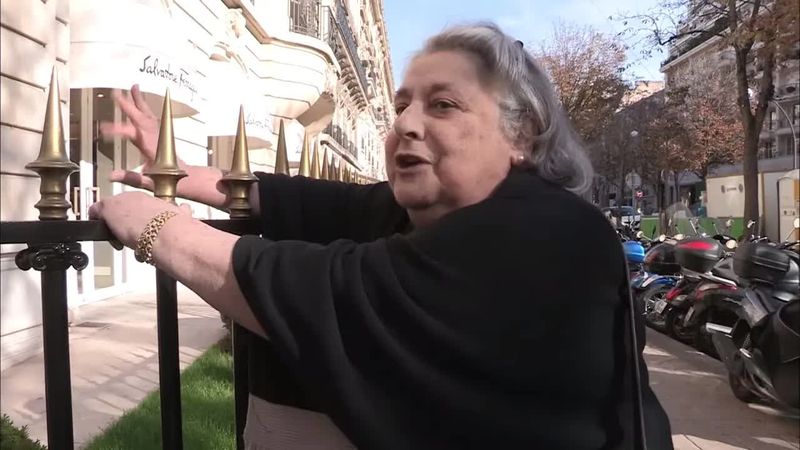
Cinquante ans dans le quartier le plus cher de Paris
La Vie
What you'll practice
The phrase "et puis" marks a change in the speaker's view, showing how feelings about the apartment improved over time.
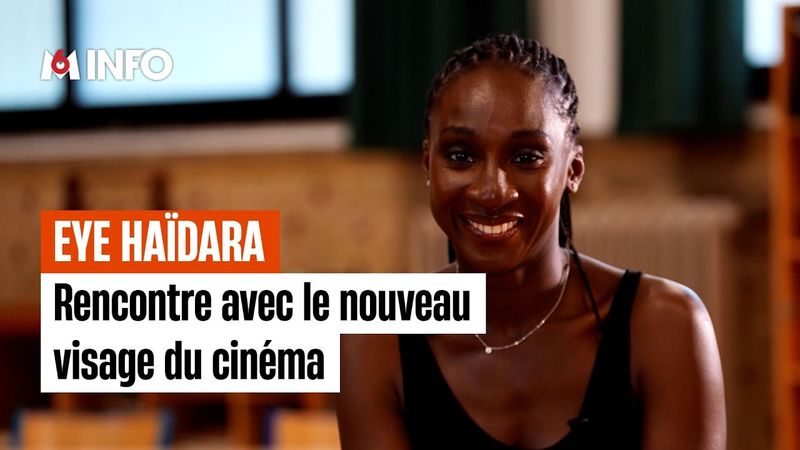
Retour émouvant d’Eye Haïdara dans son école primaire
M6 Info
What you'll practice
An actress returns to her old Paris primary school and points out where the raised stage once stood.

Les Strasbourgeois derrière la poupée du film "La poupée"
France 3 Grand Est
What you'll practice
The clip explains the French word "prise d'empreintes" as the process of making precise molds for creating a doll's exact shape.
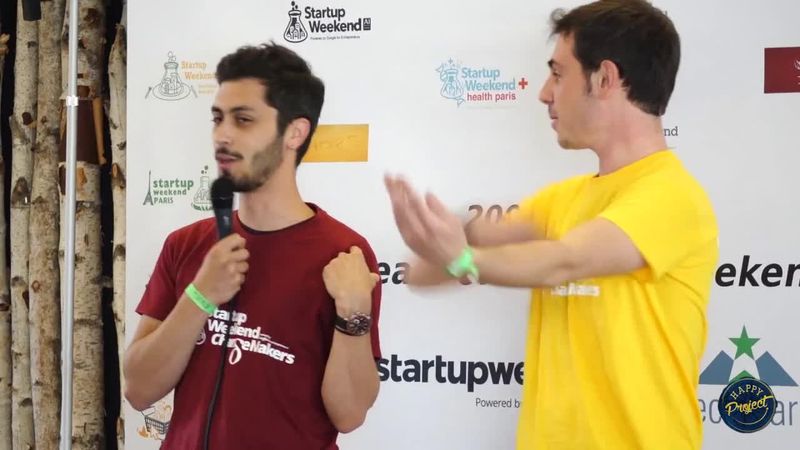
Un week-end pour lancer des startups à impact social
Happy Project
What you'll practice
The presenter shares different entrepreneurs' ideas about social impact, showing their passion and new solutions through brief speeches.
Discrimination à l’emploi des seniors et algorithmes de tri
C dans l'air - France Télévisions
What you'll practice
A jobseeker describes sending 33 CVs and getting no reply at all, then calling himself "vieux" in public.

Marchés de Noël d’Alsace et amour du baeckeoffe
BFM Alsace
What you'll practice
One speaker thinks Strasbourg has the best Christmas market, but the other points out strong traditions in Germany and Austria too.

Tourisme de Noël et surfréquentation dans un village alsacien
FRANCE 24
What you'll practice
The word "mais" introduces a contrast, showing the mixed feelings about the village's Christmas market success and its problems.

Nouvelles frappes entre les États-Unis et l’Iran
TF1 INFO
What you'll practice
A news report from the Middle East shows how "frappé" and "attaque" describe recent U.S. and Iran military actions after a fragile peace.

Pourquoi les astronautes sont toujours en chute libre
Restons Curieux, TED-Ed
What you'll practice
An explainer about astronauts shows why "chute libre" means falling around Earth and not floating still in space.
La vie d’une jeune bergère dans les Pyrénées
DW Euromaxx
What you'll practice
An interview with a shepherdess shares her thoughts on how working with sheep shapes her character and the challenges of this hard job.

Les papillotes, douceurs françaises de l’Avent
Karambolage en français - ARTE
What you'll practice
The story tells of a candy called "papillote" linked to a secret love in 1790, wrapped with sweet messages inside the paper.

Comment les chiens perçoivent le monde avec leur nez
Restons Curieux, TED-Ed
What you'll practice
A radio programme explains how a dog uses its nose to detect odors like "une bouffée d'air frais" and locate where they come from.
Confinés à l’hôpital, ils demandent à rentrer chez eux
TF1 INFO
What you'll practice
Julia and Roland talk about their 32-day hospital confinement and why they question staying despite having "pas de symptômes" and "pas de présence du virus".
Comment le cerveau crée les hallucinations
Restons Curieux, TED-Ed
What you'll practice
An elderly woman with the syndrome de Charles Bonnet experiences colorful hallucinations because her brain fills in missing visual information.
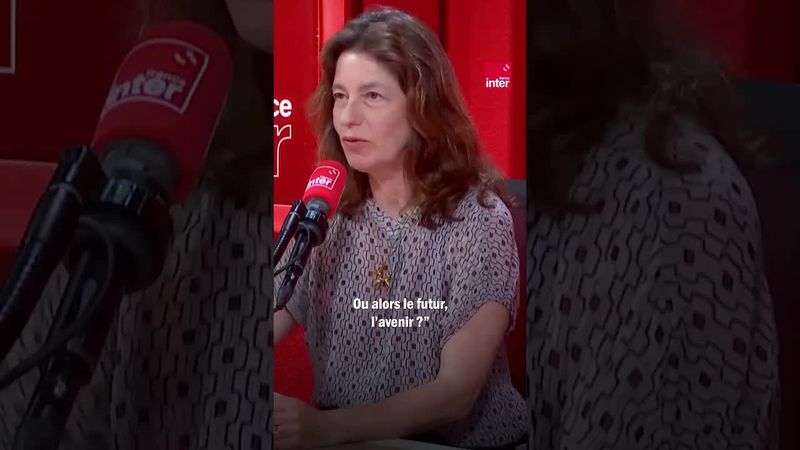
Pourquoi les Français ne croient plus en l’avenir
France Inter
What you'll practice
Survey findings show life satisfaction holding steady while hope for the future keeps falling, with "par contre" marking the split.
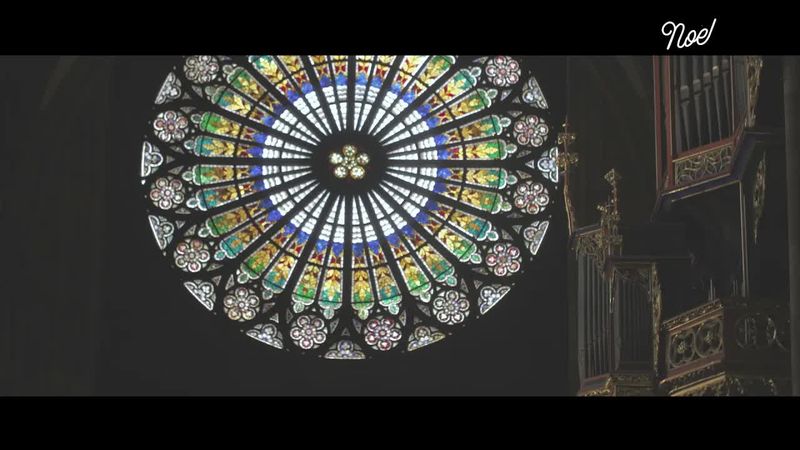
Les tapisseries de Noël de la cathédrale de Strasbourg
Strasbourg Tourisme
What you'll practice
A presenter describes the history and meaning of the 14 tapestries displayed in Strasbourg cathedral during Christmas time.
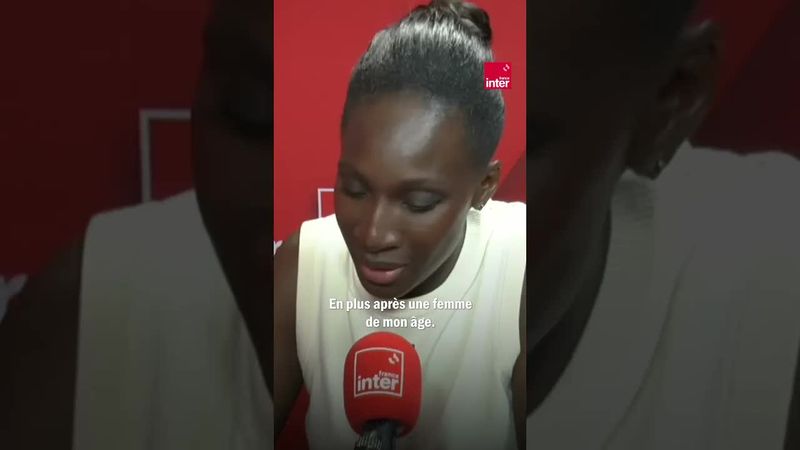
Ne plus être un choix de casting politique
France Inter
What you'll practice
An interview discusses how casting no longer needs to explain choosing a non-white actor, highlighting changes in French theater roles.

Un concert post-confinement pour fêter la musique
FRANCE 24
What you'll practice
A post-confinement concert gathers two thousand people singing and celebrating music while following strict safety rules like wearing masks.
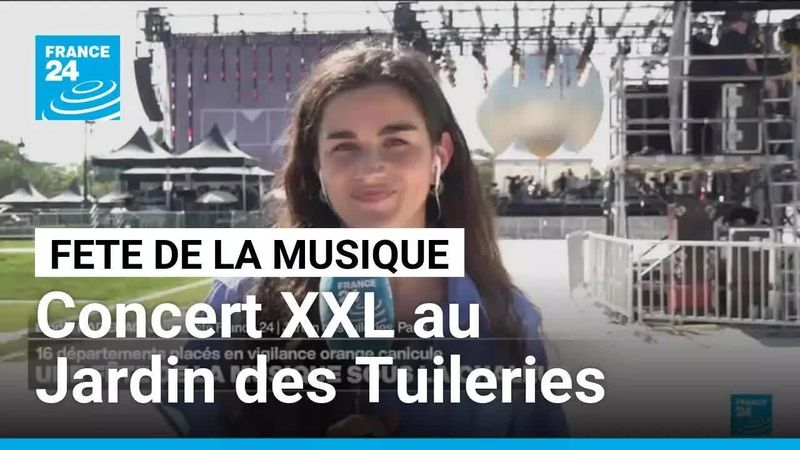
Fête de la musique à Paris et vasque olympique
FRANCE 24
What you'll practice
The word "finalement" shows a change in focus from the Olympic flame's details to the music festival's broad appeal and future.
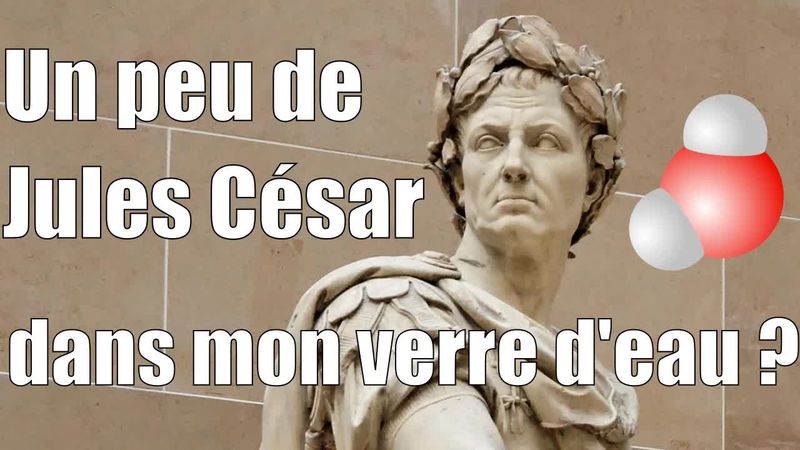
Des molécules d’eau de Jules César dans votre verre
ScienceEtonnante
What you'll practice
Science explains why a glass of water can contain molecules once in "le dernier verre de César", focusing on water molecule size and numbers.
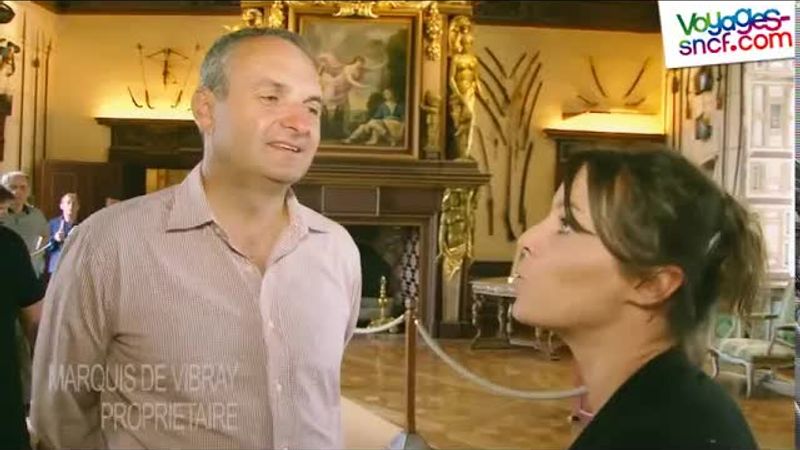
Découvrir les châteaux de la Loire et leurs histoires
Zhen ZHU
What you'll practice
A guide walks a reporter through the château royal de Blois and its queen's chamber, describing the gilded decoration.
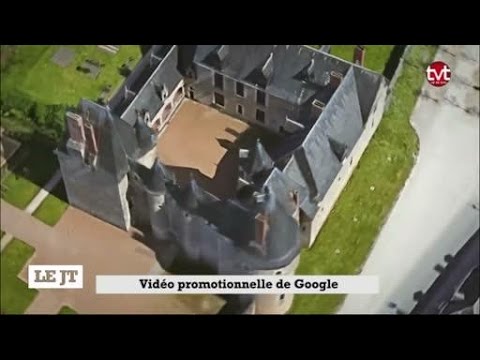
Numérisation des châteaux de la Loire avec Google
Val de Loire TV
What you'll practice
One presenter interviews an expert about how digital tools let viewers explore Loire châteaux and gardens in new ways and why this matters.
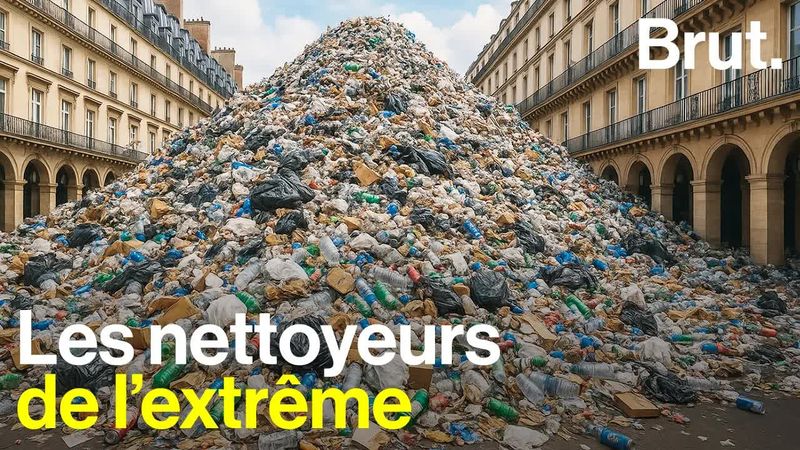
Nettoyer Paris après la fête de la musique
Brut
What you'll practice
Workers start cleaning Paris at 11 PM during the Fête de la Musique, staying until 9 AM while managing people and waste safely.
Les valeurs d’un grand pâtissier et d’une émission
France Télévisions
What you'll practice
Two speakers differ about how much credit should be given when using a recipe like Frank Michel's chantilly cream in pâtisserie creations.
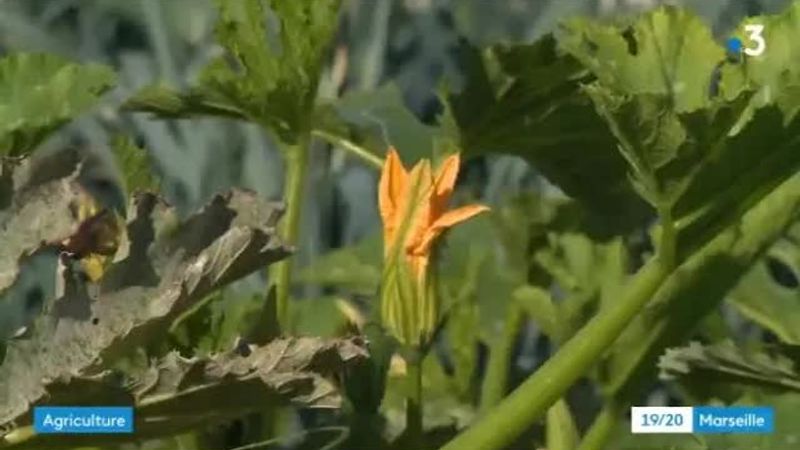
Un marché paysan bio au cœur de la ville
France 3 Provence-Alpes-Côte d'Azur
What you'll practice
A local farmers' market shows how Rémi and others grow and sell fresh "légumes bio" in the city, stressing shared work and freshness.
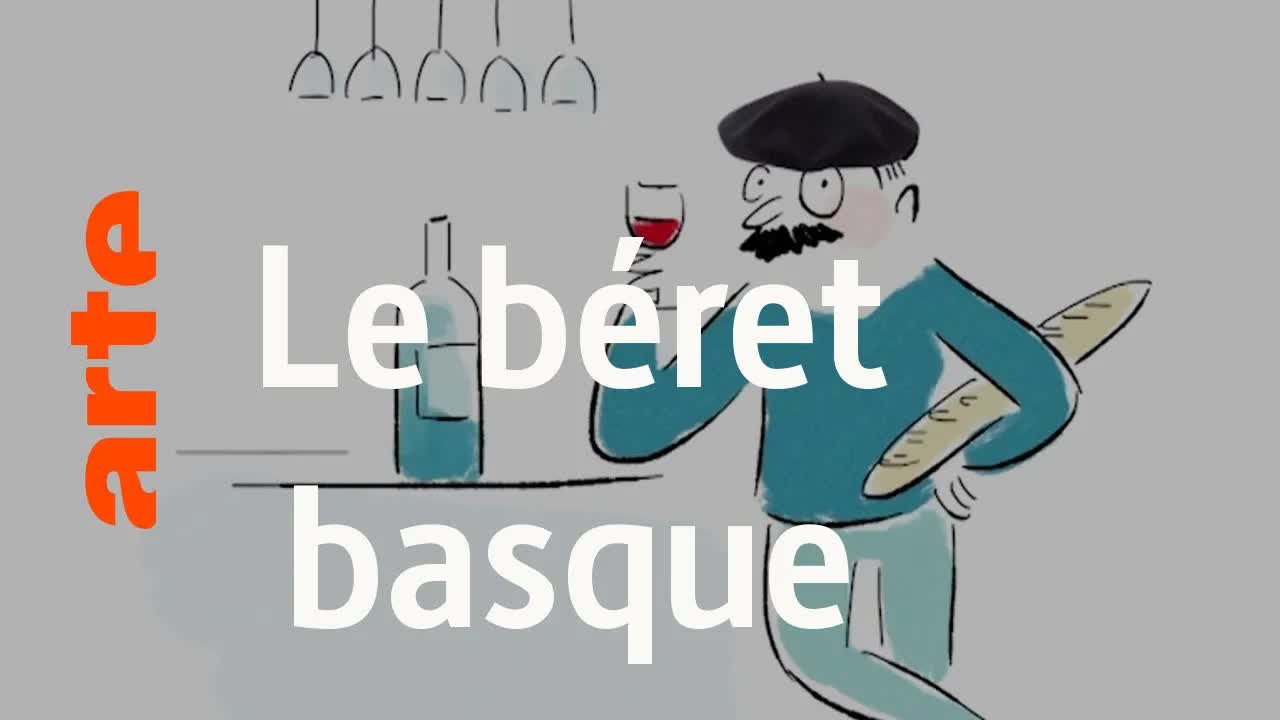
Le béret basque, symbole très français expliqué
Karambolage en français - ARTE
What you'll practice
A radio program explains why the "béret basque" is seen as very French and how it helps recognize French people among tourists.
Frappes de drones ukrainiens sur l’industrie russe
C dans l'air - France Télévisions
What you'll practice
Over 500 Ukrainian drones struck Russian factories near Moscow targeting "semi-conducteurs" used for long-range missiles, showing growing drone power.
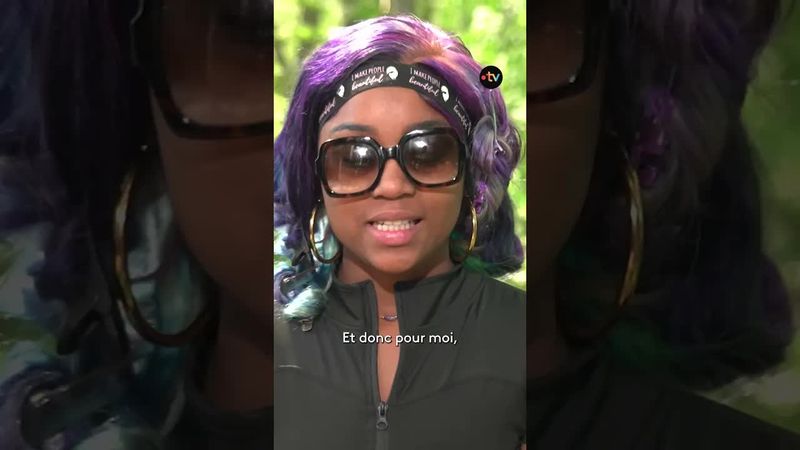
Fierté du créole et identité musicale martiniquaise
France 3 Centre-Val de Loire
What you'll practice
An expert shares personal views on the importance of the French word "créole" in music and cultural identity from Martinique.
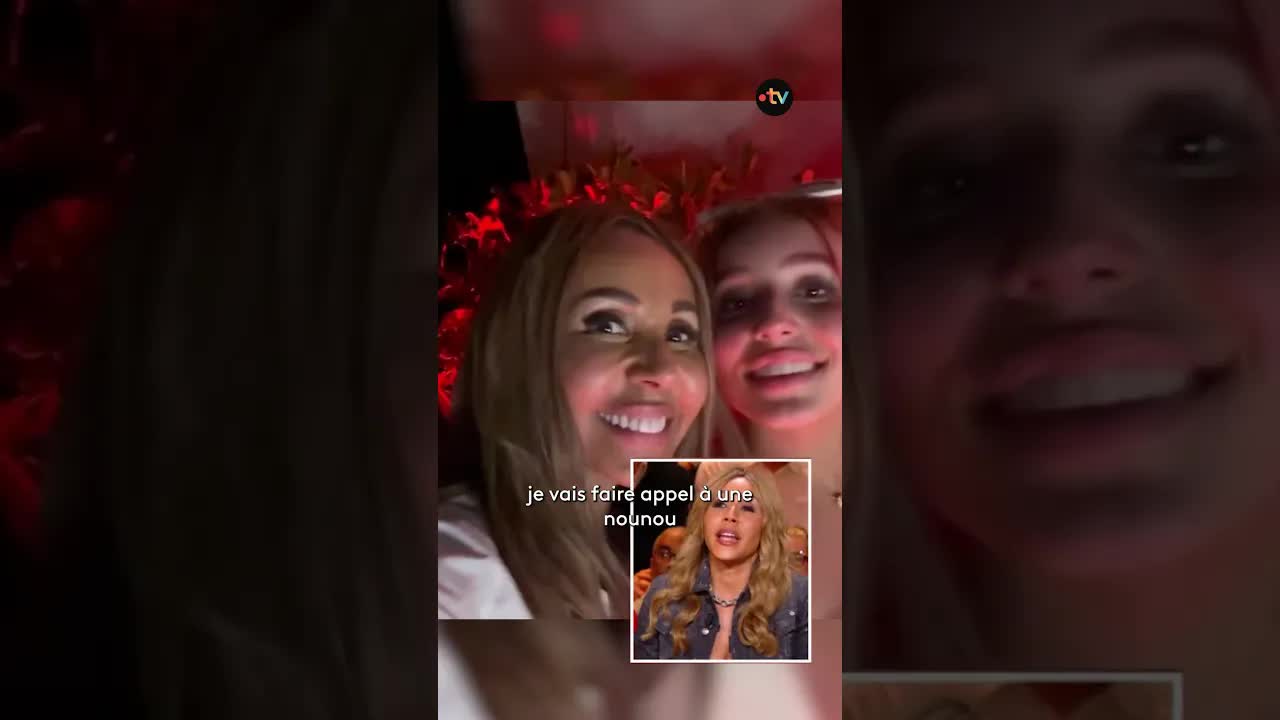
Éduquer ses enfants tout en travaillant la nuit
Quelle époque ! - France Télévisions
What you'll practice
A mother explains raising two children after 15 years of work, sharing how she educated them alone while working nights.
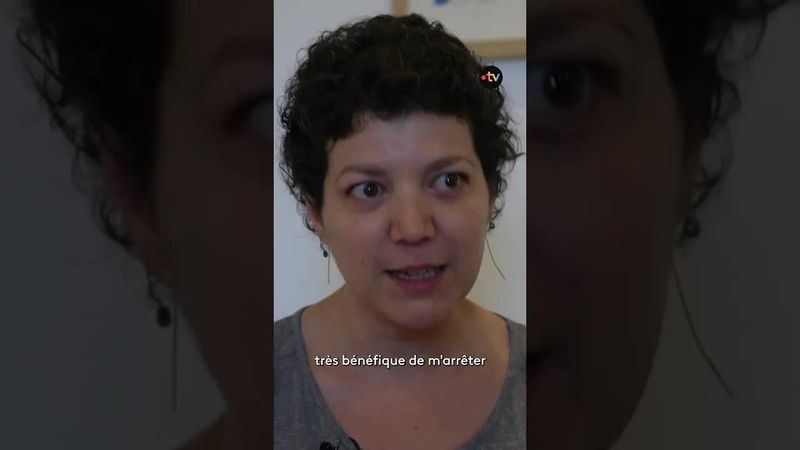
Courir un semi-marathon pendant un cancer du sein
France 3 Centre-Val de Loire
What you'll practice
A woman describes running through chemotherapy, with days when she could only walk, aiming at the 21 kilometres of a half marathon.
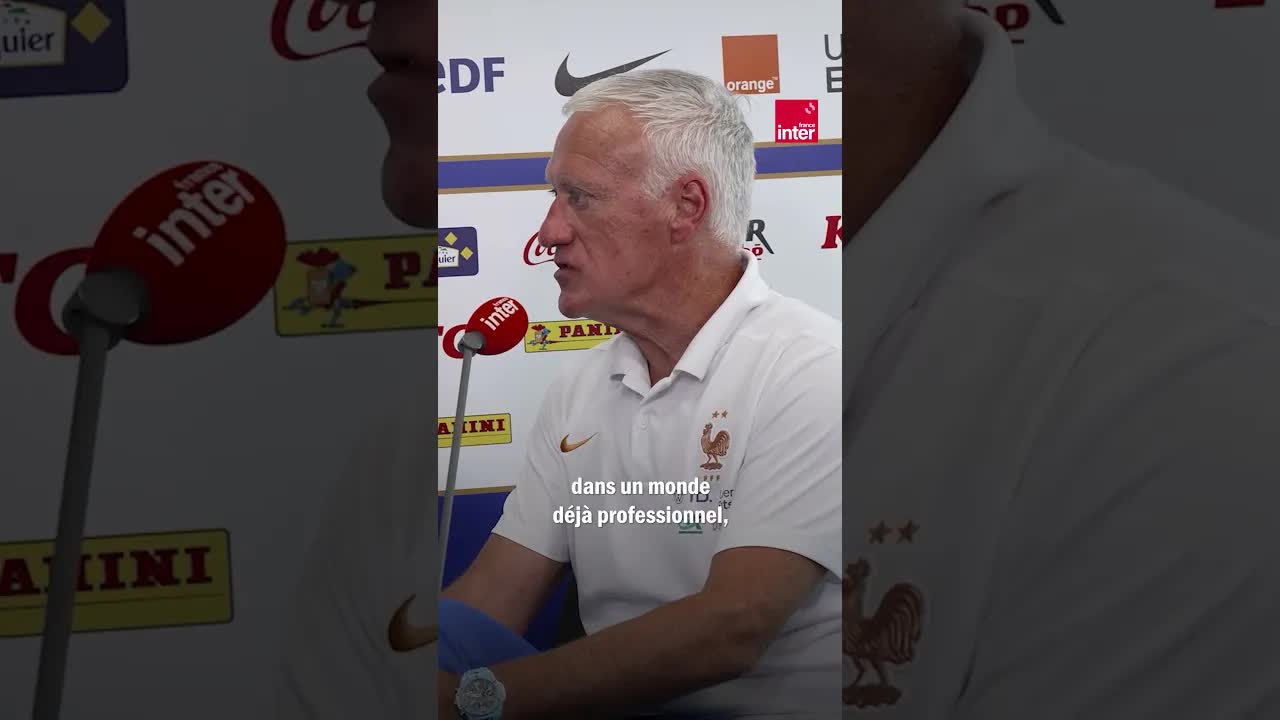
Didier Deschamps conseille aux jeunes footballeurs de s’amuser
France Inter
What you'll practice
Didier Deschamps recalls choosing at fifteen between football and school, and explains why he carried on studying anyway.

Les mots de passe secrets des français au quotidien
Sebastian Marx en VF
What you'll practice
French people say "voilà" to finish sentences softly when they cannot explain fully or want to avoid conflict.
La hiérarchie sociale et le raisonnement des poules
France Inter
What you'll practice
A researcher explains how hens watch a fight between two others and then change their own behaviour, using "dominante" and "subordonnée".
Famille de Christophe Gleizes face à une punition sévère
C dans l'air - France Télévisions
What you'll practice
The interview shows a parent answering questions about their son's tough prison time and how it changes his view of the world.
Colère après l’affaire Lyhanna et l’inaction de la justice
C à vous - France Télévisions
What you'll practice
Women and children protests express anger after Liliana's death and demand that "la justice agit" on time and effectively.
Présentation du concept TEDx à Paris en 2009
TEDx Paris
What you'll practice
A speaker explains where the name TED comes from and how the talks widened far beyond technology over the years.
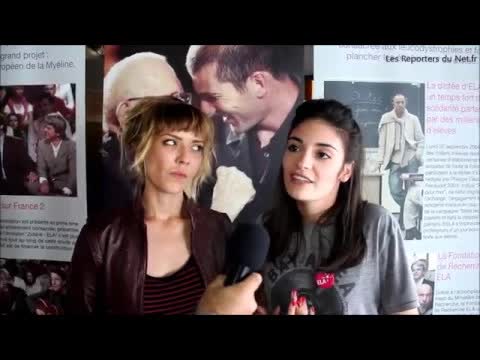
Comédiennes de Plus belle la vie et engagement avec ELA
Les Reporters du Net.fr
What you'll practice
French actors from "Plus belle la vie" discuss their support for the association "ELA" and mention the word "parrainage" in connection to their engagement.
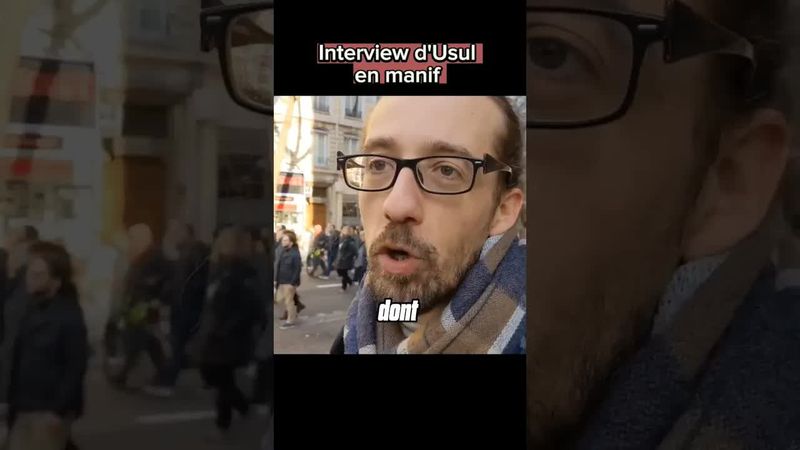
Interview politique en manif contre la réforme des retraites
Alexis J.
What you'll practice
A protest interview shows opinions on the "réforme des retraites" and explains why it is called "une réforme paramétrique" by the speaker.
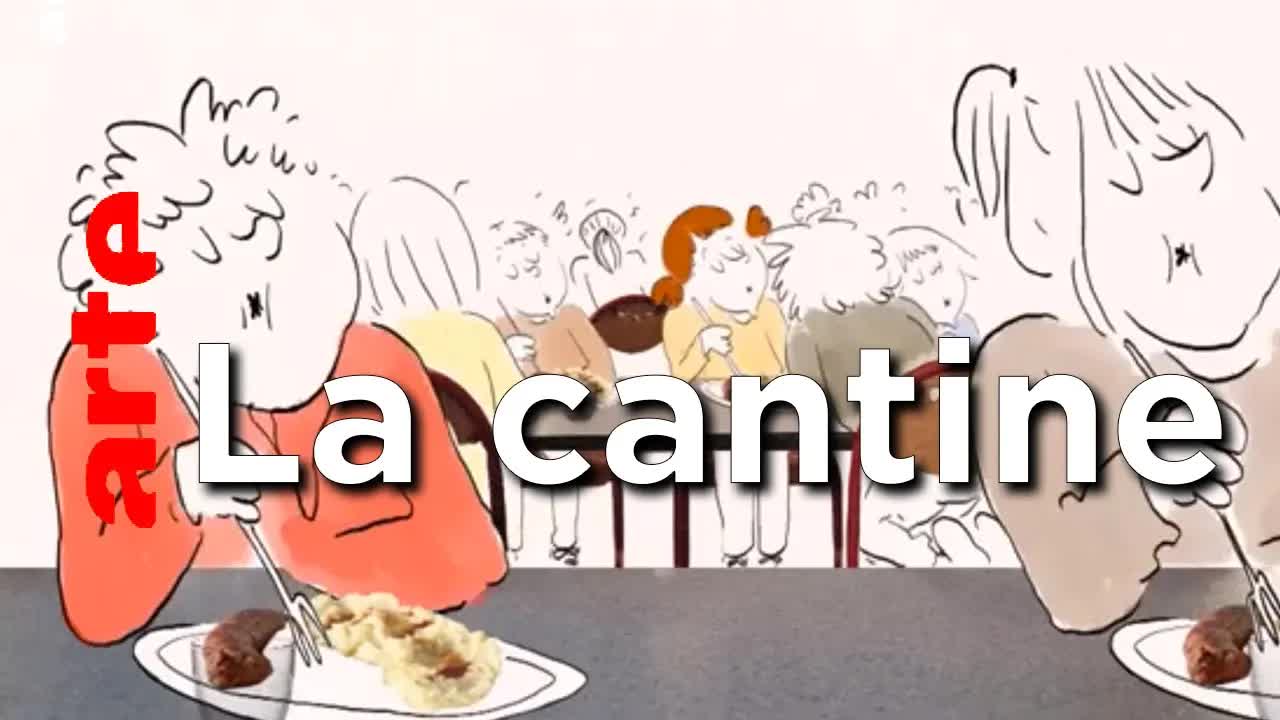
Souvenirs de cantine et repas d’école en France
Karambolage en français - ARTE
What you'll practice
A woman remembers being made to eat camembert daily at the school canteen, and gives the figure of 7 million children.
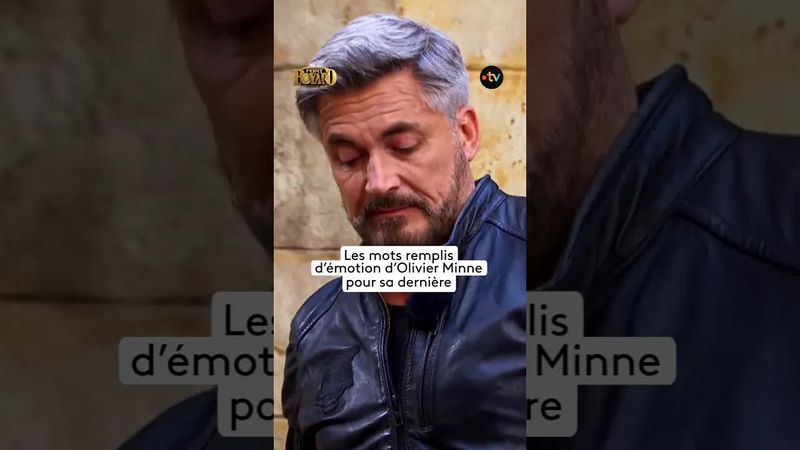
Discours d’adieu d’un animateur à son public
france tv
What you'll practice
A presenter shares personal memories and thanks the audience, showing the close bond built over many years on the show.

Pourquoi l’amour désintéressé n’existe pas
LEGEND
What you'll practice
A speaker argues that no love is truly selfless, following the philosopher Ayn Rand, and defends "égoïsme" as useful.
De la Star Academy à The Voice en Slovaquie
la santé Plus
What you'll practice
A singer from "Star Academy" tries again 15 years later in "The Voice" in Slovakia and wins three coaches' votes.
Commissions et futur abonnement sur BlaBlaCar
France Inter
What you'll practice
A France Inter radio discussion explains how BlaBlaCar plans to change commissions by testing a new "abonnement" system for frequent riders.
Survivante d’un crash, la culpabilité envers son frère
LEGEND
What you'll practice
A crash survivor says she feels she took her brother's place, and names it the "syndrome du survivant".
Pratiquer la gratitude avec ses enfants au quotidien
LEGEND
What you'll practice
A French interview explains how saying "merci" daily helps children learn gratitude by noticing small "kiffs" during family meals.
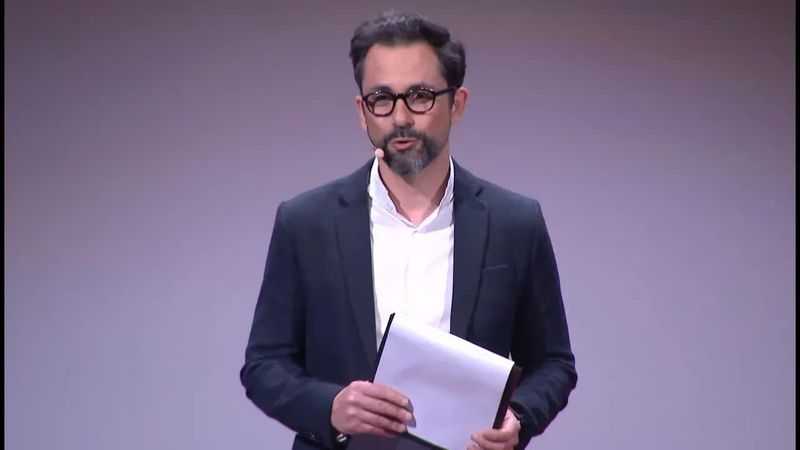
Émotions, dopamine et réseaux sociaux : une introduction TEDx
TEDx Paris
What you'll practice
The presenter introduces emotions and dopamine with a scientific story, inviting listeners to follow the expert's explanation carefully.
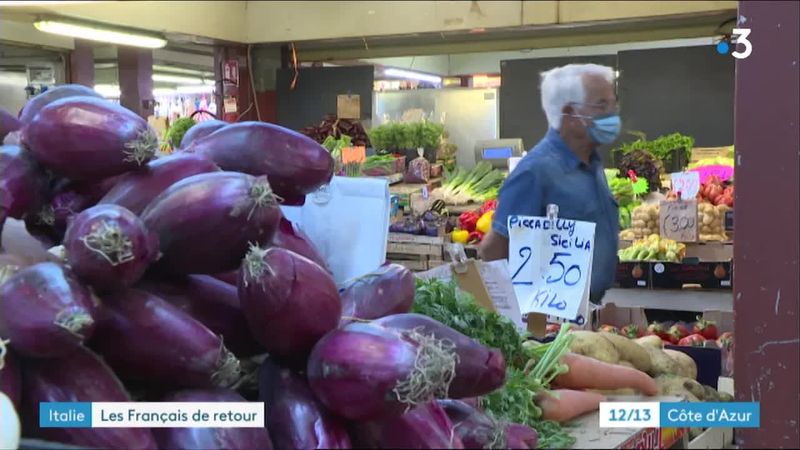
Réouverture du marché de Vintimille et retour des Français
France 3 Provence-Alpes-Côte d'Azur
What you'll practice
A reporter finds the seafront market at Vintimille closed, and a trader shrugs that "une semaine de plus" changes nothing.
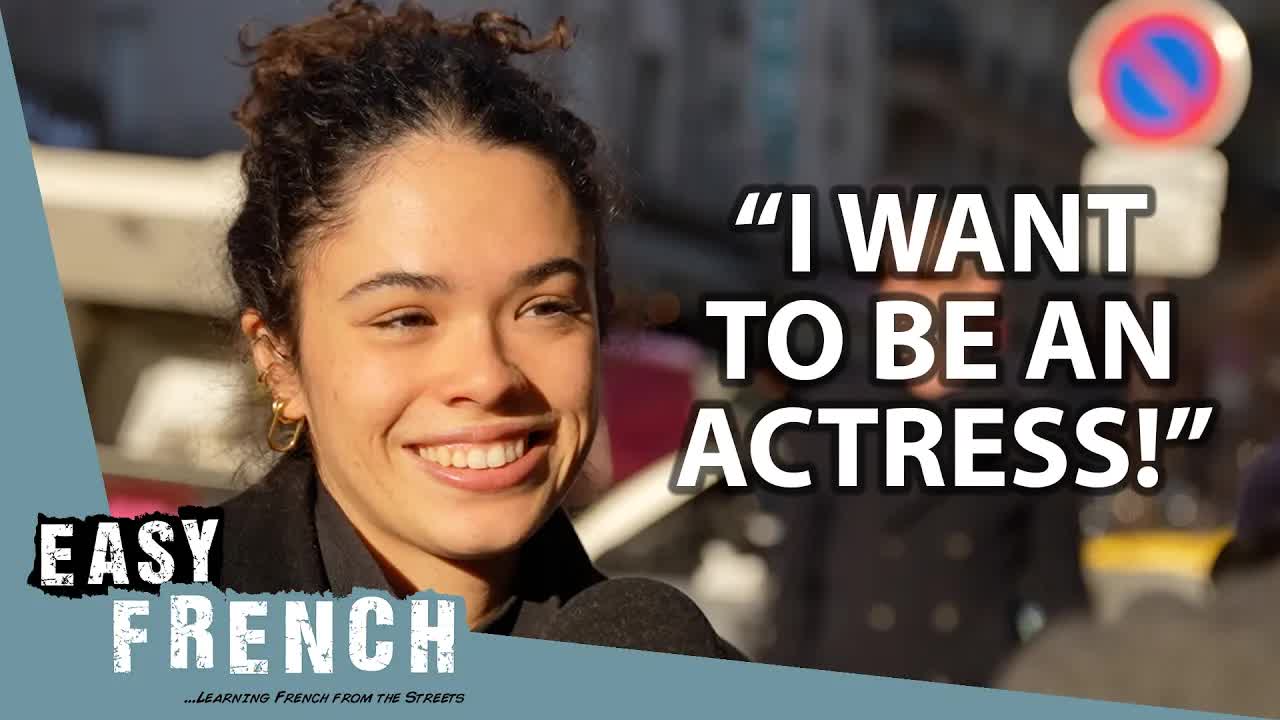
Les derniers emplois pour lesquels les Parisiens postulent
Easy French
What you'll practice
Street interviews in Paris collect short answers about the last job people applied for, including one woman who never applies.

Restrictions covid et reconfinements en France et à l’étranger
HugoDécrypte - Actus du jour
What you'll practice
The linking phrase "Du coup" shows the consequence that many countries adopt strict Covid measures because the Omicron variant spreads very fast.

Macron, McFly et Carlito : politique et YouTube
Piece of French
What you'll practice
French YouTubers Mac Fly and Carlito made a video with President Macron where he jokes and does not talk about politics.

Un renardeau soigné dans un hôpital pour faune sauvage
AP Archive
What you'll practice
A wildlife hospital cares for a young "renard" and explains how they will make a "relâché progressif" to help it return to nature safely.
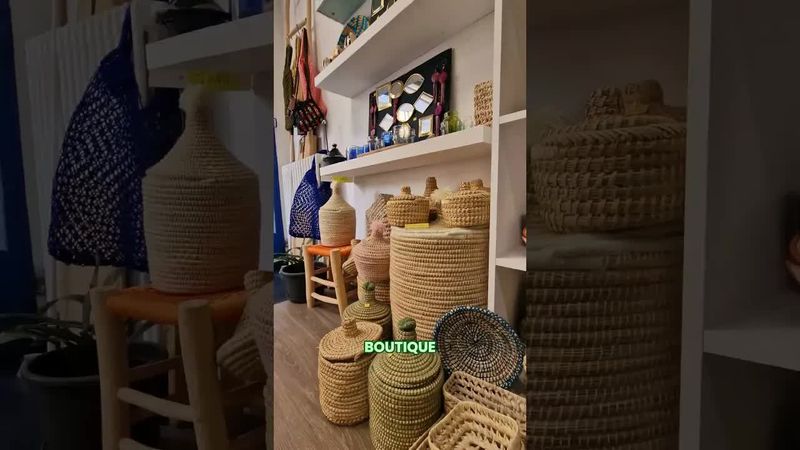
Boutiques coups de cœur à Nice pour épiceries et artisanat
Franklin Scott, Vie à Nice & Immobilier
What you'll practice
A shop tour in Nice visits a store selling only French-made goods, set inside an old medieval house.
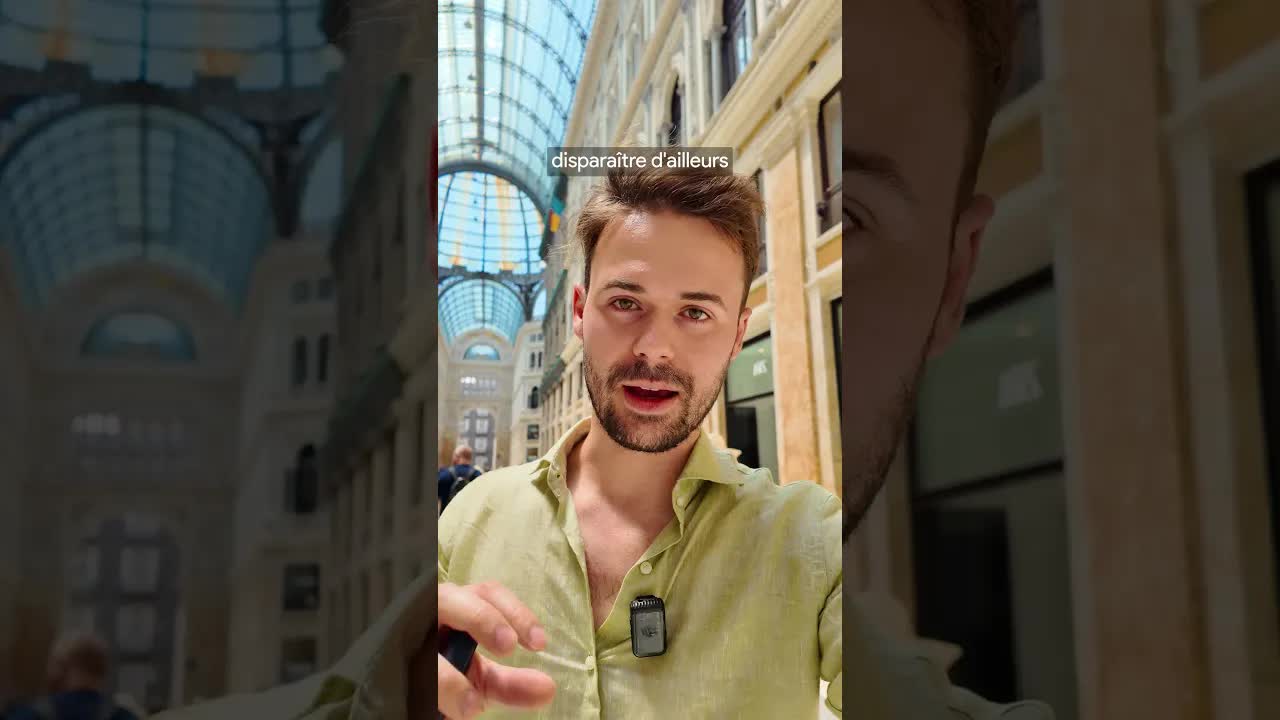
La grotte bleue secrète de Capri expliquée
Alexis Ferragne
What you'll practice
Visitors must lie down to enter the narrow Grotta Azzurra in Capri, which was a private pool for Emperor Tiberius 2000 years ago.
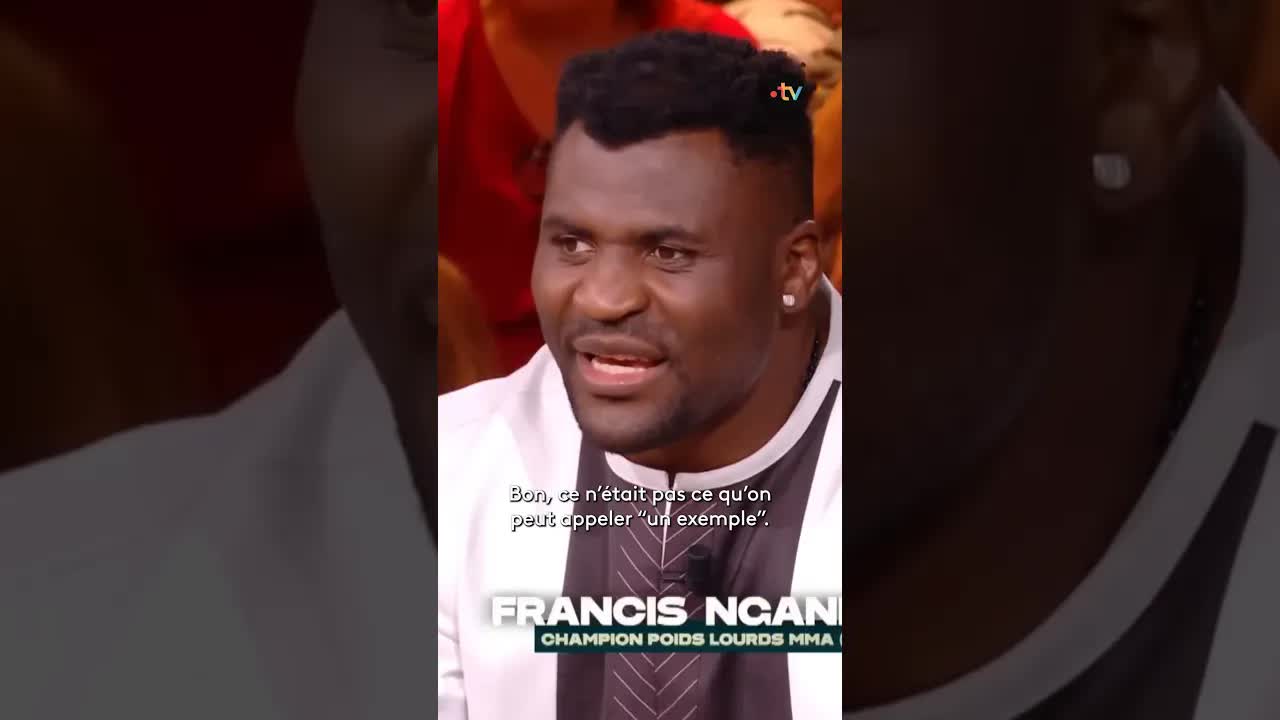
Francis Ngannou raconte son enfance et son père
Quelle époque ! - France Télévisions
What you'll practice
Francis Ngannou talks about his family and how he learned from his father's absence and difficulties in life.

Ce qui me manque (et pas) de la France
Le Corps La Maison L'esprit
What you'll practice
A report describes what someone misses about France, including "les plats en chocolat" and the late sunset, while noting things that do not miss like French organization and politics.

Débat sur les notes et les pastilles de couleur
LEGEND
What you'll practice
A conversation about replacing school grades with "pastilles de couleur" shows how students still compare these to traditional notes.

Philosophie du destin et comment le provoquer
LEGEND
What you'll practice
A debate about destiny contrasts the idea that "tout est écrit" with the need to "provoquer le hasard" by acting, not just waiting.
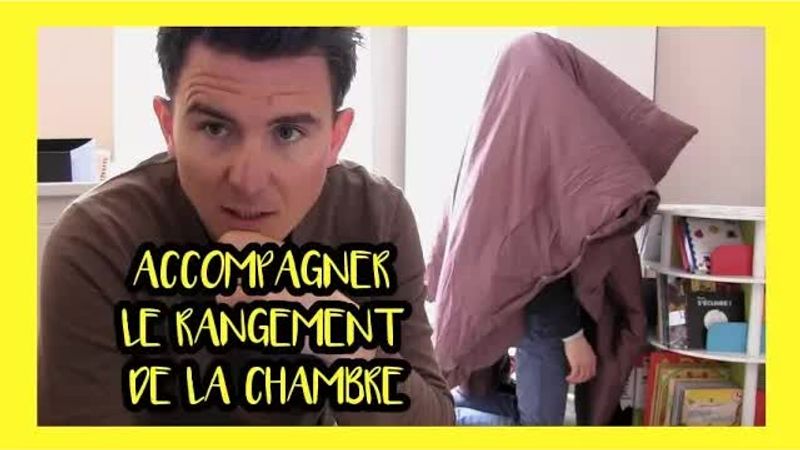
Ranger la chambre d’enfant sans perdre la tête
Pères indignes
What you'll practice
Two people tidy a child's bedroom and disagree about method, starting from the advice to crouch to the child's height.

Le retour du tutoiement dans les offres d’emploi
French With Panache
What you'll practice
Job ads in France use the informal "tu" more now than "vous"; notice how this change is shown with numbers.
The test
What does the B2 listening test look like?
The listening part (compréhension de l'oral) takes about 30 minutes and is worth 25 points. There are about 15 minutes of audio in total, and every question is multiple choice. Here is what you hear:
Exercise 1
A radio programme of about three minutes. A presenter and a journalist or an expert discuss something in the news.
Twice
Exercise 2
A second radio programme of about the same length, on another subject, often working life or health.
Twice
Exercise 3
Three short recordings of about a minute each. In each one a person explains a change or defends an opinion.
Once
The French is standard French from radio and television, not a strong regional accent.
The two long programmes play twice. The three short recordings play once each, so you get a single chance at those seven points.
Speakers argue, correct each other, and often suggest what they think instead of saying it plainly. That is the real step up from B1.
You need 50 points out of 100 to get the diploma, and at least 5 out of 25 in every part, so one weak part can cost you the whole exam.
Level and words
What level and how many words do I need?
Listening needs far fewer words than reading. Research shows that about 3,000 common words cover roughly 95% of normal speech, and the first 1,000 words cover most of what people say.
At B2 the missing words are rarely what stops you. The speed is, and so is following an argument that changes direction. Video helps with both, because the pictures tell you what the report is about while your ear catches up.
Watch videos with visual cues, on YouTube or here on Reelang.
Based on research
Nation (2006) About 3,000 common word families cover roughly 95% of everyday spoken English; reading needs far more.
Webb (2021) The most frequent 1,000 words alone cover most of what people say in speech.
Durbahn et al. (2024) Video is easier to understand at a given vocabulary size, because the pictures help you guess.
Ways to practice
Common ways people practice
There is no single right way. People use a mix of these, and the free pack above works as a companion to any of them.
A class or a teacher
French news radio, like France Info, France Inter or RFI
Documentaries and podcasts about real subjects, not about learning French
Watching real French videos at your level
Start watching now, no email needed
Explore every B2 French video in the catalog
Good to know
Frequently asked questions
How was this DELF B2 pack chosen?
We did the searching for you. We check thousands of French videos and measure each one: its level, how fast it is spoken in words a minute, and how many of its words are common. For this pack we kept videos at the B2 level in standard French, at a speed close to the test (around 199 words a minute), where about 97% of the words are among the most common in spoken French. Then we read the transcripts by hand to keep the everyday topics the test uses, and we put the clearest, most visual videos first. About 3,000 common words already cover roughly 95% of normal speech (Nation 2006), so this kind of content matches the test well.
What kind of videos should I practice with for DELF B2 listening?
Use real French from radio and television, spoken at a normal broadcast speed, where someone explains a subject or argues a point. Pick the news and society topics the test uses, like society and current affairs, history and culture, leisure and social life, science and nature, media and health. You do not need rare words. About 3,000 common words cover most of normal speech (Nation 2006), so content built from the most common spoken words matches the test well. A good mix is a radio programme where a presenter questions an expert, plus a short piece where one person defends an opinion, because the test uses both. That is exactly how the free pack of 79 videos above was put together.
Does the DELF B2 listening audio play once or twice?
Both, and that is what catches people out. The two radio programmes at the start are played twice, with a pause in between. The three short recordings at the end are played once each. Keep your concentration for that last part, because there is no second chance there.
Is B2 enough for French nationality?
B2 is the level asked for now. Since 1 January 2026, applications for French nationality, including through marriage, ask for B2 in French in both speaking and writing, where B1 was enough before. A DELF B2 diploma is one common way people prove it, and unlike a test result it does not expire.
What is the difference between DELF B1 and DELF B2 listening?
At B1 you follow everyday conversations and simple radio programmes, and every recording is played twice. At B2 the subjects come from the news, the speakers argue and contradict each other, and the last three recordings are played only once. The B1 test also asks what happened, while the B2 test asks what people think and why.
Can I prepare for free?
Yes. The most exam-like free practice is the official DELF B2 sample papers, which come with the audio, the answer key and the transcripts. After that, the best free thing you can do is listen to a lot of real French at your level. Start with the videos above, or watch more on YouTube or here on Reelang.
How long does it take to go from B1 to B2 listening?
There is no honest single number. It depends on how much French you hear each week and how close your first language is to French. What moves people fastest is regular listening to real French that is a little harder than they find comfortable, rather than long study sessions now and then.