Catalan dinleme pratiği · A2 · Sağlam temel
What does “vet aquí un gos, vet aquí un gat” mean in Catalan?
La Rínxols d'Or: Un conte clàssic per a nens
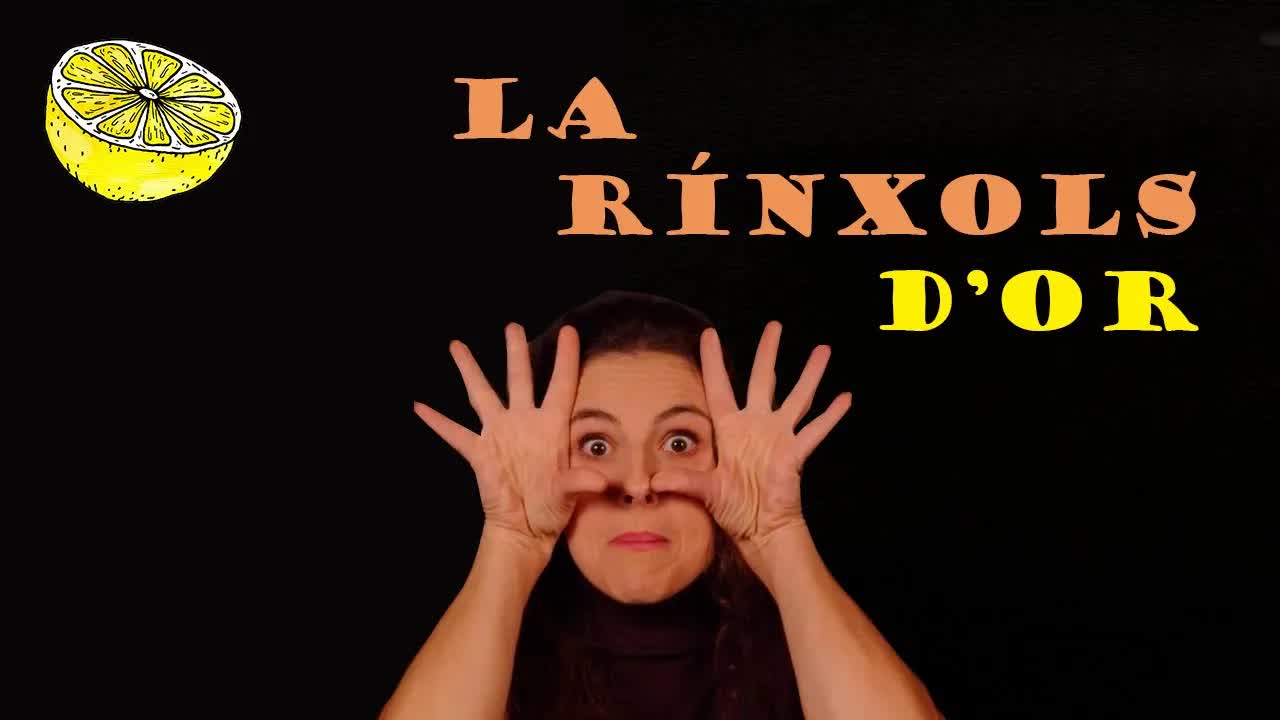


Gisela Llimona, YouTube üzerinden. Orijinali izle
the “and that’s the end” rhyme that closes a Catalan folk tale
Catalan tales do not end with “the end”. They end with a rhyme: vet aquí un gos, vet aquí un gat, aquest conte s’ha acabat, literally “here you see a dog, here you see a cat, this tale is over”. The dog and cat have nothing to do with the story. They exist to rhyme with the closing line, like a spoken full stop that children expect to hear.
This is one of the fixed closing formulas of the Catalan rondalla tradition. Other versions swap the last line, for example “aquest conte ja s’ha fos”, and the best-known closer is “conte contat, ja està acabat”. Tellers of folk tales also use set openings such as “hi havia una vegada” (once upon a time), so the whole tale is framed by formulas. In the clip, the Goldilocks story ends exactly this way: “I vet aquí un gos, vet aquí un gat que aquest conte s’ha acabat.” Note the two forms of the verb: “s’ha acabat” (it has finished) and the playful “s’ha fos” (it has melted away).
Bunun gibi diğer klipler
Planificar una trobada amb amics a Catalunya
Com preparar el braç de gitano de patata
El conte del pingüí mut per a nens
Els Tres Porquets i el Llop: Un conte clàssic
El Monstre de Colors: Explicació d'emocions per a nens
La senyora Anna recorda la seva infantesa
Gerçek videolardan öğren
Bunun gibi binlerce klip, izledikçe seviyene göre ayarlanır.