Практика аудіювання: Telugu · A2 · Впевнений початківець
What does “పర్వాలేదు” (parvaledu) mean in Telugu?
బంధువులు మన దగ్గర ఏం ఆశిస్తారో
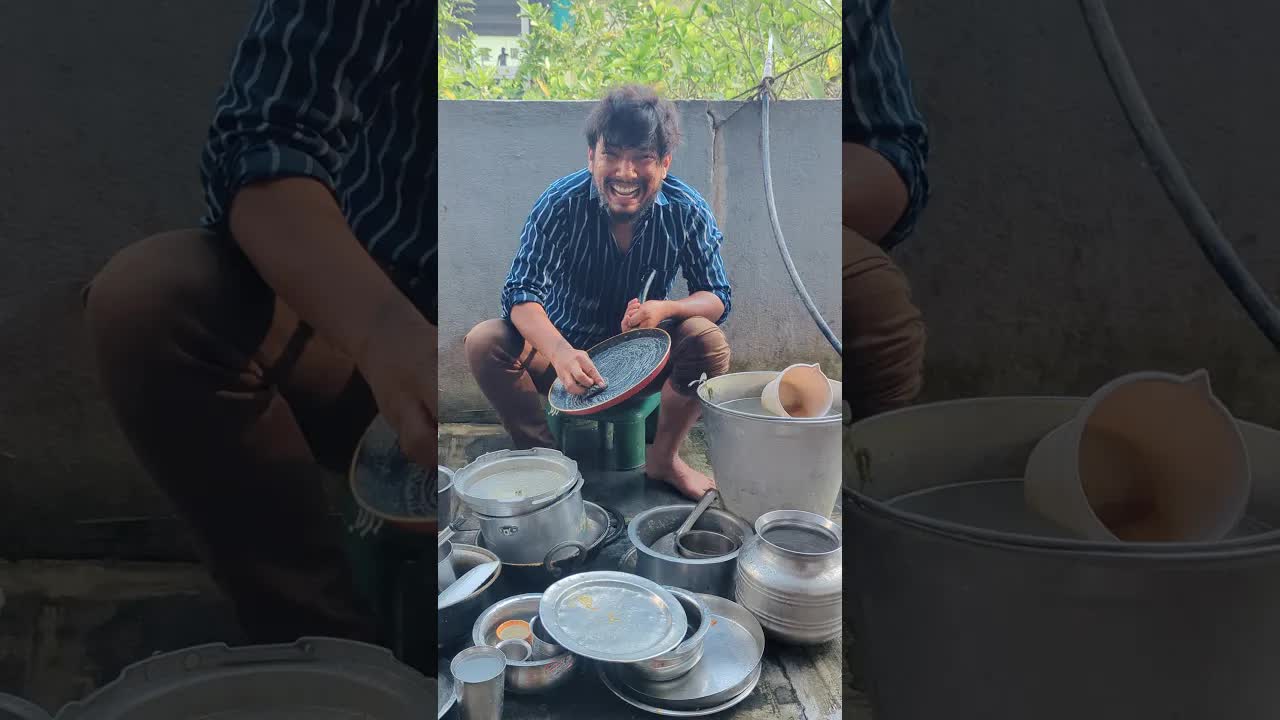


Від Asif Dramaz на YouTube. Дивитися оригінал
“it’s fine / no problem”; literally “no care”, from a Persian-origin word
పర్వాలేదు (parvālēdu) is the Telugu way to say “never mind” or “it’s fine”, and it is built from a borrowed word. Parvā means care or concern, taken into Telugu via Hindustani from Persian, and లేదు (lēdu) is the native “there is none”. So you are literally saying “there is no concern”, which is how you wave off a thanks, an apology or a small mess.
Spelling varies: you will also see పరవాలేదు (paravālēdu) and ఫరవాలేదు. Adding the polite particle అండి (aṇḍi), as speakers do, makes it softer and more respectful. The clip is a family visit where hosts and guests keep insisting on it: పర్వాలేదండి నేను కడిగేస్తాము (it’s fine, I’ll wash up). It is the polite refusal of help that Telugu hospitality runs on, and it fits both “don’t worry about it” and “it’s okay, really”. The word can also express that something is acceptable or not bad.
Більше таких роликів

రాయలసీమ స్టైల్ పప్పుల పొడి సింపుల్ రెసిపీ

మంచం కింద దయ్యం ఉందా? కామెడీ సీన్

బచ్చల కూర రోటి పచ్చడి ఎలా చేయాలి

తమ్ముడు డాన్స్పై ఫన్నీ ఫ్యామిలీ రియాక్షన్

బెండకాయ పులుసు రుచిగా ఎలా ఉంటుందో చూద్దాం

మా ఫస్ట్ తెలుగు ఫ్యామిలీ వ్లాగ్ పరిచయం
Вчися зі справжніх відео
Тисячі таких роликів, дібраних під твій рівень просто під час перегляду.