Практика аудіювання японської мови · C1 · Розуміння без зусиль
What does “〜漬け” mean in Japanese?
英語漬けは逆効果?バイリンガル育児の真実
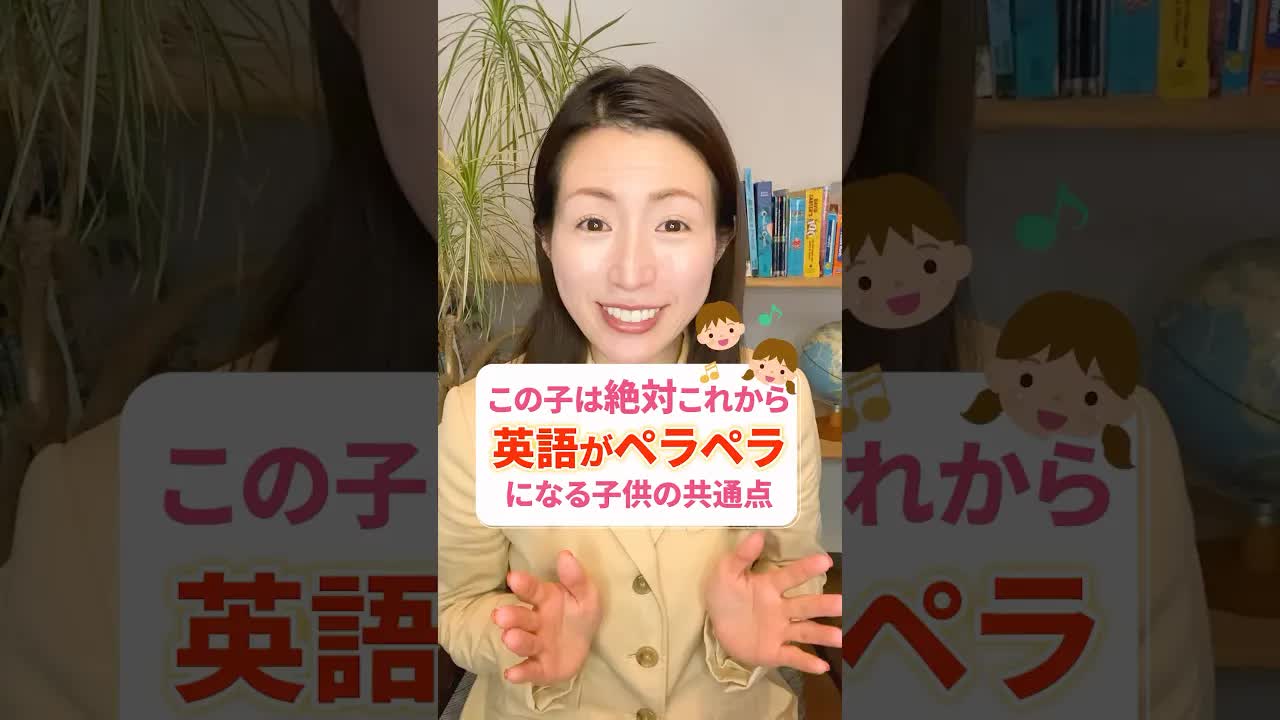


Від 元インター園長ママ | おうち英語の専門家Yuri на YouTube. Дивитися оригінал
英語漬け: 'pickled in English', meaning totally immersed, sometimes to a fault.
〜漬け (-zuke) comes from the verb 漬ける, to pickle or soak. Attached to a noun, it means being steeped in that thing or unable to do without it. 勉強漬け is nonstop studying, 薬漬け is being overloaded with medication. It can sound neutral, but often hints that the immersion is excessive.
In the clip, a former international-school principal warns against 英語漬け, raising a child entirely in English, and says to build a base in Japanese first: 「英語漬けにするんじゃなくて、日本語と英語のバランスを考えて」. The pickle image makes the speaker’s worry clear: too much soaking in one language. So 英語漬けの毎日 means 'days soaked in English'. It is the standard word for language immersion in Japan, though the nuance is not always positive.