Luyện nghe Esperanto · B2 · Chủ đề khó cũng ổn
What does “tagordo” mean in Esperanto?
Ŝanĝoj en la ĉinaj du sesioj dum la pandemio
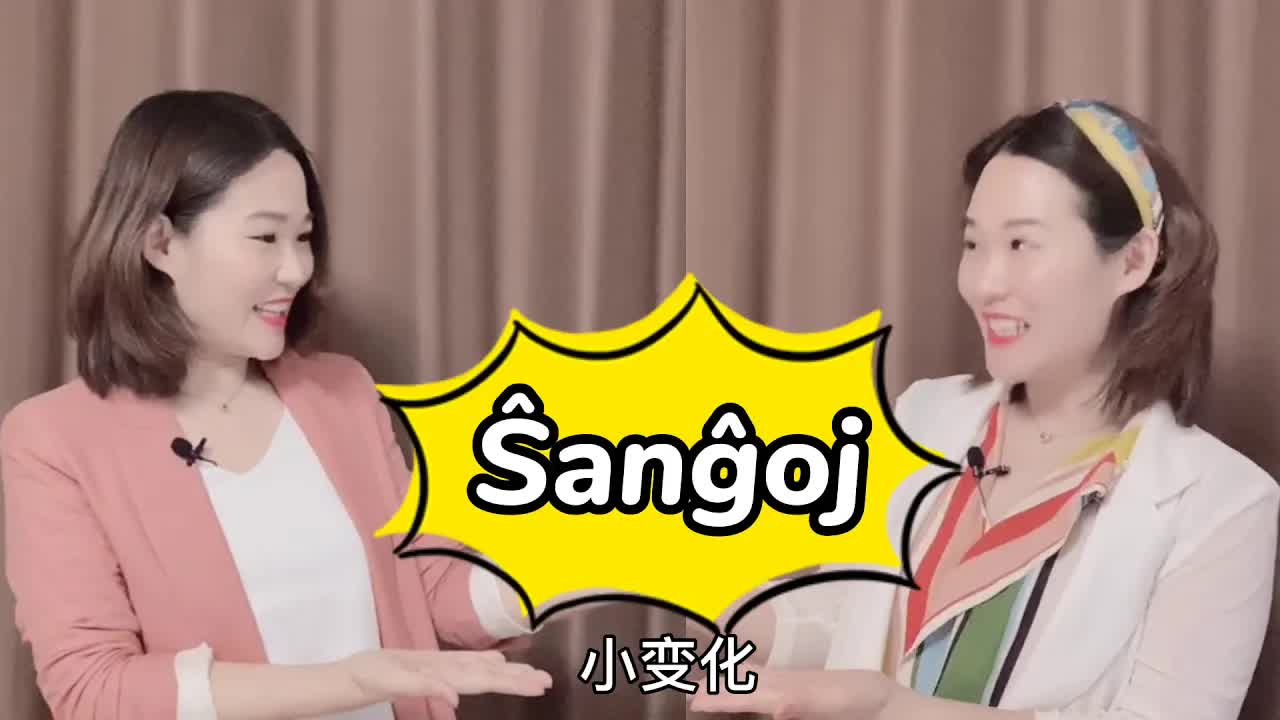


Từ Shanny Love Esperanto 💚 trên YouTube. Xem bản gốc
Tagordo literally means “day order”: the list of things to handle, which is how Esperanto says “agenda”.
Tagordo is Esperanto for “agenda”: the list of items a meeting will handle. It is plain to read once you split it: tago (day) + ordo (order), so literally the order of the day. The Reta Vortaro defines it as a list of tasks or activities for the day or a set time, including the agenda of a meeting. English has the same idea in “order of the day”.
In the clip, a presenter on the Chinese parliament’s “two sessions” says: “Grava unu minuto estis aldonita al tagordo de la du sesioj.” A minute of silence for the dead was added to the agenda. The dictionary also lists a military sense, the daily orders given to soldiers. A formal meeting says “Ni iru al la tagordo” when it moves on to business, though this phrase is not from the clip.
Thêm clip tương tự
Oni supozis: Mikronovelo pri malapero

Eta ĝisdatigo pri mia vivo kun bebo

Kion Mi Ŝanĝus Pri Esperanto: Tridektaga Defio #5

Mi Kreis Patreon-Paĝon por Subteni Esperanton

Oni Devus Civilizigi La Kapitalismon

Kio estas Amoro? Enkonduko al ASMR
Học từ video thật
Hàng nghìn clip như clip này, phù hợp trình độ của bạn khi xem.