Luyện nghe Esperanto · B2 · Chủ đề khó cũng ổn
What do “paĉjo” and “panjo” mean in Esperanto?
Kion Mi Ŝanĝus Pri Esperanto: Tridektaga Defio #5



Từ Barbara Brown trên YouTube. Xem bản gốc
Paĉjo and panjo are the cuddly 'daddy' and 'mummy', made with the affectionate suffixes -ĉj- and -nj-.
Paĉjo means 'daddy' and panjo 'mummy': the warm, childlike versions of patro and patrino. Esperanto makes them by clipping the root and adding the diminutive -ĉj- for males or -nj- for females. The same trick works on names, so Johano becomes Joĉjo and Maria becomes Manjo. It is informal and affectionate, suited to family speech.
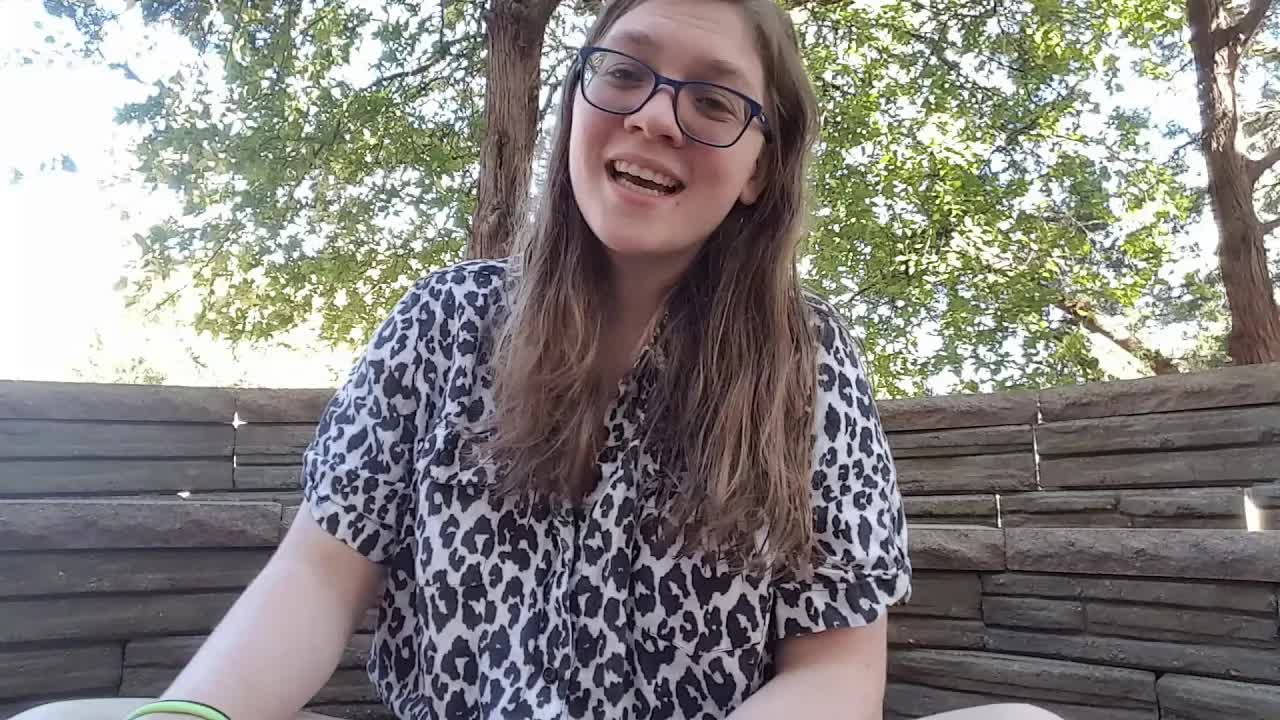
In the clip, the speaker mentions caring for children professionally and talking a lot about their 'paĉjo kaj panjo', where the plain 'patro kaj patrino' would sound stiff. The same speaker wishes for more gender-neutral words and points out that gepatroj, 'parents', works through the prefix ge-. Formal register keeps patro and patrino; use paĉjo and panjo among family and friends.
Thêm clip tương tự
Oni Devus Civilizigi La Kapitalismon
Oni supozis: Mikronovelo pri malapero

Rakonto pri la gluotubo kaj vivo
Ŝanĝoj en la ĉinaj du sesioj dum la pandemio
Filmo pri reĝido kaj lia edzino
Eta ĝisdatigo pri mia vivo kun bebo
Học từ video thật
Hàng nghìn clip như clip này, phù hợp trình độ của bạn khi xem.