Exercices d’écoute en Esperanto · B2 · Même les sujets complexes
What does “tagordo” mean in Esperanto?
Ŝanĝoj en la ĉinaj du sesioj dum la pandemio
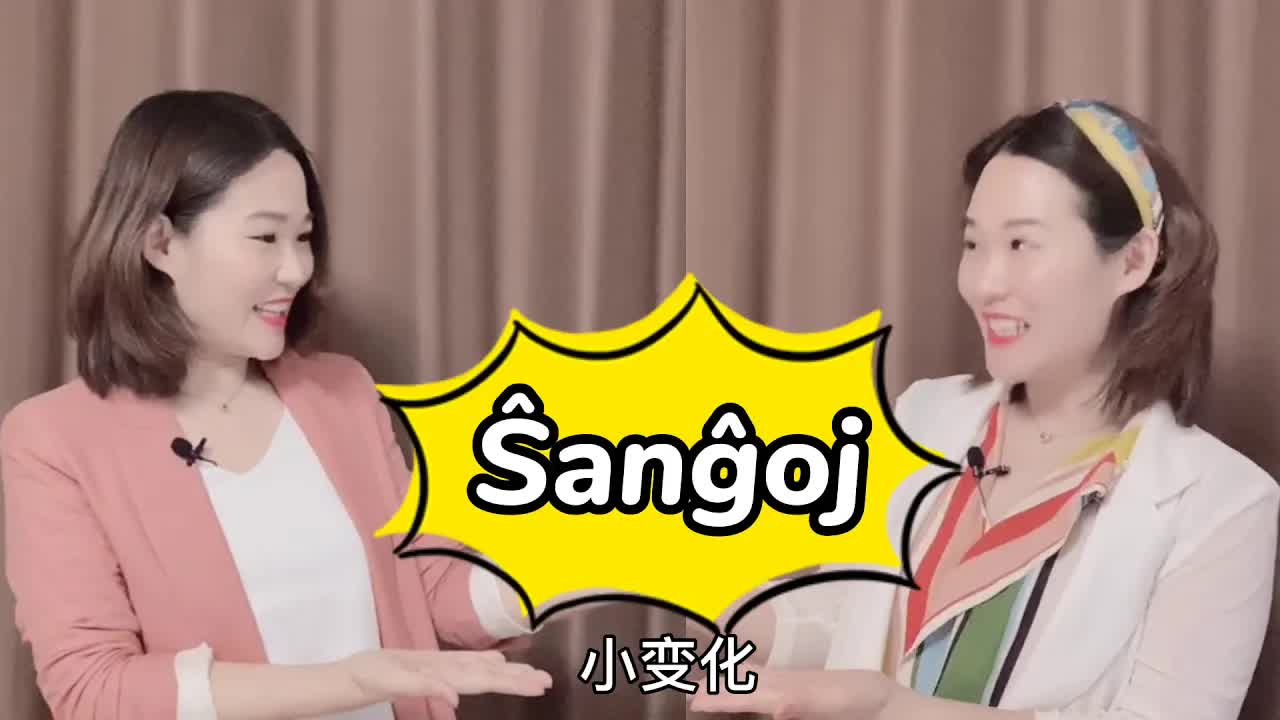


De Shanny Love Esperanto 💚 sur YouTube. Voir l’original
Tagordo literally means “day order”: the list of things to handle, which is how Esperanto says “agenda”.
Tagordo is Esperanto for “agenda”: the list of items a meeting will handle. It is plain to read once you split it: tago (day) + ordo (order), so literally the order of the day. The Reta Vortaro defines it as a list of tasks or activities for the day or a set time, including the agenda of a meeting. English has the same idea in “order of the day”.
In the clip, a presenter on the Chinese parliament’s “two sessions” says: “Grava unu minuto estis aldonita al tagordo de la du sesioj.” A minute of silence for the dead was added to the agenda. The dictionary also lists a military sense, the daily orders given to soldiers. A formal meeting says “Ni iru al la tagordo” when it moves on to business, though this phrase is not from the clip.
Plus de clips comme celui-ci
Oni supozis: Mikronovelo pri malapero

Eta ĝisdatigo pri mia vivo kun bebo

Kion Mi Ŝanĝus Pri Esperanto: Tridektaga Defio #5

Mi Kreis Patreon-Paĝon por Subteni Esperanton

Oni Devus Civilizigi La Kapitalismon

Kio estas Amoro? Enkonduko al ASMR
Apprends avec de vraies vidéos
Des milliers de clips comme celui-ci, adaptés à ton niveau pendant que tu regardes.