Free Danish learning app
Danish learning that doesn’t feel like studying
Real native Danish videos at your level.
Reelang is a Danish learning app built on real native-speaker videos, graded to your level. Learn from the TikToks, Reels and YouTube videos people actually watch, and your feed adjusts as you watch.
Reelang starts you on easier Danish clips and learns from what you follow, skip and look up, so every video sits just past what you already understand. No placement quiz, no signup to start.
2,613
Danish videos
Reelang handles the need for variety ingeniously: an algorithm-based feed that takes your level and your interests into account. It's a dream way to learn languages, and it replaced my doomscrolling.
Level
Speed
Topic
Recommended Danish videos
Showing 24 of 2,200 videos
















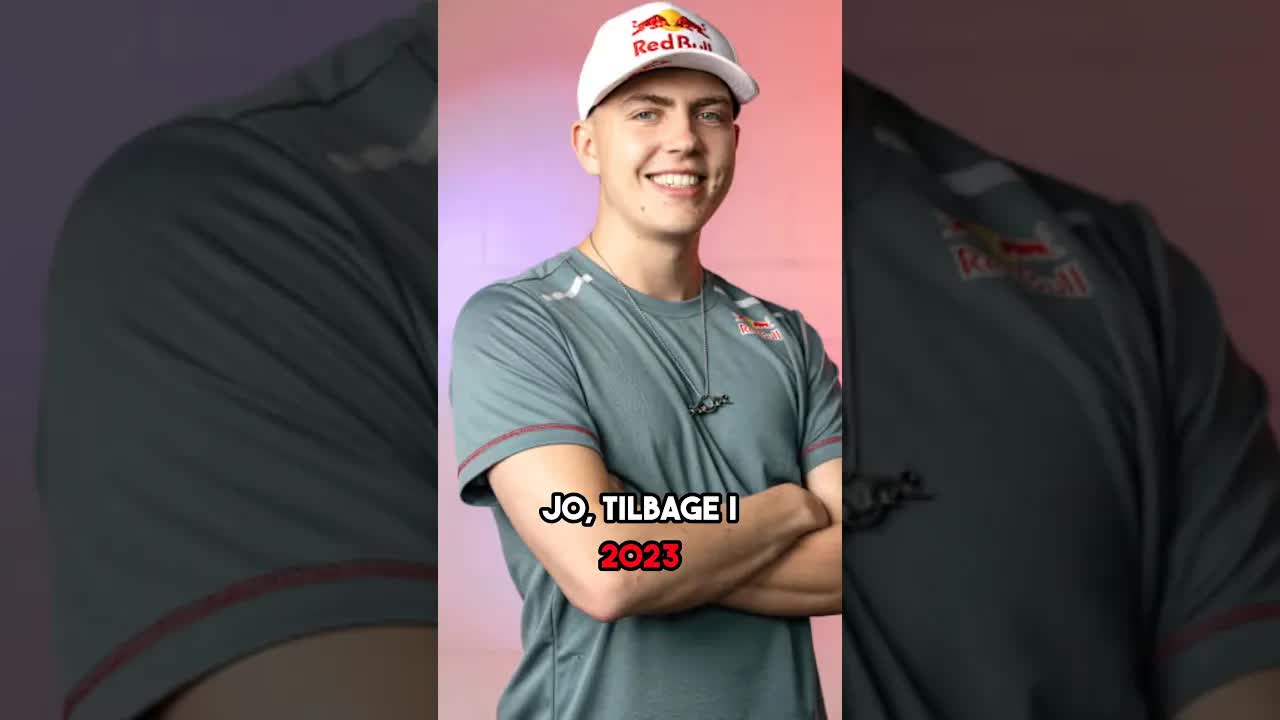

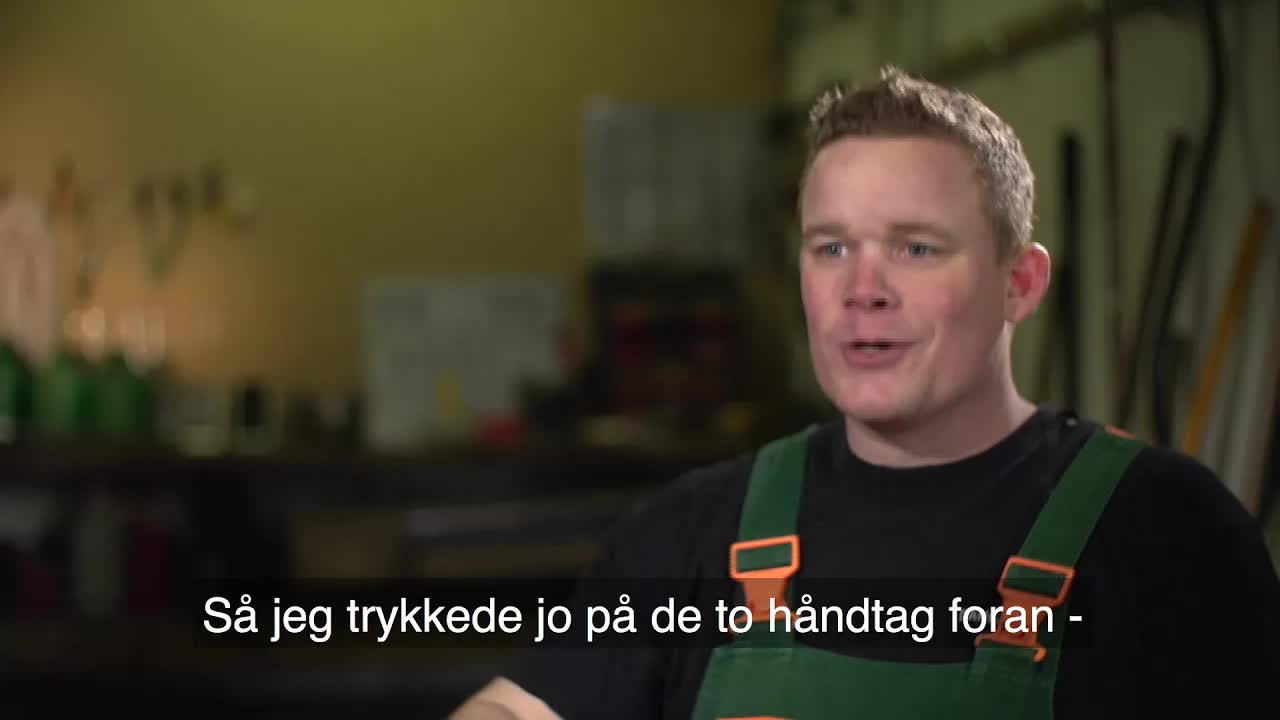


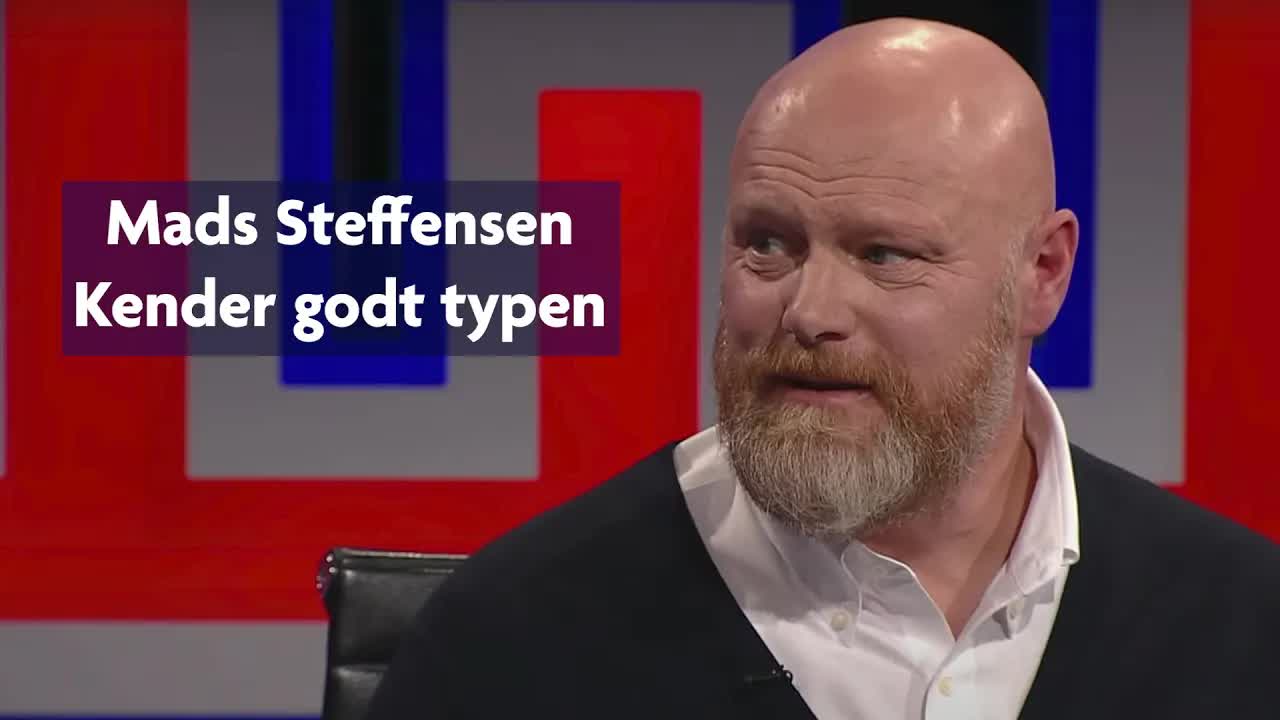
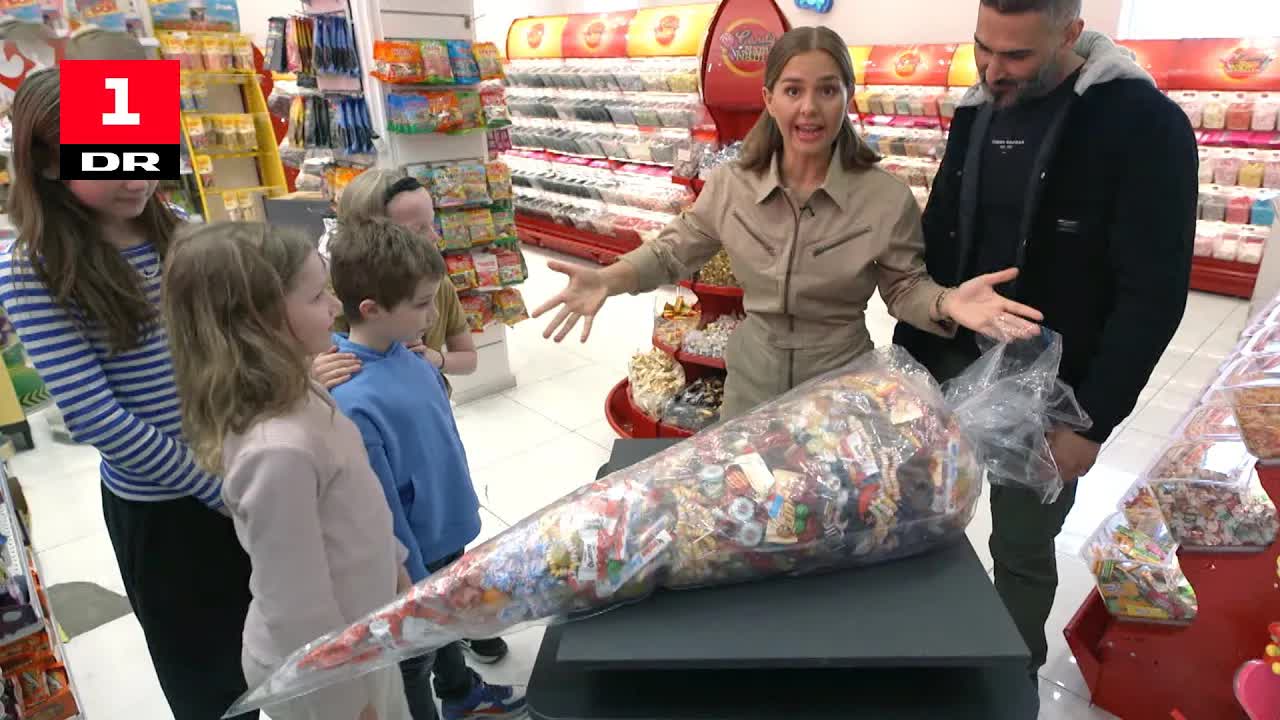
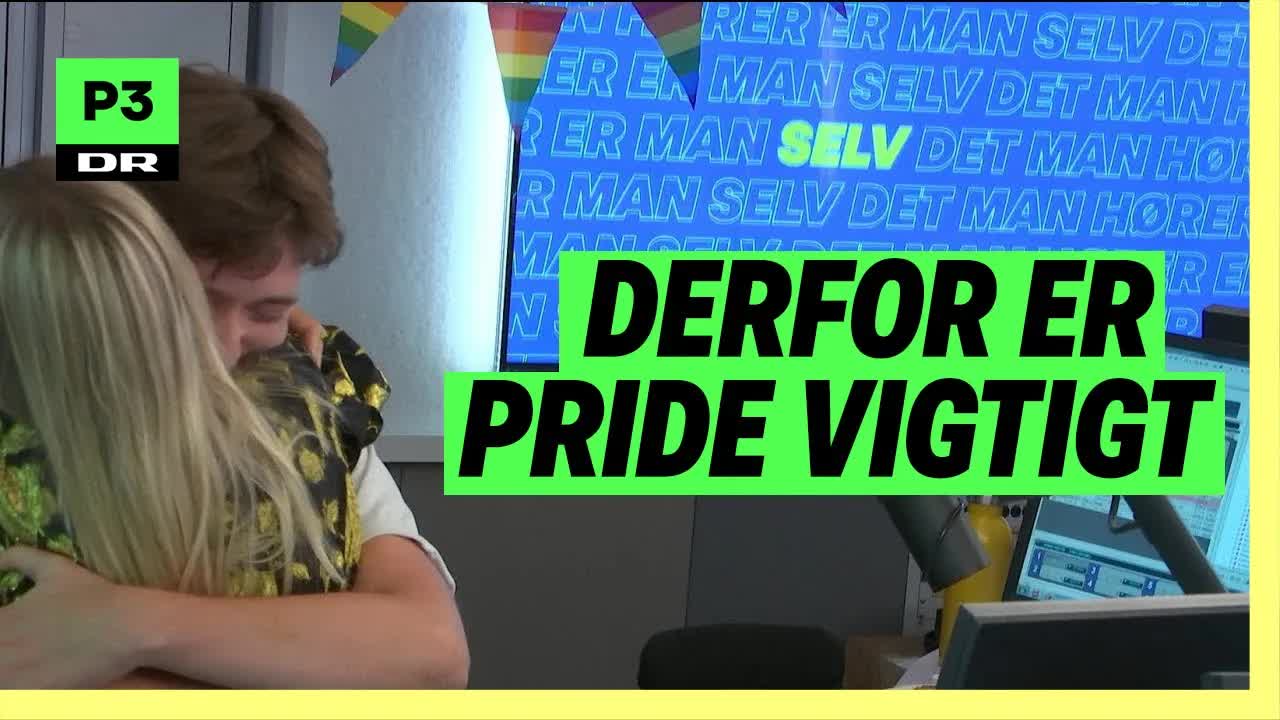


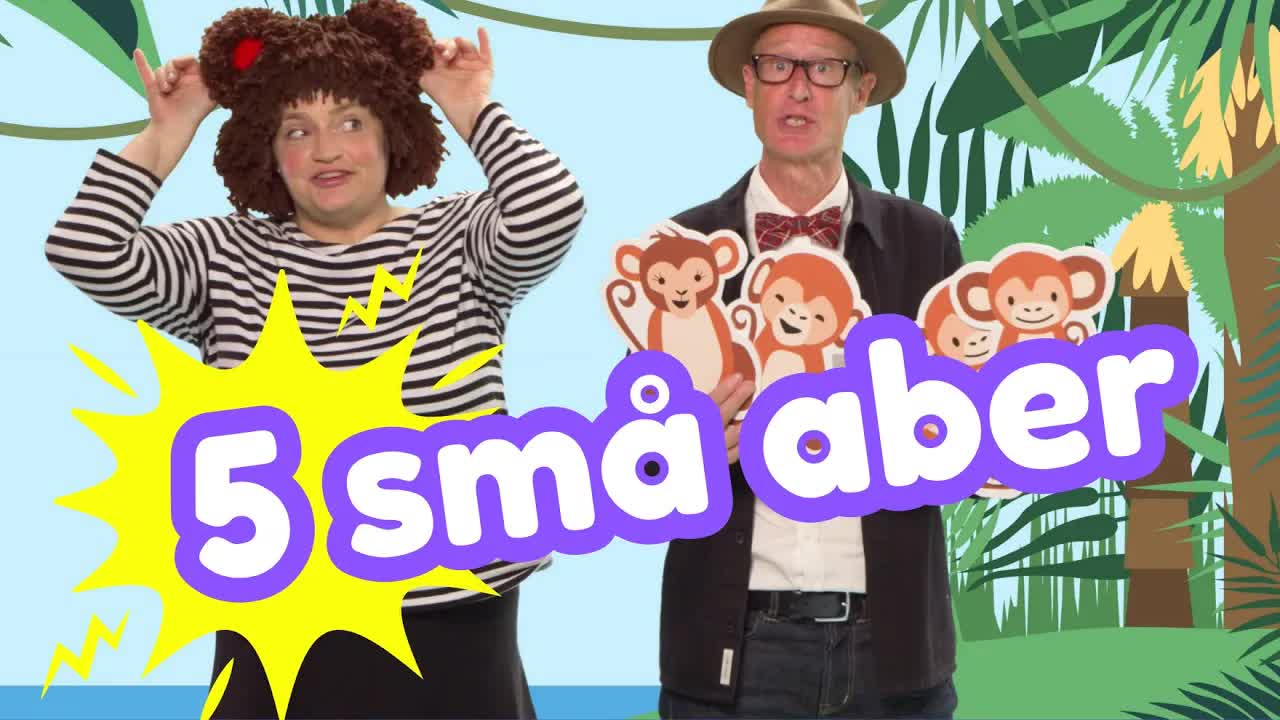
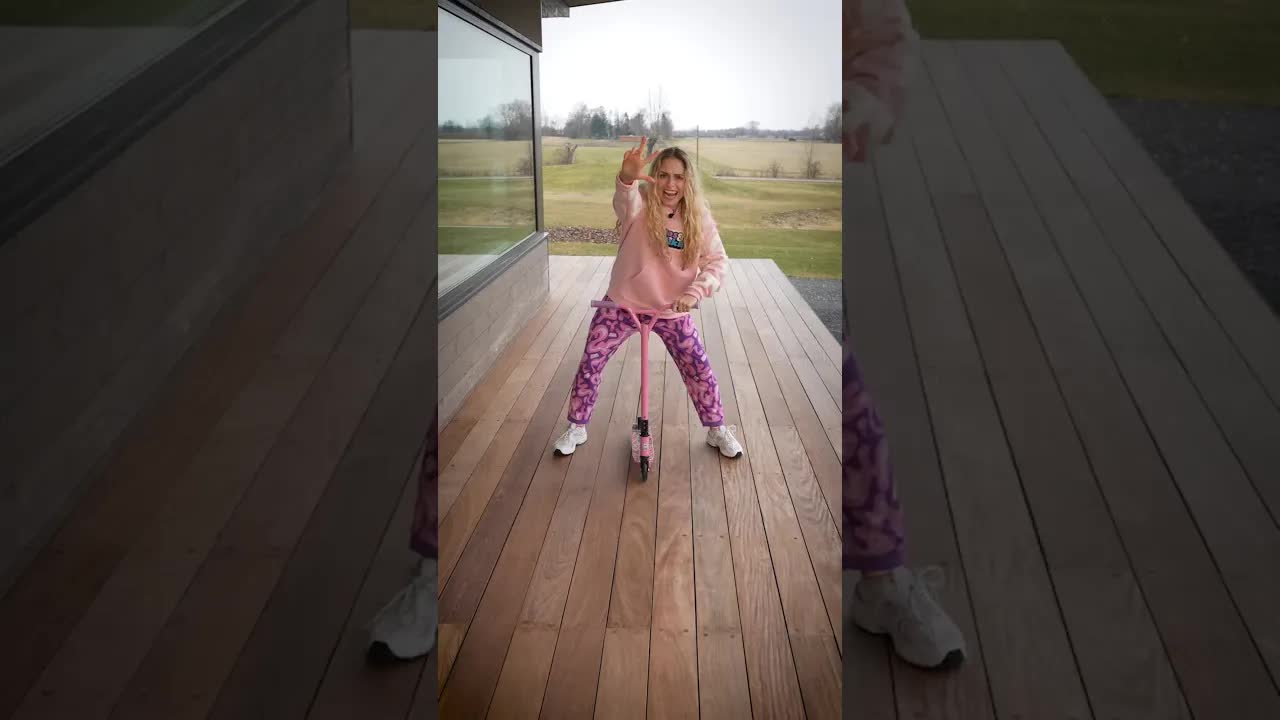
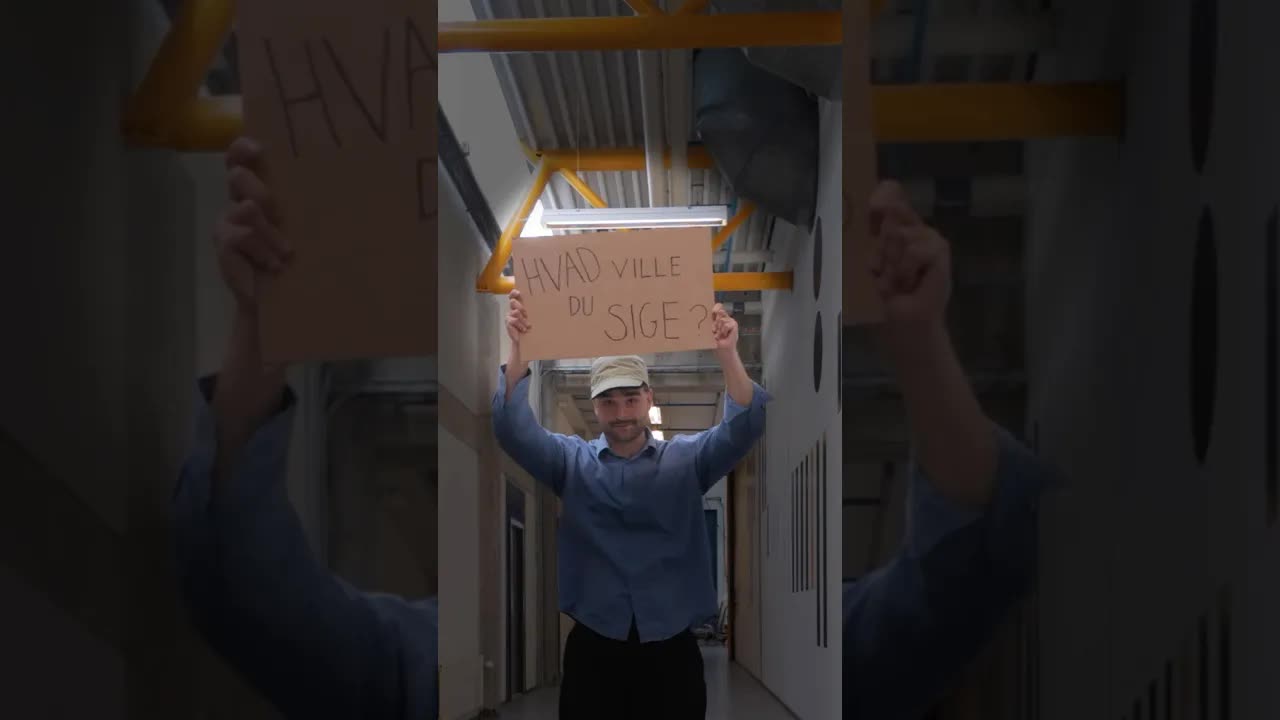

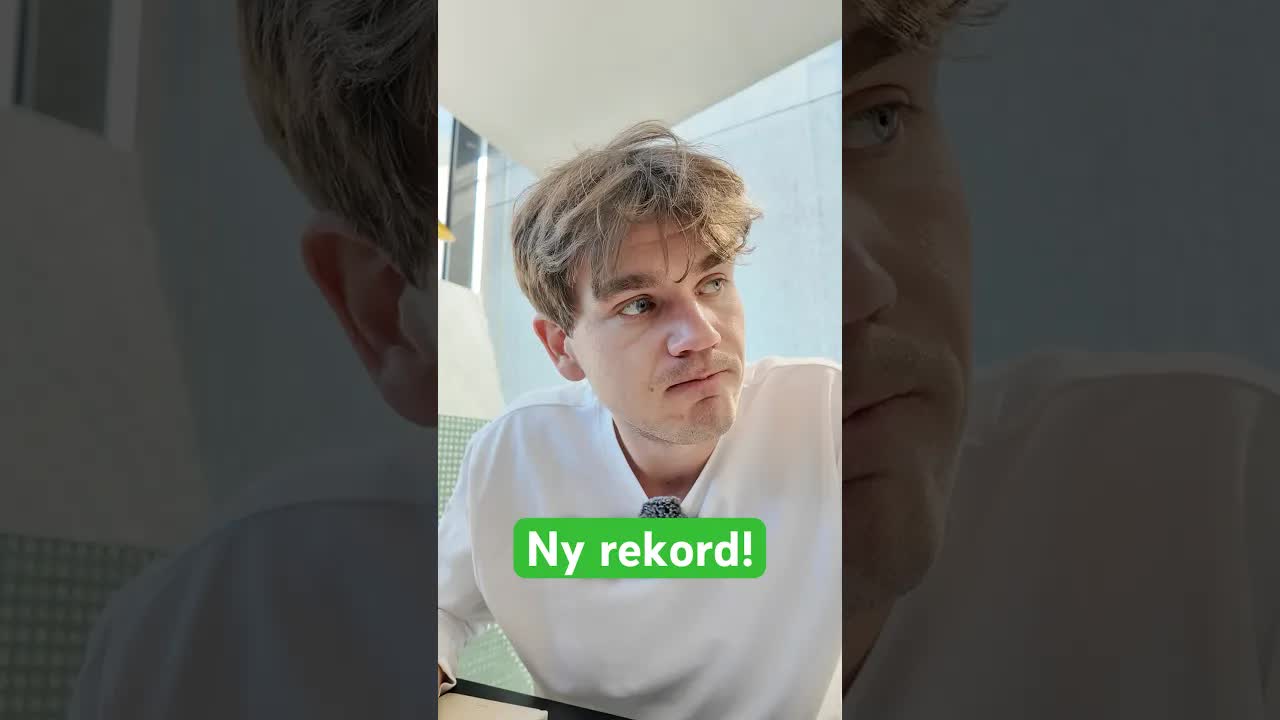



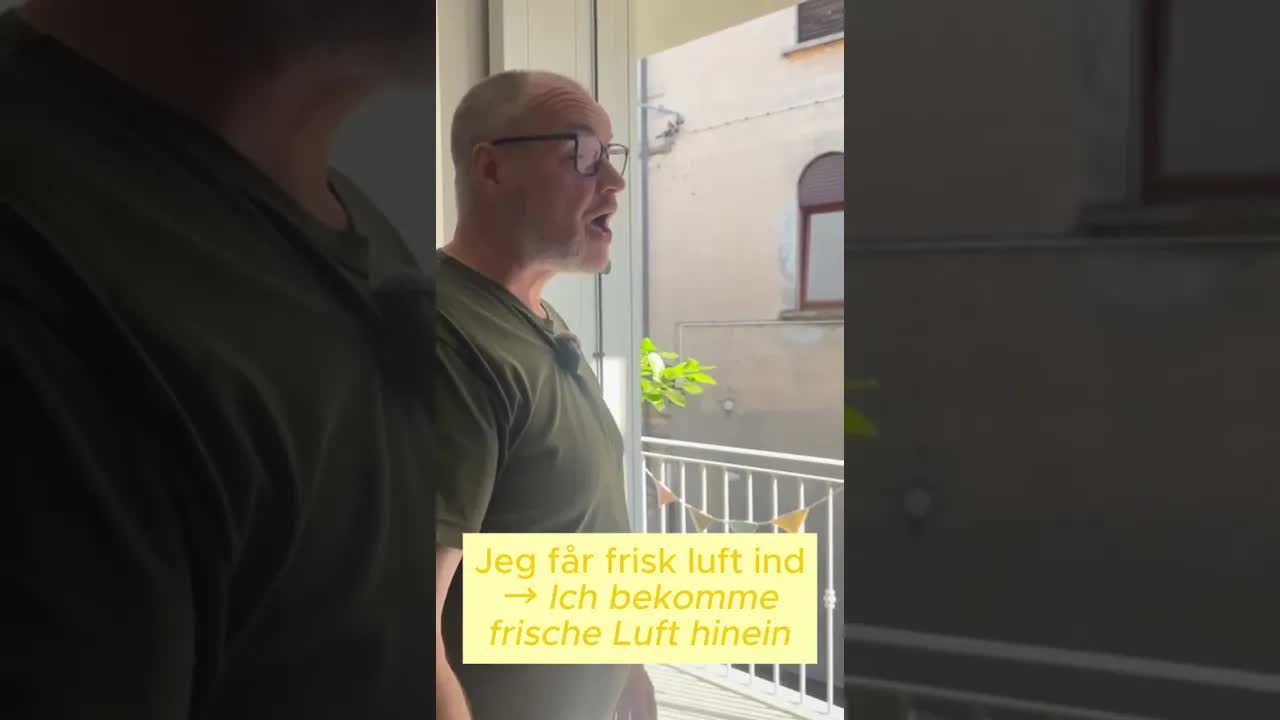


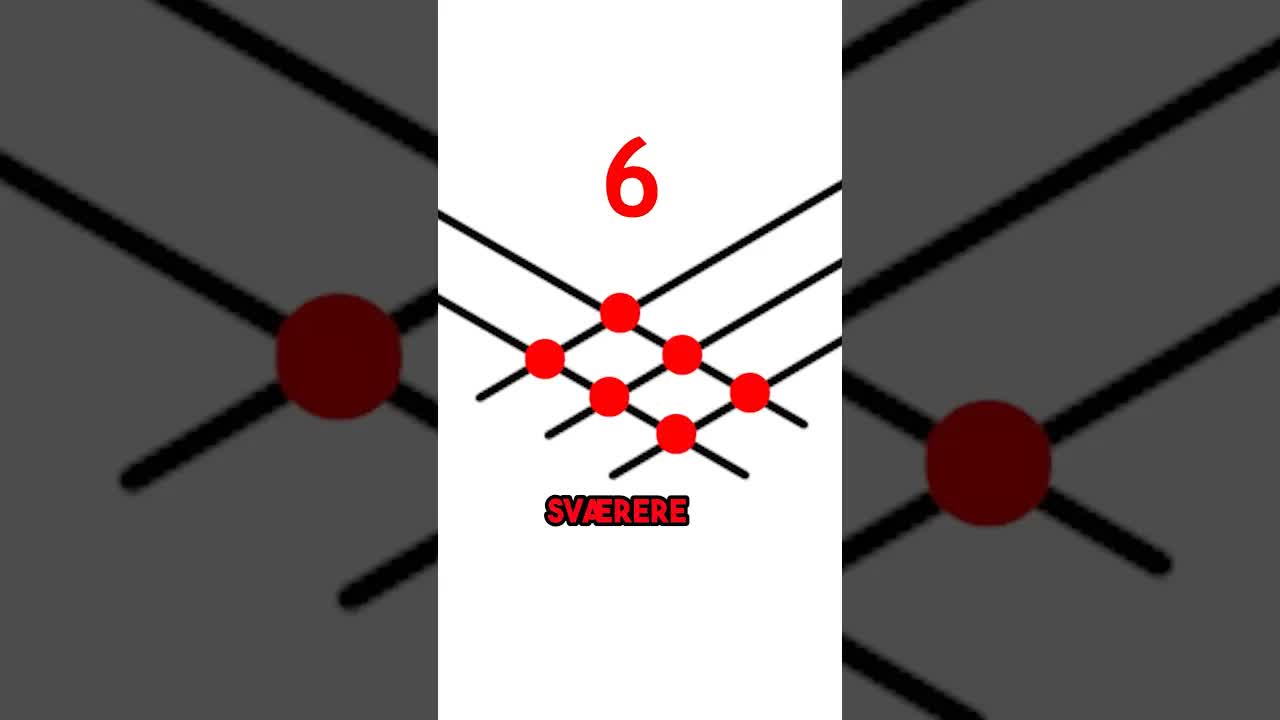

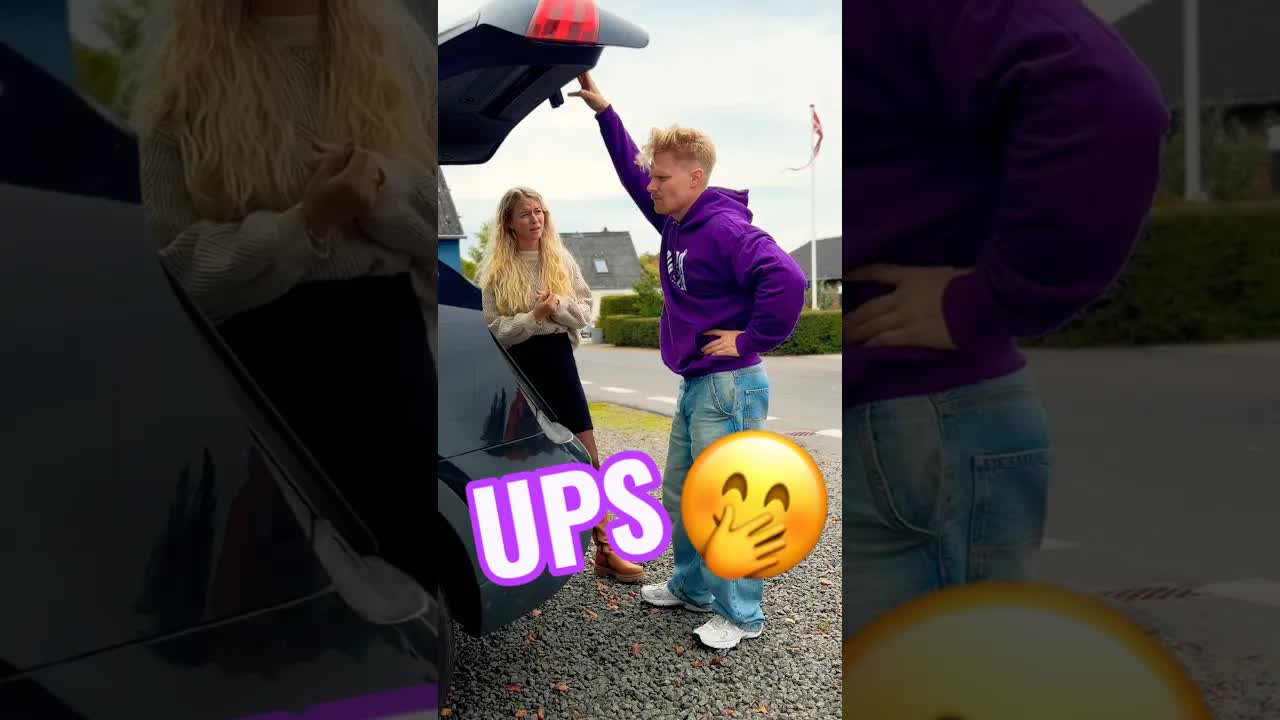

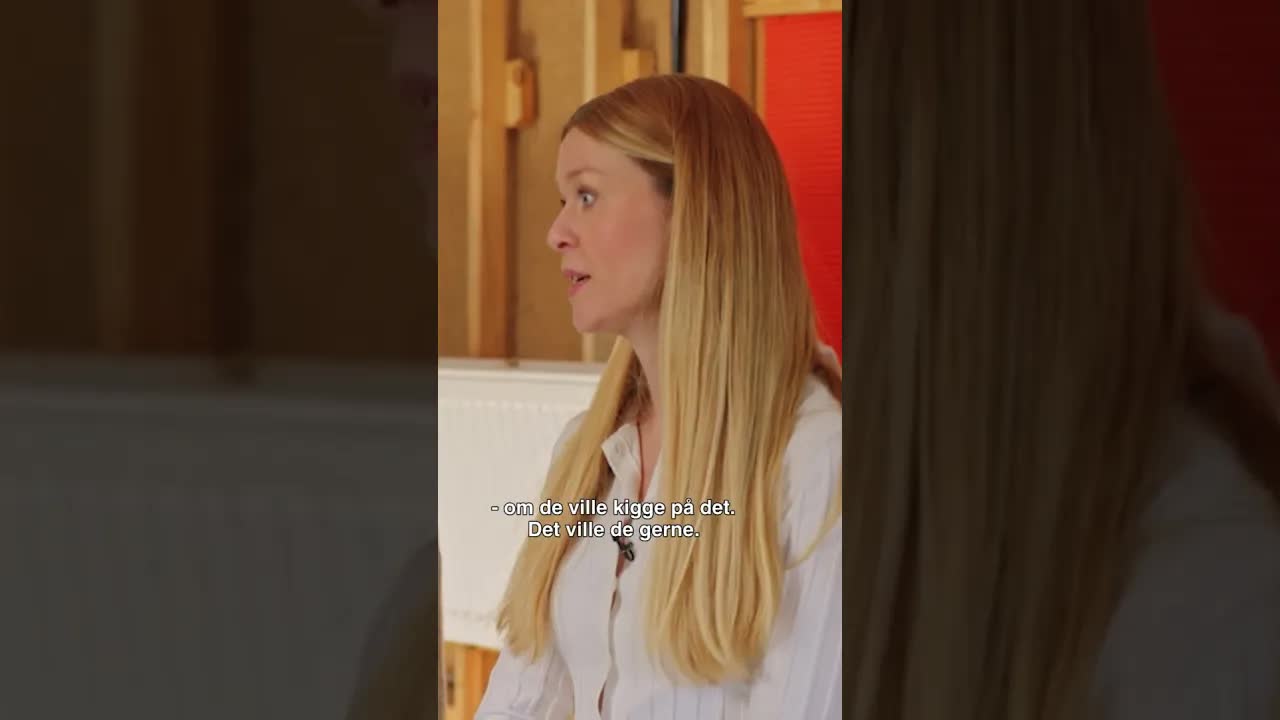



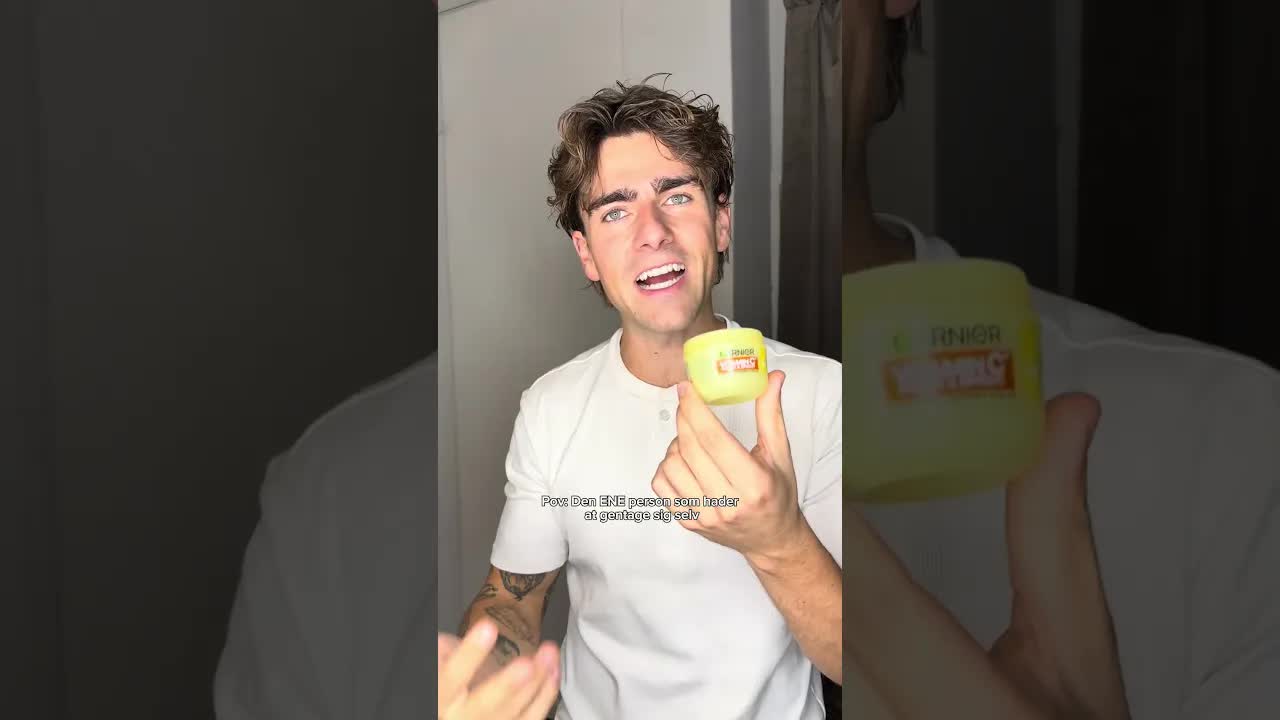
Is Reelang the best app to learn Danish?
It depends on where you are. If you’re starting from zero, a structured course app like Duolingo or Babbel is a good first step. Once you know the basics, from about A2, the hard part is understanding real people, and that’s what Reelang is for: real Danish videos at your level, with help when you need it. You can use both.
- Real Danish, not scripts: no actors and no textbook dialogues, just the way people actually talk.
- Always at your level: every clip is graded by level and speaking speed, and the feed adapts as you watch.
- Built for listening: most Danish apps teach words and grammar drills. Reelang trains your ear on real conversations.
Danish videos by level
Find Danish videos at your level, then push upward a notch as reductions and linked speech start to feel less hostile.
Danish videos by topic
Explore real Danish by subject, situation, and learner interest, from daily life, food, and family to culture, humor, and work.
How it works
Questions about learning Danish with Reelang
What is the best app to learn Danish with real videos?
Reelang is built for it: a free feed of real Danish videos from native speakers, graded by level, speaking speed and accent, that adapts as you watch.
How does Reelang figure out my level?
It starts you on easier clips and adjusts from what you follow, skip and look up. There’s no placement quiz.
What is the Reelang Danish video feed?
A TikTok-style feed of real Danish videos from native speakers, graded by level and speaking speed and tagged by accent. It learns from how you watch and keeps serving clips at your level.
What is comprehensible input?
Comprehensible input is Danish you can mostly understand, with a little that’s new. Linguist Stephen Krashen argued it’s how we acquire languages, and it’s the idea Reelang is built on.
Reelang takes it a step further with word frequency. It ranks every word in every video by how often it’s used in everyday Danish, and keeps track of which words you already know. So instead of videos that are only roughly your level, your feed picks the ones made of words you know, plus the most frequent words you haven’t learned yet. Comprehensible input, made for you.
Does Reelang explain the words in each video?
Tap any word for its meaning. With Reelang+, Learner Insights also explain the culture, idioms and slang behind a clip.
A few Danish words and phrases our explanations cover, from recent videos:
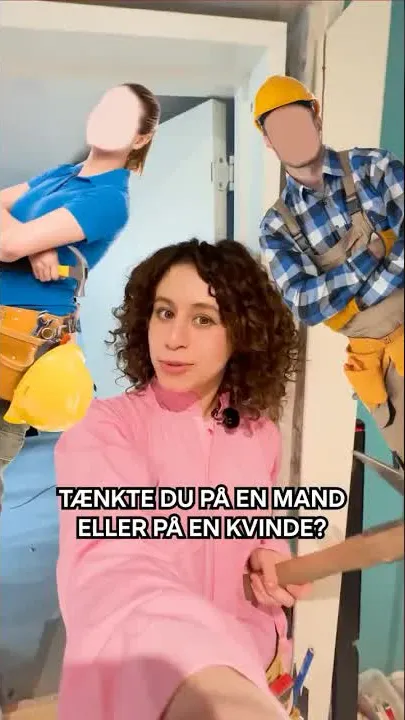
- tømrer: carpenter
- flødeboller: chocolate-coated marshmallow treats
- fjols: A sharp Danish school-yard insult, used playfully in kids' TV
- Minernes Ø: 'Mine Island', DR Ramasjang's long-running adventure-treasure-hunt show
- pinligt!: 'How embarrassing!', Danish teen-girl shorthand for cringe
Why short videos from native speakers?
Short clips let you hear many more speakers, accents and situations in the same time, so your ear gets used to Danish as people actually speak it.
How does Reelang know if a video is too fast or too hard?
Every clip is analysed for how it’s spoken, not just which words it uses: speaking speed in words per minute, how often the speaker pauses, how many words come out between pauses, and how much of the clip is speech. With its vocabulary level, that lets the feed match both what you know and how fast you can follow.
What if I don’t know a word?
Tap it to see the meaning. With Reelang+, you also get translations into your own language, and words you look up come back in new clips.
Which Danish words should I focus on first?
The most common ones. Smart Subtitles show how common each word is, so you can tell which words are worth learning now.
Which levels does it cover?
Beginner (A1) to Advanced (C1). It works best from about A2 upward.
Do I need an account? Is it free?
The Danish feed is free and you can start without signing up. Reelang+ adds a personalized feed, translations into your own language and words that come back in new clips.
How is Reelang different from a typical language app?
Most apps teach with drills and scripted audio. Reelang trains listening on real Danish the way people actually speak it.
How much should I watch?
Little and often works best. A daily session you enjoy beats a long one you skip.
About this hub
About comprehensible input in Danish
What is comprehensible input?
Comprehensible input is language you can mostly follow, with a small amount that is still new. The idea is often associated with Stephen Krashen: people acquire language by understanding meaningful messages, not only by memorizing rules in isolation. Danish is the classic argument for it. The reading side looks close to Norwegian and Swedish. The listening side is an entirely separate sport.
Why real reels, not textbook dialogues
Spoken Danish compresses. The glottal stop, stød, lands mid-syllable where a learner does not expect it, soft d softens almost to nothing, and whole endings collapse into a breath. This is why a Danish paragraph can feel manageable on the page and still slide by on audio. Reelang uses unscripted short-form video so Danish arrives the way it leaves Danish people’s mouths, not the way a textbook would write it down.
How to use this catalog
Start with your level, then choose a listening difficulty you can mostly follow. From there, browse by topic depending on what you want to work on. If reading has quietly outpaced listening, more reading will not close the gap. The ear needs exposure at a level where reductions are survivable. That is what level browsing is for.
Want a full roadmap? Read our guide to comprehensible input.