Free Korean learning app
Korean learning that doesn’t feel like studying
Real native Korean videos at your level.
Korean changes its verb endings to match who you’re talking to: a friend, a stranger, your boss. Reelang’s Korean videos let you hear all of it, from standard Seoul speech to the Gyeongsang dialect of Busan, graded by level and speaking speed, so you learn more than the polite -yo of the textbook.
Casual Korean is quick and clipped: 진짜 shrinks to 찐, 블랙박스 to 블박, and particles vanish when the context is clear. The feed starts with slower, clearer speakers and adjusts to what you follow, skip and look up, so the speed builds up gradually. You can start without an account.
25,833
Korean videos
2
Accents
Hearing the speech with no subtitles first, then saying whether I understood it, feels very natural. I'm actually listening rather than immediately reading, but can always fall back on the subtitles where I need it.
Accent
Level
Speed
Topic
Recommended Korean videos
















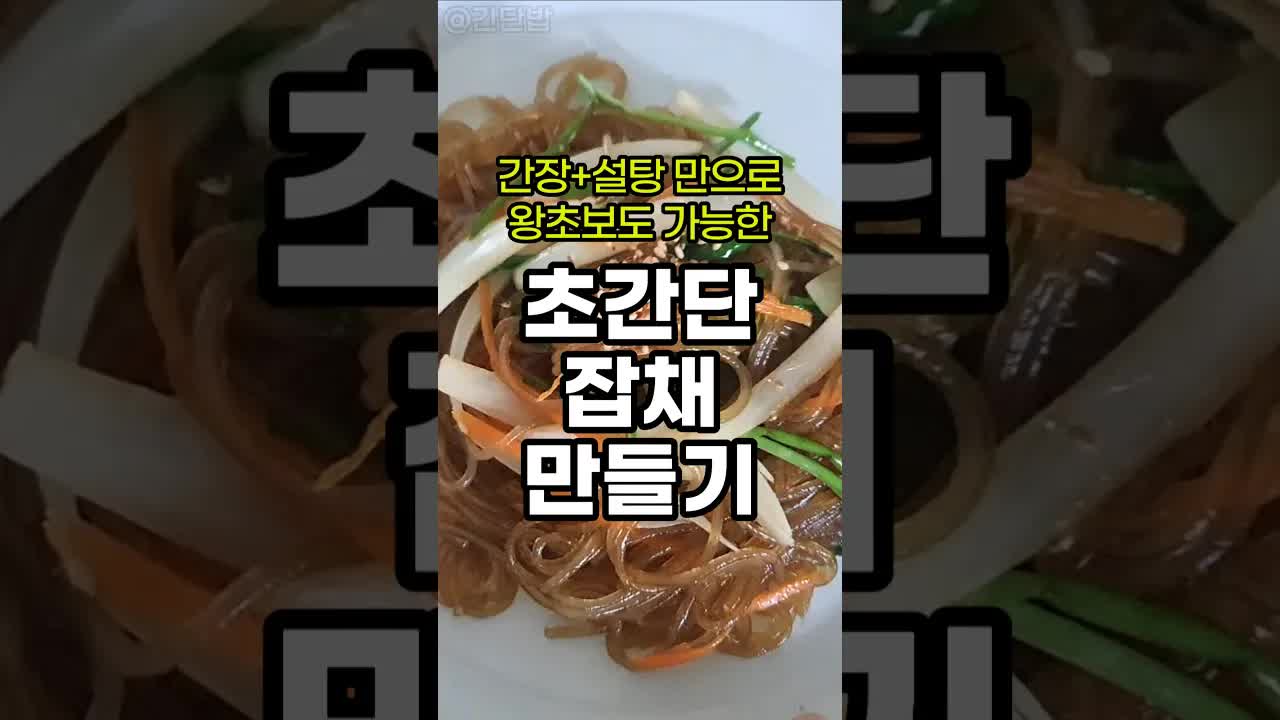


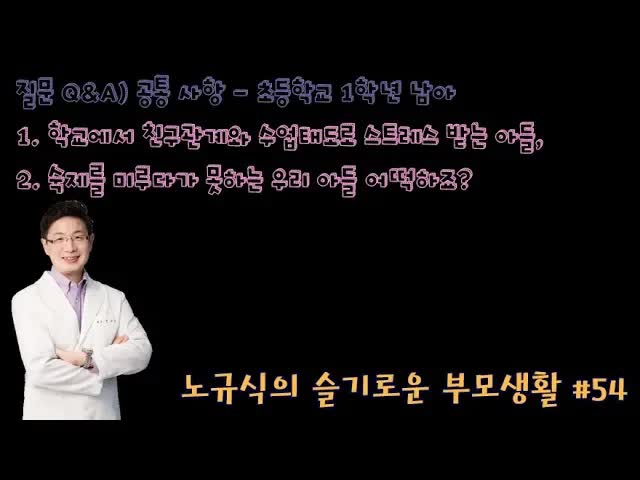





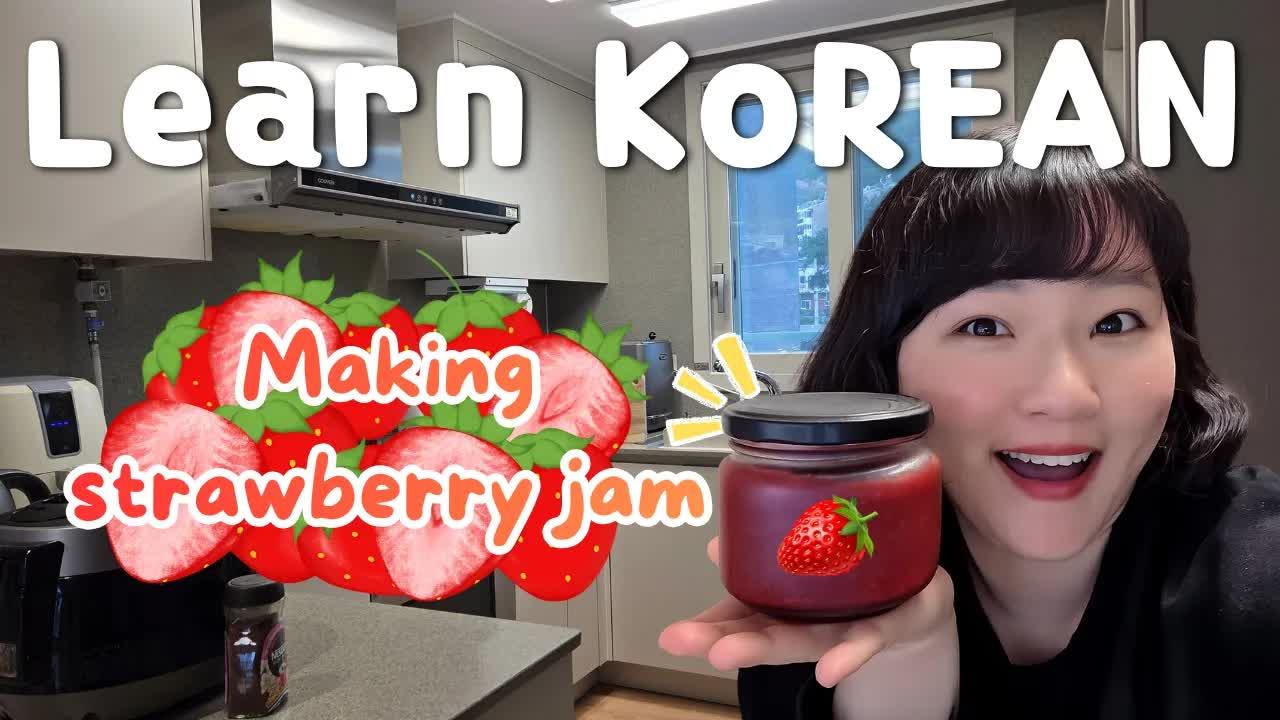





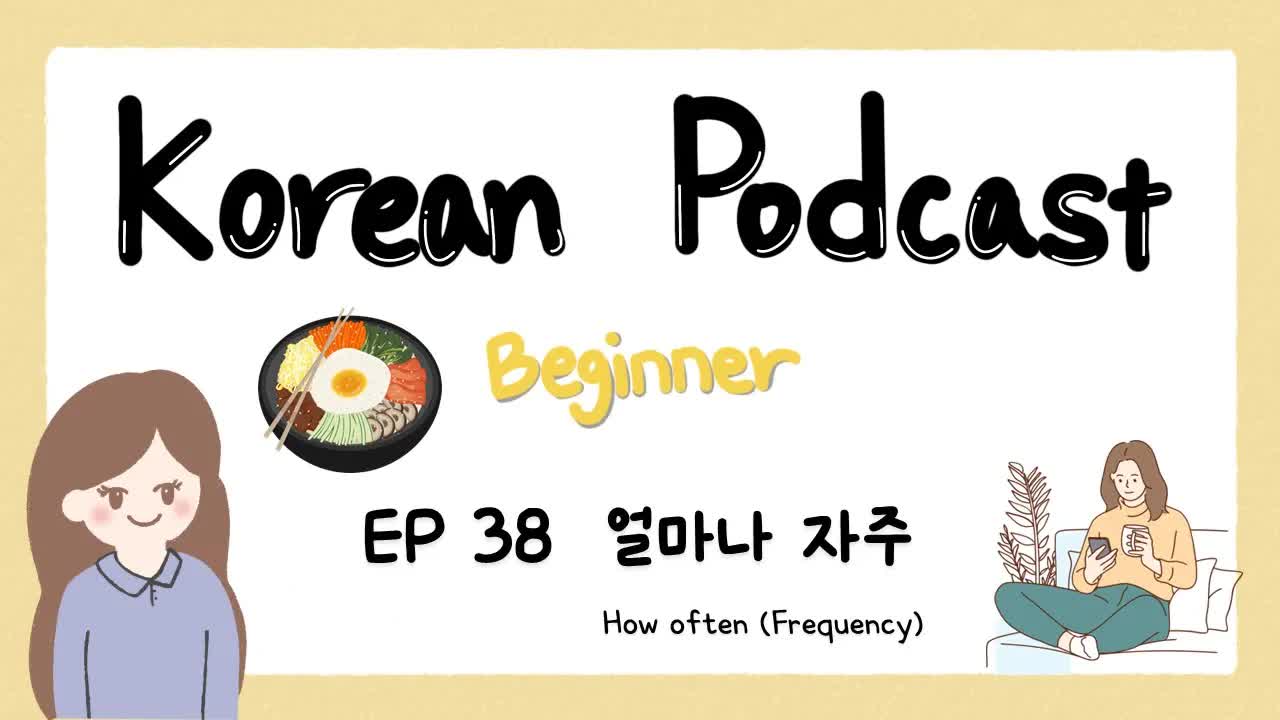














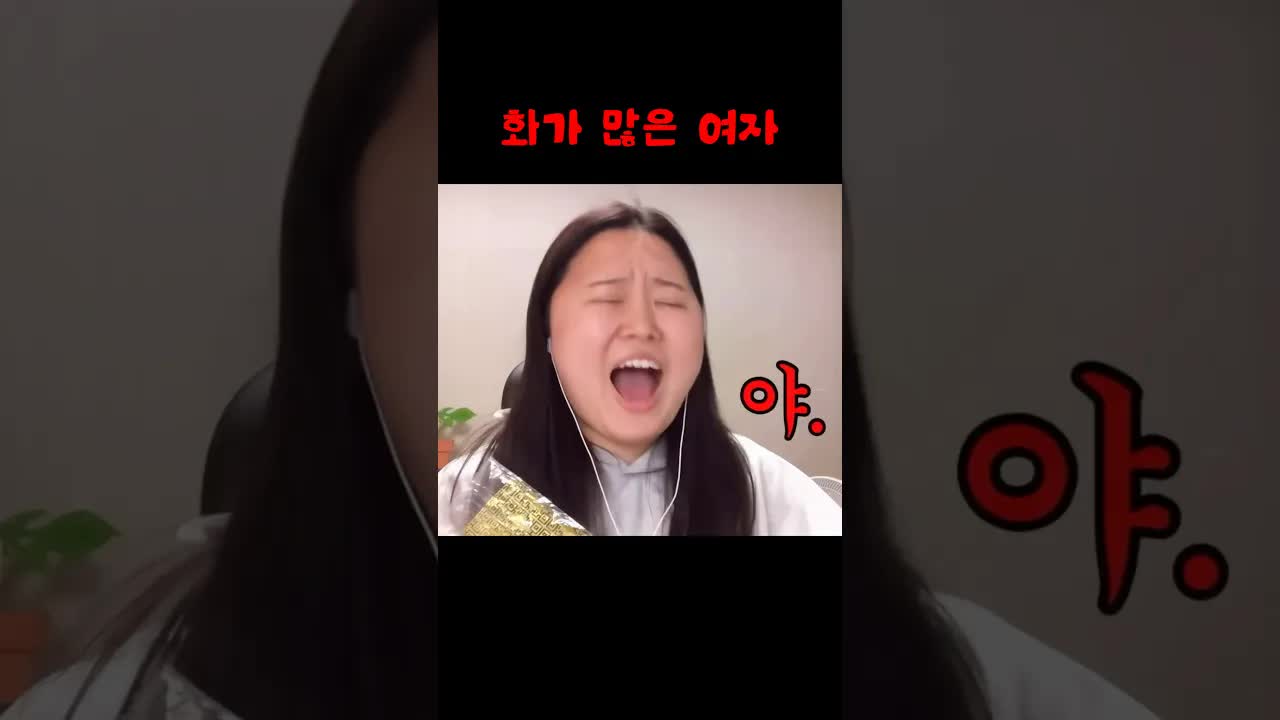






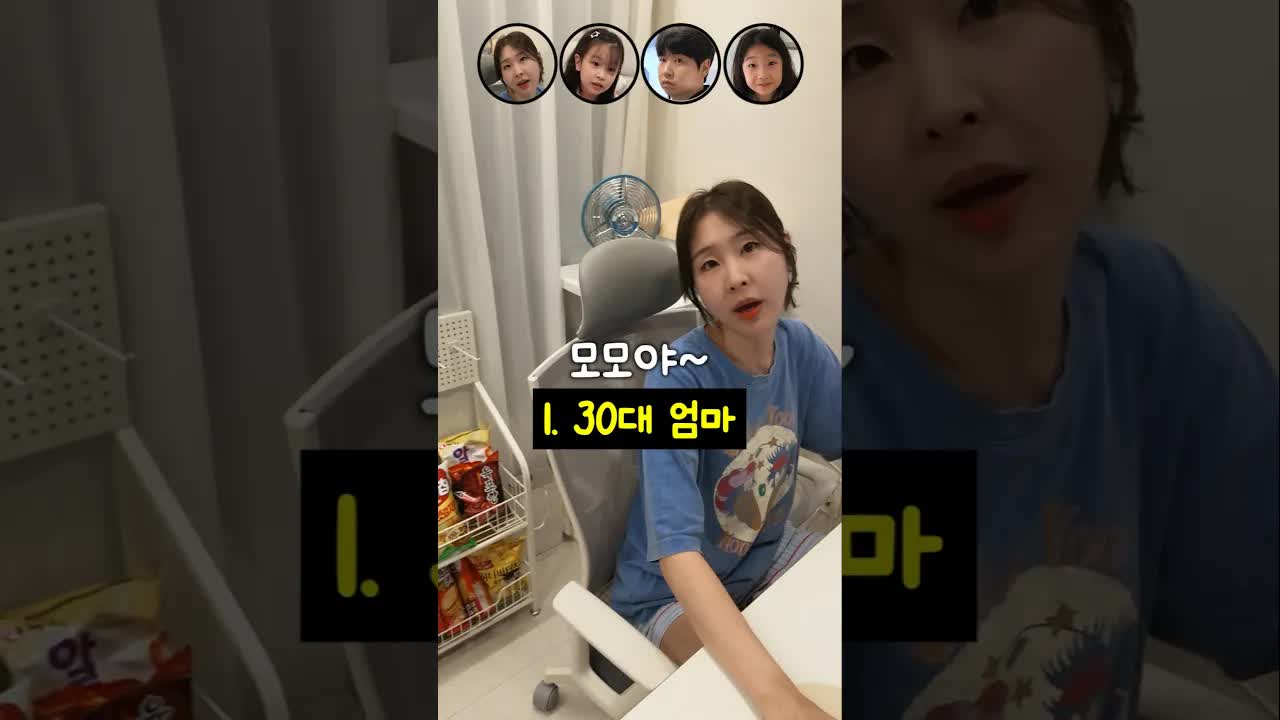




More Korean videos are waiting in the feed and the app.
Is Reelang the best app to learn Korean?
It depends on where you are. If you’re starting from zero, a structured course app like Duolingo is a good first step. Once you know the basics, from about A2, the hard part is understanding real people, and that’s what Reelang is for: real Korean videos at your level, with help when you need it. You can use both.
- Real Korean, not scripts: no actors and no textbook dialogues, just the way people actually talk.
- Always at your level: every clip is graded by level and speaking speed, and the feed adapts as you watch.
- The accents you’ll meet: Standard Korean and Gyeongsang Korean.
- Built for listening: most Korean apps teach words and grammar drills. Reelang trains your ear on real conversations.
Banmal, polite and honorific Korean
Korean has several speech levels, and you pick one every time you end a sentence. The polite -yo form is what you use with strangers and what most courses teach. Friends drop to banmal: the polite 거짓말하지 마세요 becomes 거짓말하지 마, which between friends means “no way!” more often than “don’t lie”.
Respect also lives outside the verb ending. A waiter counts guests with the honorific 분 and asks 몇 분이세요?, and you answer with the plain 명. A personal question gets a gentler shape, as in 나이는 어떻게 되세요?, and a colleague’s name takes 씨, but never your own.
A grammar table lists the forms. Real conversations show you who uses which one, with whom, and when they switch.
Korean videos by level
Find Korean videos at your level, then stretch upward as dropped particles, faster endings, and casual register stop feeling like noise.
Korean accents and regional varieties
Hear Korean from native speakers across Korea, including standard Seoul speech and regional varieties.
Grew up hearing Korean?
If you understand Korean from home but want more range, Reelang gives you real conversations from native speakers, at a level that stretches you.
How it works
Questions about learning Korean with Reelang
What is the best app to learn Korean with real videos?
Reelang is built for it: a free feed of real Korean videos from native speakers, graded by level, speaking speed and accent, that adapts as you watch.
How does Reelang figure out my level?
It starts you on easier clips and adjusts from what you follow, skip and look up. There’s no placement quiz.
What is the Reelang Korean video feed?
A TikTok-style feed of real Korean videos from native speakers, graded by level and speaking speed and tagged by accent. It learns from how you watch and keeps serving clips at your level.
What is comprehensible input?
Comprehensible input is Korean you can mostly understand, with a little that’s new. Linguist Stephen Krashen argued it’s how we acquire languages, and it’s the idea Reelang is built on.
Reelang takes it a step further with word frequency. It ranks every word in every video by how often it’s used in everyday Korean, and keeps track of which words you already know. So instead of videos that are only roughly your level, your feed picks the ones made of words you know, plus the most frequent words you haven’t learned yet. Comprehensible input, made for you.
Does Reelang explain the words in each video?
Tap any word for its meaning. With Reelang+, Learner Insights also explain the culture, idioms and slang behind a clip.
A few Korean words and phrases our explanations cover, from recent videos:
- 남겨 줘 (namgyeo jwo): "leave (some) for me," from 남기다, to leave behind
- 나이는 어떻게 되세요? (naineun eotteoke doeseyo?): "what is your age?", literally "how does your age come to be?"
- 사귀다 (sagwida): "to make friends with," and also "to go out with"
- 씨 (ssi): polite name suffix, especially for a peer or someone junior
- 좀 (jom): "a little"; often used to soften a request
Why short videos from native speakers?
Short clips let you hear many more speakers, accents and situations in the same time, so your ear gets used to Korean as people actually speak it.
How does Reelang know if a video is too fast or too hard?
Every clip is analysed for how it’s spoken, not just which words it uses: speaking speed in words per minute, how often the speaker pauses, how many words come out between pauses, and how much of the clip is speech. With its vocabulary level, that lets the feed match both what you know and how fast you can follow.
What if I don’t know a word?
Tap it to see what it means, in your own language. With Reelang+, the words you look up come back in new clips.
Which Korean words should I focus on first?
The most common ones. Smart Subtitles show how common each word is, so you can tell which words are worth learning now.
Which levels does it cover?
Beginner (A1) to Advanced (C1). It works best from about A2 upward.
Do I need an account? Is it free?
The Korean feed is free and you can start without signing up. Reelang+ adds a personalized feed and words that come back in new clips.
Will I understand the Busan dialect (Gyeongsang satoori)?
With practice. Gyeongsang speech, from Busan and Daegu, has a rise and fall in pitch that standard Seoul Korean doesn’t, plus its own endings, like 뭐하노? for “what are you doing?”. Start with standard Korean, then filter by accent and add Gyeongsang clips when you want to tune your ear to it.
Why is Korean so hard to understand at normal speed?
Because spoken Korean changes the sounds you learned from the page. Consonants blend across syllables (합니다 is said 함니다), endings soften (하고 often comes out as 하구), and particles drop out when the context makes them obvious. Hearing many speakers at a level you can almost follow trains your ear to fill in what you missed.
How is Reelang different from a typical language app?
Most apps teach with drills and scripted audio. Reelang trains listening on real Korean the way people actually speak it.
How much should I watch?
Little and often works best. A daily session you enjoy beats a long one you skip.
About this hub
About comprehensible input in Korean
What is comprehensible input?
Comprehensible input is language you can mostly follow, with a small amount that is still new. The idea is often associated with Stephen Krashen: people acquire language by understanding meaningful messages, not only by memorizing rules in isolation. Korean is a useful case for it, because so much of what matters (who is speaking, to whom, and how formally) is carried by small elements at the end of each sentence that a grammar book can describe but only real speech can make automatic.
Why real reels, not textbook dialogues
Classroom Korean tends to live in the polite -yo ending. Real Korean moves through several registers in a single conversation: casual with close friends, polite with strangers, formal with superiors. Particles get dropped when context makes them obvious; verb endings contract; slang appears that no textbook would include. Reelang uses unscripted short-form video from native speakers so those shifts arrive in the middle of a real thought, not as a list of exceptions.
How to use this catalog
Start with your level. From there, browse by topic depending on what you want to work on. If your textbook Korean is solid and casual speech still throws you, the missing piece is exposure at a level you can stay with. Pick topics you would watch in English; the register shifts become familiar faster than memorizing them ever would.
Want a full roadmap? Read our guide to comprehensible input.