Practice listening in Serbian · B1 · Talks about daily life
What does “gledati u šolju” mean in Serbian?
Tuta gleda u šolju i vidi crnog muškarca
In this clip you’ll learn 4 words, including k'o (like), punu (full), and praznu (empty).
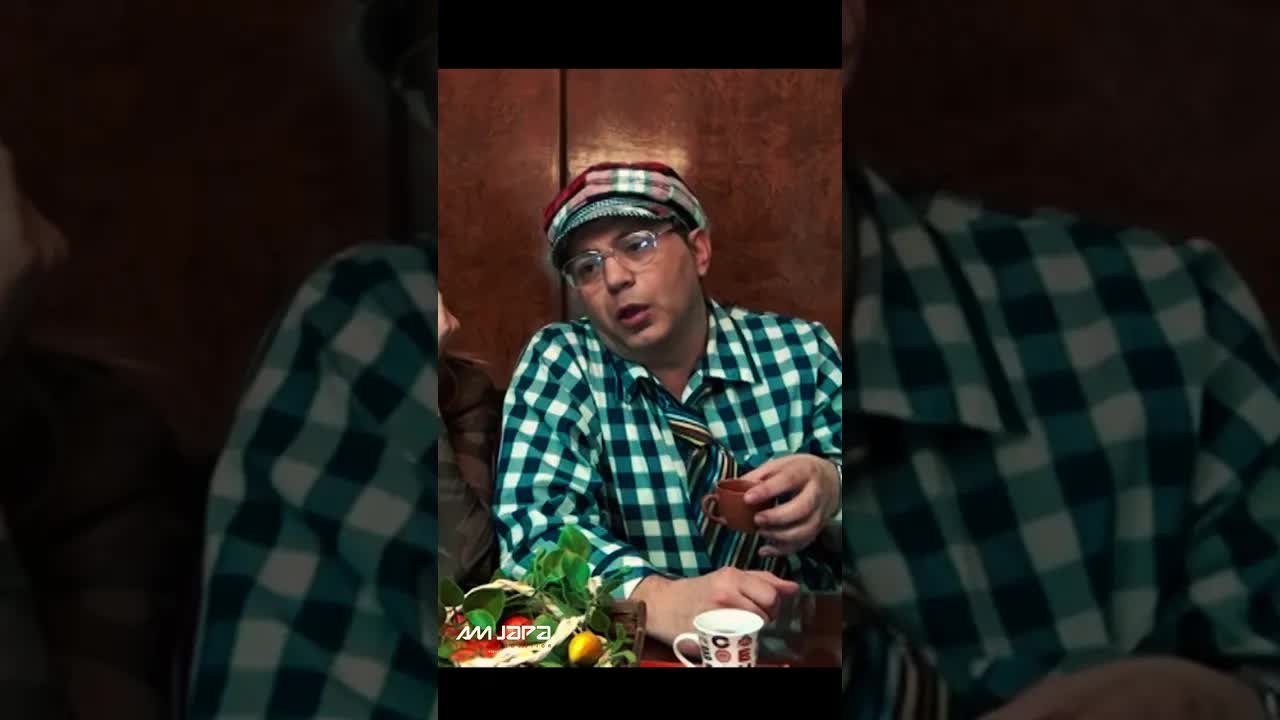


From TUTA SHOW on YouTube. Watch original
Gledati u šolju means to read the future from the grounds left in a coffee cup, and šolja is the everyday word for cup.
Gledati u šolju literally means “to look into the cup” and refers to reading someone’s fortune from the grounds left after drinking thick Turkish-style coffee. The cup is turned over onto its saucer, and the patterns that remain are interpreted. Šolja is a common word for a cup or mug, borrowed from German Schale, so the phrase is easy to remember once you picture the scene.
The clip is a comic fortune-telling scene: one person tells the other “Ajde gledaj još jednom” (go on, look once more) and then announces what the cup shows, “Imaćeš susret s jednog nepoznatog crnog muškarca” style. The verb gledati plus u plus accusative (u šolju) is the pattern: you look into something. Note that šolja in some regions can also mean toilet bowl, so context matters. For the coffee-reading tradition itself, the Serbian name is gledanje u šolju, which is what the title uses.
Words you’ll learn in this clip
Each word with what it means in this clip and the line it is said in.
- ▶ 0:03One of the 5,000 most common wordsk'olike
“Ja ne gledam k'o stari ljudi u praznu, ja gledam u punu suhodu.”
- ▶ 0:03One of the 1,000 most common wordspunufull
“Ja ne gledam k'o stari ljudi u praznu, ja gledam u punu suhodu.”
- ▶ 0:03One of the 2,000 most common wordspraznuempty
“Ja ne gledam k'o stari ljudi u praznu, ja gledam u punu suhodu.”
- ▶ 0:03A rarer word, outside the 5,000 most commonsuhodudry road
“Ja ne gledam k'o stari ljudi u praznu, ja gledam u punu suhodu.”
More clips like this
Druga operacija nosa: Nada za lakše disanje
Biljana Obradović o karijeri i City klubu
Konobar koji ostavlja bez teksta čak i poznate kuvare
Atina Ferari o bivšim vezama sa pevačima
Psihoterapeut o odlasku tinejdžera od kuće
Zvučiš ko čitulja - Otvorena vrata
Learn from real videos
Thousands of clips like this one, matched to your level as you watch.