Практика аудіювання: Esperanto · B2 · Навіть складні теми
What does “onidiro” mean in Esperanto?
Intervjuo kun la verkisto Nakaĵima Miki
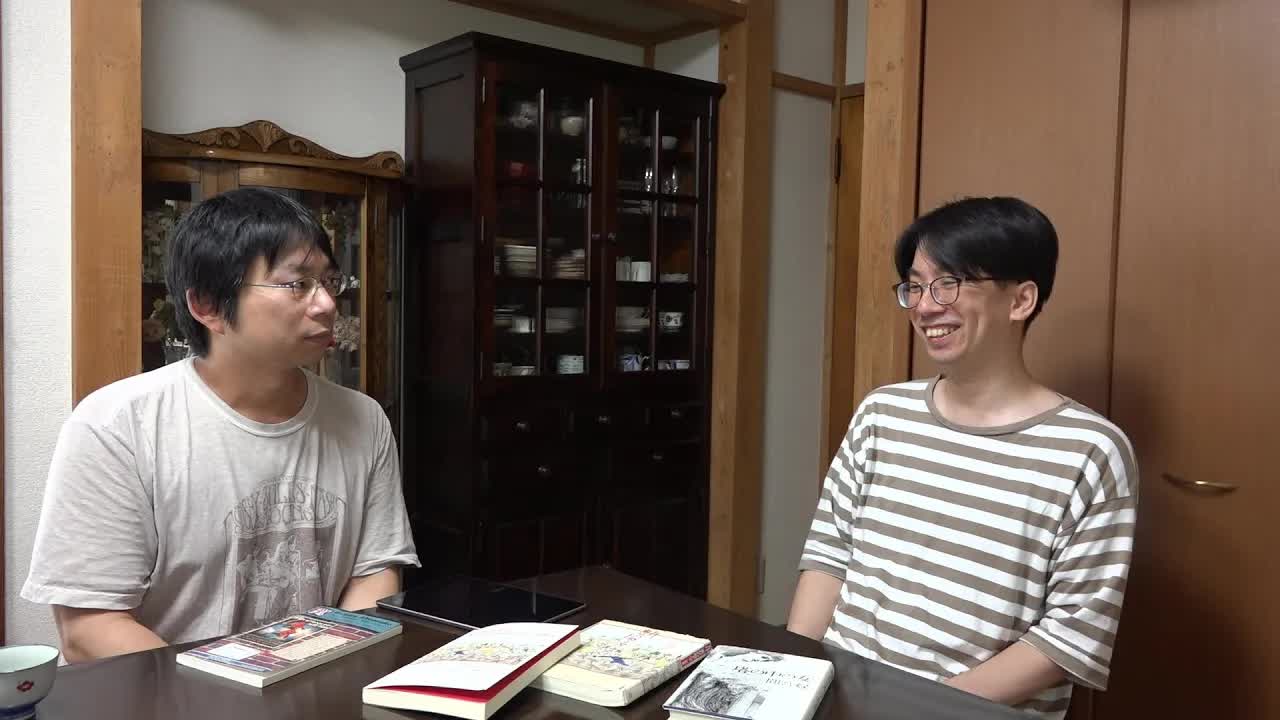


Від Esperanto USA на YouTube. Дивитися оригінал
Onidiro, a rumor, is literally “people say” turned into a noun.
Onidiro means a rumor, and it is built from a whole sentence: oni diras, “one says” or “people say.” Esperanto takes the impersonal pronoun oni plus the root dir- and gives it a noun ending. The result is a word that shows exactly what a rumor is: something nobody owns, passed along by “they say.” It is a neat model for making your own words from short phrases.
In the interview the author describes a book about the 1923 Kantō earthquake and the false rumors that followed it: “Sekvis la falsajn onidirojn.” Note the accusative plural onidirojn, because the rumors are the object of the verb. The adverb onidire means “by hearsay.” A close neighbor is klaĉo, gossip, which is more about chatting than about unverified claims.
Більше таких роликів

Logan Hall Kandidato por Direktoro de Esperanto-USA
Amora Konsilo por la Unua Renkontiĝo

Konkreta ĝangalo: Floro en la asfalto

Filmo pri reĝido kaj lia edzino

Kara Diana: Rakonto pri memoroj kaj rakontado

Rakonto pri la gluotubo kaj vivo
Вчися зі справжніх відео
Тисячі таких роликів, дібраних під твій рівень просто під час перегляду.