Free Finnish learning app
Finnish learning that doesn’t feel like studying
Real native Finnish videos at your level.
Reelang is a Finnish learning app built on real native-speaker videos, graded to your level. Learn from the TikToks, Reels and YouTube videos people actually watch, and your feed adjusts as you watch.
Reelang starts you on easier Finnish clips and learns from what you follow, skip and look up, so every video sits just past what you already understand. No placement quiz, no signup to start.
5,441
Finnish videos
I'd been struggling to get enough input because beginner content is so slow. Reelang is an absolutely brilliant way to get more, and Focus Mode is really helpful.

Level
Speed
Topic
Recommended Finnish videos





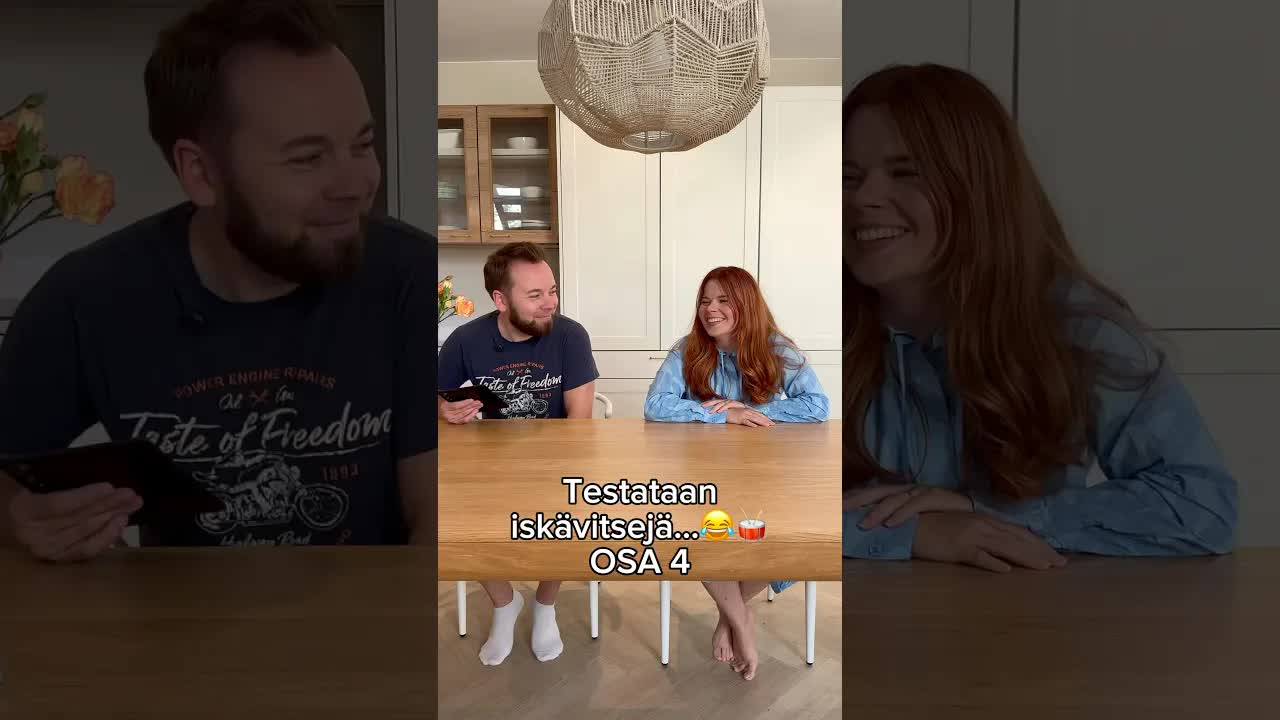


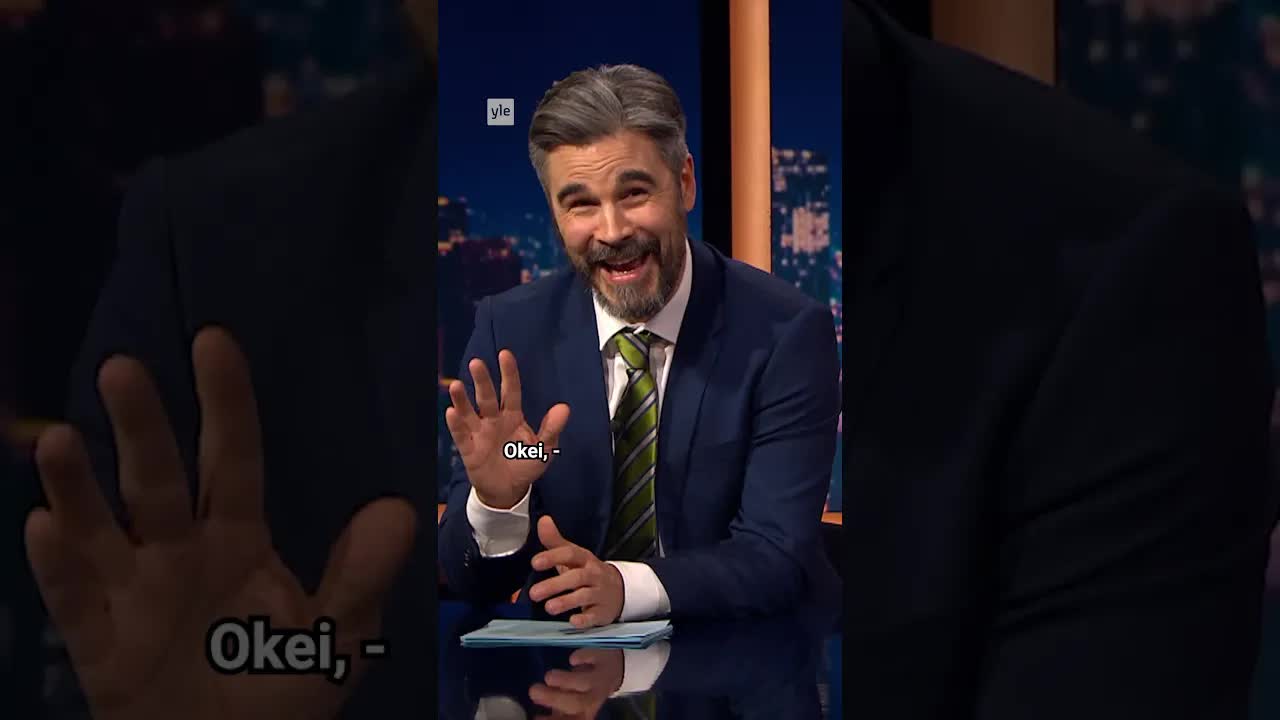
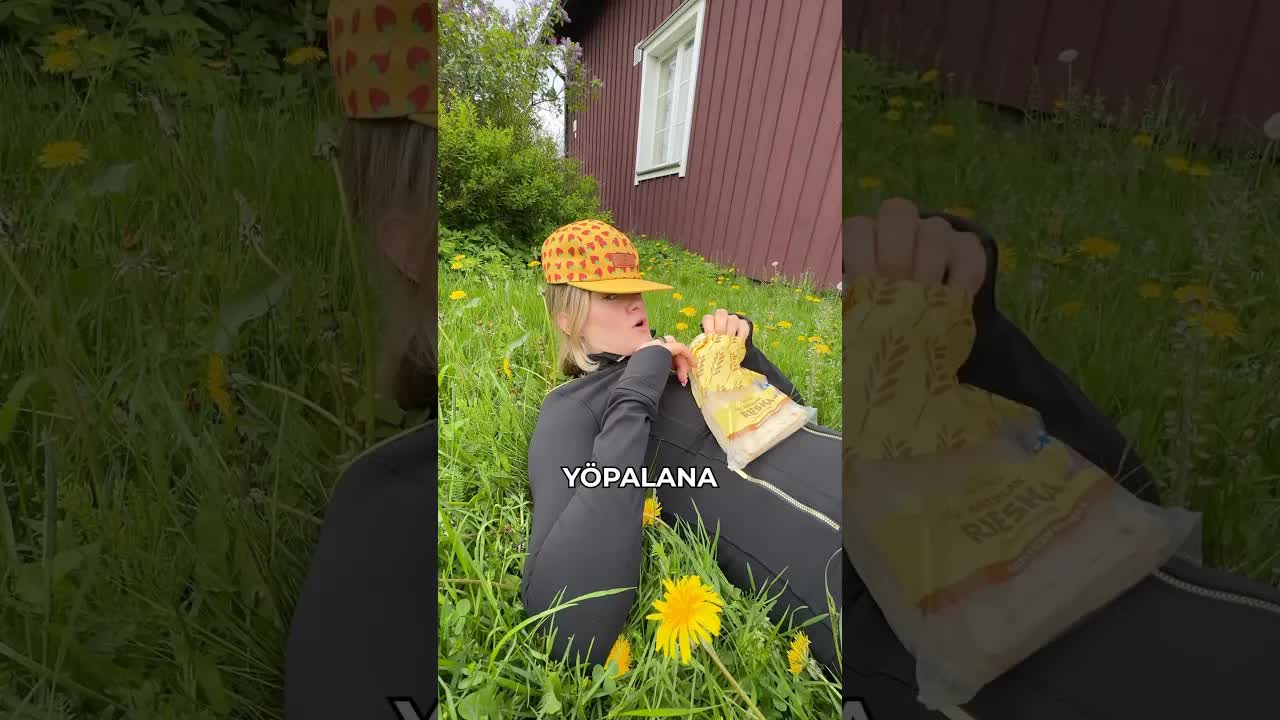




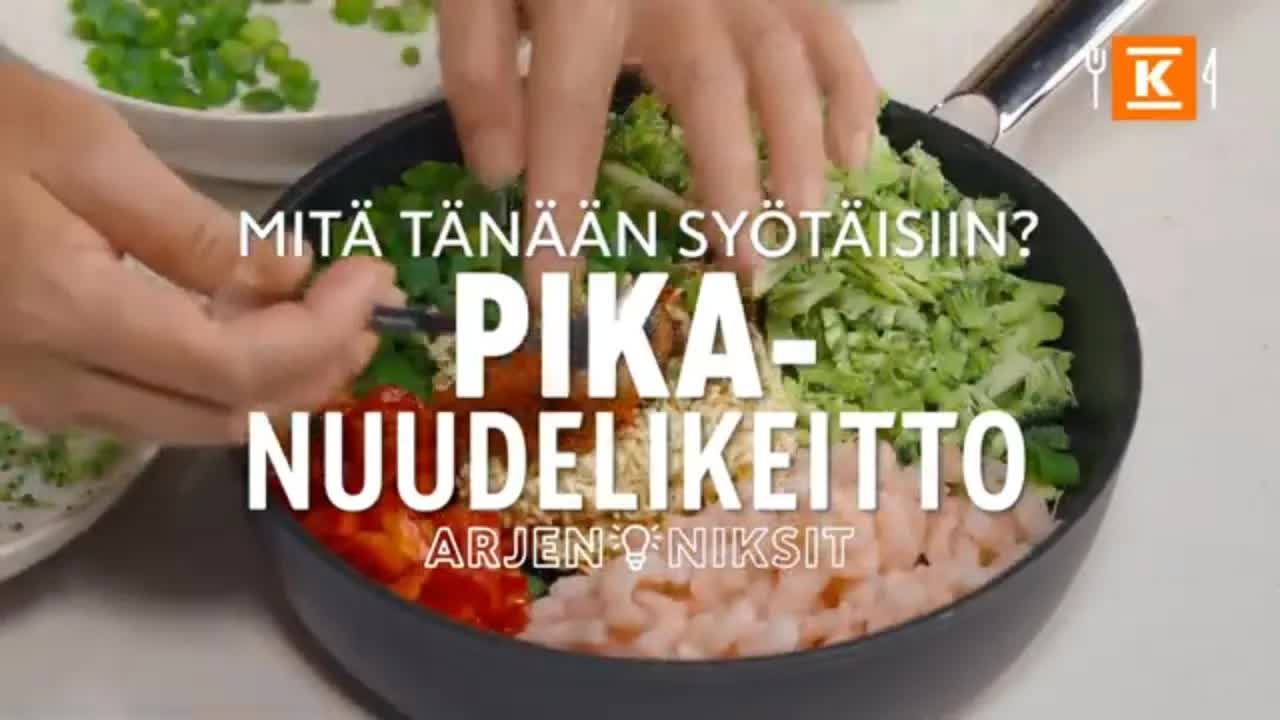

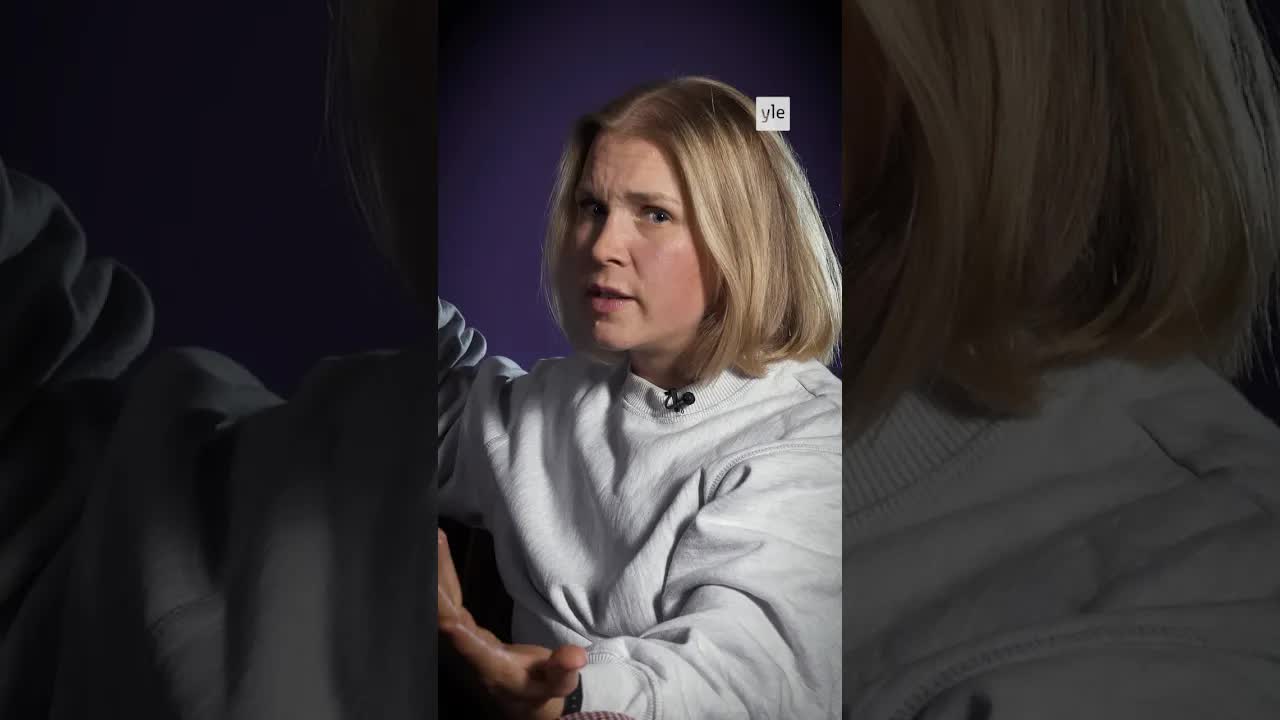
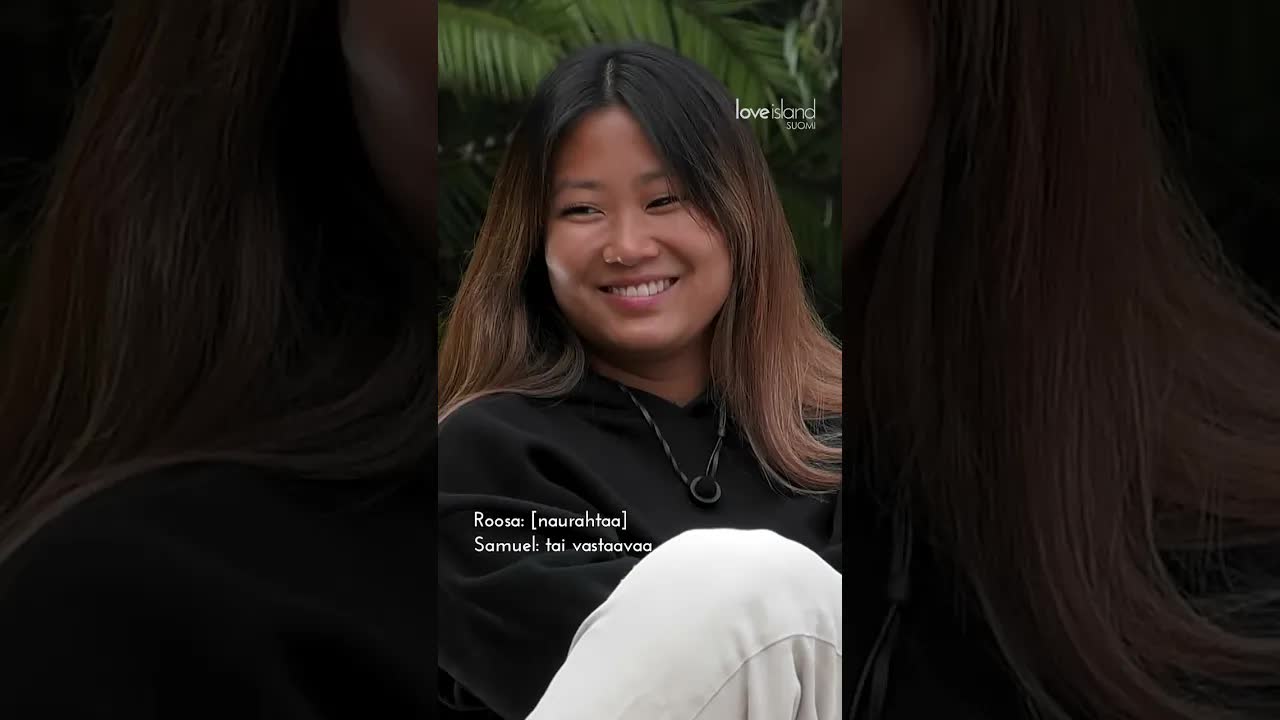



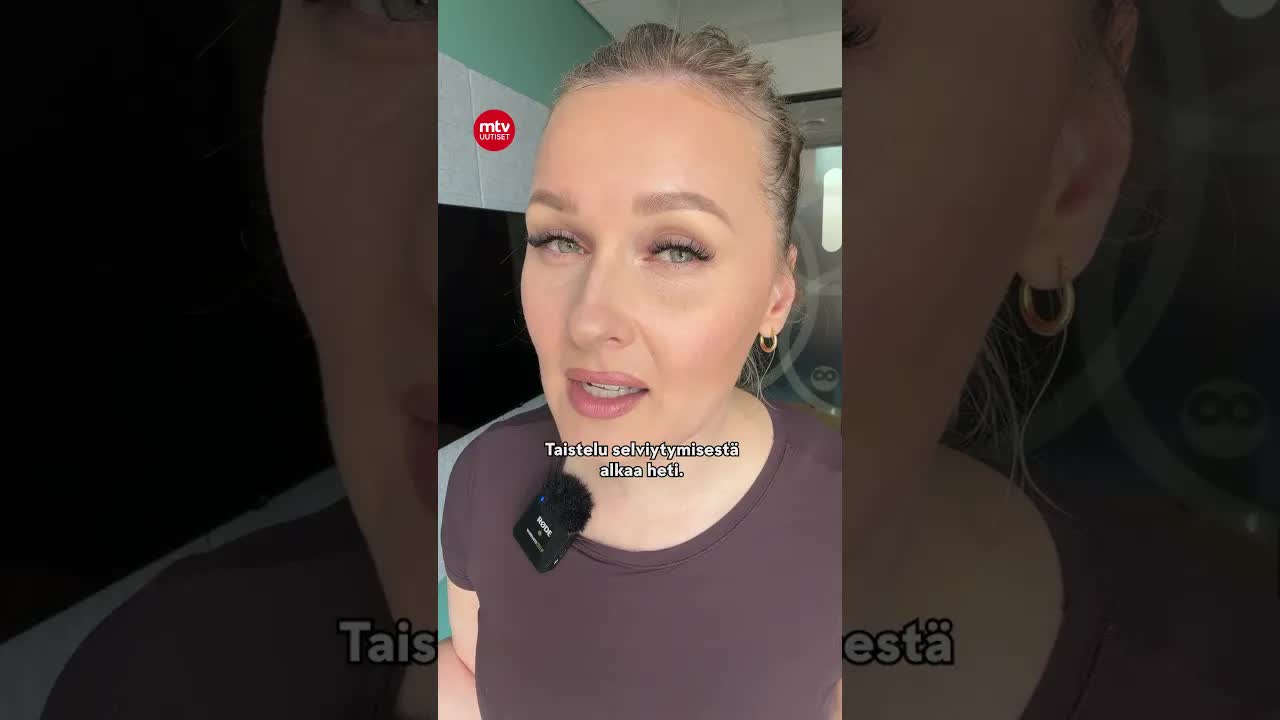
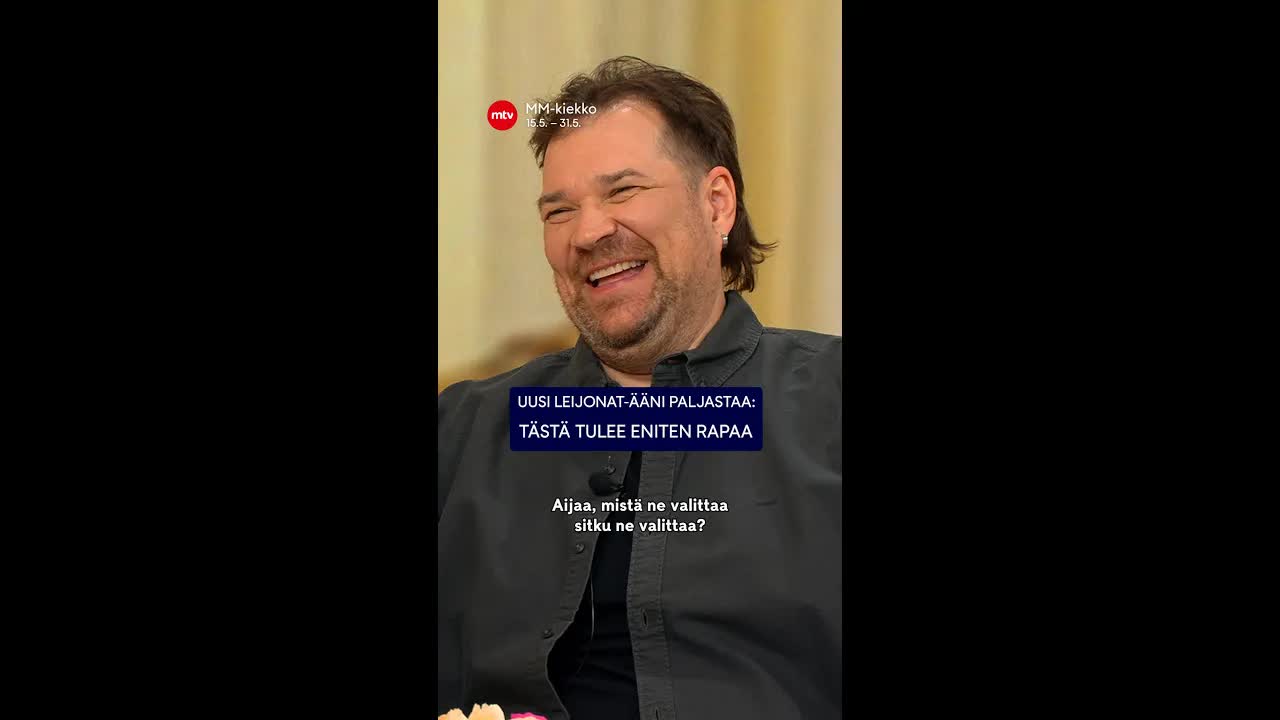





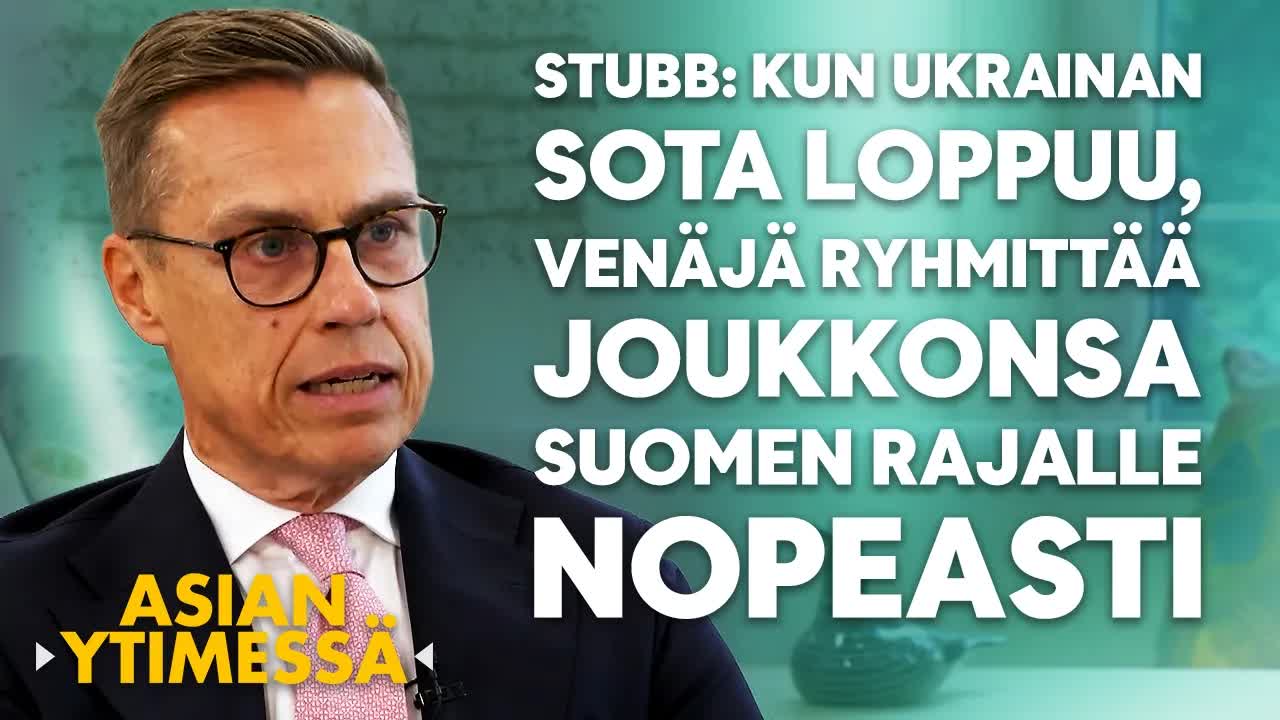
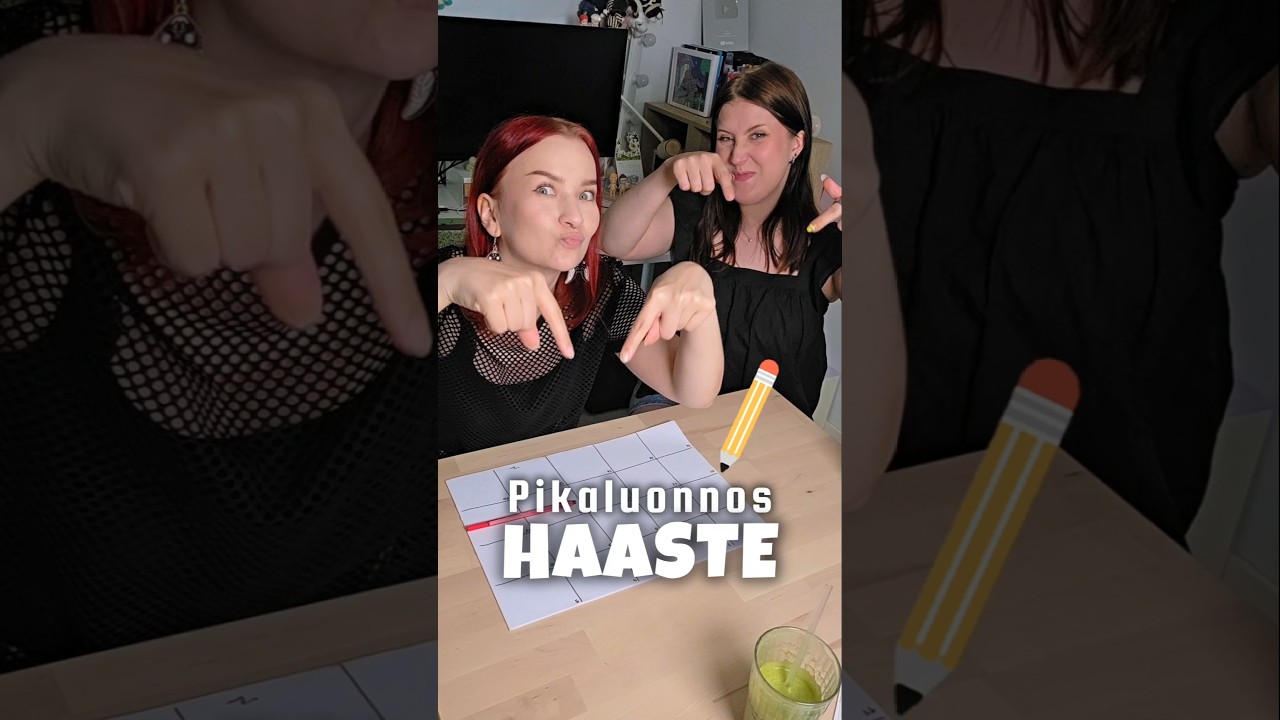


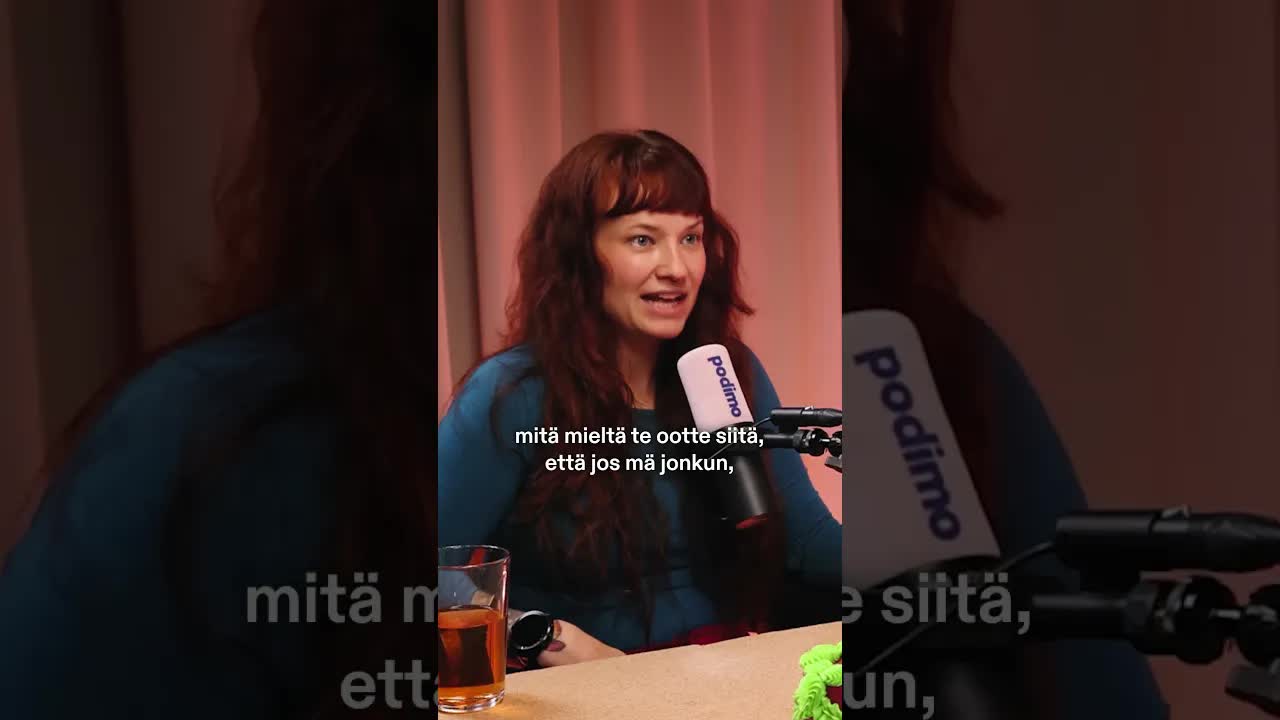






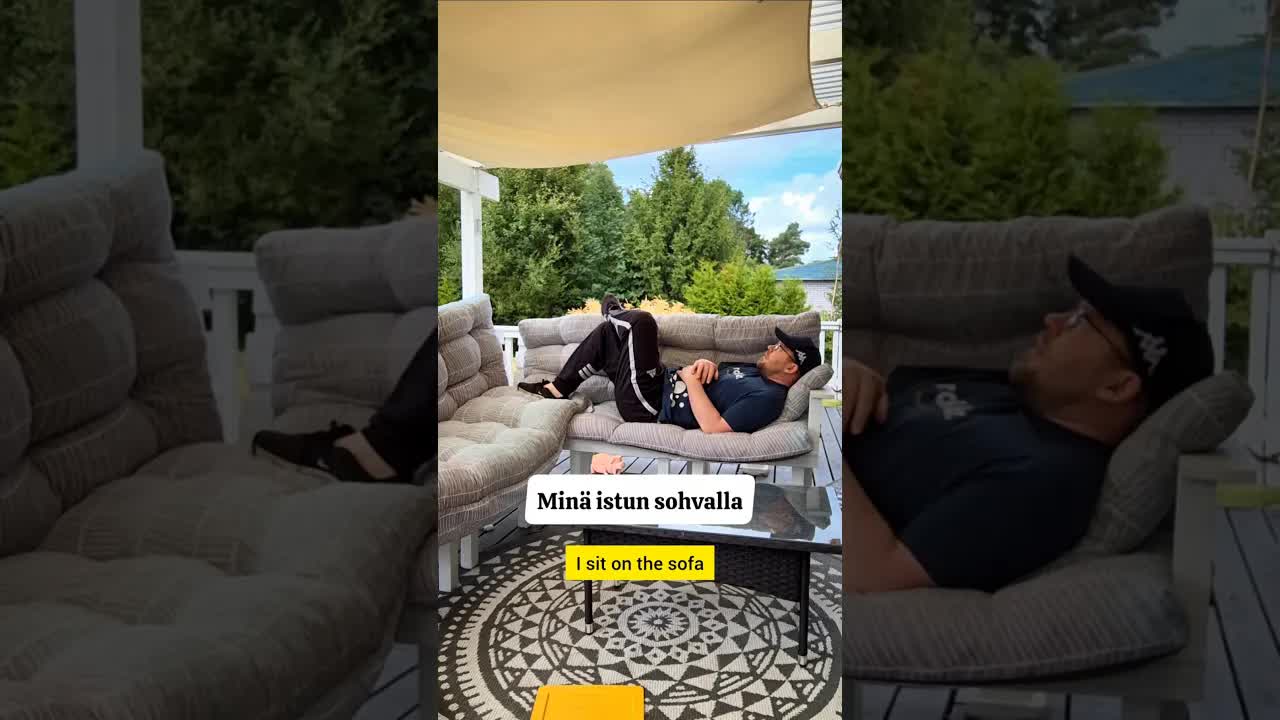






More Finnish videos are waiting in the feed and the app.
Is Reelang the best app to learn Finnish?
It depends on where you are. If you’re starting from zero, a structured course or a textbook is a good first step. Once you know the basics, from about A2, the hard part is understanding real people, and that’s what Reelang is for: real Finnish videos at your level, with help when you need it. You can use both.
- Spoken Finnish, not only book Finnish: mä instead of minä, shortened words and dropped endings, the Finnish people use with friends.
- Always at your level: every clip is graded by level and speaking speed, and the feed adapts as you watch.
- Built for listening: knowing the cases is one thing, following two Finns talking fast is another. Reelang trains the second.
Finnish videos by level
Find Finnish videos at your level, then stretch upward as spoken forms, shortened pronouns, and dropped endings start to feel ordinary.
Kirjakieli and puhekieli: written and spoken Finnish
Finnish has a written standard, kirjakieli, and a spoken one, puhekieli, and the gap between them is wide. Textbooks teach minä olen (I am). Most Finns say mä oon. Sinä (you) becomes sä, me olemme (we are) becomes me ollaan, and many words lose their last vowel or a whole syllable.
That “we” form is the passive doing double duty. Recipes and plans are full of forms like tehdään, and in everyday talk me tehdään simply means “we do” or “let’s do”.
Spoken Finnish also cuts long words short and gives them a casual ending: festarit for music festivals, julkkis for a celebrity, Mäkkäri for McDonald’s. News and children’s shows stay closer to the written form. Vlogs and comedy sound like the street.
How it works
Questions about learning Finnish with Reelang
What is the best app to learn Finnish with real videos?
Reelang is built for it: a free feed of real Finnish videos from native speakers, graded by level, speaking speed and accent, that adapts as you watch.
How does Reelang figure out my level?
It starts you on easier clips and adjusts from what you follow, skip and look up. There’s no placement quiz.
What is the Reelang Finnish video feed?
A TikTok-style feed of real Finnish videos from native speakers, graded by level and speaking speed and tagged by accent. It learns from how you watch and keeps serving clips at your level.
What is comprehensible input?
Comprehensible input is Finnish you can mostly understand, with a little that’s new. Linguist Stephen Krashen argued it’s how we acquire languages, and it’s the idea Reelang is built on.
Reelang takes it a step further with word frequency. It ranks every word in every video by how often it’s used in everyday Finnish, and keeps track of which words you already know. So instead of videos that are only roughly your level, your feed picks the ones made of words you know, plus the most frequent words you haven’t learned yet. Comprehensible input, made for you.
Does Reelang explain the words in each video?
Tap any word for its meaning. With Reelang+, Learner Insights also explain the culture, idioms and slang behind a clip.
A few Finnish words and phrases our explanations cover, from recent videos:
- juma: Juma is slang for "OMG", a clipped jumalauta.
- niksi: "a trick" or "a life hack"
- sika hieno: In Finnish slang, sika ("pig") works like "super": sika hieno means really great.
- ottaa päähän: "to annoy"; literally "to take to the head"
- kenno: Finnish says an egg carton is a honeycomb cell: kenno.
Why short videos from native speakers?
Short clips let you hear many more speakers, accents and situations in the same time, so your ear gets used to Finnish as people actually speak it.
How does Reelang know if a video is too fast or too hard?
Every clip is analysed for how it’s spoken, not just which words it uses: speaking speed in words per minute, how often the speaker pauses, how many words come out between pauses, and how much of the clip is speech. With its vocabulary level, that lets the feed match both what you know and how fast you can follow.
What if I don’t know a word?
Tap it to see what it means, in your own language. With Reelang+, the words you look up come back in new clips.
Which Finnish words should I focus on first?
The most common ones. Smart Subtitles show how common each word is, so you can tell which words are worth learning now.
Which levels does it cover?
Beginner (A1) to Advanced (C1). It works best from about A2 upward.
Do I need an account? Is it free?
The Finnish feed is free and you can start without signing up. Reelang+ adds a personalized feed and words that come back in new clips.
Is Finnish hard to learn?
It takes time. Finnish isn’t related to English or to Swedish and Norwegian, it has 15 grammatical cases, and words get long. But the pronunciation is regular: words sound the way they’re written, and the stress is always on the first syllable. For listening, the biggest step is from written Finnish to the spoken Finnish people actually use.
How is Reelang different from a typical language app?
Most apps teach with drills and scripted audio. Reelang trains listening on real Finnish the way people actually speak it.
How much should I watch?
Little and often works best. A daily session you enjoy beats a long one you skip.
About this hub
About comprehensible input in Finnish
What is comprehensible input?
Comprehensible input is language you can mostly follow, with a small amount that is still new. The idea is often associated with Stephen Krashen: people acquire language by understanding meaningful messages, not only by memorizing rules in isolation. Finnish leans on it hard, because Finns have two registers that behave almost like two languages, and learners mostly meet only one of them.
Why real reels, not textbook dialogues
Textbook Finnish is the written form: tidy, fully inflected, every ending present. Spoken Finnish trims. Minä becomes mä, sinä becomes sä, verb endings shrink, and sentences shorten in ways a grammar book can describe but rarely puts on the page. Reelang uses unscripted short-form video from native speakers so that gap closes the natural way: through hearing the spoken form in the middle of an actual thought.
How to use this catalog
Start with your level. From there, browse by topic depending on what you want to work on. If the written form is comfortable and the spoken one is not, the gap closes by listening at a level you can stay inside. Pick topics that hold your attention; the endings and shortcuts become familiar faster than they look like they will.
Want a full roadmap? Read our guide to comprehensible input.