Cantoneseのリスニング練習 · A1 · 初心者
What do 口語 and 書面語 mean in Cantonese?
Uncle Calvin 廣東話教室頻道介紹
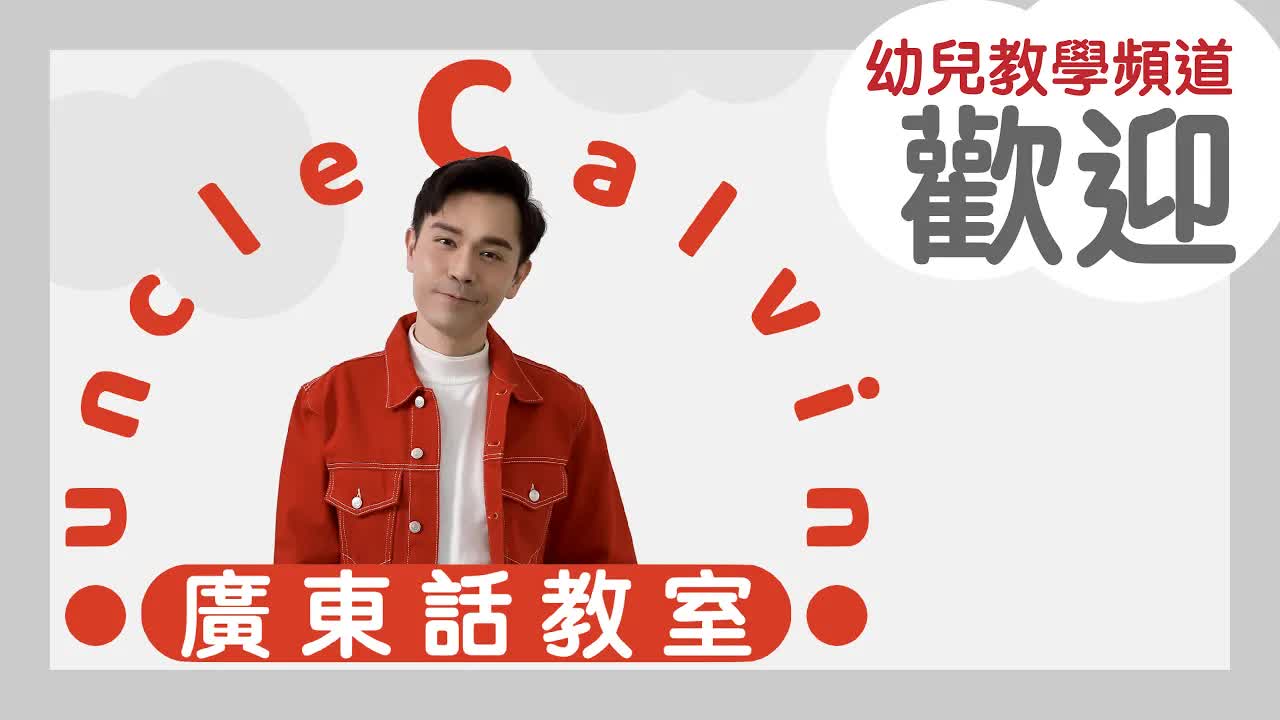


Uncle Calvin Cantonese Class(YouTube)より。 元動画を見る
Cantonese has two written faces: 口語 (how people talk) and 書面語 (the standard written Chinese).
Cantonese has two written faces. 口語 (hau2 jyu5) is spoken Cantonese put into writing, with words like 嘅, 咗 and 唔. 書面語 (syu1 min6 jyu5) is formal written Chinese, which reads close to Mandarin. A Cantonese speaker reads both easily but never says the written version aloud in daily talk. Many Hong Kong kids' channels show both, so you can compare them line by line.
In this clip the channel says its videos come with two sets of Chinese subtitles, 口語同書面 (spoken and written), so parents and kids can follow the Cantonese sounds. That is a handy study trick: put the two subtitle tracks side by side and match them up. For example, spoken 嘅 lines up with written 的, and spoken 唔 with written 不. When a Cantonese learner asks why a subtitle does not match what was said, this is usually the reason.
似たクリップ


本物の動画で学ぶ
このようなクリップが何千本も。見ているうちに、あなたのレベルに合っていきます。