Thaiのリスニング練習 · C1 · らくらく理解
What does “โม้” mean in Thai?
ความจริงเรื่องสมอง เราใช้กี่เปอร์เซ็นต์กันแน่
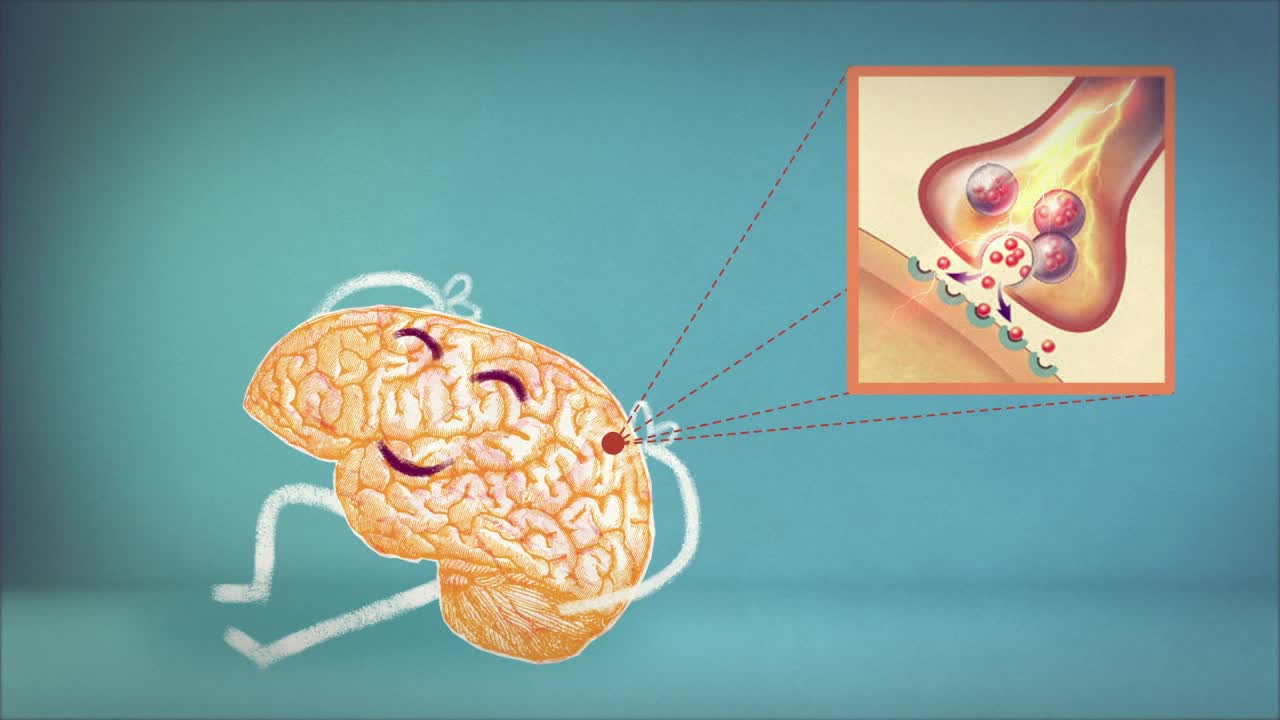


จงใฝ่รู้อยู่เสมอ — TED-Ed(YouTube)より。 元動画を見る
โม้ is casual Thai for bragging or talking big, and ขี้โม้ is the person who always does it.
โม้ (móo) is a colloquial, slangy verb meaning to brag or boast. It sits in the same family as โว, คุยโว and อวด, but sounds more casual and often a little mocking. Add ขี้ to the front and you get ขี้โม้, a habitual braggart. You will hear it in chat and in lively explainers like this one.
In the clip the narrator says “นักโฆษณาโม้ว่าช่วยปลดศักยภาพที่ซ่อนอยู่ได้”: advertisers brag that they can unlock your hidden potential. The speaker chooses โม้ instead of a neutral verb like กล่าว to show that the claim is hot air. The word also combines as คุยโม้ (to talk boastfully). In formal writing, pick โอ้อวด or คุยโว instead.
似たクリップ

วิเคราะห์อาลีฟ ชิงแชมป์เดือดกับสามเอ

ความเชื่อ งมงาย และเสื้อวงตัวเป็นล้าน

สื่อกัมพูชาปั่นข่าวปมเปิดปิดด่านชายแดนไทย

ดรามาใหญ่ นายกฯ ถุยกลางเวที ปมสังหาร สส.

vlog ชีวิตทำงานหนัก เดินทางถ่ายงานทั้งสัปดาห์

คุยเรื่องศักดิ์ศรี วาสนา และความสบายในชีวิต
本物の動画で学ぶ
このようなクリップが何千本も。見ているうちに、あなたのレベルに合っていきます。