Free Arabic learning app
Arabic learning that doesn’t feel like studying
Real native Arabic videos at your level.
Arabic has one written standard and many spoken dialects. The Arabic feed starts with the two most widely understood, Egyptian and Levantine, and you can switch to Gulf, Moroccan, Iraqi or Modern Standard Arabic (fusha) any time. Every clip is a real native speaker, graded by level and speed.
The textbook says urīd for “I want”. In Cairo you’ll hear ayez, in Beirut baddi. The feed begins with slower, clearer speakers in the dialect you choose and adjusts to what you follow, skip and look up. You don’t need an account to start watching.
86,699
Arabic videos
11
Accents
Focus Mode is exactly what I was hoping for. The guided language learning approach makes it much easier to know what to do next and removes a lot of the friction. I also love the Learner Insights, Smart Subtitles and Expressions.
Accent
Level
Speed
Topic
Recommended Arabic videos
Showing 24 of 61,892 videos
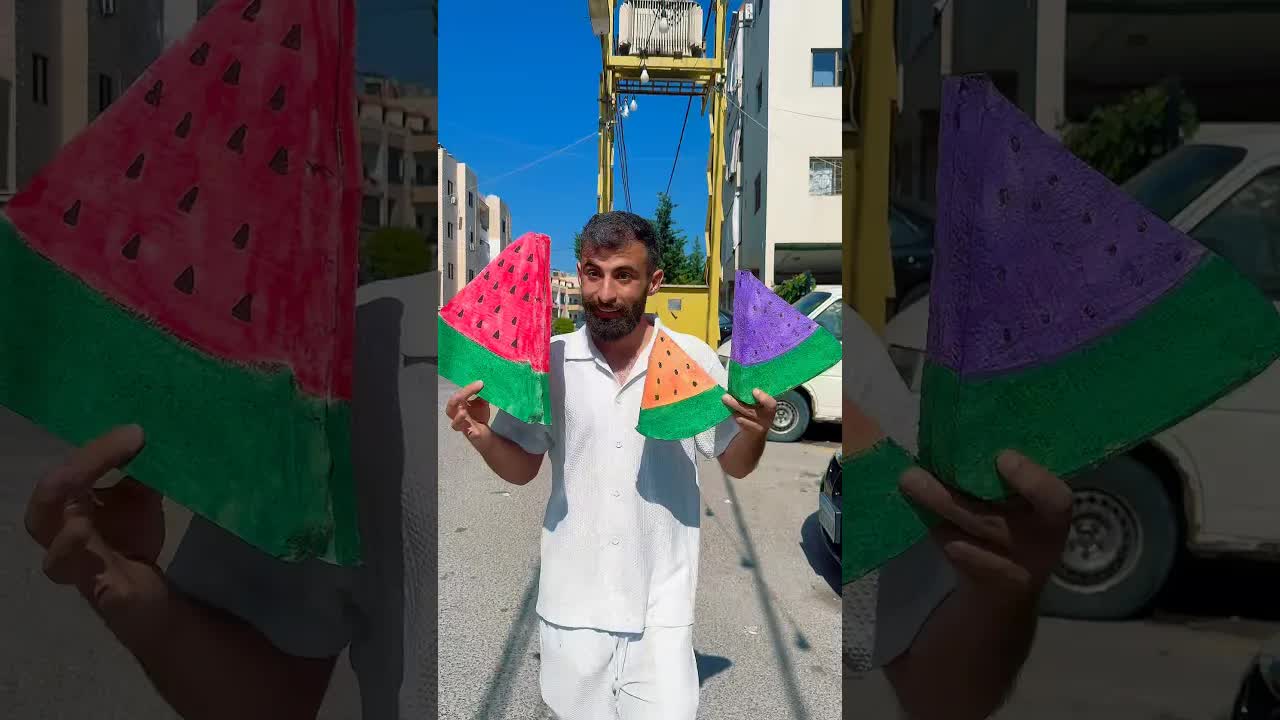
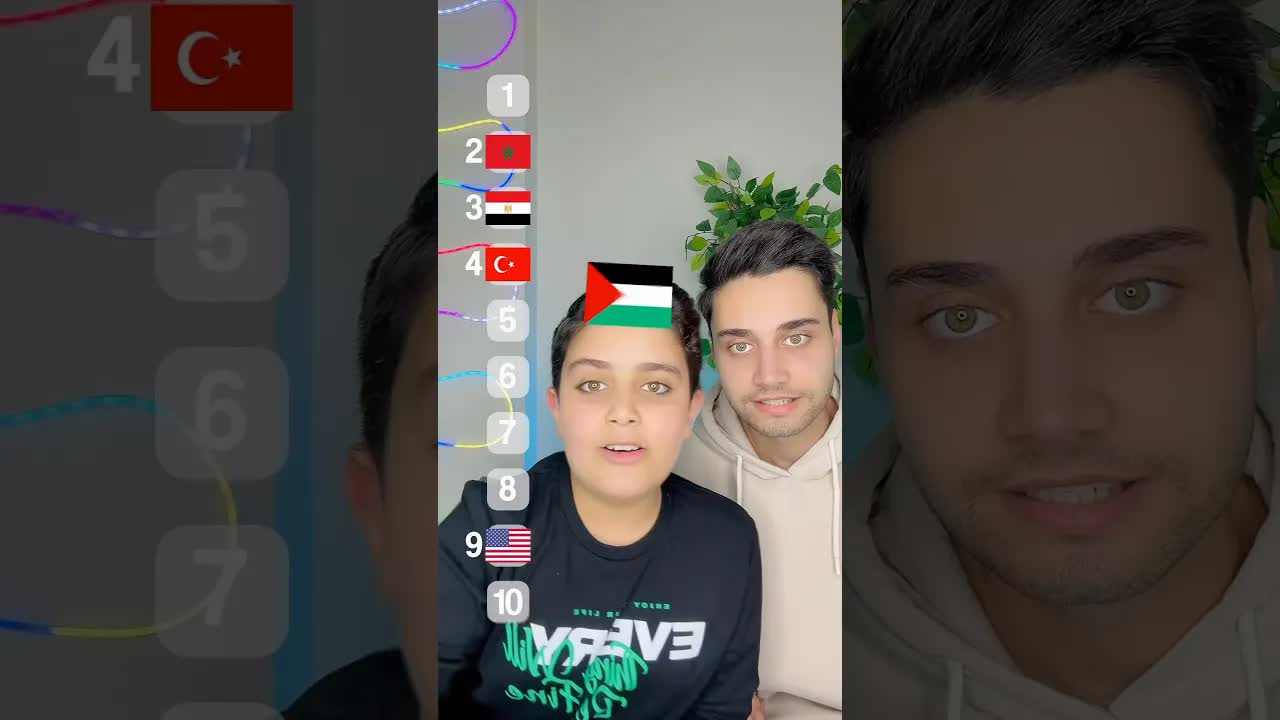
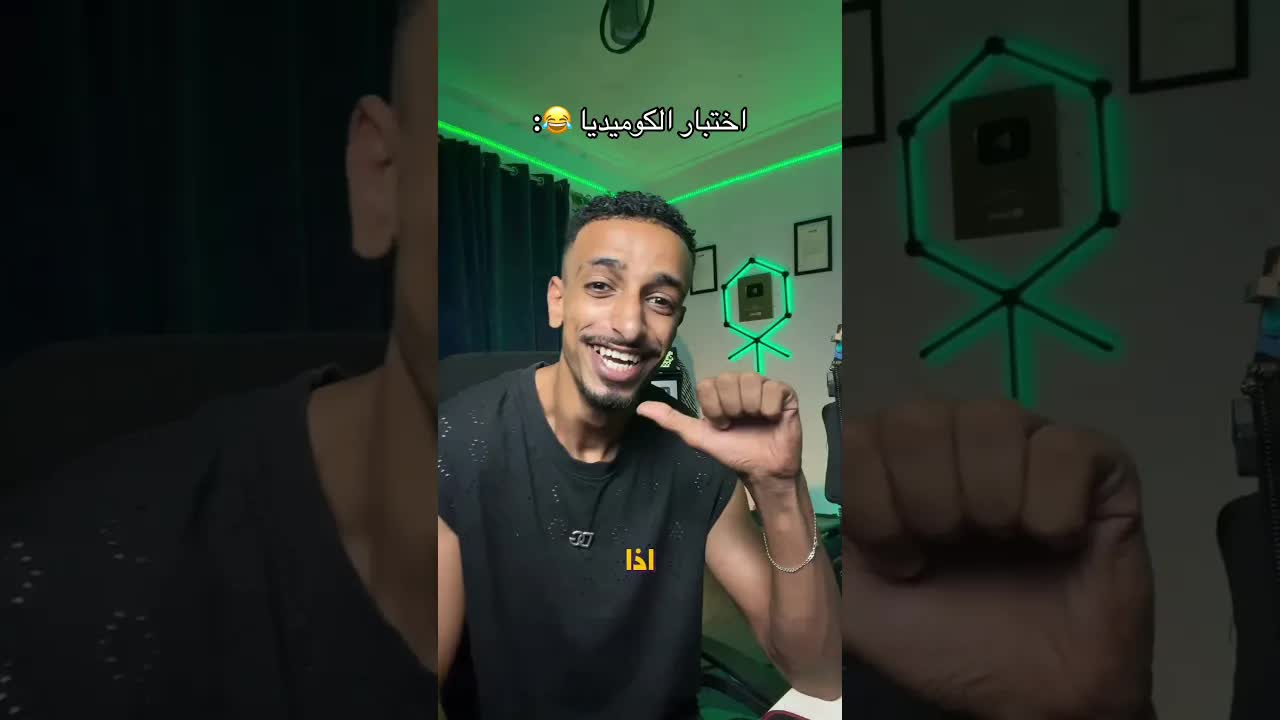

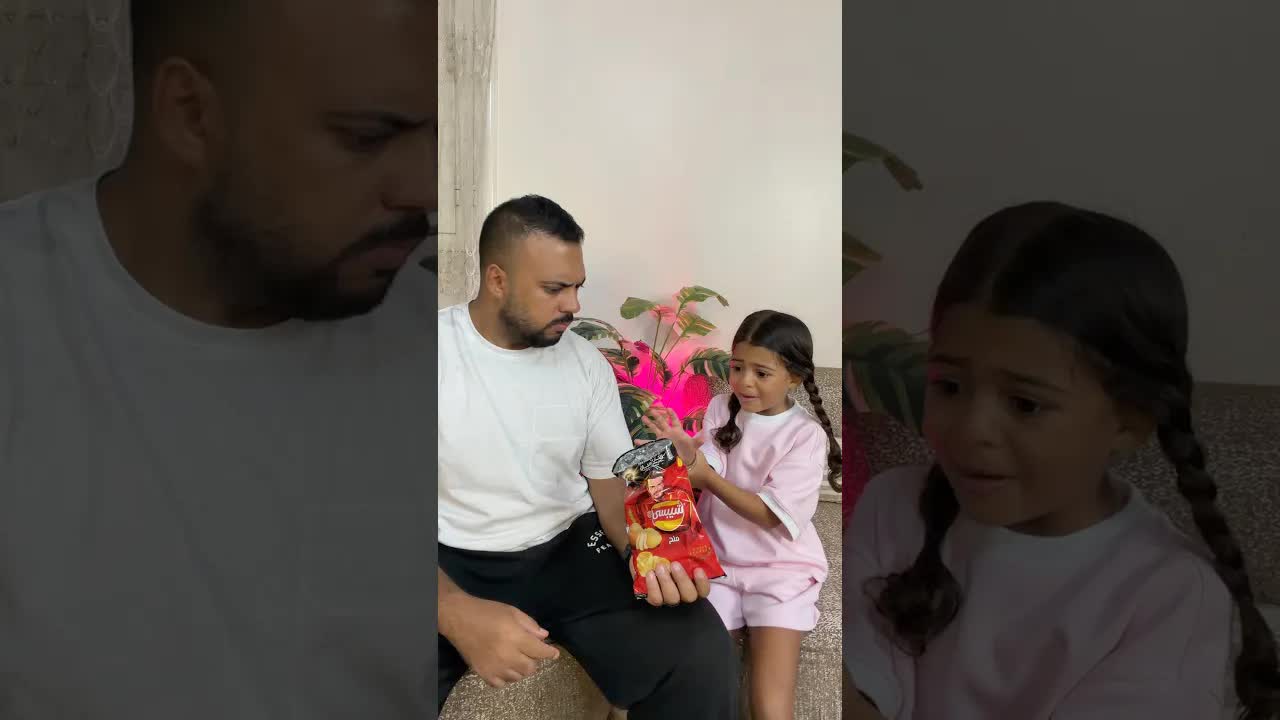

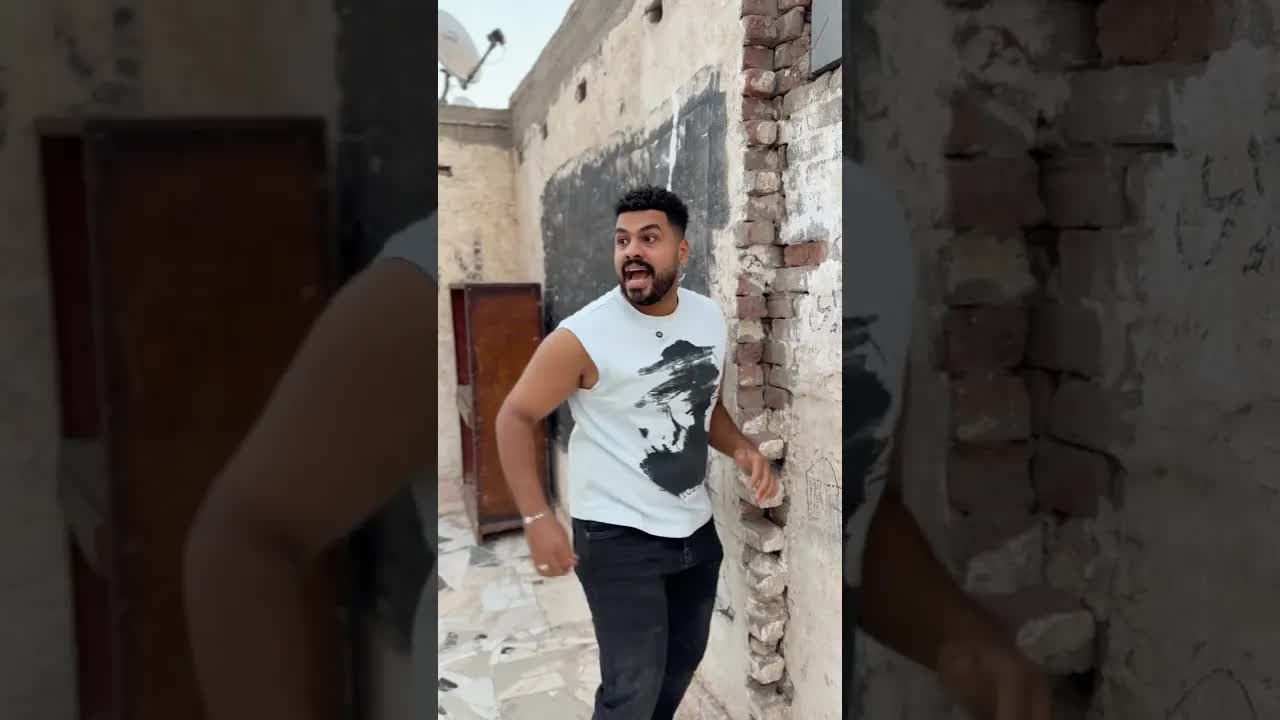

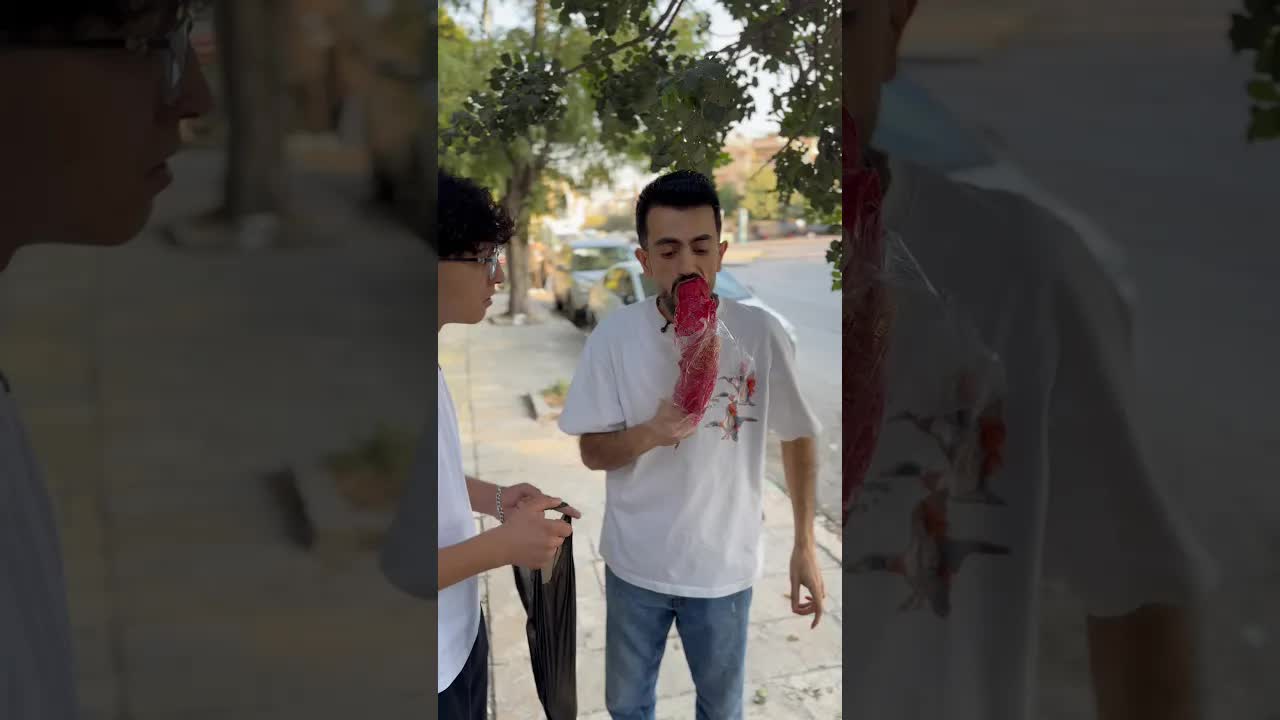


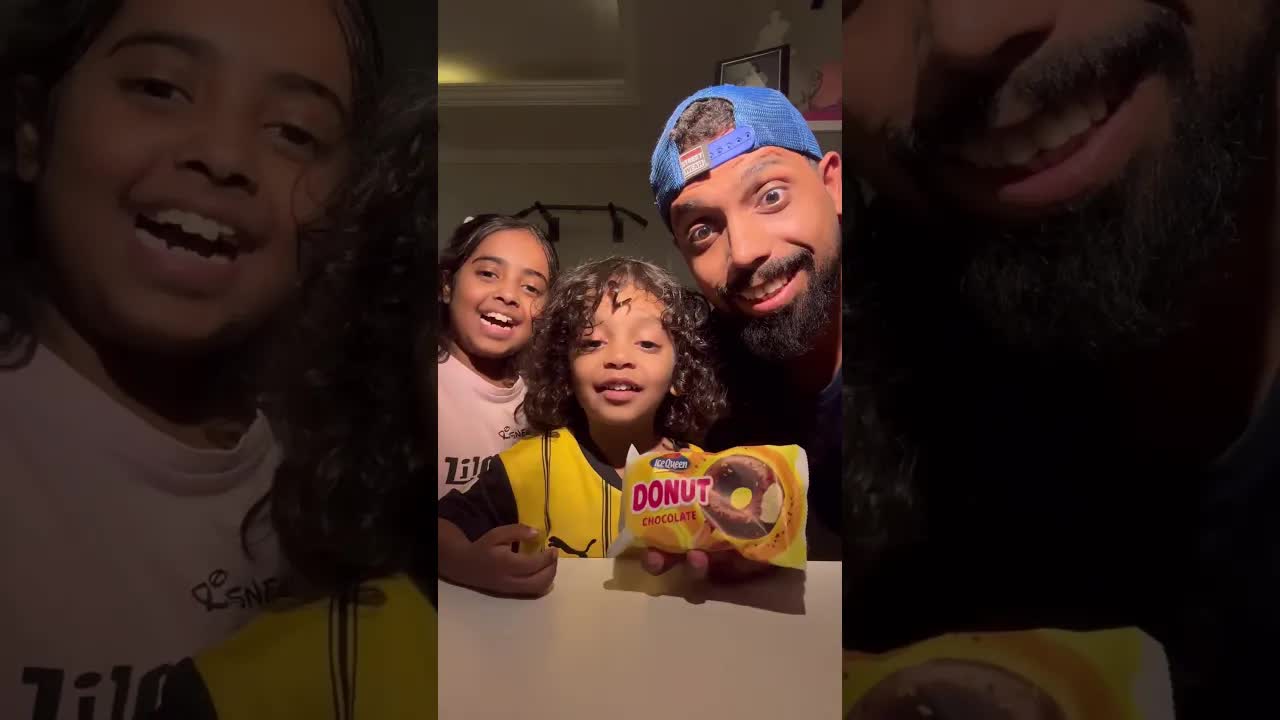

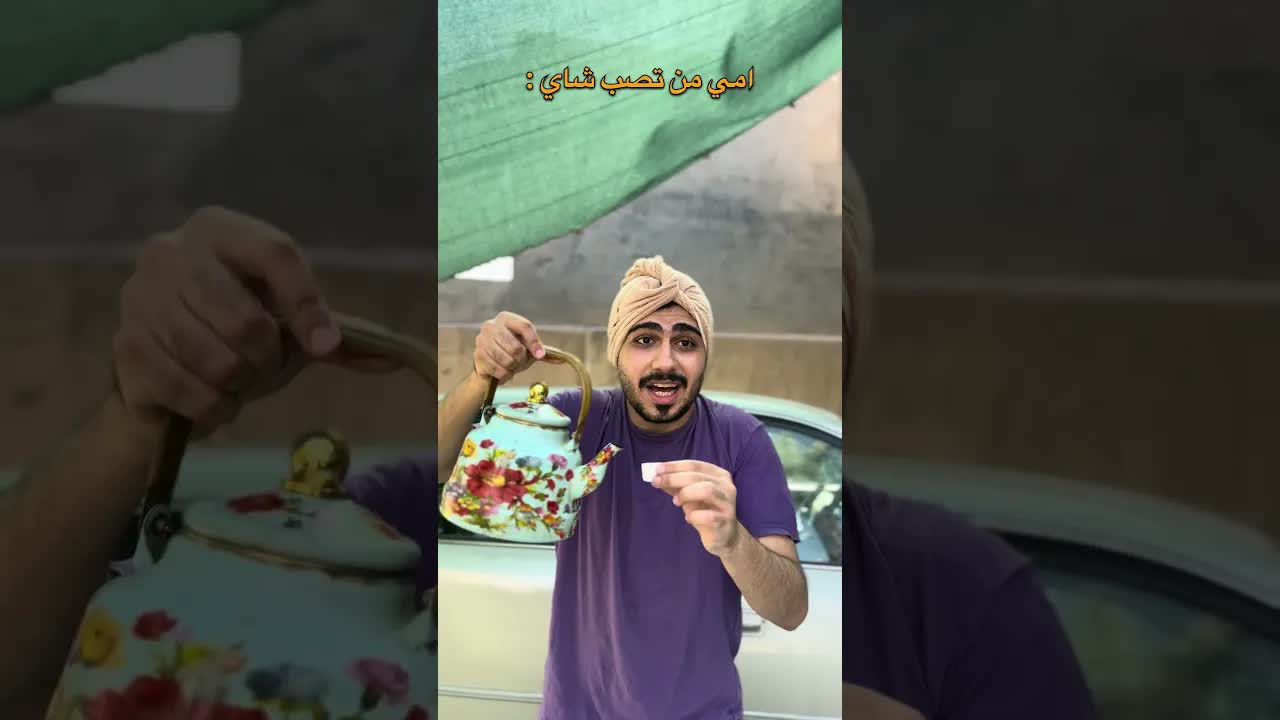











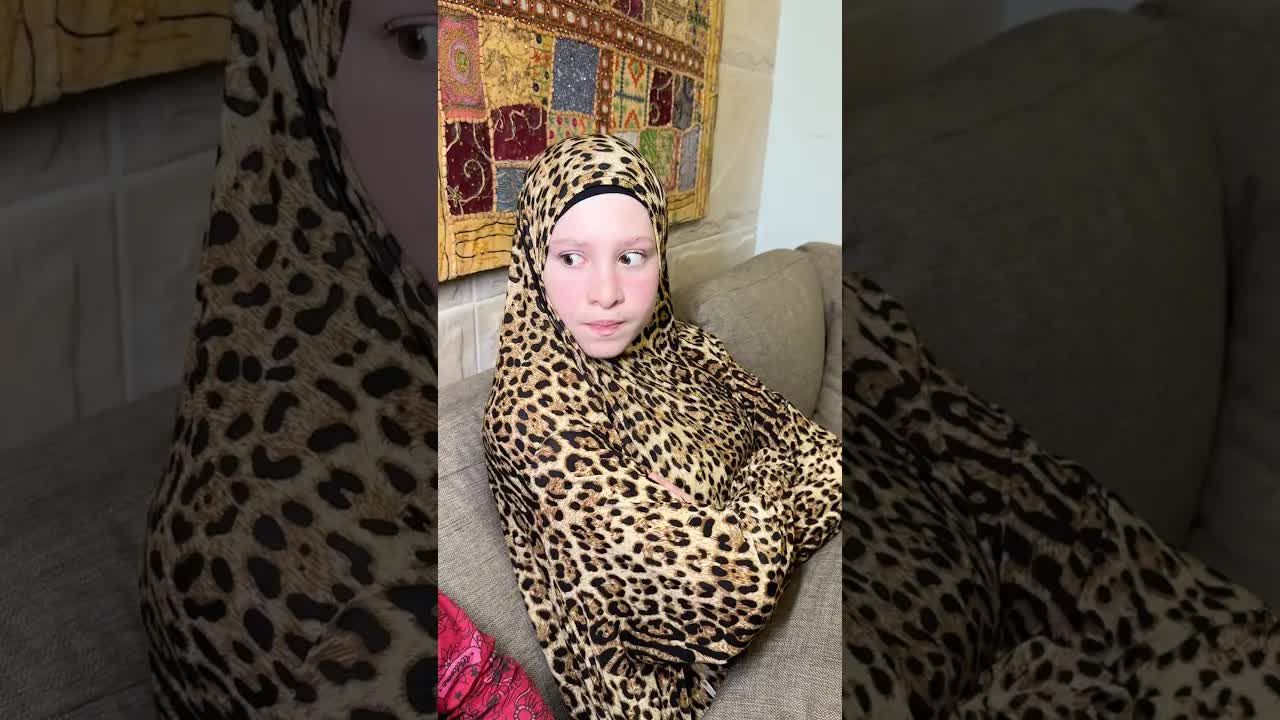


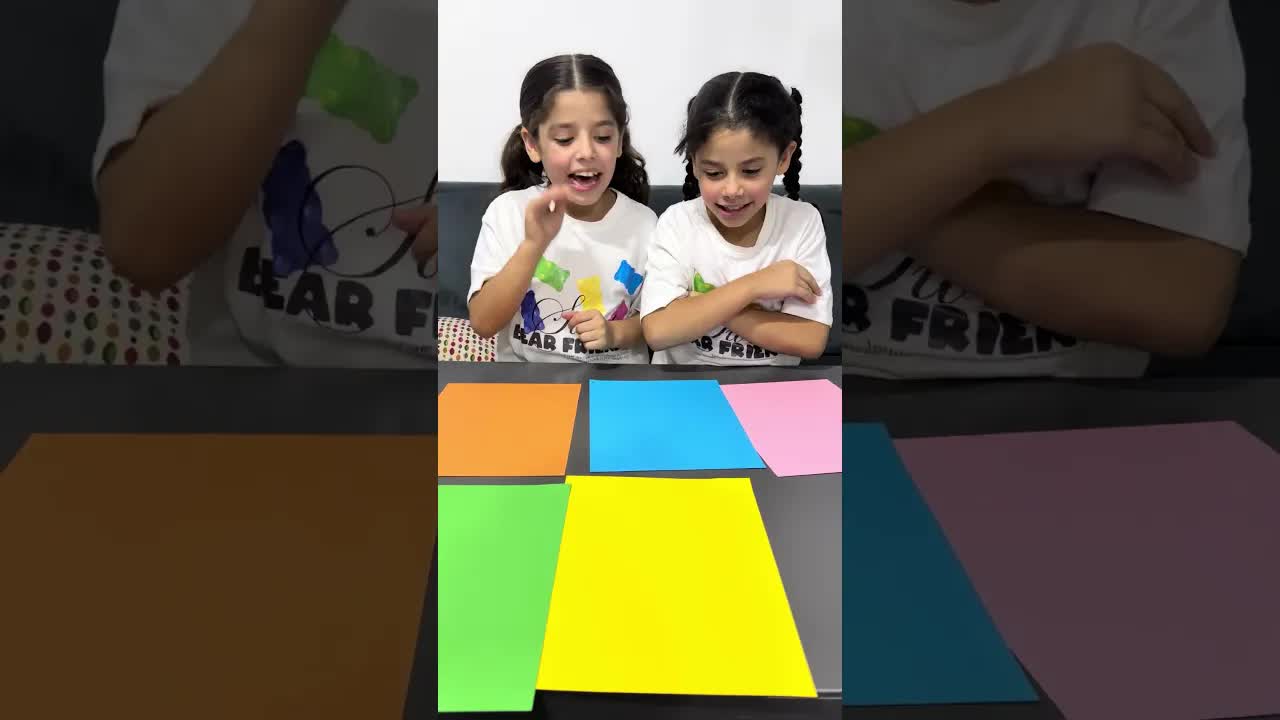



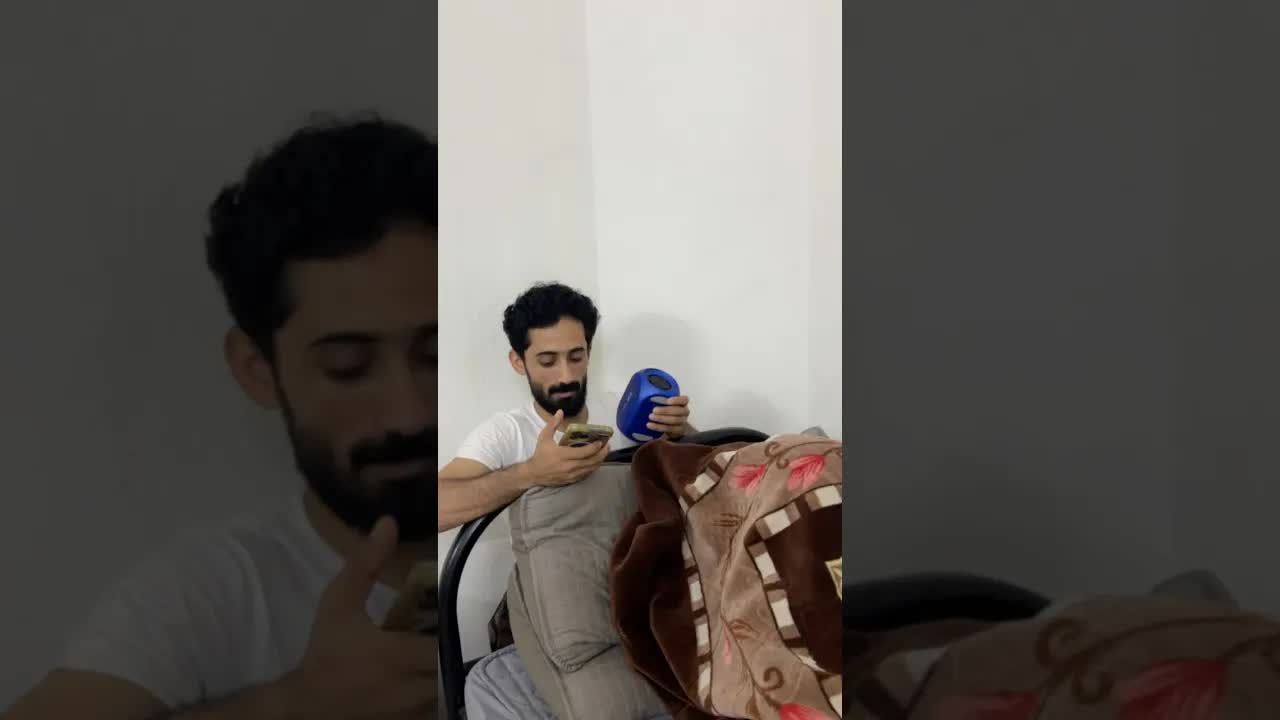
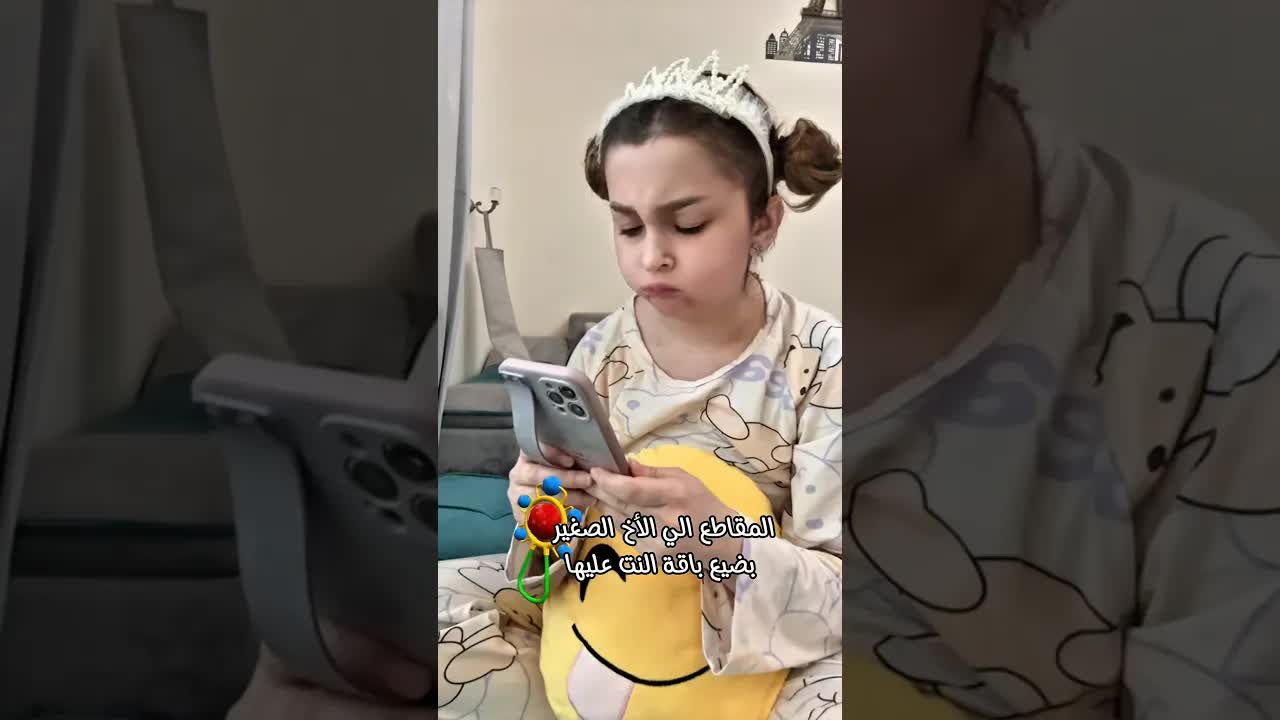
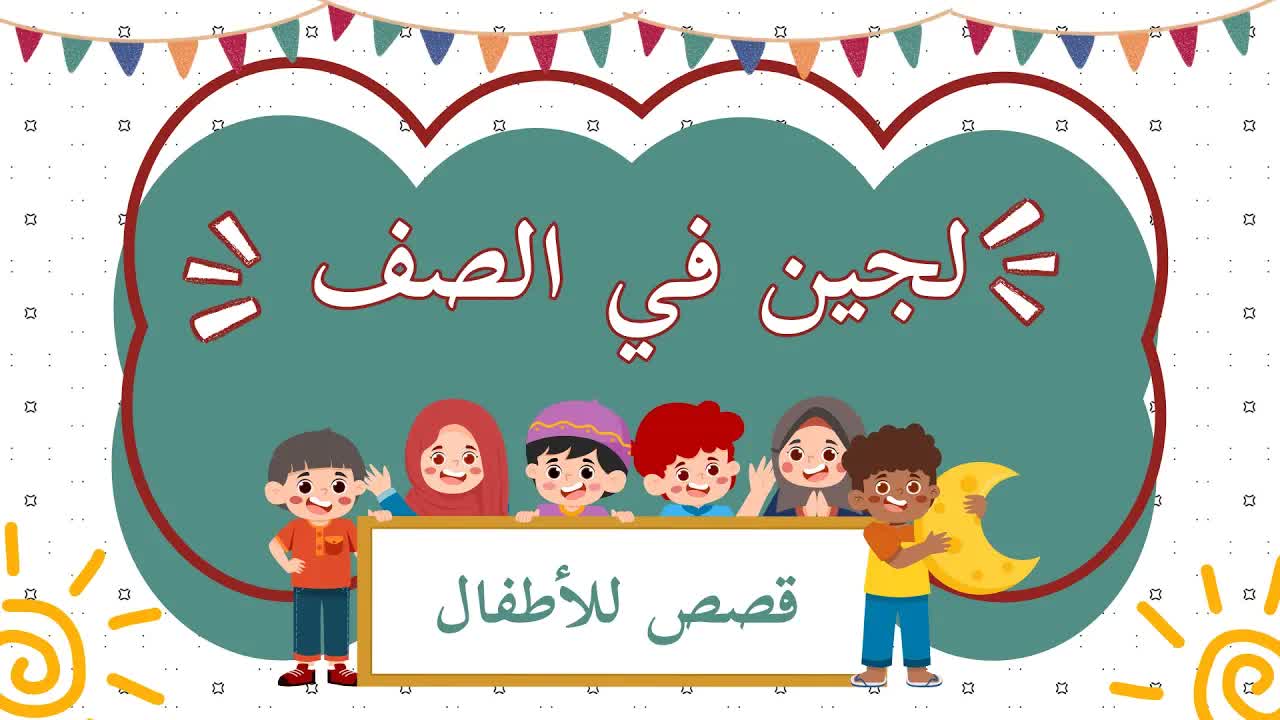
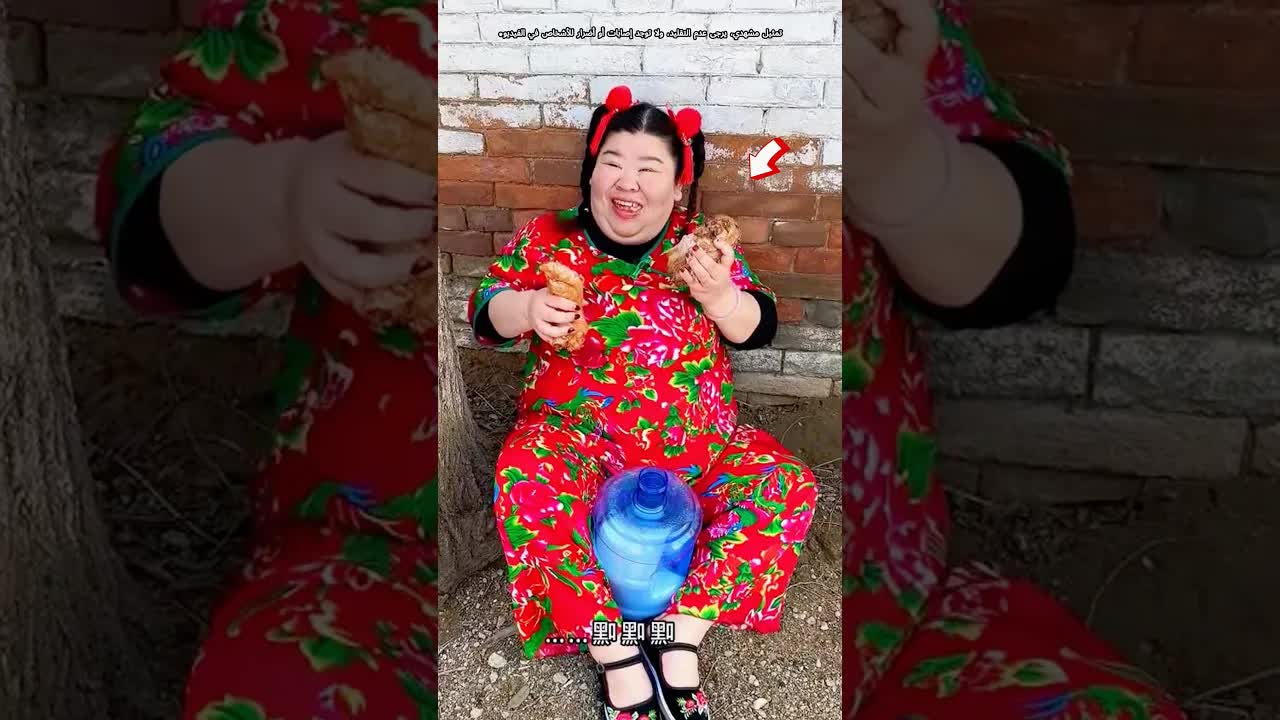




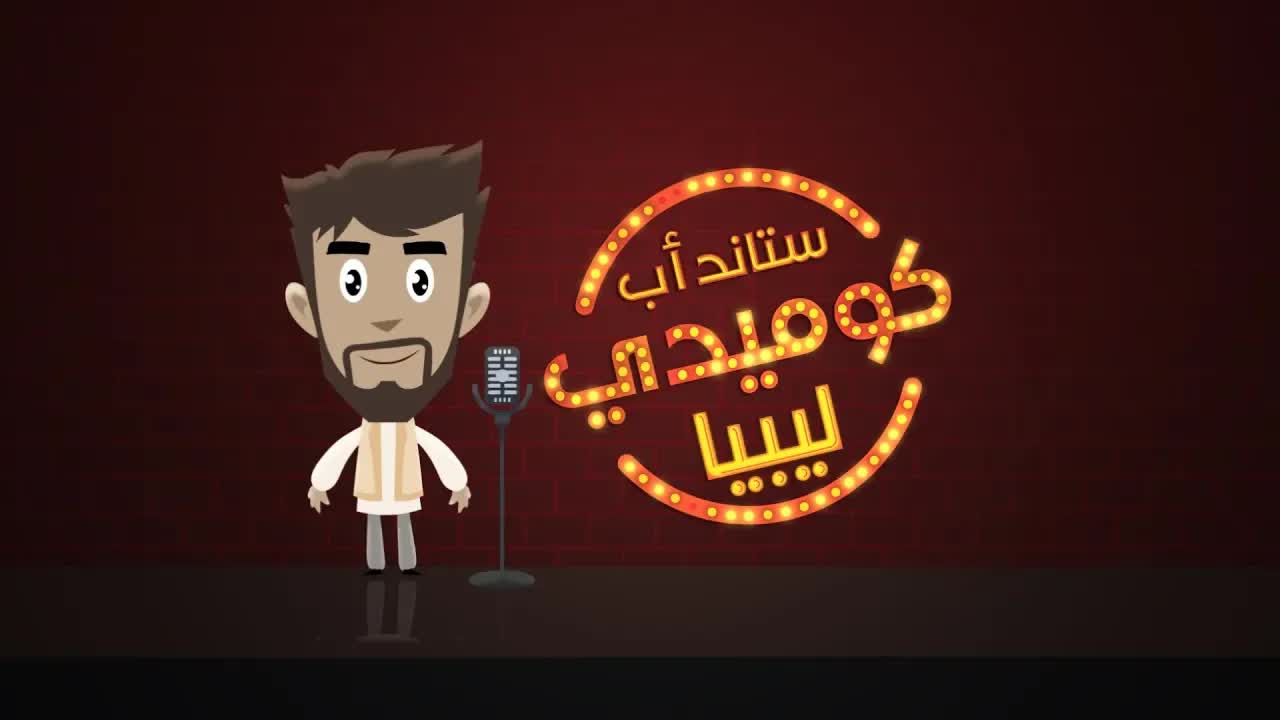
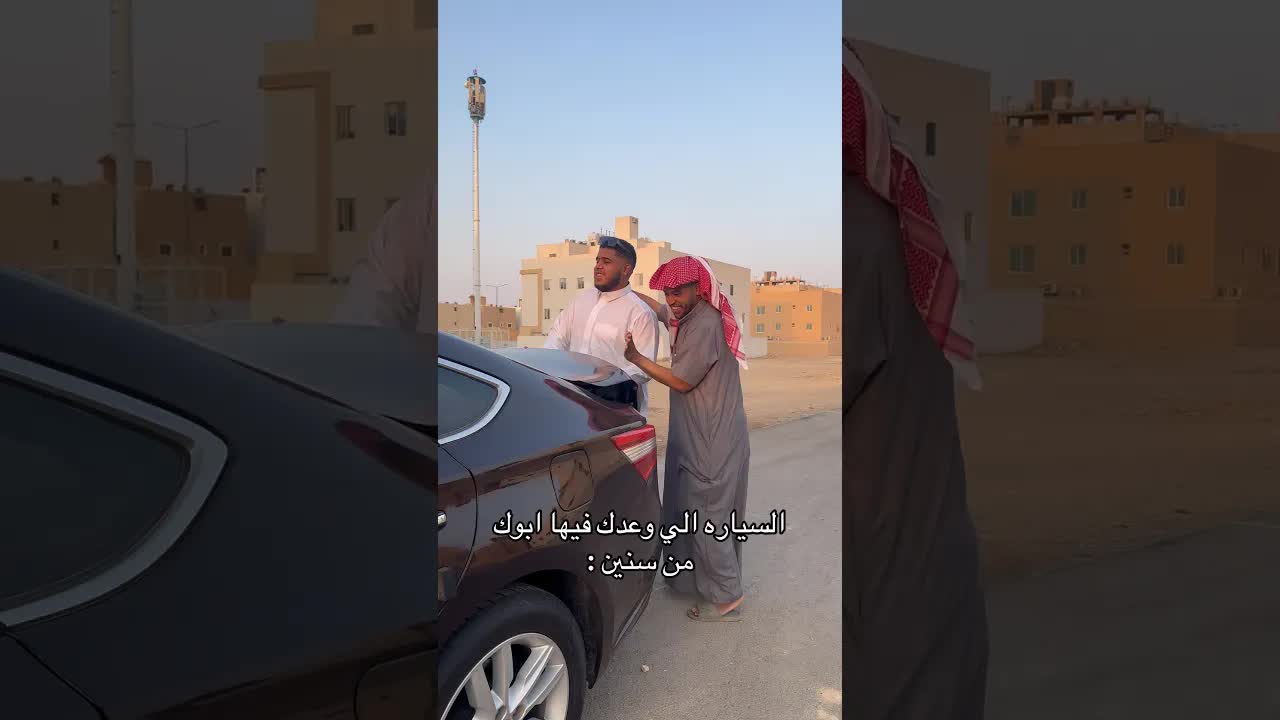
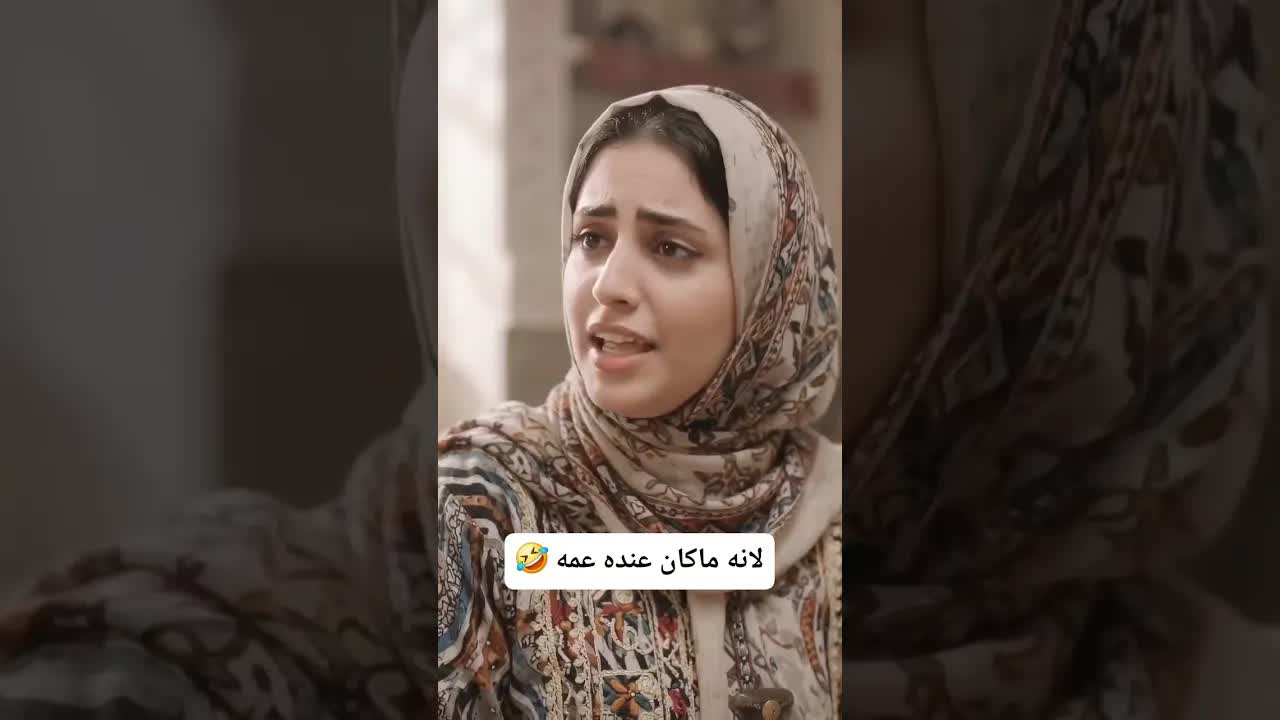



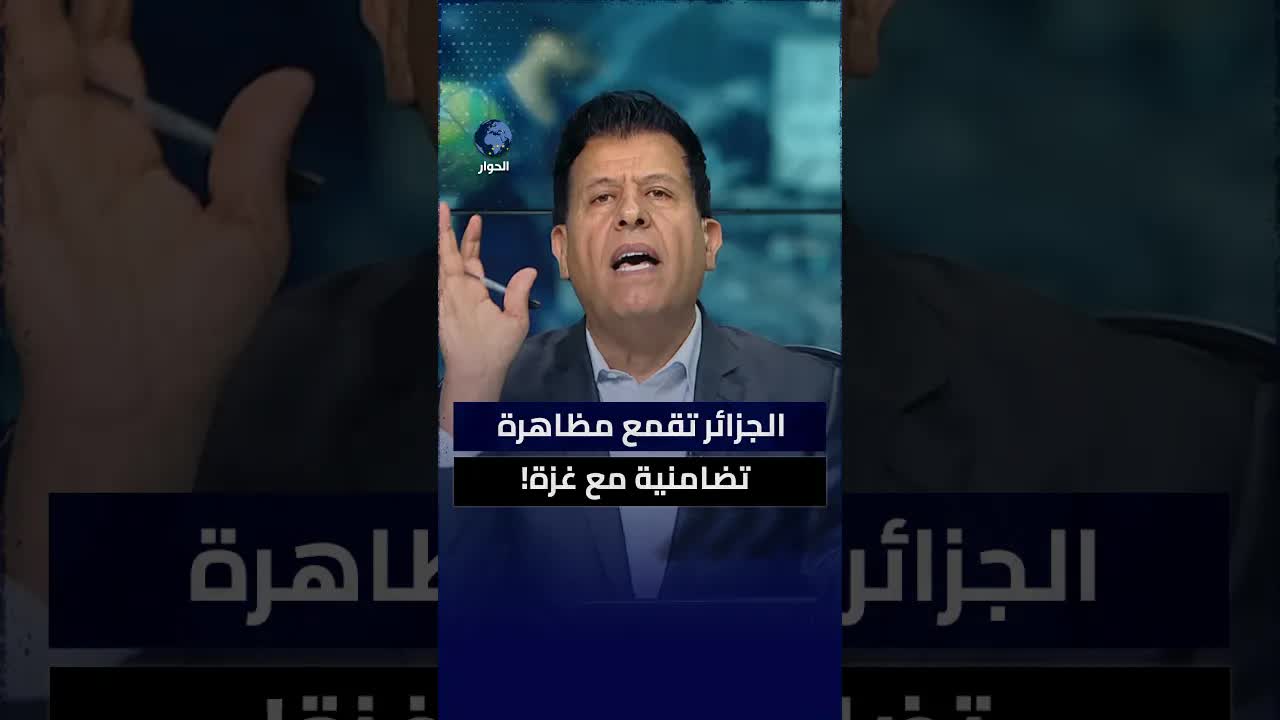
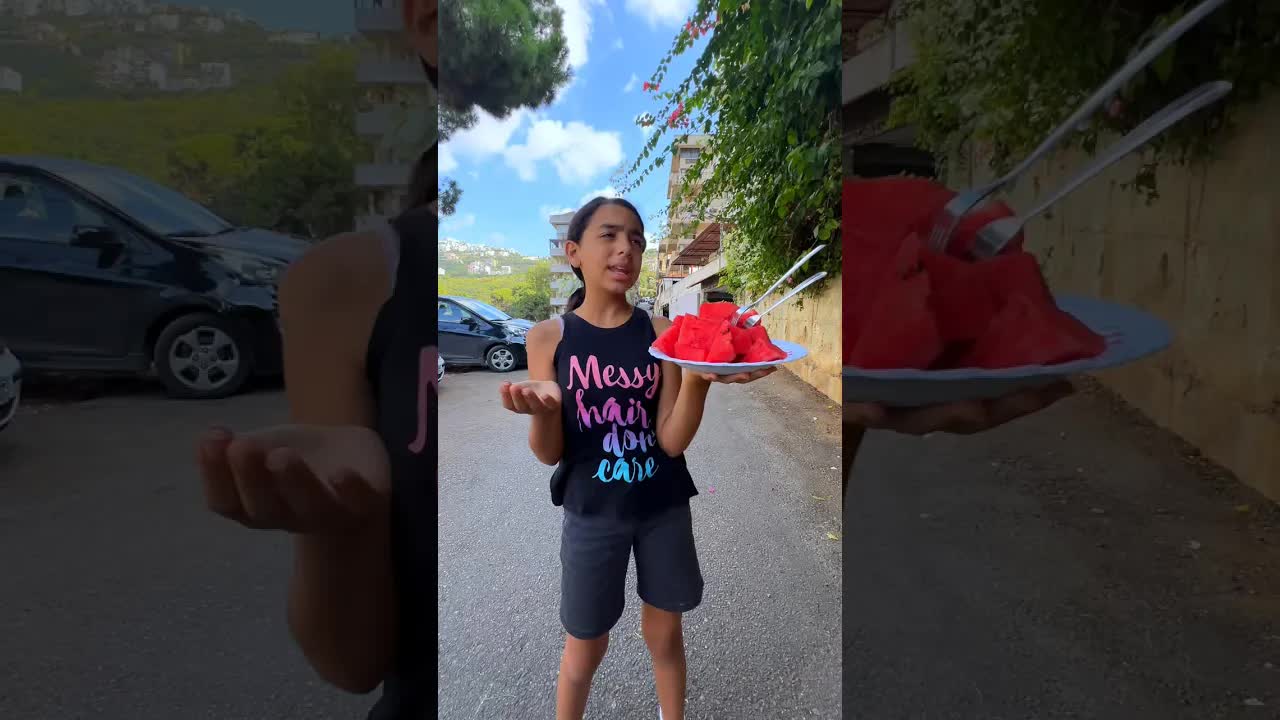
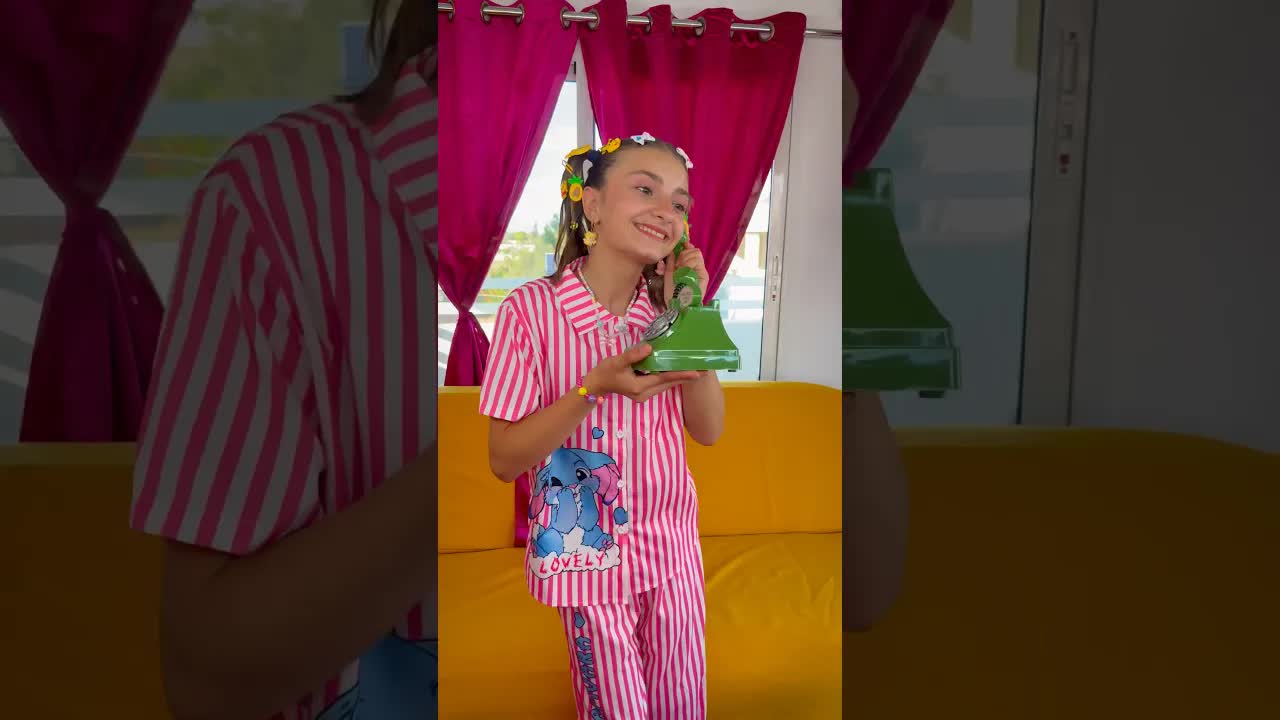
Is Reelang the best app to learn Arabic?
It depends on where you are. If you’re starting from zero, a structured course app like Duolingo is a good first step. Once you know the basics, from about A2, the hard part is understanding real people, and that’s what Reelang is for: real Arabic videos at your level, with help when you need it. You can use both.
- Real Arabic, not scripts: no actors and no textbook dialogues, just the way people actually talk.
- Always at your level: every clip is graded by level and speaking speed, and the feed adapts as you watch.
- The accents you’ll meet: Levantine Arabic, Egyptian Arabic, Gulf Arabic, Modern Standard Arabic, Moroccan Arabic, Iraqi Arabic and more.
- Built for listening: most Arabic apps teach words and grammar drills. Reelang trains your ear on real conversations.
Arabic videos by level
Find Arabic videos at your level, then stretch slightly upward. Colloquial speech and dialect rhythm get noticeably easier with exposure that sits just above where you are right now.
Arabic dialects and Modern Standard Arabic
Hear Arabic across the Arabic-speaking world, including Egyptian, Levantine, Gulf, Maghrebi, and other regional varieties.
Dialect or Modern Standard Arabic?
Modern Standard Arabic (fusha) is the Arabic of news, books and speeches, and it is the same in every country. At home, at work and online, people speak their dialect. The grammar is close and much of the vocabulary is shared, but everyday words change: Egyptians say عايز where the textbook says urīd, and in the Levant “what” is شو.
Even “why” tells you where someone grew up (ليش / ليه), and so does “very” (بزاف / قوي / مرة). Further west the gap grows: in Moroccan Darija “two” is جوج, a word Egyptians and Levantines never use for counting.
Our advice: pick one dialect for listening and stay with it until it feels easy, then add MSA for reading and the news. Without a reason to choose, start with Egyptian or Levantine. Decades of Egyptian films and Levantine TV drama made them the dialects most Arabs understand, and the feed starts there. Choose Gulf, Moroccan, Iraqi or MSA instead and the feed shows only that.
Arabic videos by topic
Explore real Arabic by subject, situation, and learner interest, from daily life, food, and family to culture, humor, and work.
Grew up hearing Arabic?
If Arabic is the language of home, you probably understand your family’s dialect better than you speak it. Stay in that dialect and fill in the gaps, or add fusha and the dialects next door to widen your range.
How it works
Questions about learning Arabic with Reelang
What is the best app to learn Arabic with real videos?
Reelang is built for it: a free feed of real Arabic videos from native speakers, graded by level, speaking speed and accent, that adapts as you watch.
How does Reelang figure out my level?
It starts you on easier clips and adjusts from what you follow, skip and look up. There’s no placement quiz.
What is the Reelang Arabic video feed?
A TikTok-style feed of real Arabic videos from native speakers, graded by level and speaking speed and tagged by accent. It learns from how you watch and keeps serving clips at your level.
What is comprehensible input?
Comprehensible input is Arabic you can mostly understand, with a little that’s new. Linguist Stephen Krashen argued it’s how we acquire languages, and it’s the idea Reelang is built on.
Reelang takes it a step further with word frequency. It ranks every word in every video by how often it’s used in everyday Arabic, and keeps track of which words you already know. So instead of videos that are only roughly your level, your feed picks the ones made of words you know, plus the most frequent words you haven’t learned yet. Comprehensible input, made for you.
Does Reelang explain the words in each video?
Tap any word for its meaning. With Reelang+, Learner Insights also explain the culture, idioms and slang behind a clip.
A few Arabic words and phrases our explanations cover, from recent videos:
- ولا إيه؟ (walla eh?): "…or what?"; tacked on to push for an answer
- ماليش في (malīsh fī): "I'm not into it"; literally "I have nothing in it"
- جاب (gāb): "he brought"; Egyptian for MSA أحضر, from جاء بـ "came with"
- على فكرة (ʕala fekra): "by the way"; literally "on an idea"
- بكام؟ (bekām?): "How much is it?"; literally "for how many?"
Why short videos from native speakers?
Short clips let you hear many more speakers, accents and situations in the same time, so your ear gets used to Arabic as people actually speak it.
How does Reelang know if a video is too fast or too hard?
Every clip is analysed for how it’s spoken, not just which words it uses: speaking speed in words per minute, how often the speaker pauses, how many words come out between pauses, and how much of the clip is speech. With its vocabulary level, that lets the feed match both what you know and how fast you can follow.
What if I don’t know a word?
Tap it to see the meaning. With Reelang+, you also get translations into your own language, and words you look up come back in new clips.
Which Arabic words should I focus on first?
The most common ones. Smart Subtitles show how common each word is, so you can tell which words are worth learning now.
Which levels does it cover?
Beginner (A1) to Advanced (C1). It works best from about A2 upward.
Do I need an account? Is it free?
The Arabic feed is free and you can start without signing up. Reelang+ adds a personalized feed, translations into your own language and words that come back in new clips.
Which Arabic dialect should I learn first?
The one you’ll use. For family, a partner or a move, learn that country’s dialect. With no country in mind, Egyptian or Levantine takes you furthest: both are understood across the Arab world, and both have thousands of videos here. Add Modern Standard Arabic when you want to read or follow the news.
Do speakers of different Arabic dialects understand each other?
Mostly, between neighbours. Egyptian, Levantine and Gulf speakers usually follow each other, helped by shared TV and music. Moroccan, Algerian and Tunisian Arabic are harder for them: French and Amazigh loanwords, and short vowels that disappear. Across that gap, people often switch toward fusha or Egyptian to be understood.
How is Reelang different from a typical language app?
Most apps teach with drills and scripted audio. Reelang trains listening on real Arabic the way people actually speak it.
How much should I watch?
Little and often works best. A daily session you enjoy beats a long one you skip.
About this hub
About comprehensible input in Arabic
What is comprehensible input?
Comprehensible input is language you can mostly follow, with a small amount that is still new. The idea is often associated with Stephen Krashen: people acquire language by understanding meaningful messages, not only by memorizing rules in isolation. For Arabic, that idea runs into diglossia, the fact that Arabic has two parallel forms in daily life: a formal written version you meet in books and news (Modern Standard Arabic, or MSA) and the regional dialect people actually speak at home. They share a great deal but they are not interchangeable, and most courses teach only one of them.
Why real reels, not textbook dialogues
Real spoken Arabic lives in dialect. Egyptian shifts certain consonants; Levantine softens them differently; Gulf speech has its own melody; Maghrebi varieties can land like a related-but-separate language to an ear trained only on MSA. Reelang uses unscripted short-form video from native speakers so you can pick the dialect you actually want to understand and stay inside it, with the vocabulary, pace, and rhythm people use with each other, not with a microphone.
How to use this catalog
Start with your level. From there, browse by topic depending on what you want to work on. If the written language feels easier than the spoken one, the answer is almost always more listening at a level you can stay with, not harder material. Pick the topics you care about and the dialect you want your ear on, and let frequency do the work.
Want a full roadmap? Read our guide to comprehensible input.