Free Portuguese learning app
Portuguese learning that doesn’t feel like studying
Real native Portuguese videos at your level.
Brazilian or European? It’s one of the first choices in Portuguese, and the answer changes what you hear: open vowels and a gente in São Paulo, swallowed vowels and tu in Lisbon. Reelang has native videos from Brazil, Portugal, Angola and Mozambique, graded to your level.
Reelang starts you on easier Portuguese clips and learns from what you follow, skip and look up, so every video sits just past what you already understand. No placement quiz, no signup to start.
45,036
Portuguese videos
4
Accents
Reelang is exactly what I was looking for. I love Dreaming Spanish, but I was really sad I couldn’t find a similar tool for Portuguese. Reelang fits perfectly.
Accent
Level
Speed
Topic
Recommended Portuguese videos













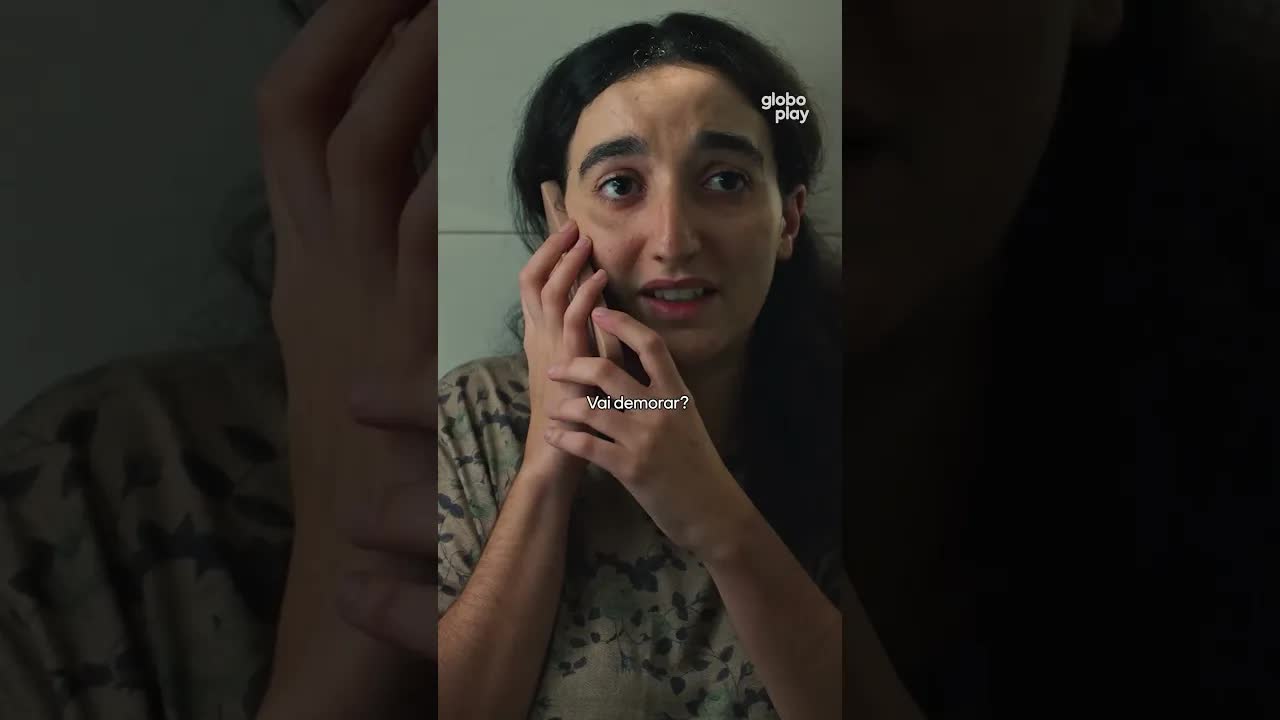







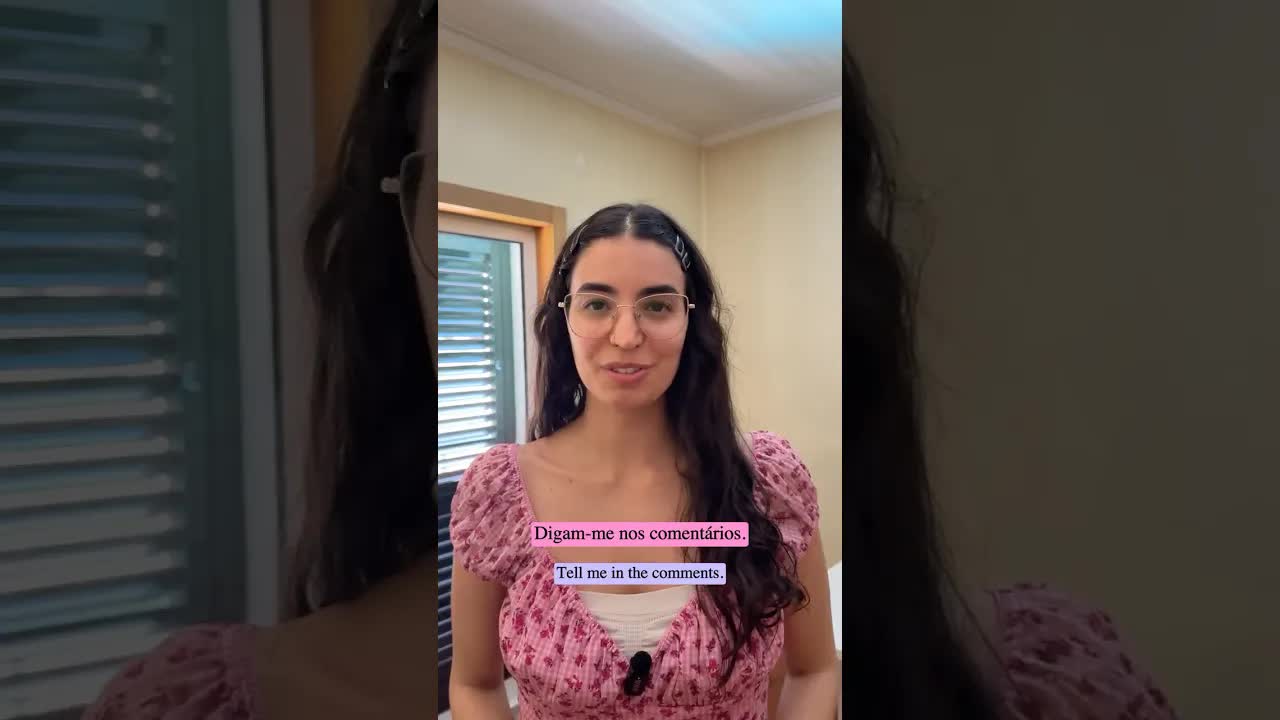

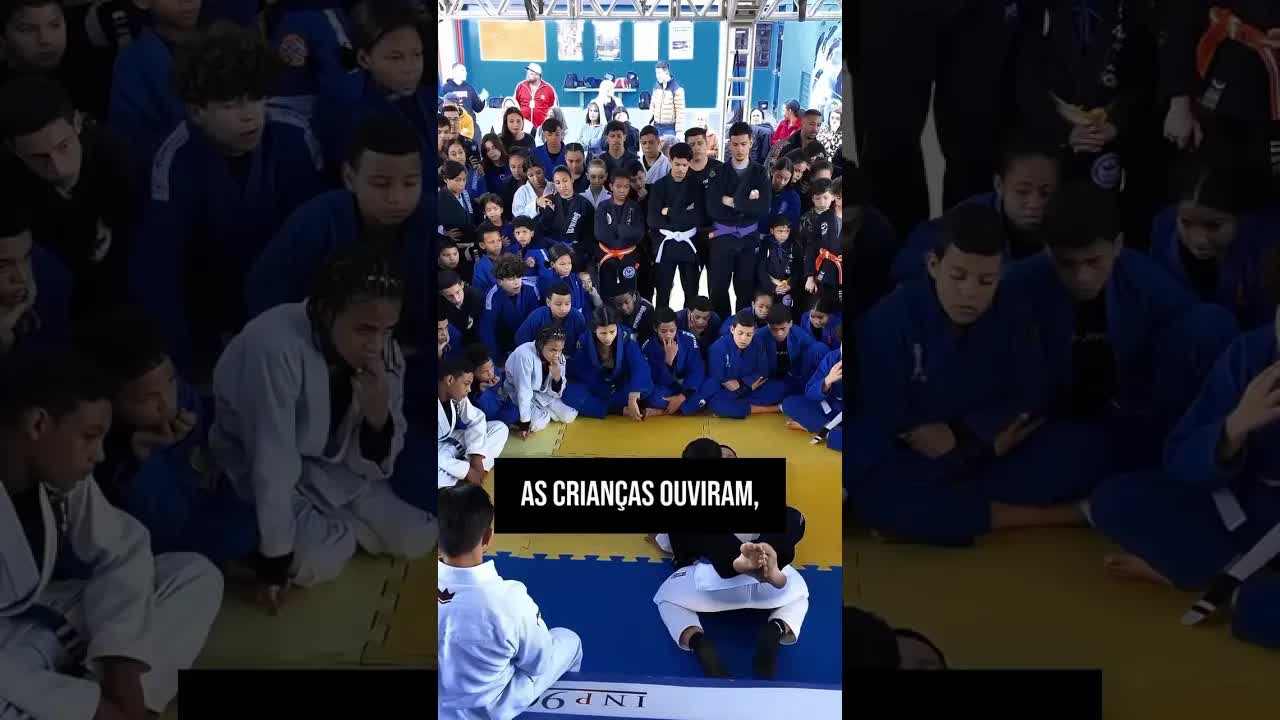



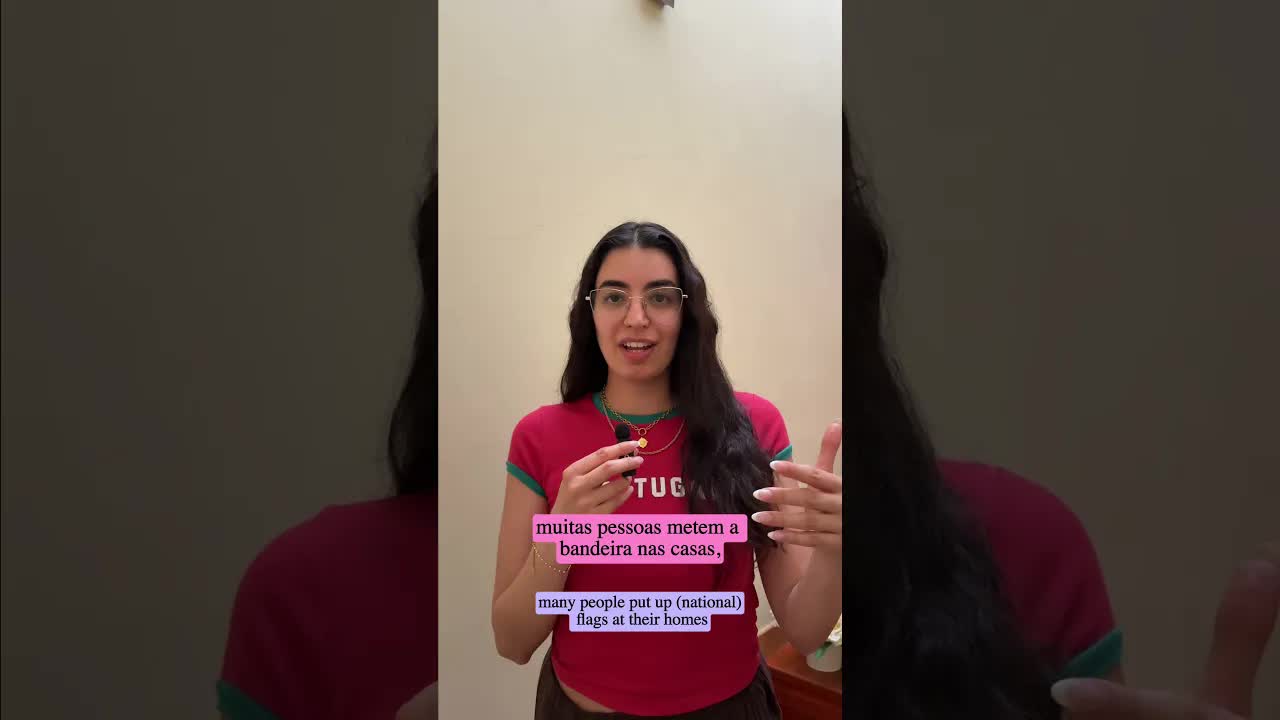


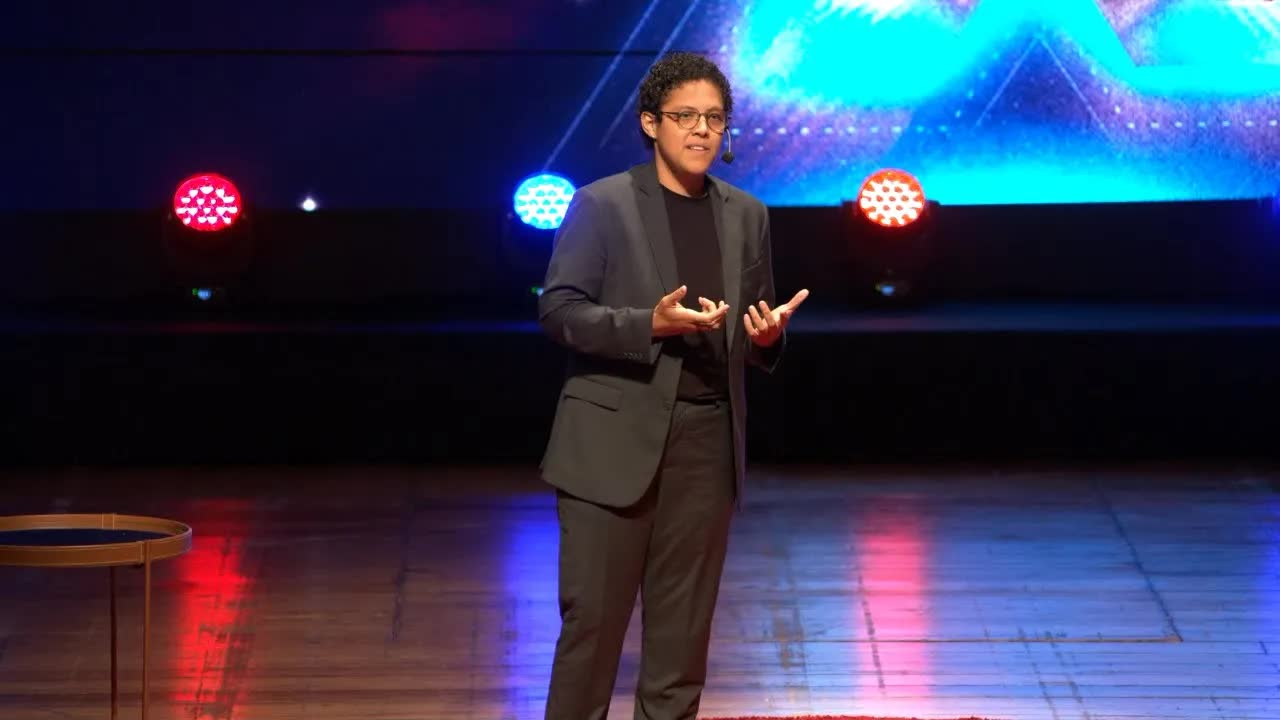



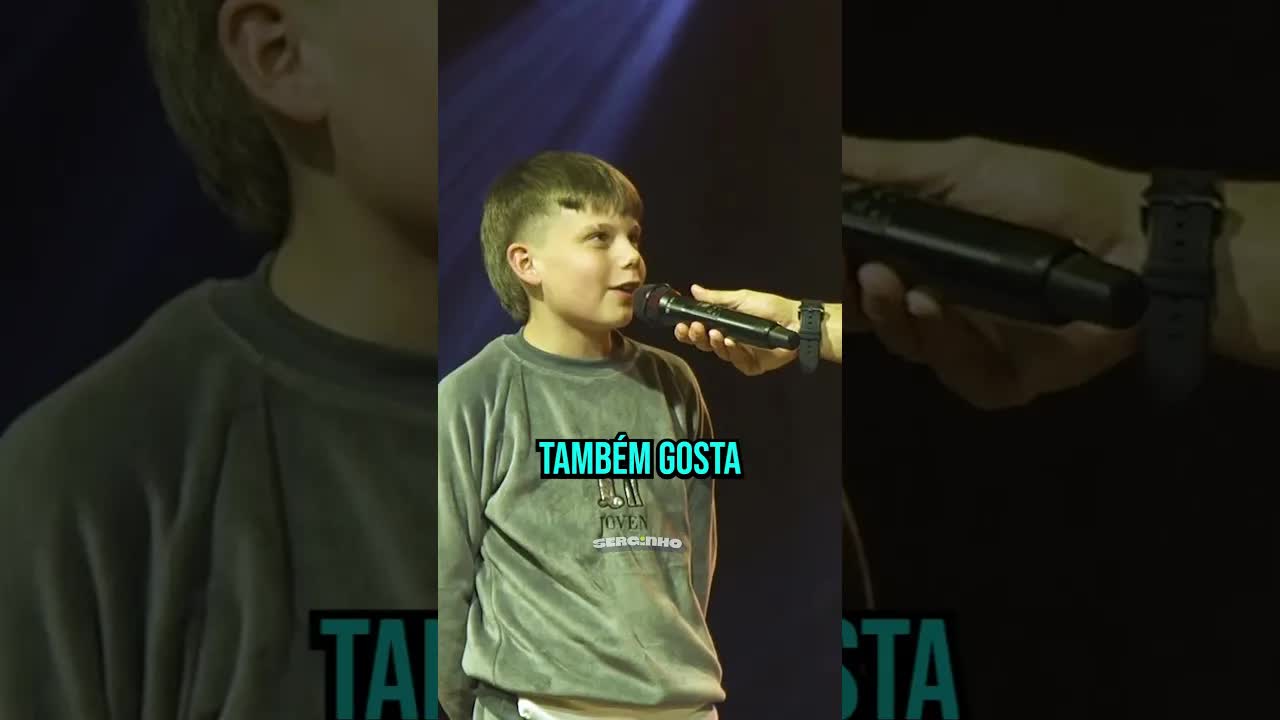
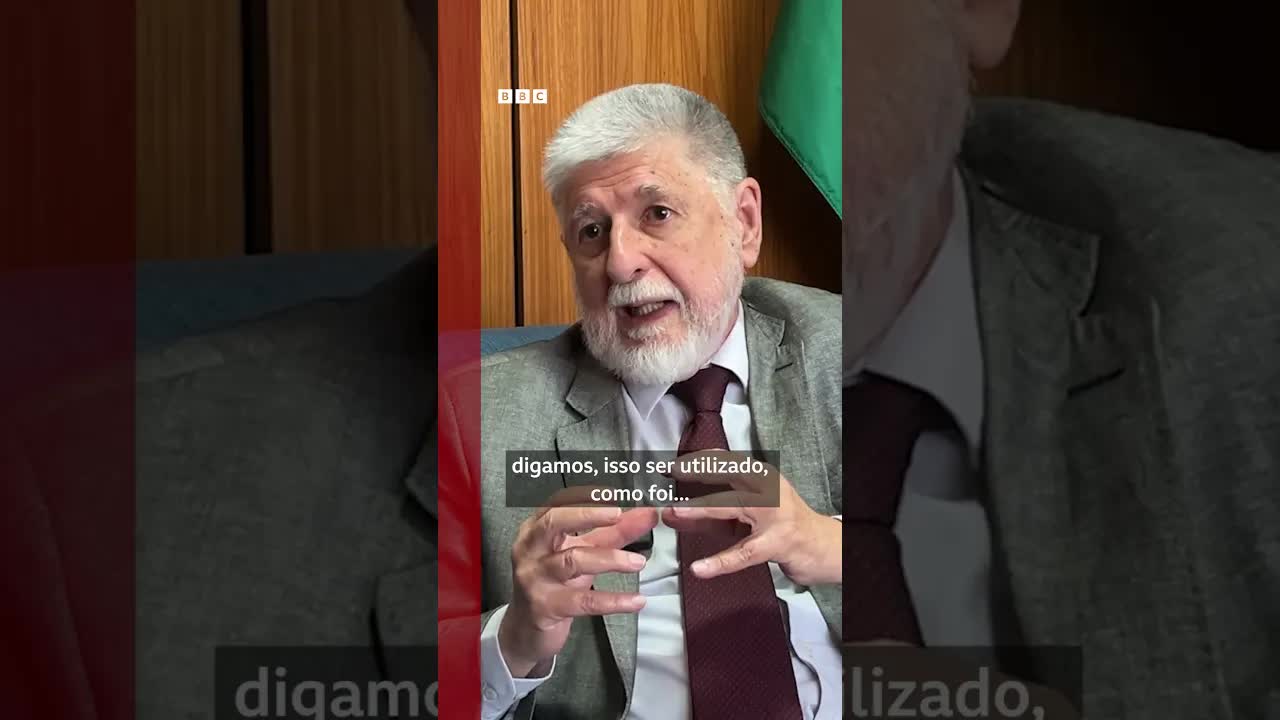





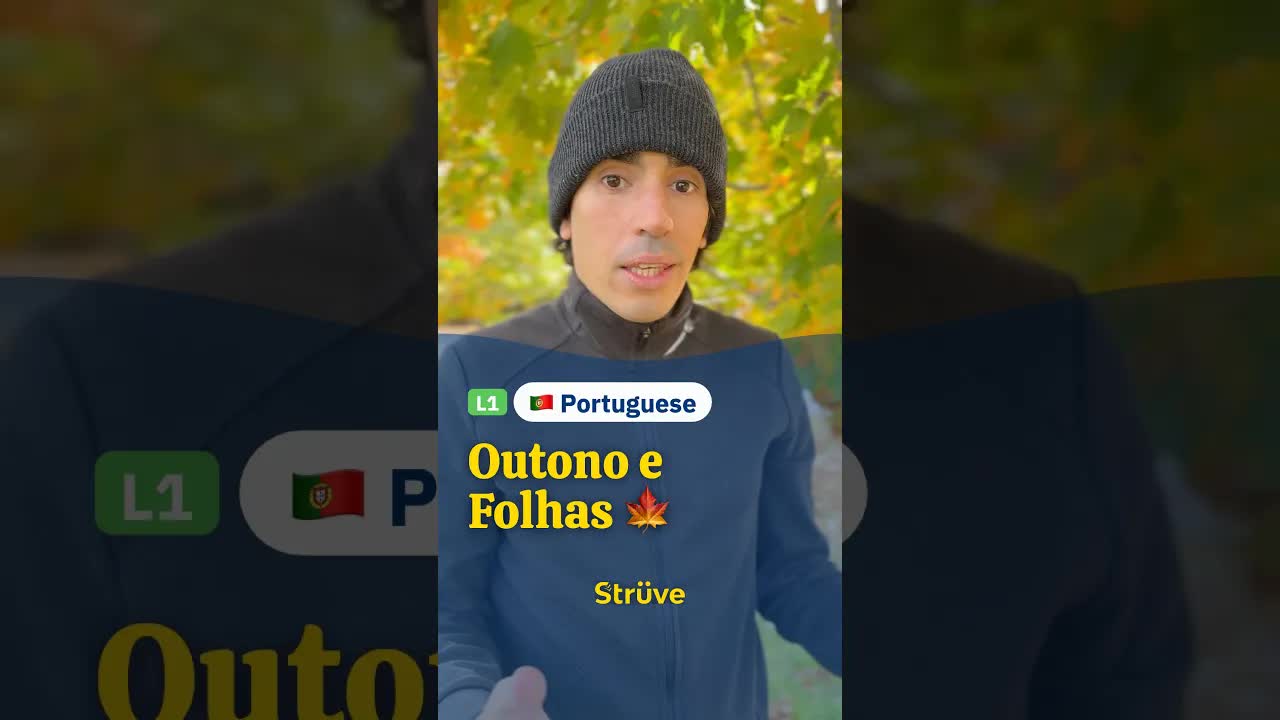










More Portuguese videos are waiting in the feed and the app.
Is Reelang the best app to learn Portuguese?
It depends on where you are. If you’re starting from zero, a structured course app like Duolingo or Babbel is a good first step. Once you know the basics, from about A2, the hard part is understanding real people, and that’s what Reelang is for: real Portuguese videos at your level, with help when you need it. You can use both.
- Real Portuguese from both sides of the Atlantic: no actors and no textbook dialogues, just Brazilians, Portuguese, Angolans and Mozambicans talking the way they do at home.
- Always at your level: every clip is graded by level and speaking speed, and the feed adapts as you watch.
- The accents you’ll meet: Brazilian Portuguese, European Portuguese, Northeastern Brazilian Portuguese, and African Portuguese.
- Built for listening: most Portuguese apps teach words and grammar drills. Reelang trains your ear on real conversations.
Portuguese videos by level
Find Portuguese videos at your level, then stretch upward as faster delivery, vowel reduction, and casual vocabulary stop tripping your ear.
Portuguese accents and regional varieties
Hear Portuguese across Brazil and Portugal. Brazilian Portuguese and European Portuguese are different enough that most learners pick one as their primary path. Choose the one that matters for you.
Where Brazilian and European Portuguese part ways
The grammar is shared, but a few patterns tell you within one sentence where someone is from. Brazilians say me dá with the pronoun first; in Portugal it’s dá-me. Portugal says está a funcionar where Brazil says está funcionando. For “there is”, Brazilians just use tem, where Portugal and the textbooks use há. Brazilians also say a gente for “we” far more often than nós.
Everyday words split too. Coffee comes in a chávena in Lisbon and a xícara in Rio, ice cream is gelado in Portugal and sorvete in Brazil, and a bica is an espresso in Lisbon but a hard kick in Brazilian slang.
Inside Brazil, the Northeast has its own sound and its own words: oxe for surprise, painho for dad, quero não for a soft no. Speakers from Angola and Mozambique mostly follow Portugal’s grammar, with a sound of their own and words like bué (“loads”).
Grew up hearing Portuguese?
If you understand Portuguese from home but want more range, Reelang gives you real conversations from native speakers, at a level that stretches you.
How it works
Questions about learning Portuguese with Reelang
What is the best app to learn Portuguese with real videos?
Reelang is built for it: a free feed of real Portuguese videos from native speakers, graded by level, speaking speed and accent, that adapts as you watch.
How does Reelang figure out my level?
It starts you on easier clips and adjusts from what you follow, skip and look up. There’s no placement quiz.
What is the Reelang Portuguese video feed?
A TikTok-style feed of real Portuguese videos from native speakers, graded by level and speaking speed and tagged by accent. It learns from how you watch and keeps serving clips at your level.
What is comprehensible input?
Comprehensible input is Portuguese you can mostly understand, with a little that’s new. Linguist Stephen Krashen argued it’s how we acquire languages, and it’s the idea Reelang is built on.
Reelang takes it a step further with word frequency. It ranks every word in every video by how often it’s used in everyday Portuguese, and keeps track of which words you already know. So instead of videos that are only roughly your level, your feed picks the ones made of words you know, plus the most frequent words you haven’t learned yet. Comprehensible input, made for you.
Does Reelang explain the words in each video?
Tap any word for its meaning. With Reelang+, Learner Insights also explain the culture, idioms and slang behind a clip.
A few Portuguese words and phrases our explanations cover, from recent videos:
- berimbau: the one-string musical bow that leads a capoeira roda
- guarda impassável: "unpassable guard," a guard the opponent cannot get past
- castanho: "brown" in Portugal; literally "chestnut-coloured"
- colar na prova: "to cheat on a test"; literally "to glue on the test"
- senão: "otherwise," "or else" — written as one word, unlike se não, "if not"
Why short videos from native speakers?
Short clips let you hear many more speakers, accents and situations in the same time, so your ear gets used to Portuguese as people actually speak it.
How does Reelang know if a video is too fast or too hard?
Every clip is analysed for how it’s spoken, not just which words it uses: speaking speed in words per minute, how often the speaker pauses, how many words come out between pauses, and how much of the clip is speech. With its vocabulary level, that lets the feed match both what you know and how fast you can follow.
What if I don’t know a word?
Tap it to see what it means, in your own language. With Reelang+, the words you look up come back in new clips.
Which Portuguese words should I focus on first?
The most common ones. Smart Subtitles show how common each word is, so you can tell which words are worth learning now.
Which levels does it cover?
Beginner (A1) to Advanced (C1). It works best from about A2 upward.
Do I need an account? Is it free?
The Portuguese feed is free and you can start without signing up. Reelang+ adds a personalized feed and words that come back in new clips.
Should I learn Brazilian or European Portuguese?
Pick the one you’ll use. Brazil has far more speakers and far more online video, so it’s the usual choice if nothing pulls you elsewhere. If you live in Portugal or have family there, start with European Portuguese: its swallowed vowels are the hardest part to hear and need the most practice. Most Portuguese clips on Reelang are Brazilian, with thousands from Portugal too. Once one variety feels easy, the other comes much faster.
Can Spanish speakers understand Portuguese?
Reading, mostly yes. Listening is harder: Portuguese has nasal vowels, weakens unstressed ones, and many words that look the same as in Spanish sound nothing alike, especially in European Portuguese. A Spanish speaker can often follow slow Brazilian clips early on, and needs more time for fast speech and for Portugal. Clips at your level are how the gap between reading and hearing closes.
How is Reelang different from a typical language app?
Most apps teach with drills and scripted audio. Reelang trains listening on real Portuguese the way people actually speak it.
How much should I watch?
Little and often works best. A daily session you enjoy beats a long one you skip.
About this hub
About comprehensible input in Portuguese
What is comprehensible input?
Comprehensible input is language you can mostly follow, with a small amount that is still new. The idea is often associated with Stephen Krashen: people acquire language by understanding meaningful messages, not only by memorizing rules in isolation. Portuguese is a useful case for it because Brazilian and European Portuguese sound and feel different enough that most learners commit to one as their main path early on, and exposure to that variety is what makes the commitment real.
Why real reels, not textbook dialogues
Brazilian Portuguese is melodic, with full open vowels and a relaxed rhythm. European Portuguese famously compresses unstressed vowels: short e and o almost disappear, which gives it a consonant-heavy sound some learners describe as “Slavic” on first contact. The grammar diverges too. Brazilians say estou falando; the Portuguese say estou a falar. Você is the default in Brazil, tu in Portugal. Vocabulary splits across the everyday: ônibus / autocarro, celular / telemóvel, banheiro / casa de banho. Reelang uses unscripted short-form video from native speakers so those differences arrive in the middle of a real conversation, not as a list.
How to use this catalog
Start with your level. From there, browse by topic or accent depending on what you want to work on. If you have not picked a variety yet, the accent pages are the place to start. Read the short overviews of Brazilian and European Portuguese and choose the one your ear and goals point you toward. Then stay in that variety for a while; the ear learns one shape faster than two at the same time.
Want a full roadmap? Read our guide to comprehensible input.