Ćwiczenia ze słuchania undefined · A2 · Solidne podstawy
What does “பசிக்குது” (pasikkuthu) mean in Tamil?
பசிக்குது ஆனால் நன்றியெல்லாம் ஒன்னும் வேணாம்
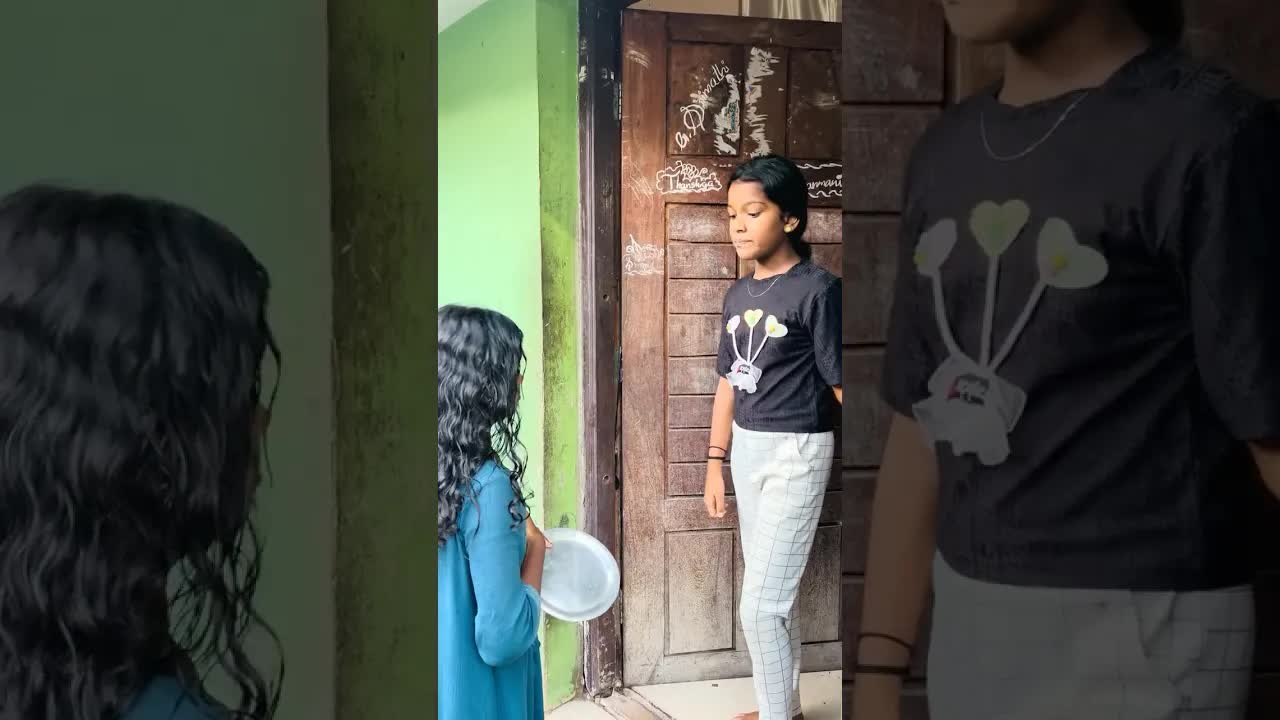


Od Twin Baby na YouTube. Obejrzyj oryginał
Tamil does not say 'I am hungry': it says hunger acts on me, எனக்குப் பசிக்குது.
பசிக்குது (pasikkuthu) is how spoken Tamil says “I’m hungry”, and it hides a grammar surprise. There is no “I” as the subject. The noun பசி (hunger) is the one acting, and the person is in the dative: எனக்குப் பசிக்குது, “to me, hunger happens”. Tamil treats many physical feelings this way, so you learn the pattern once and reuse it.
In the clip, a hungry boy begs a woman for food: “ரொம்ப பசியா இருக்குக்கா” (I’m very hungry, sis), and she answers “ரொம்ப பசிக்குதா?” (are you really hungry?). You hear both ways in one scene: பசியா இருக்கு (it is hungry-ish) and the verb பசிக்குது. The written, formal form is பசிக்கிறது; -குது is the everyday spoken ending. Learner sources describe the dative frame as the normal way to express feelings and body states in Tamil, so the same shape shows up with other states, with the person marked by -க்கு instead of acting as the subject.
Jak częste są słowa w tym klipie?
69%
słów należy do 2000 najczęstszych słów undefined
Z naszych badańIle słów trzeba znać, żeby rozumieć filmy native speakerów?
Więcej takich klipów
கிராமத்து மீன் குழம்பு செய்முறை

பஞ்சு மிட்டாய்யா மஜாவா இனிக்கும் ட்ரெண்டிங் பாடல்
ஜூஸில் என்ன கலக்கிறார்? சிரிப்பு நிறைந்த வீடியோ
பாட்டி பாட்டி குளு குளு ஐஸ்கிரீம் சாப்பிடலாமா
பவர்பேங்க் vs அயன்பாக்ஸ் - தந்தை மகன் சண்டை
வண்ணங்கள் அறிவோம் - நிறங்கள் பாடல்
Ucz się z prawdziwych filmów
Tysiące klipów takich jak ten, dopasowanych do twojego poziomu w trakcie oglądania.