How do I prepare for the Goethe-Zertifikat B2 listening exam?
The Goethe B2 listening test uses standard German at a normal to fast speed. You hear short conversations, a radio interview, a group discussion, and a talk on one topic.
The best free way to get ready is to listen to a lot of real German at the B2 level. Below is a free pack of real B2 videos, at a speaking speed close to the test.
Why this level
Why do people take Goethe B2?
People commonly need German at the B2 level for:
University study in Germany (many courses ask for B2 or higher)
Regulated jobs, like many roles in healthcare, which often ask for B2
Skilled-worker roles and having a foreign qualification recognised
Free · 78 videos · 5 hours 23 minutes
Your free Goethe B2 listening pack
Here are 78 short videos by real native speakers at the B2 level, at a speaking speed close to the exam (around 168 words a minute). They are standard German, not a regional dialect. Most of the words are inside the 96% most common spoken German words, so they match the kind of language the test uses. Together they are about 5 hours 23 minutes of listening practice for the Goethe-Zertifikat B2. They are all free to watch below.
Play the whole pack in the app
Warum unser Körper juckt und was dahintersteckt

Ein Koch mit bewegender Geschichte hilft Obdachlosen

Sicherheit und Atmosphäre auf deutschen Weihnachtsmärkten

Bezahlkarte für Asylbewerber und ihre Folgen

Der Bau der Berliner Mauer 1961 erklärt

Die Kuppel des Reichstags: Architektur und Technik erklärt

Elektro-SUV GLC: Bremer Mercedes-Werk vor Verbrenner-Aus?

Der Mythos vom kochenden Frosch und Klimawandel

Zukunft der Flugzeugkabinen: Barrierefreiheit und Nachhaltigkeit

900 Jahre alte Linde in Bremen wird gestützt

Eisbrecher im Hamburger Hafen: Sicherheit und Training

Da Vincis vitruvianischer Mensch: Geometrie und Philosophie erklärt

Wie Willi Schmid seinen weltberühmten Käse herstellt

Was mit deinem Geld bei einer Bankenpleite passiert

Das Wertparadoxon und das Gesetz des Grenznutzens

Privater Windbaum: Wie Mini-Turbinen Strom im Garten erzeugen

Hamburgs Köhlbrandbrücke: Geschichte eines Wahrzeichens

Wie du neue Gewohnheiten erfolgreich aufbaust

Wie Brillen unsere Sehkraft korrigieren

Warum „Las Meninas“ so faszinierend ist

Sanierung des Weltkulturerbes Bergwerk Rammelsberg

Nordderby in Bremen: Fans, Polizei und große Emotionen

Hadsch in Mekka: Millionen Muslime auf Pilgerreise

Triell der OB-Kandidaten in Hannover zur Kommunalwahl

Ein Jahr nach den tödlichen Schüssen auf Lorenz A.

Wie Macht funktioniert und wie du sie nutzen kannst

Wer Konfuzius war und was er lehrte

Sieben Theorien: Warum wir eigentlich träumen

Politische Karnevalswagen, Satire und Solidarität für Jacques Tilly

Bill Kaulitz zeigt sein Frank-Lloyd-Wright-Haus in Hollywood
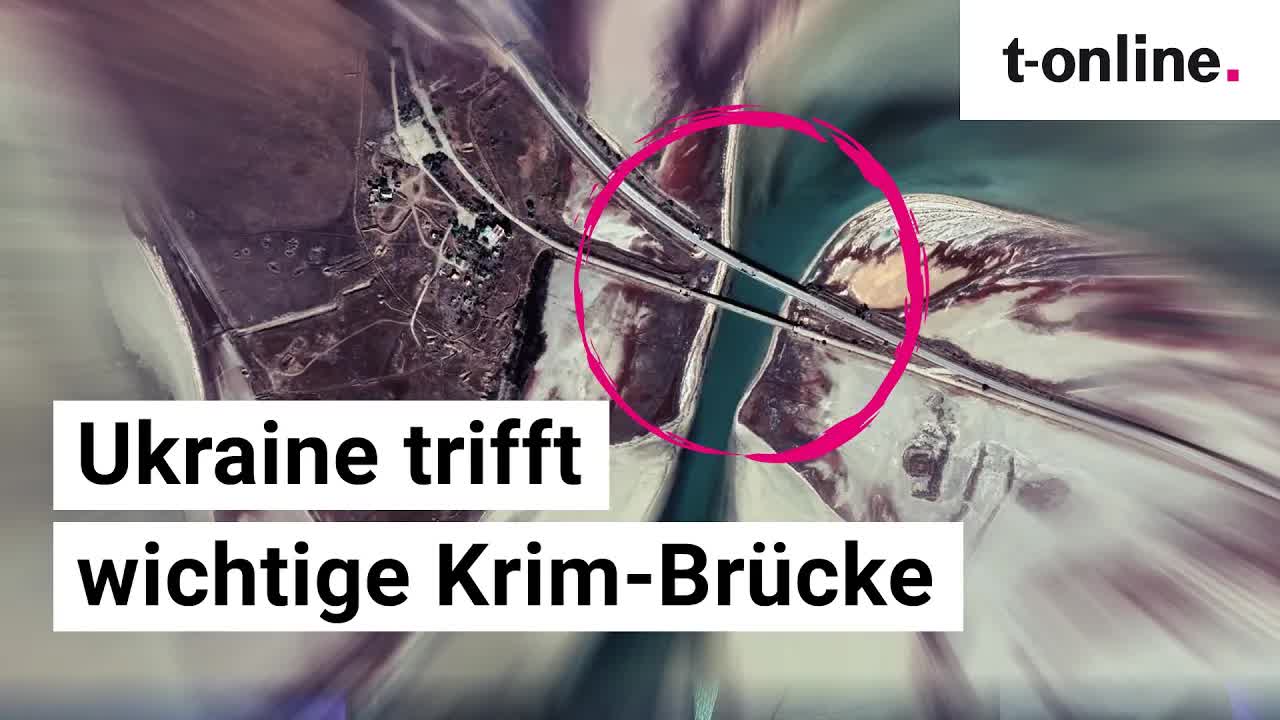
Ukraine greift erneut wichtige russische Versorgungsbrücke an

Morgenschwimmer crasht Modenschau am Strand in Sydney

Hamburg diskutiert Olympia-Bewerbung und neue Pro-Initiative

Alltag und Träume von HSV-Kapitänin Pauline Machtens

Warum ich mir für GZSZ die Haare abrasierte

Der Alltag einer Familie mit 19 Kindern

Das Rentensystem als Bäckerei erklärt

Familie, Ehe und Arbeit auf dem Bio-Bauernhof

Politischer Karneval, Narrenfreiheit und neue Verbote 2024

Die geheimen Geschichten mittelalterlicher Bilderhandschriften

Ein Leben ohne Verpackungsmüll: Der verpackungsfreie Supermarkt

Sind Deutsche wirklich so sparsam beim Geld?

Jubiläumsfahrt auf der Holzachterbahn Colossos im Heide Park

Günther Jauch über Gottschalks Rückzug und Krebserkrankung

Drei Theorien, die das Déjà-vu erklären

Das Königsberger Brückenproblem und die Entstehung der Graphentheorie

Bauer sucht Frau: Basti spricht über seine TV-Erfahrung

Mit den Fingern zählen: von 10 bis über 1000

Was die Unterwasserarchäologie über unsere Geschichte verrät

Gottesdienst im Autoscooter auf der Bremer Osterwiese

Erschöpfte junge Familien zwischen Job, Care-Arbeit und Politik

Warum Kinder in der Natur mehr lernen als im Zoo
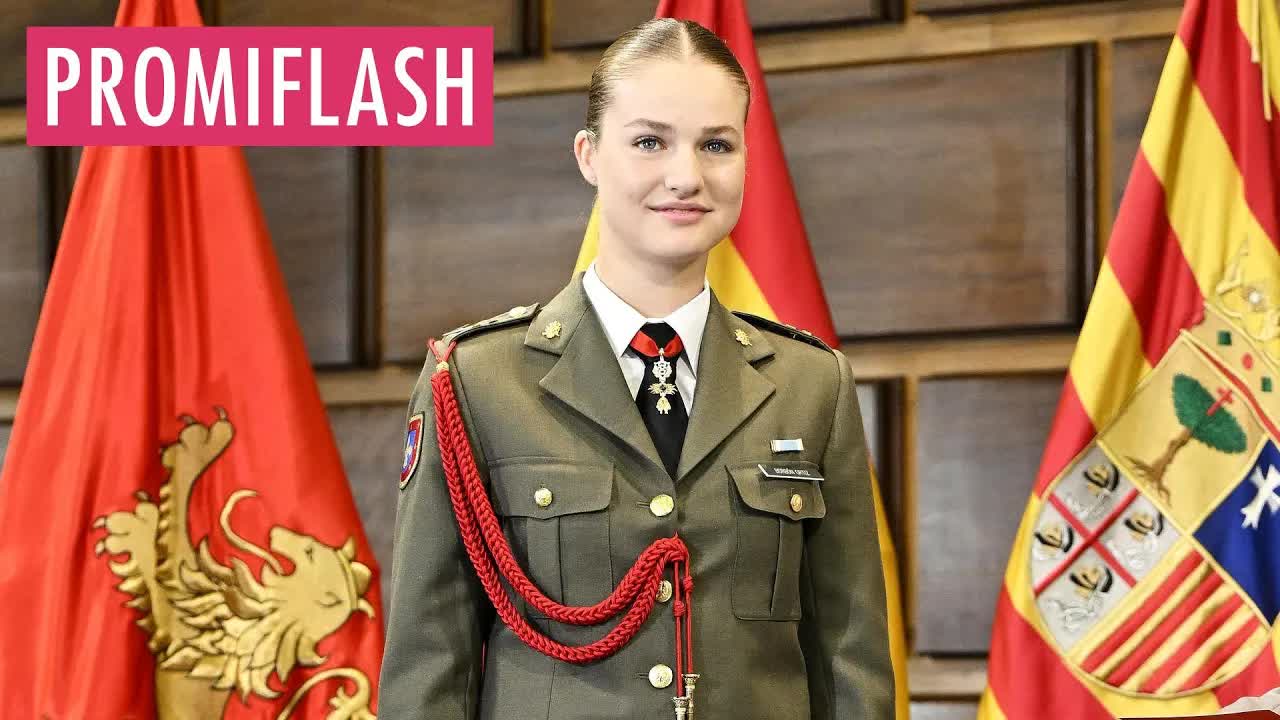
Leonors erster Auftritt beim Tag der Streitkräfte

Interview zum internationalen Frauentag mit Producerin Janine Gondi

Leonardo da Vinci und die Macht der Neugier

Wenn ein Partner keine Kinder will

Marco Rima über Keep Cool und mutige Lebensentscheidungen

Ralf Schmitz erklärt die Regeln von Die Weisheit der Vielen

Neuer Schufa-Score: So checkst du deine Kreditwürdigkeit

Wie du realistisch zur ersten Million sparst

Beatrice Egli über Bodyshaming, Kritik und Selbstakzeptanz

Weihnachtsmärkte, Sicherheit und die traurigen Folgen

Warum deine Altersvorsorge vor allem für Gesundheit ist

Karin Thaler spricht offen über schwere Kindheit

Schlagershows im deutschen TV: Hat Andi Borg Zukunft?

Der Struwwelpeter: Geschichten, Moral und deutsche Kultur
Schönheitsideale, männliche Privilegien und der Druck auf Frauen

Jeremy Fragrance verlässt überraschend promi big brother

Max Müller über Hilfe in finanzieller Not

Max Müller dreht weniger bei den Rosenheim-Cops

Stefan Mross reagiert auf das Aus von Immer wieder sonntags

Zuckersteuer, Prävention und unsere Krankenversicherung erklärt

Ausbildung in Deutschland und warum Sprache so wichtig ist

Arbeiten in Deutschland: Bewerbung, Arbeitskultur und Integration erklärt

Meghans Solo-Auftritte: Neue Strategie ohne Harry?

Wie du mit Strategie und KI Sprachen besser lernst

Wie KI dein Deutschlernen verändert

Deutsch fließend sprechen: Tipps zu Grammatik, Angst und Hörverstehen
The test
What does the B2 listening test look like?
The listening part (Hören) has four parts and takes around 40 minutes. You can take the Hören module on its own. Here is what you hear in each part:
Part 1
Several short conversations and spoken messages from everyday life. You answer questions on each one.
Once
Part 2
A longer radio interview with one person, for example an expert on a topic.
Twice
Part 3
A discussion where several people talk and give their opinions. You match what each person says.
Once
Part 4
A talk or short lecture by one person on a single topic (a Vortrag).
Twice
The German is standard German (Hochdeutsch), not a regional dialect.
B2 is faster than B1 and the topics are more abstract, like work, study, society and the news. People give opinions and reasons, so you hear more argument language.
Level and words
What level and how many words do I need?
Listening needs far fewer words than reading. Research shows that about 3,000 common words cover roughly 95% of normal speech, and the first 1,000 words cover most of what people say.
At B2 the topics get wider, so you meet more words about work, study and society. But you still do not need a huge vocabulary. You need the common words, the extra topic words, and a lot of listening practice at your level. Video helps, because the pictures help you guess.
Watch videos with visual cues, on YouTube or here on Reelang.
Based on research
Nation (2006) About 3,000 common word families cover roughly 95% of everyday spoken English; reading needs far more.
Webb (2021) The most frequent 1,000 words alone cover most of what people say in speech.
Durbahn et al. (2024) Video is easier to understand at a given vocabulary size, because the pictures help you guess.
Ways to practice
Common ways people practice
There is no single right way. People use a mix of these, and the free pack above works as a companion to any of them.
A class or a teacher
German news and talk radio, like tagesschau or Deutschlandfunk
Podcasts and talks where people explain ideas and give opinions
Watching real German videos at your level
Start watching now, no email needed
Explore every B2 German video in the catalog
Good to know
Frequently asked questions
How was this Goethe B2 pack chosen?
We did the searching for you. We check thousands of German videos and measure each one: its level, how fast it is spoken in words a minute, and how many of its words are common. For this pack we kept videos at the B2 level in standard German, at a speed close to the test (around 168 words a minute), where about 96% of the words are among the most common in spoken German. Then we read the transcripts by hand to keep the everyday topics the test uses, and we put the clearest, most visual videos first. About 3,000 common words already cover roughly 95% of normal speech (Nation 2006), so this kind of content matches the test well.
What kind of videos should I practice with for Goethe B2 listening?
Use real German that is spoken at a normal everyday speed, in standard German rather than a strong regional dialect. Pick everyday topics that the test tends to use, like media and culture, opinions and discussion, study and education, environment and science, health and work. You do not need rare words. About 3,000 common words cover most of normal speech (Nation 2006), so content built from the most common spoken words matches the test well. A good mix is short announcements, an everyday conversation, and a discussion where people give opinions, because the test uses all of these. That is exactly how the free pack of 78 videos above was put together.
Is B2 needed for German citizenship?
For German citizenship the level most commonly asked for is B1, not B2. Some people have talked about raising it to B2, but for now that is a discussion, not a rule. B2 is asked for other things, like university study and many jobs in regulated fields such as healthcare. If your goal is citizenship, check the current rule with the official German authorities, because language laws can change.
Do I need to take B1 first?
No. Each Goethe level is its own exam, and you can take B2 without taking B1 first. If B2 still feels fast, our Goethe B1 page has an easier pack you can warm up with.
Does the audio play once or twice?
It depends on the part. In the Goethe B2 listening test, the radio interview in Part 2 and the talk in Part 4 play twice. The short conversations in Part 1 and the discussion in Part 3 play once.
Can I prepare for free?
Yes. The most exam-like free practice is the official Goethe B2 model test (Modellsatz), where you can try the real listening tasks. After that, the best free thing you can do is listen to a lot of real German at your level. Start with the videos above, or watch more on YouTube or here on Reelang.
How is B2 different from B1 listening?
B2 is faster and the topics are more abstract. B1 is mostly about everyday life. B2 adds work, study, society and the news, and people give opinions and reasons. So you hear longer turns and more argument language than at B1.