How do I prepare for the Goethe-Zertifikat B1 listening exam?
The Goethe B1 listening test uses everyday German at a normal speed. You hear short announcements, a talk, a conversation and a radio discussion.
The best free way to get ready is to listen to a lot of real German at the B1 level. There is a free pack of 100 B1 videos below, at a speaking speed close to the test.
Why this level
Why do people take Goethe B1?
People commonly need German at the B1 level for:
Permanent residency (Niederlassungserlaubnis)
German citizenship (Einbürgerung)
Many apprenticeships (Ausbildung) and jobs
Free · 98 videos · 5 hours 6 minutes
Your free Goethe B1 listening pack
Here are 98 short videos by real native speakers at the B1 level, at a speaking speed close to the exam (around 167 words a minute). They are standard German, not a regional dialect. Most of the words are inside the 95% most common spoken German words, so they match the kind of language the test uses. Together they are about 5 hours 6 minutes of listening practice for the Goethe-Zertifikat B1. They are all free to watch below.
Play the whole pack in the app
Tulpen zum Selbstpflücken rund um Wolfsburg

Immersive Kleopatra-Ausstellung in Hamburg

Dreibeinige Schulhündin Mascha motiviert Berufsschüler
Das Brandenburger Tor: Geschichte, Architektur und Bedeutung

Die schönsten Märkte in Rom entdecken

Schwarzwälder Kirschtorte Schritt für Schritt backen

Hasenretterin päppelt verletzte Feldhasen zurück in die Freiheit

Sonniger Frühlingsanfang in Kiel und Schleswig-Holstein

Feuerwehrsport: Weltmeisterin aus Hannover im harten Wettkampf
Potsdamer Platz: Vom Todesstreifen zum Symbol Berlins

Menschenansturm auf Swatch-Uhren in der Stuttgarter Innenstadt

Leben eines 13-jährigen auf dem Schweizer Bauernhof

Wandern am Rhein: Ein deutscher Vlog

Menschen in Berlin erzählen von ihrem Beruf

Tierbabys im Wildpark Lüneburger Heide im Frühling

Ein Arbeitstag als HR Businesspartner bei Cholios

Wie unsere Schwarzwälder Kirschtorte zubereitet wird
 Top creator
Neujahrsvorsätze, Schnee und ein entspannter Wintervlog
Die Siegessäule in Berlin: Geschichte, Aufbau und Aussicht

Wann Berlin sich nicht wie Zuhause anfühlt
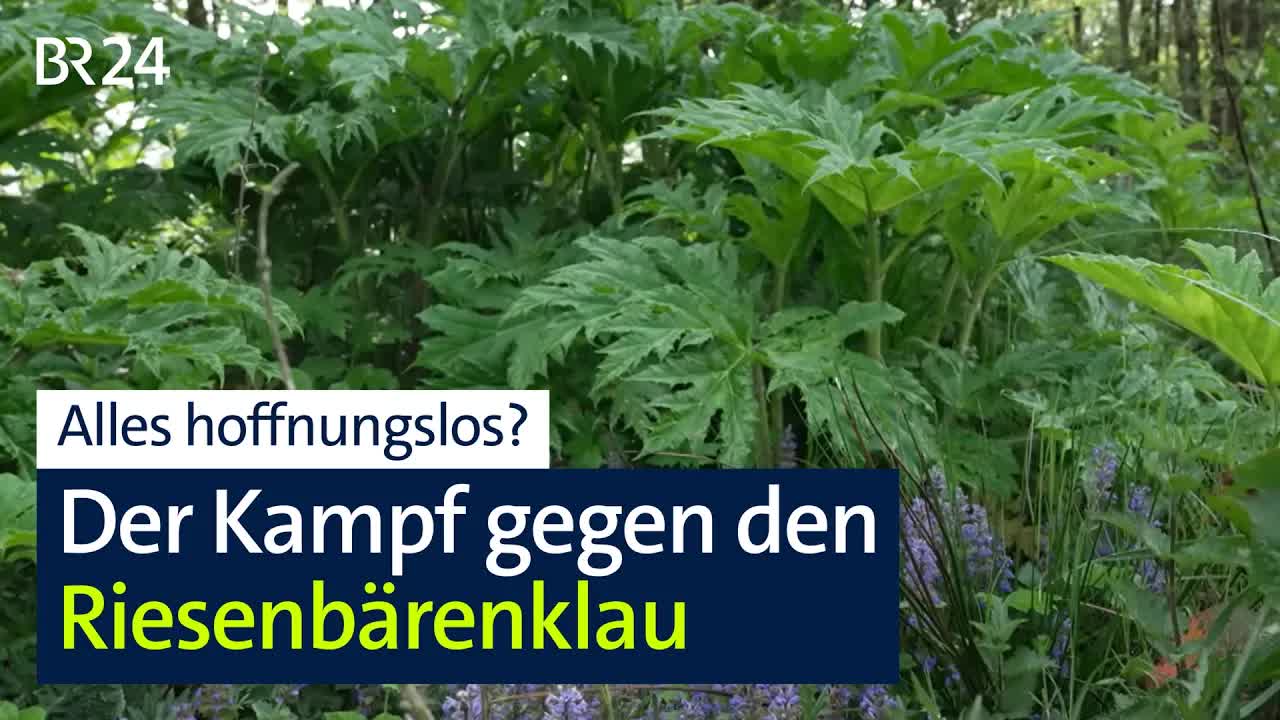
Kampf gegen den gefährlichen Riesenbärenklau im Wald

Sieben traumstrände auf Mallorca im schnellen Überblick

Gespräch im Jobcenter über Selbstständigkeit als Youtuber

Der mental schwerste Handstandsprung aus 20 Metern

Strenge Kritik an missglückten Schiffchen beim Promibacken

Wie ich mit einer Hand Auto schalte

Wohnzimmer mit Küchenmöbeln einrichten und gemütlich beleuchten

Letzte Kakao-Verkostung vor der Finaltorte im Backzelt

Rebhühner als natürliche Schädlingsbekämpfung im Garten

Wohnungstour in München: Meine gemütliche Maisonette

Erster Tag in Mailand: Mini-Vlog mit ehrlicher Meinung

Wie die Venusfliegenfalle ihre Beute fängt

Ein Rundgang über den Aachener Weihnachtsmarkt

Schweizer Stammtisch in Tel Aviv: Abendvlog am Strand

Romantisches Dinner und überraschender Einzugsantrag

Wohnungsrundgang einer Minimalistin und ihre Gedanken dazu

Meine erste eigene Wohnung und neue DIY-Projekte

Einfache Spartipps für den Alltag in Deutschland

Mit dem schwimmenden Bus Hamburg vom Wasser erleben

Rotkehlchen nisten im Rucksack im Wohnungsflur

Missglückter Kuchen: Wenn die Konfitüre einfach wegläuft
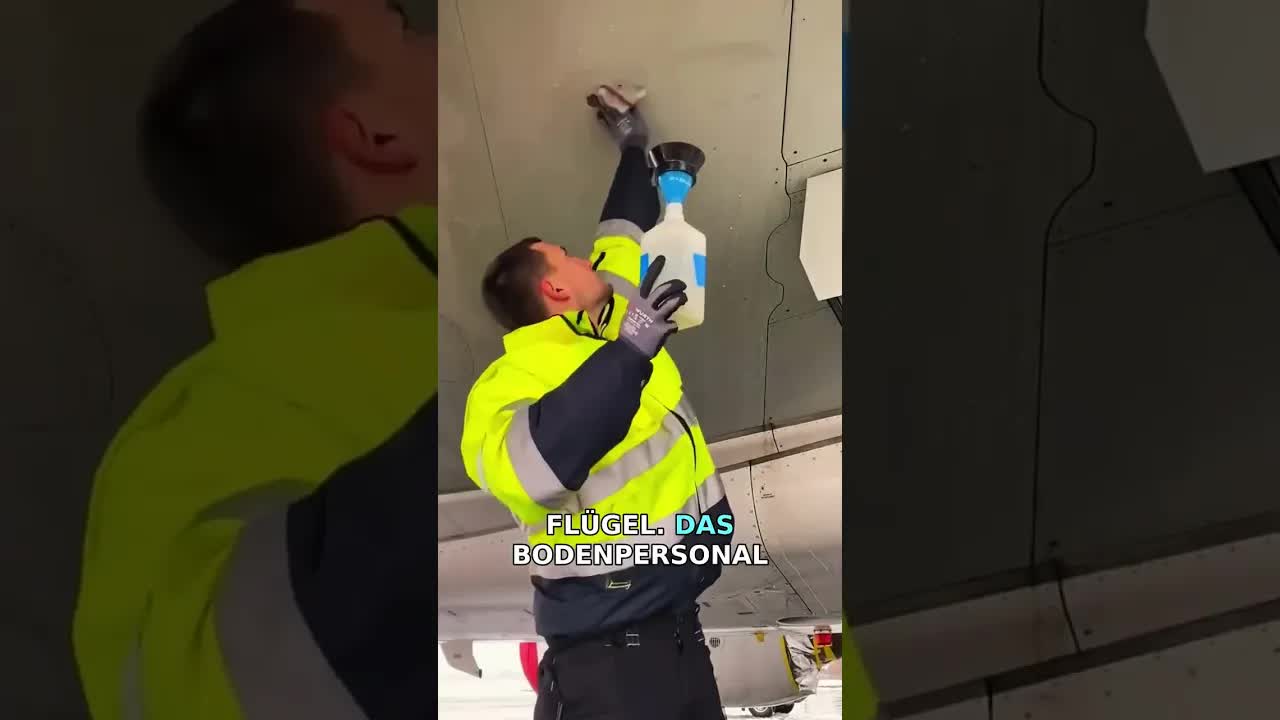
Warum Flugzeuge scheinbar Flüssigkeit verlieren

Klischees über deutsches Essen und moderne Essgewohnheiten

Patriks geheime grüne Zutat sorgt für Diskussion
 Top creator
Ein entspannter Tag mit Deutschlernen und Bücherschrank

Albträume, Ängste und schlechte Träume im Alltag

Sind Deutsche gut darin, Nein zu sagen?

Was man sich mit Geld nicht kaufen kann

Entscheidung im Backzelt: Wer bekommt die rote Schürze?

FC Bayern genießt den Wiesn-Besuch nach Kantersieg

Ein unvergesslicher Korbwurf im Jugendbasketballspiel

Wer holt die goldenen Cupcakes im Osterspezial?

Was kostet Sprudel wirklich? Selber sprudeln vs. kaufen

Hausflur renovieren und Eingangsbereich organisieren
Spiegelfolie am Fenster: So geht es schief

Unterwegs auf dem Flohmarkt und wieder pleite

Wie wir uns im Laufe des Lebens verändern
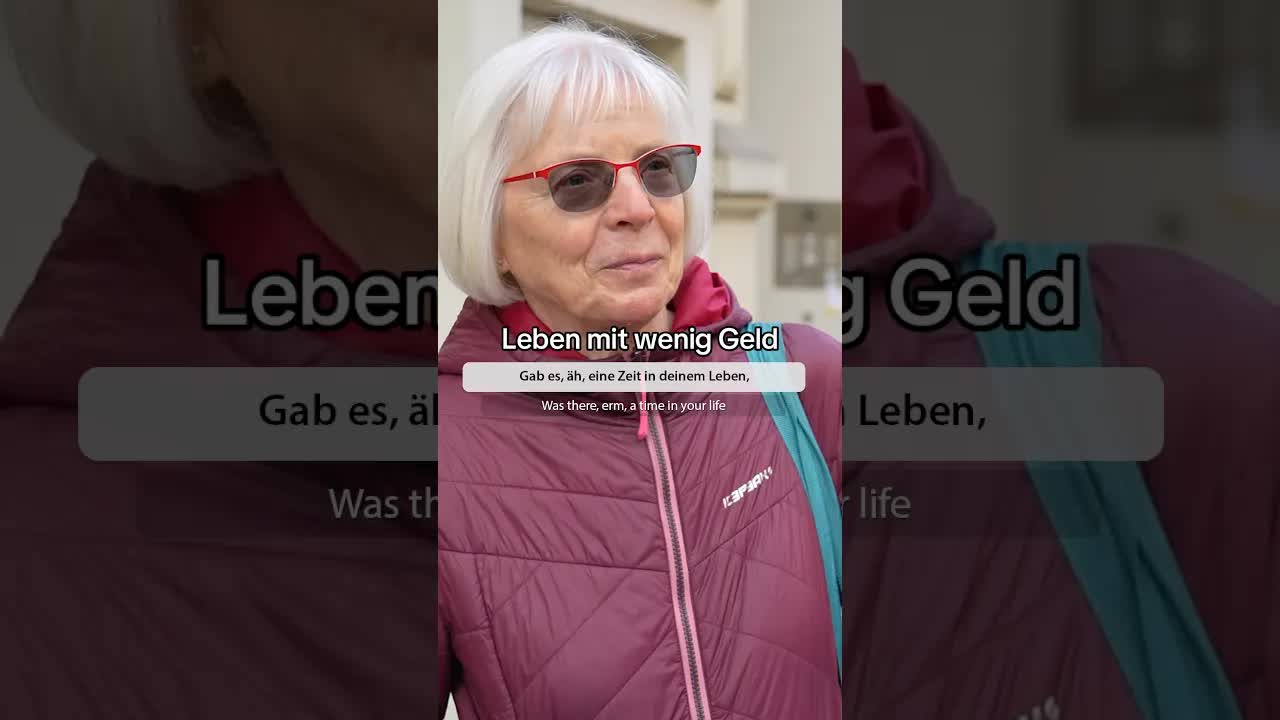
Über Geldsorgen und Unterstützung in schwierigen Zeiten

Mit dem Deutschlandticket in 28 Stunden durch Deutschland

Peinliches erstes Treffen mit dem neuen Chef

Oberschüler trainieren für den Stadtwerke-Schülermarathon
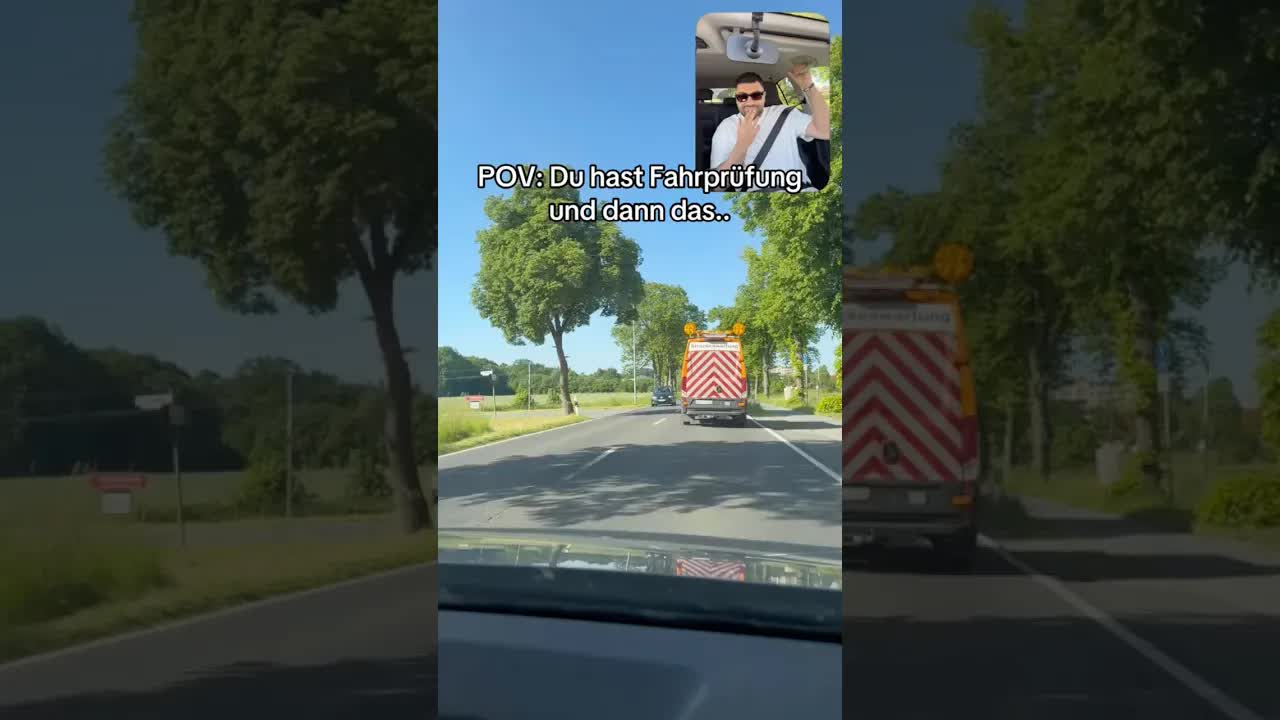
Glück im Pech bei der Fahrprüfung
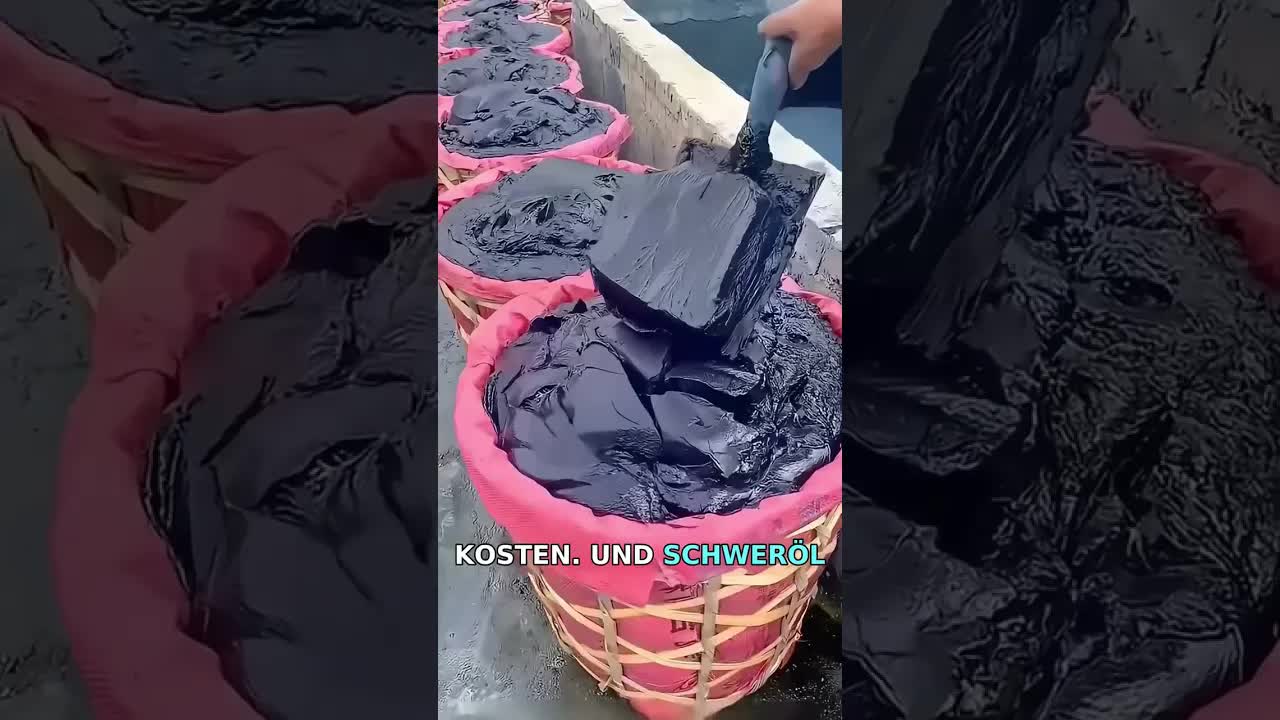
Warum Frachtschiffe mit Schweröl über die Meere fahren
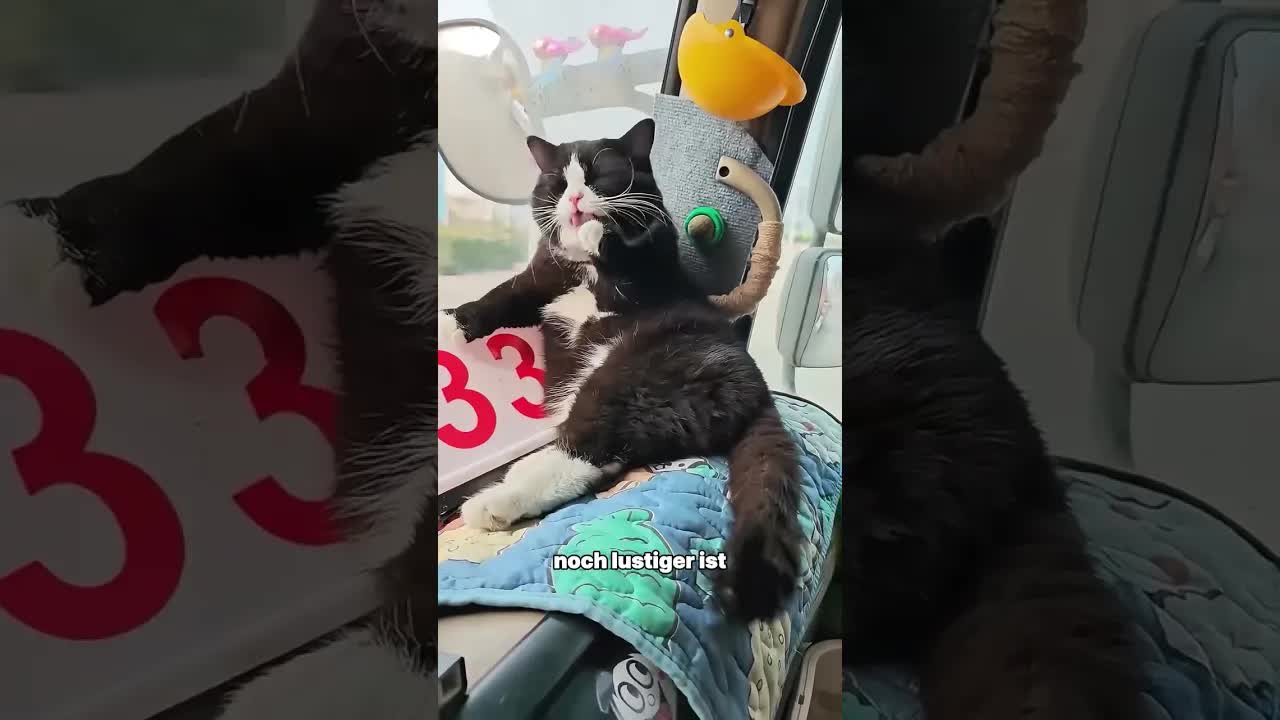
LKW-Fahrer nimmt seine Katze mit auf Tour

Brille oder nicht? Thomas über Attraktivität und Verknalltsein

Einsamkeit trotz Tierliebe: Simone erzählt ihre Gefühle

Vom Biostudium zur Eisbad-Meditation und neuem Lebensweg

Leben als Ordensschwester: Entscheidung für ein anderes Glück

Moskau versus Berlin: ein Vergleich der beiden Hauptstädte
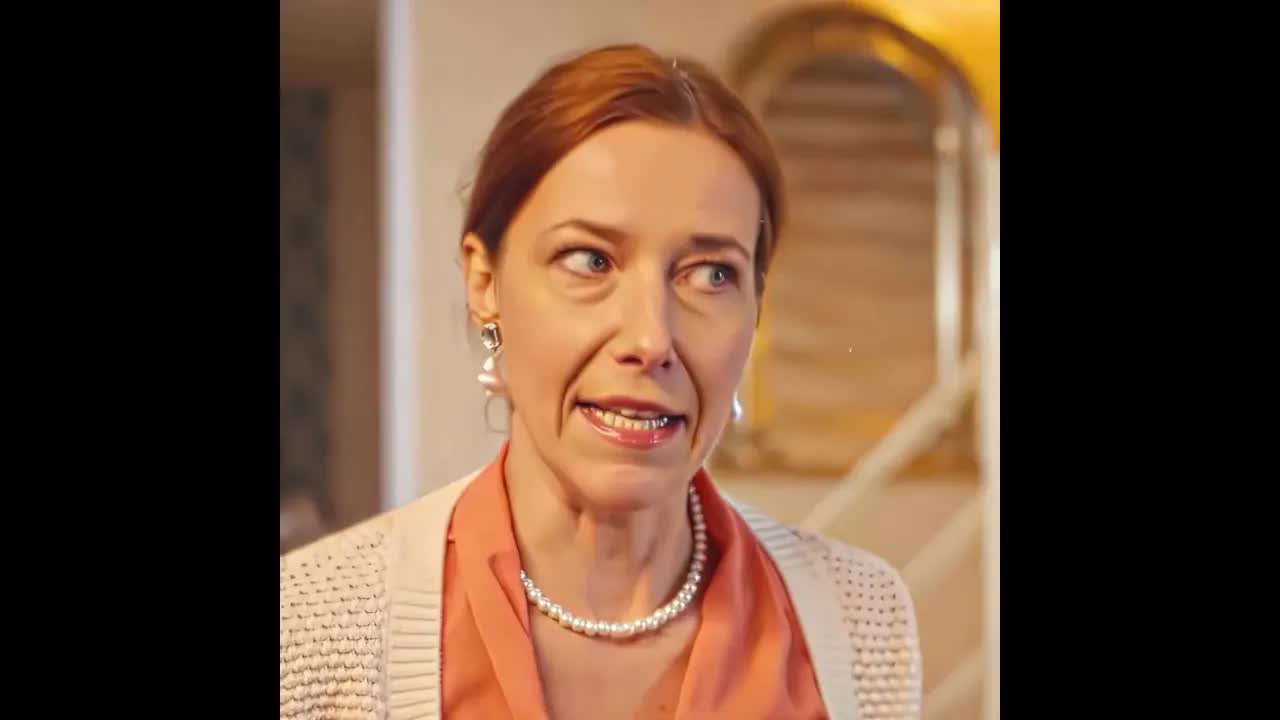
Neue Nachbarn, ein verschwundenes Besteck und offene Diskriminierung

Glücksgriff auf dem Flohmarkt: Sammelkarten günstig gefunden

Warum Waschbecken und Duschen so nervig sind
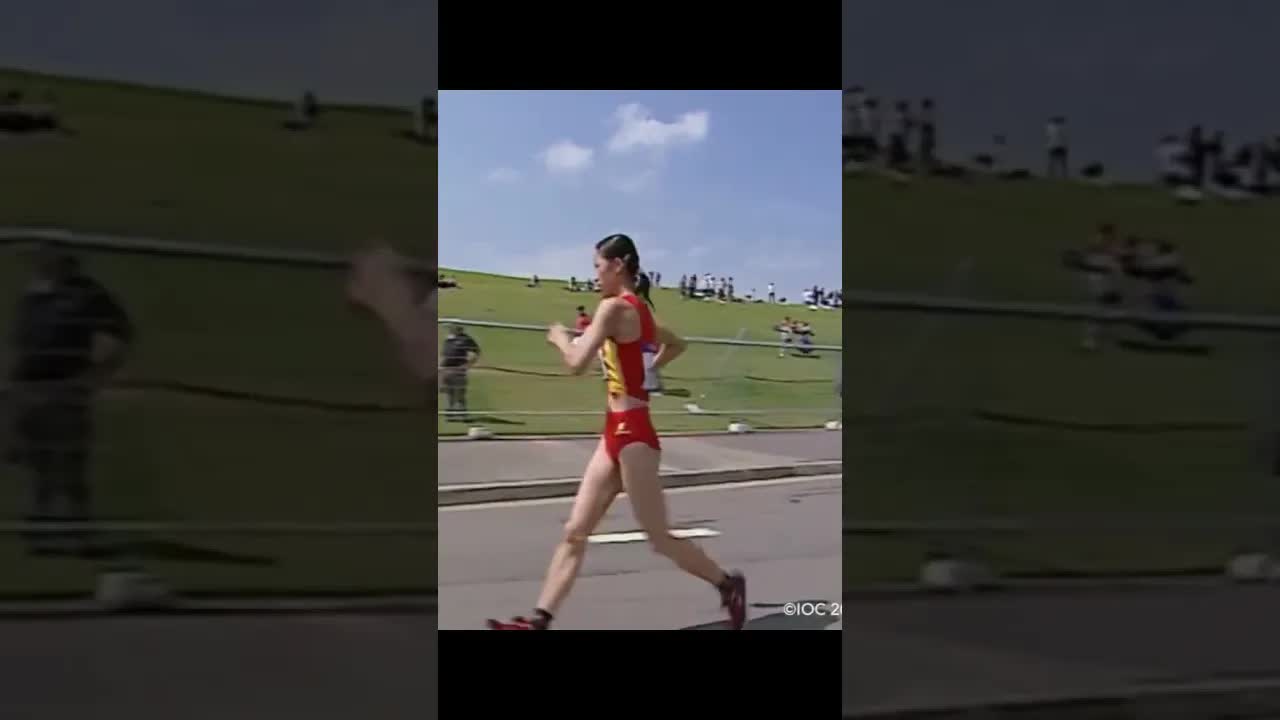
Wang Lipings einsamer Olympiasieg in Sydney 2000

Wolfgang Bahro über seine emotionalste GZSZ-Szene

Warum viele Deutschkurse dir im echten Leben nicht helfen

Björn Ulvaeus trauert um Ex-Frau Lena

Wie aus einer Panne die Hymne Live Is Life wurde
 Top creator
Ein entspannter Sonntag, Sprachen und Lesen auf Deutsch

Die 3 größten Fehler beim Deutschlernen einfach erklärt

Über Geld, Genuss und warum Horten nichts bringt

Unsere Traumreiseziele und Safari-Wünsche

Nina Chuba über das Schweizer Konzertpublikum

Woran du erkennst, dass du zu viel sparst
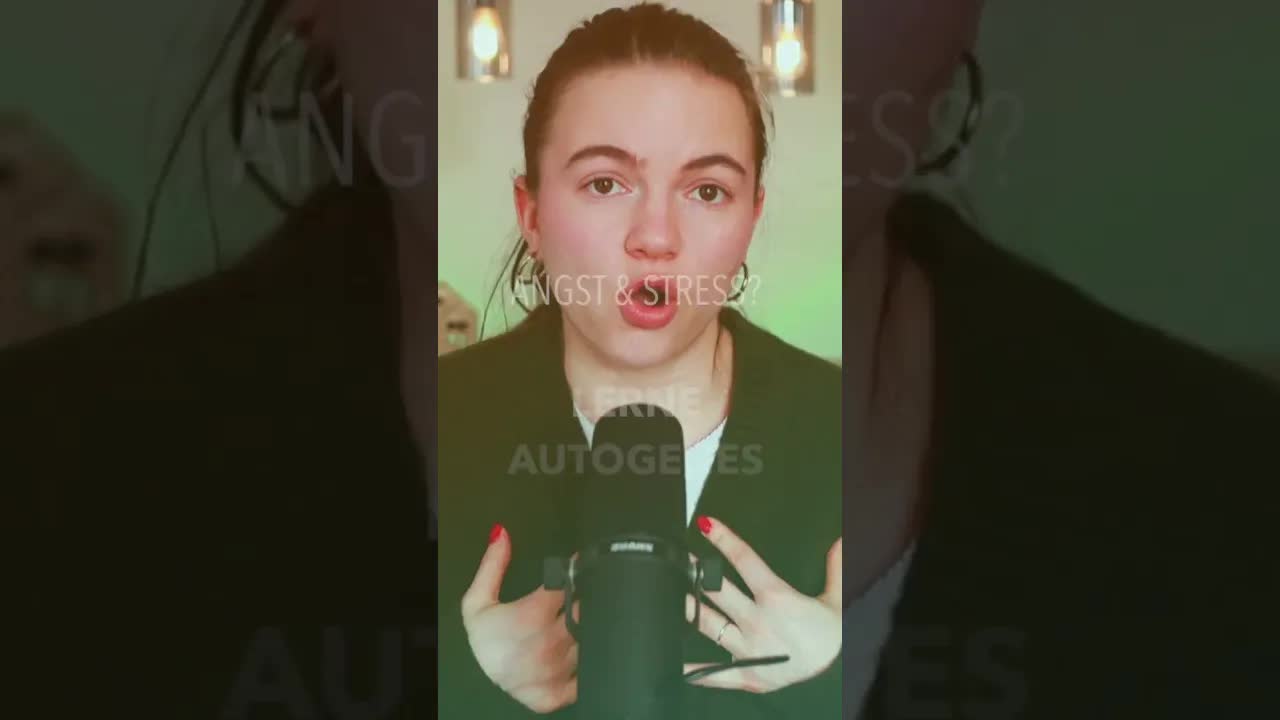
Geführtes autogenes Training gegen Angst und Stress

Drama nach Stromausfall bei Unter uns

Leben zwischen USA und Deutschland: Kultur, Politik, Studium

Helene Fischer über Mamasein, Schlafentzug und Jubiläumstour

Letzter Tag in Berlin, Uni-Alltag und Abschied

Wie du 20 Prozent deines Einkommens sparen kannst

Gespräch mit meiner Mutter über Liebe und Menschenrechte

Vom Flüchtling zur Unternehmerin: Mariams Weg in Deutschland

Abschied von Freunden und Rückreise nach Brasilien

Top oder Flop: Aufgaben beim Easy-German-Podcast

Flüssig Deutsch sprechen: Tipps gegen Pausen und Angst

Disziplin im Alltag und beim Deutschlernen leicht gemacht

Ich verstehe Deutsch, aber Sprechen fällt mir schwer

Vom syrischen Flüchtling zur Assistenzprofessorin in Hamburg

Renates laute Party und die unerwartete Rückkehr der Mutter
The test
What does the B1 listening test look like?
The listening part (Hören) has four short parts and takes around 40 minutes. Here is what you hear in each part:
Part 1
Five short clips, like phone messages, public announcements and short news. You answer two questions on each.
Twice
Part 2
One longer talk by a single person, for example a guided tour.
Once
Part 3
An everyday conversation between two people.
Once
Part 4
A radio discussion where a host and guests share their opinions.
Twice
The German is standard German (Hochdeutsch), not a regional dialect.
It is spoken at a normal everyday speed. Many learners are surprised by the speed after slow textbook audio.
Level and words
What level and how many words do I need?
Listening needs far fewer words than reading. Research shows that about 3,000 common words cover roughly 95% of normal speech, and the first 1,000 words cover most of what people say.
Video is the easiest way to understand, because the pictures help you guess the meaning. So you do not need a very large vocabulary. You need the common words and a lot of listening practice at your level.
Watch videos with visual cues, on YouTube or here on Reelang.
Based on research
Nation (2006) About 3,000 common word families cover roughly 95% of everyday spoken English; reading needs far more.
Webb (2021) The most frequent 1,000 words alone cover most of what people say in speech.
Durbahn et al. (2024) Video is easier to understand at a given vocabulary size, because the pictures help you guess.
Ways to practice
Common ways people practice
There is no single right way. People use a mix of these, and the free pack above works as a companion to any of them.
A class or a teacher
Slow and easy German podcasts, like Slow German or the Easy German podcast
German radio and news
Watching real German videos at your level
Start watching now, no email needed
Explore every B1 German video in the catalog
Good to know
Frequently asked questions
How was this Goethe B1 pack chosen?
We did the searching for you. We check thousands of German videos and measure each one: its level, how fast it is spoken in words a minute, and how many of its words are common. For this pack we kept videos at the B1 level in standard German, at a speed close to the test (around 167 words a minute), where about 95% of the words are among the most common in spoken German. Then we read the transcripts by hand to keep the everyday topics the test uses, and we put the clearest, most visual videos first. About 3,000 common words already cover roughly 95% of normal speech (Nation 2006), so this kind of content matches the test well.
What kind of videos should I practice with for Goethe B1 listening?
Use real German that is spoken at a normal everyday speed, in standard German rather than a strong regional dialect. Pick everyday topics that the test tends to use, like travel and transport, leisure and social life, study and education, food, daily life and environment. You do not need rare words. About 3,000 common words cover most of normal speech (Nation 2006), so content built from the most common spoken words matches the test well. A good mix is short announcements, an everyday conversation, and a discussion where people give opinions, because the test uses all of these. That is exactly how the free pack of 98 videos above was put together.
Is B1 enough for German citizenship?
B1 is the German level most commonly asked for German citizenship and for permanent residency. It is also common for many apprenticeships and jobs.
How long does it take to reach B1 listening?
It depends on how much you listen and how close your first language is to German. There is no single number. The most useful thing you can do is listen to real German at your level often, a little every day.
Does the audio play once or twice?
It depends on the part. In the Goethe B1 listening test, the short clips in Part 1 and the radio discussion in Part 4 play twice. The talk in Part 2 and the conversation in Part 3 play once.
Can I prepare for free?
Yes. The most exam-like free practice is the official Goethe B1 model test (Modellsatz), where you can try the real listening tasks. After that, the best free thing you can do is listen to a lot of real German at your level. Start with the 100 videos above, or watch more on YouTube or here on Reelang.
How is video different from textbook audio?
Textbook audio is often slow and very clear, with actors who speak carefully. Real video uses normal speed and real voices, which is closer to the test. The pictures also help you guess words you do not know yet.