中文聽力練習 · B1 · 日常對話沒問題
What does “派上用场 (pài shàng yòngchǎng)” mean in Chinese?
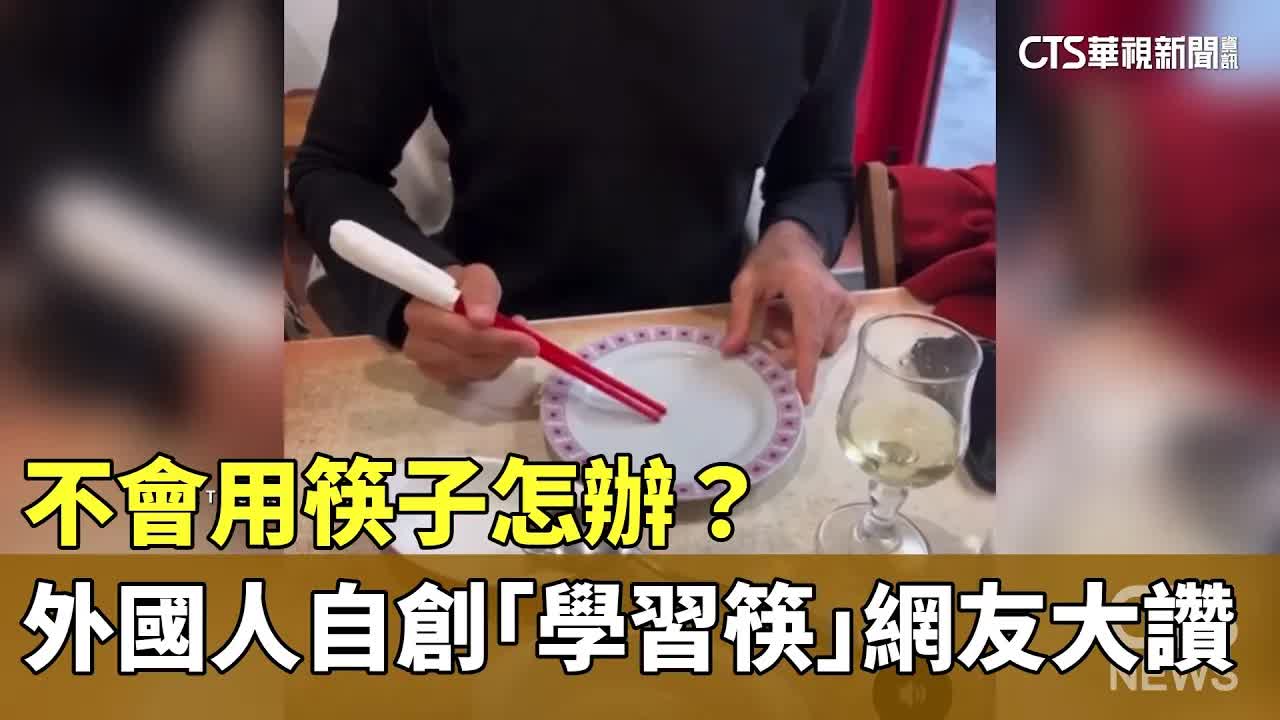
外國人自創學習筷的妙用


華視新聞 CH52,來自 YouTube。 看原始影片
“to come in handy”; literally “be sent onto the field of use”
派上用场 means something turns out to be useful, “comes in handy.” Its pieces: 派 (dispatch), 上 (onto), 用场 (use, purpose). Picture an object being sent out on duty, like a soldier called onto the field. You say it of a tool, skill or tip: 这个技巧以后会派上用场, “this trick will come in handy later.”
The idiom usually points forward or back at a moment of need. In the news clip, netizens say a paper-towel chopstick trick would have “come in handy” when a child forgot the learning chopsticks. Typical frames: 终于派上用场了 (finally got used), 派不上用场 (of no use, the negative form with 不 inserted), and 派得上用场 (can be put to use). Wiktionary glosses the whole as “to come in handy; to become useful”.