Práctica de escucha en Croatian · A2 · Bases sólidas
What does “rado” mean in Croatian?
U kojem hrvatskom gradu biste najradije živjeli



De JoomBoos en YouTube. Ver original
Croatian has no verb for “to like doing” in this sentence: you just add rado, “gladly”, as in rado bih živio u Zagrebu.
Rado is a small Croatian adverb that means “gladly” or “happily”, and it does a lot of work. Where English says “I’d love to live in Zagreb”, Croatian says “Rado bih živio u Zagrebu”: the verb stays ordinary and rado carries the warmth. It comes from the adjective rad, “willing”. Add it to almost any verb to say you do or would do it with pleasure.
The clip opens with the question “U kojem hrvatskom gradu biste rado živjeli?” (in which Croatian city would you gladly live?). Speakers answer with “U Zagrebu, vrlo rado” (in Zagreb, very gladly) and “Ja bih svuda rado živi...”, which is the same adverb again. Note that the speaker’s phrase is cut short in the subtitles, so listen for the ending. Rado also works alone as a reply to an offer: “Hoćeš kavu?” “Rado!” The title uses the superlative najradije, “most gladly”, so rado, radije, najradije is a handy trio for stating preferences.
Más clips como este
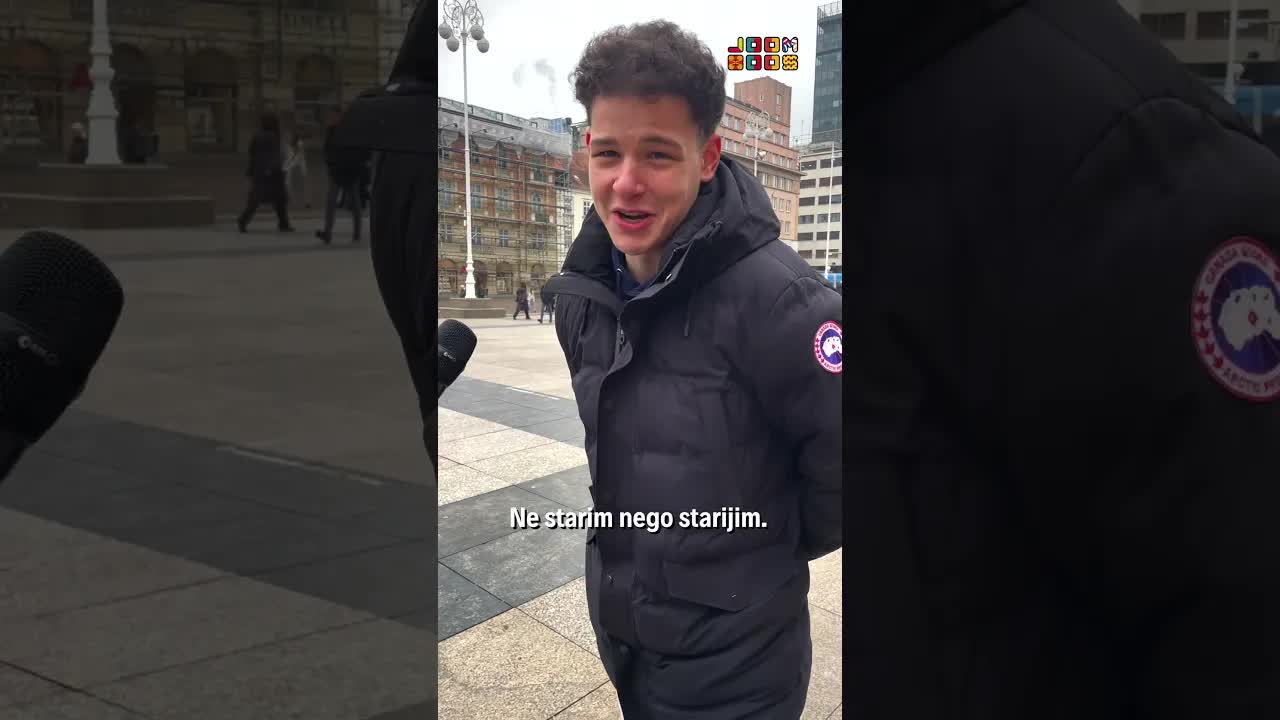
Kad ljudi postaju stari po vašem mišljenju

Isplati li se jednodnevni izlet u Trst autom
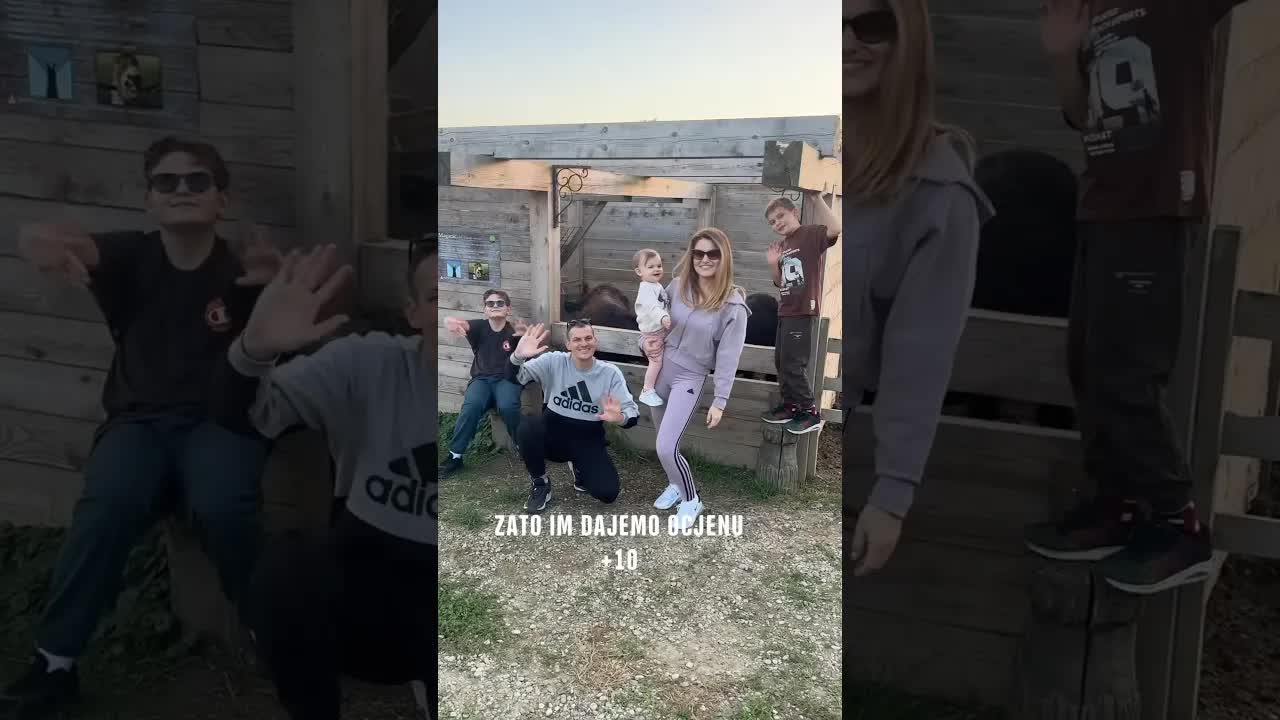
Obiteljsko imanje Svijet prirode kod Varaždina

Što zna beba od godinu dana: Kobi pokazuje vještine

Što sam kupila u današnjem shoppingu

Stand-up komedija o seksu i roditeljima
Aprende con videos reales
Miles de clips como este, adaptados a tu nivel mientras ves.