Práctica de escucha en Hebrew · B2 · También los temas difíciles
What does “להפליג” (lehafliag) mean in Hebrew?
חופשות קרוז למשפחות ישראליות: יעדים ומחירים לקיץ
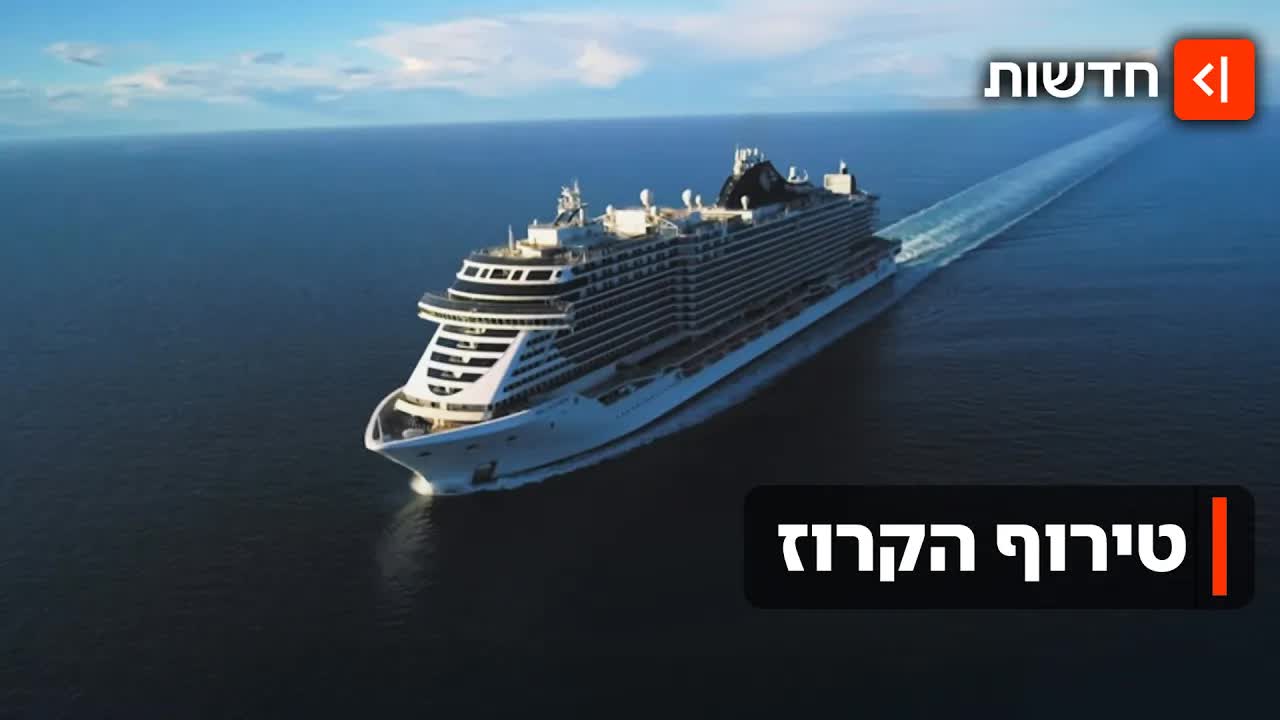


De כאן | חדשות - תאגיד השידור הישראלי en YouTube. Ver original
to set sail; to leave port and head out to sea
להפליג is the Hebrew verb for a ship setting off: leaving the harbour and heading out into open water. A cruise is a הפלגה, and a ship מפליגה between ports. It is an old word, found in the Mishnah, where a boat’s “voyage” is already described with this verb. Its exact origin is debated, but it is usually linked to the root פ־ל־ג, which has the sense of moving away.
The clip ends on the line “הקרוזים חוזרים להפליג וגם הישראלים חוזרים איתם”: cruises are sailing again, and Israelis are coming back with them. Earlier it also describes a floating hotel “שמפליג בין כמה יעדים”, one that sails between several destinations, and “הפלגות של שבעה לילות”, seven-night sailings. In a news report like this, use הפלגה for the trip and להפליג for the verb. Plain “to travel by sea” is more general: לשוט means to sail or row, while להפליג stresses setting out from port.
¿Qué tan comunes son las palabras de este clip?
73,1%
de las palabras están entre las 2.000 más frecuentes en Hebrew
De nuestra investigación¿Cuántas palabras necesitas para entender videos de nativos?
Más clips como este

צלעות בטאבון וסלט שורשים עם שומר

מערכון על טרנדים, תחפושות ויום ראשון באפריל

עימות דרמטי בין ליה לתום על הקשר החדש

פרומו מצחיק למופע חנוכה וסיכום טרנדים

ביקור מצחיק במספרה ובמרפאה

ריאליטי פורים בכיתה: תחפושות, צחוקים והגרלה
Aprende con videos reales
Miles de clips como este, adaptados a tu nivel mientras ves.