Exercices d’écoute en japonais · B2 · Même les sujets complexes
What does “吊るし上げ” mean in Japanese?
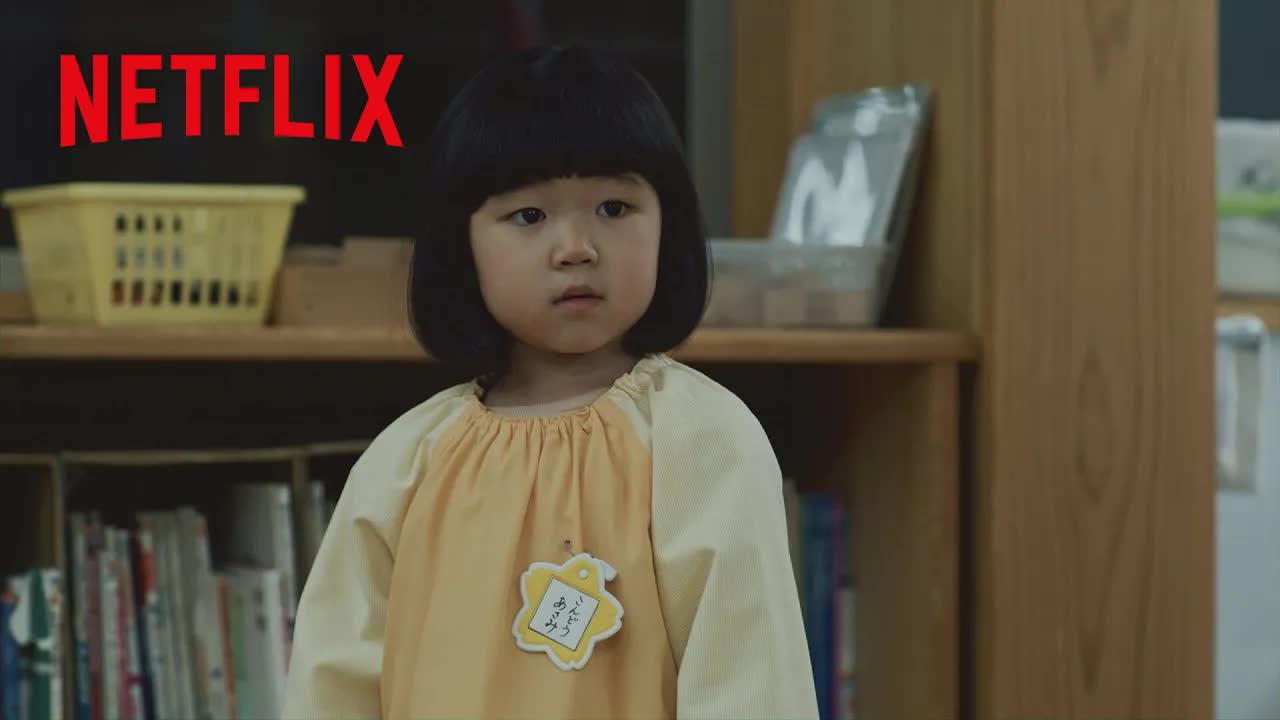
娘がいじめ加害者に気づく母の苦悩
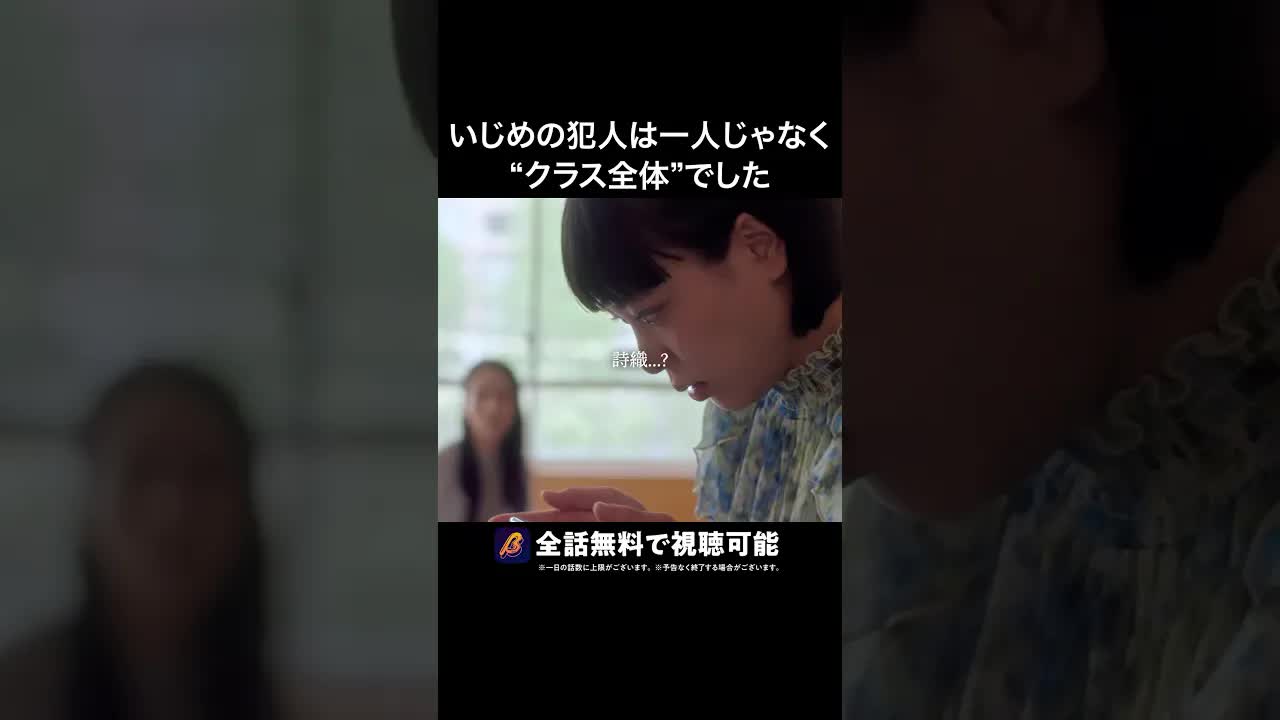


De BUMP sur YouTube. Voir l’original
吊るし上げ: literally “hanging someone up”; a group publicly grilling one person
吊るし上げ (tsurushiage, also written 吊し上げ) literally means binding someone with rope and hanging them up high. Today it almost always means a crowd using its numbers to publicly condemn one person. The image of a person strung up in front of everyone is why it sounds so harsh. It covers anything from a tense meeting to an online pile-on.
In the clip, a mother is told that blaming one parent solves nothing: 高木さんを一人吊るし上げて終わる問題ではなかった (“it wasn’t a problem that ended by stringing up Ms. Takagi alone”). Here the verb is 吊るし上げる, and 一人 stresses one person against many. Typical pairings are 吊るし上げを食う (to get grilled by a group) and 吊るし上げられる (the passive). Wikipedia notes English equivalents like a “kangaroo court”.