Vietnamese 듣기 연습 · A1 · 초보
What does “mới vừa” mean in Vietnamese?
Các hành động với chìa khóa xe máy



Actually Understand Vietnamese · YouTube 원본 보기
Put mới vừa before a verb to say you just did it, no past tense needed.
Vietnamese verbs never change form, so “just now” is shown by a small word in front. Mới vừa (or just mới, or vừa) means “I just did it”. Mình mới vừa bỏ chìa khóa vào tủ lạnh: I just put the key in the fridge. Compare đã, which only says the action is in the past, with no sense of how recently.
The speaker acts out each step and narrates it with a different time word. “Mình mới bỏ chìa khóa vào tủ lạnh” then “Mình mới vừa bỏ chìa khóa vào tủ lạnh”: the second line stacks the markers for extra emphasis on how fresh the action is. Later she says “Mình đã đeo chìa khóa vào cổ” and “Mình đã tháo chìa khóa ra rồi”, where đã (and rồi) just mark the action as done. Learner grammar sites generally treat vừa as the plain “just now” marker, mới as looser (recently, or only at an early stage) and vừa mới as the emphatic “only just” form. Hear that stacking and you know the action finished a moment ago.
이 클립의 단어는 얼마나 흔할까요?
98.5%
Vietnamese에서 가장 많이 쓰이는 단어 2,000개 안에 들어요
Reelang 연구원어민 영상을 이해하려면 단어 몇 개가 필요할까?
비슷한 클립
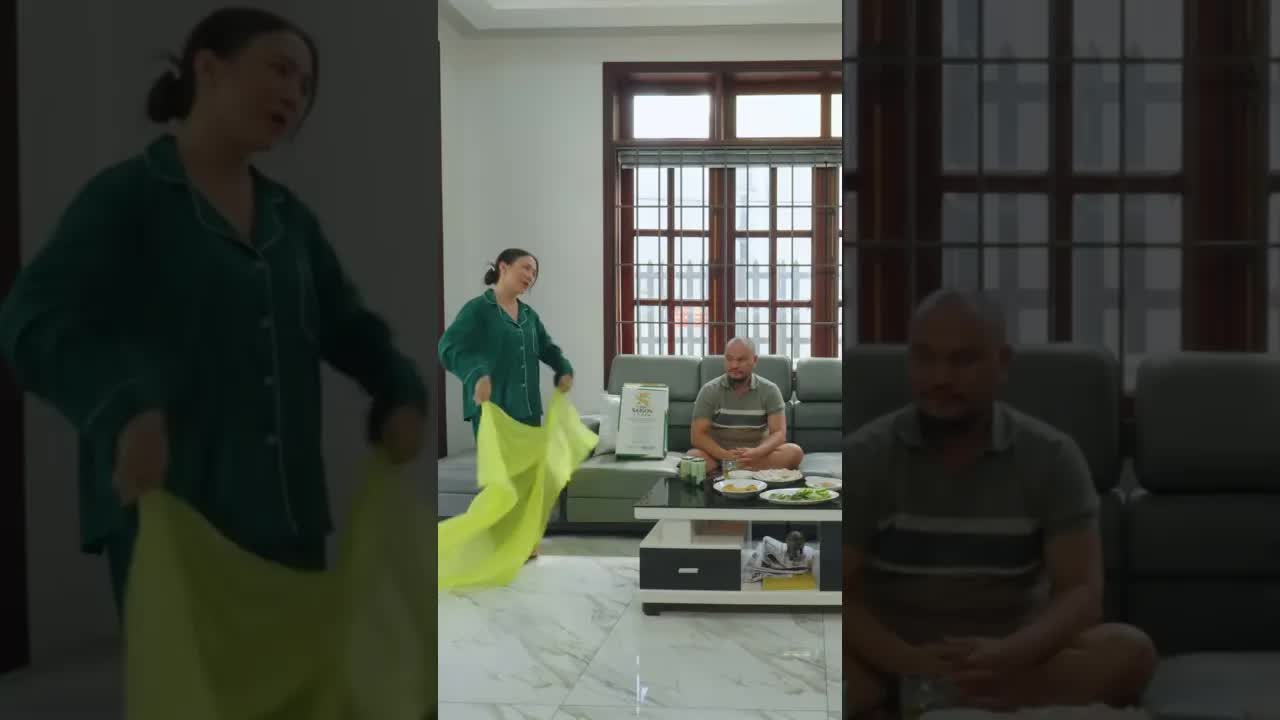
Quá Đáng Lắm Luôn - Hài Kịch FAPTV

Mình rất thích ăn kẹo dẻo chua ngọt

Học từ vựng chỉ đường khi đi xe máy ở Sài Gòn

Tình Sử Bạch Tuộc Phần 2 - Trấn Thành & Hồng Vân

Thử thách ăn toàn món chiên trong một ngày
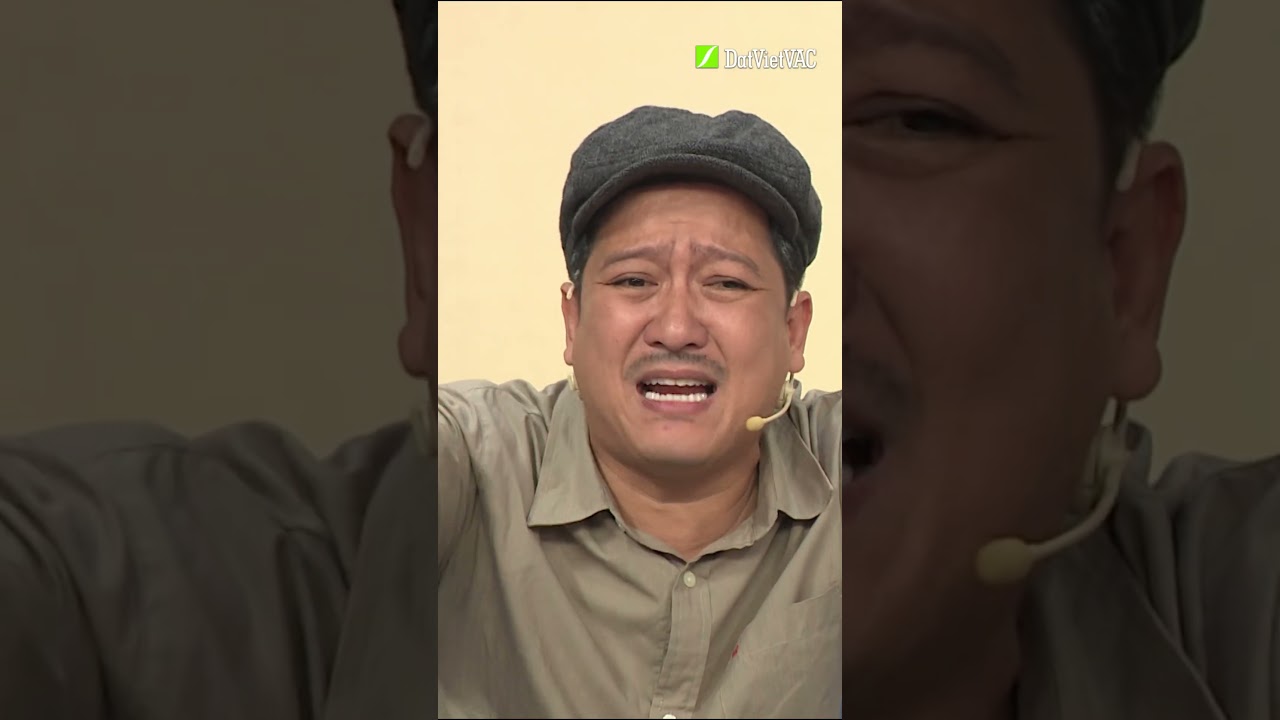
Bắt gian tại trận hài kịch gia đình
진짜 영상으로 배워요
이런 클립이 수천 개 있고, 보면서 내 레벨에 맞는 클립을 골라 줘요.