Cantonese listening practice · C1 · Advanced
What does 後生 mean in Cantonese?
年輕人同中年嘅定義爭議
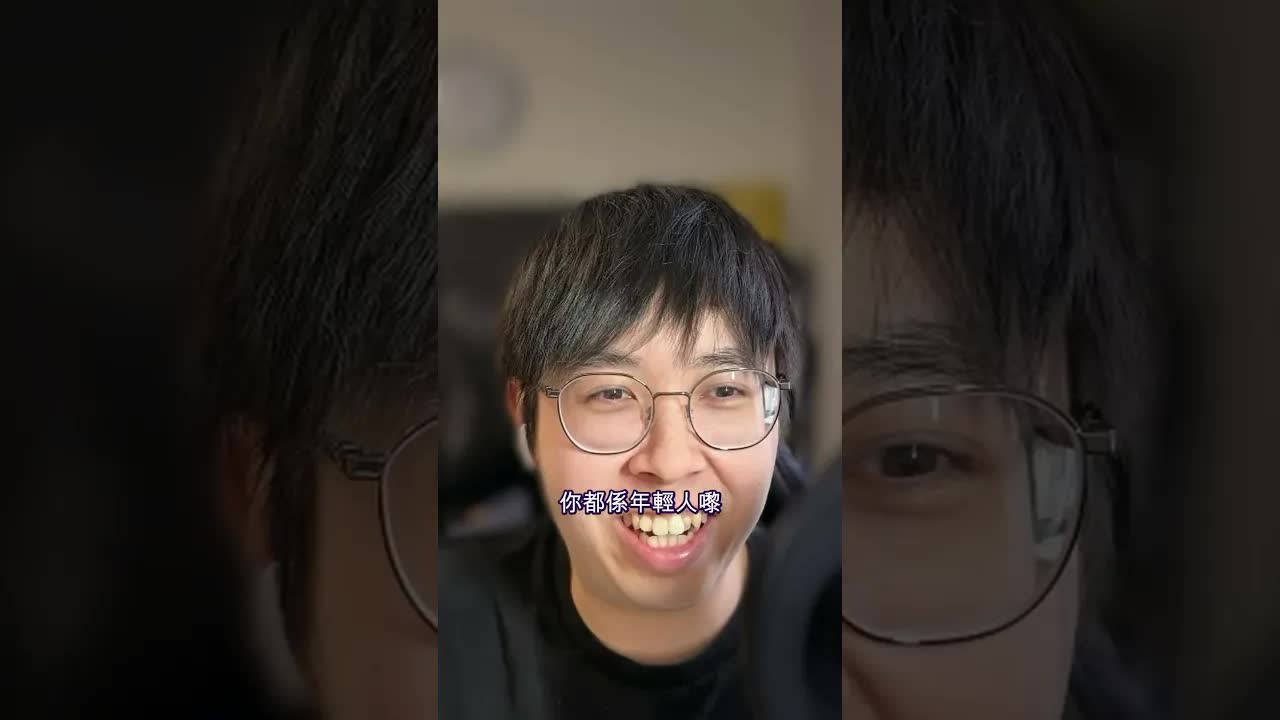


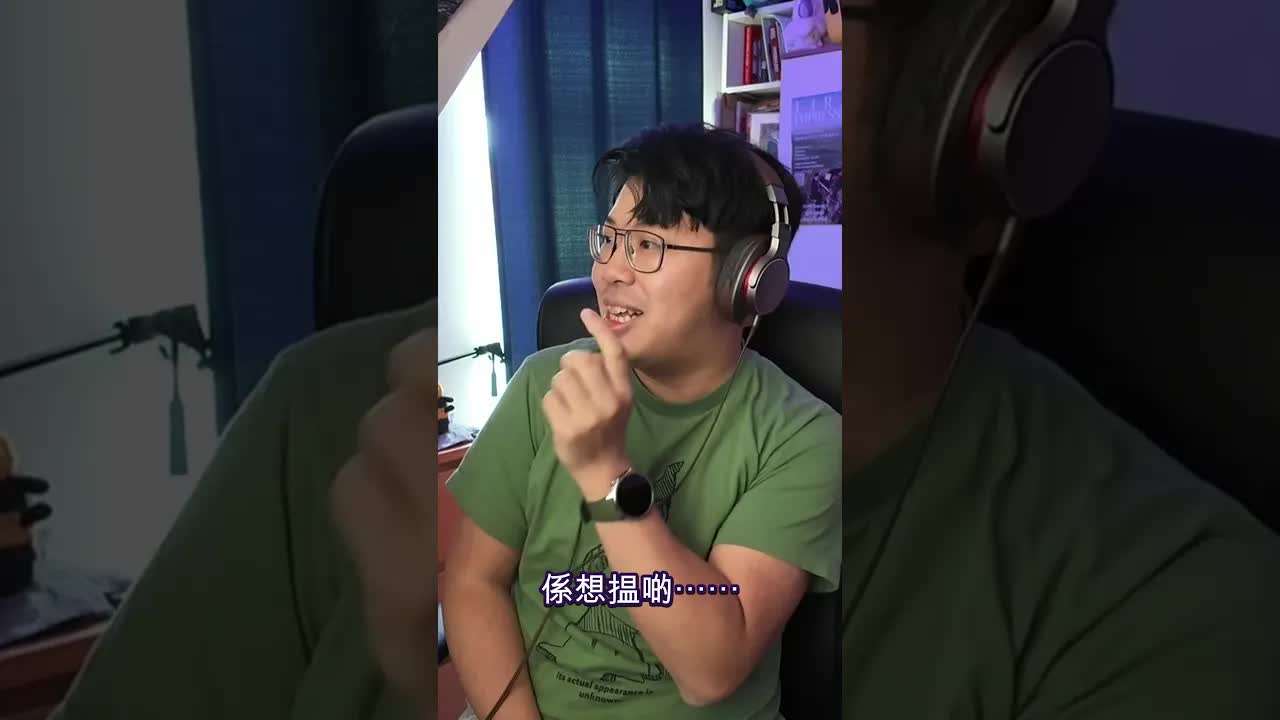
From 絮言‧狂想 seoijin on YouTube. Watch original
後生 (hau6 saang1) is the everyday Cantonese word for young, as in 後生仔, a young guy.
In Cantonese, 後生 (hau6 saang1) is a common adjective meaning young, and 後生仔 or 後生女 is a young man or woman. The characters read as the next generation to a Mandarin reader, so the plain sense of young here can surprise you. It also works as praise: telling an older person they look 後生 is a compliment.
The clip argues over who counts as young. One speaker jokes that Hong Kong’s outstanding-youth awards go up to age forty, then concludes 大家都好後生, everyone is still very young. The joke only works because 後生 is such a flexible, friendly word. Useful pairs: 後生仔 (young guy), 睇落好後生 (looks young), and its opposite 老 or 年紀大 for older.
More clips like this


Learn from real videos
Thousands of clips like this one, matched to your level as you watch.