Native Esperanto Comprehensible Input Video Catalog
Living Esperanto: how it's actually spoken.
Real short-form video from people who use Esperanto every week: vloggers, podcasters, and street interviews filmed at congresses. Hear how it sounds when nobody is teaching.
2,001
Esperanto videos
Start watching in Esperanto
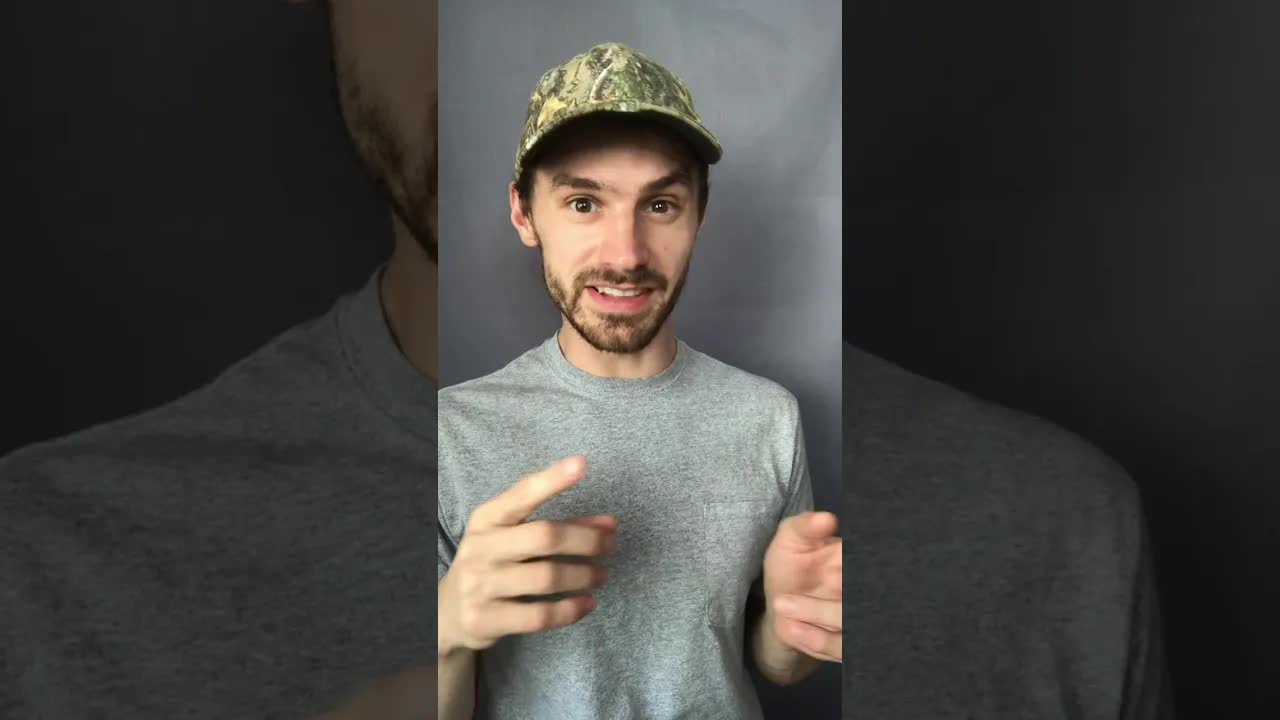
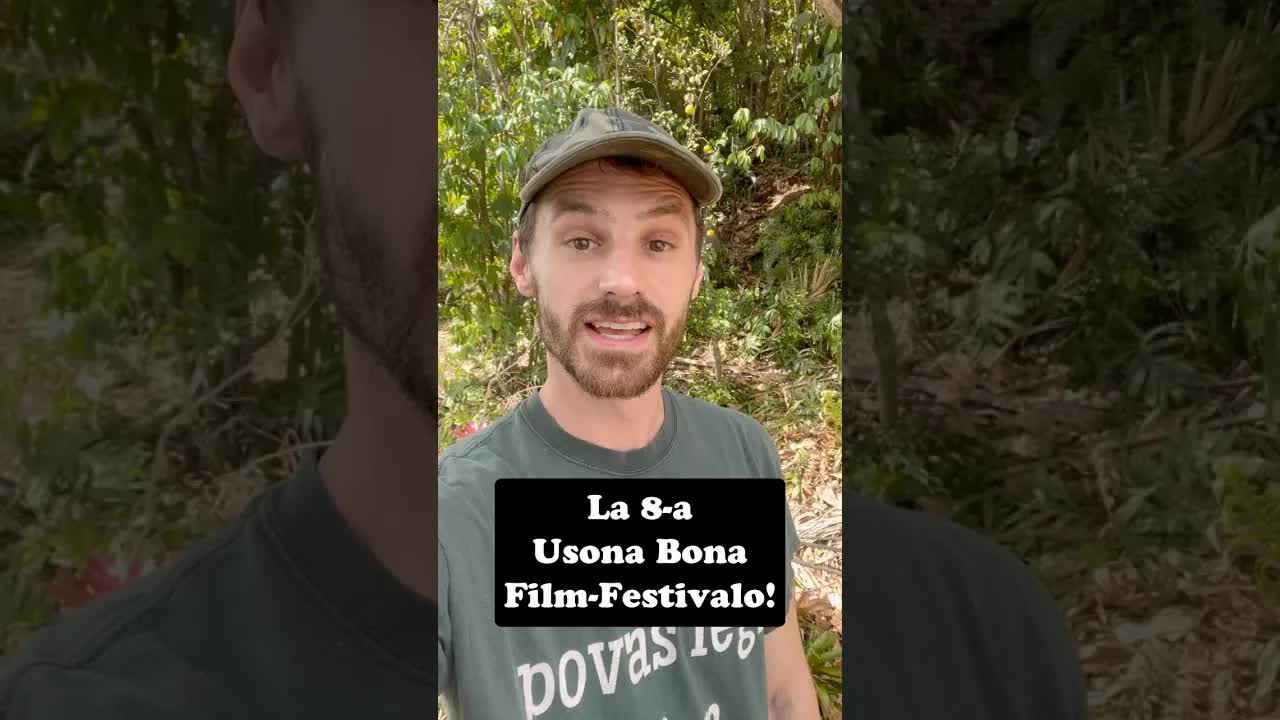
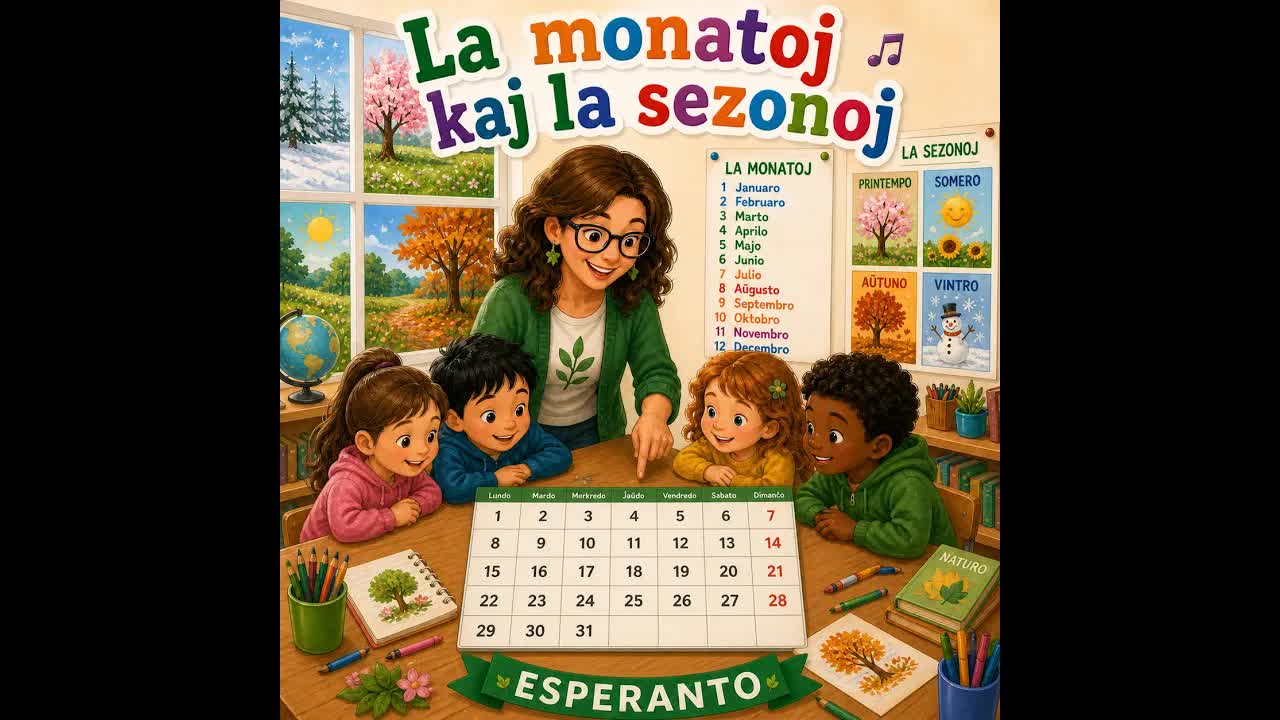
Reelang’s Esperanto video feed is TikTok-style: real videos from native Esperanto speakers, graded by level and speech speed, tagged by accent. As you scroll, it learns from how you watch and serves comprehensible input matched to your level.
Not sure? Just watch, we’ll find your level.
Level
Speed
Topic
Recommended Esperanto videos



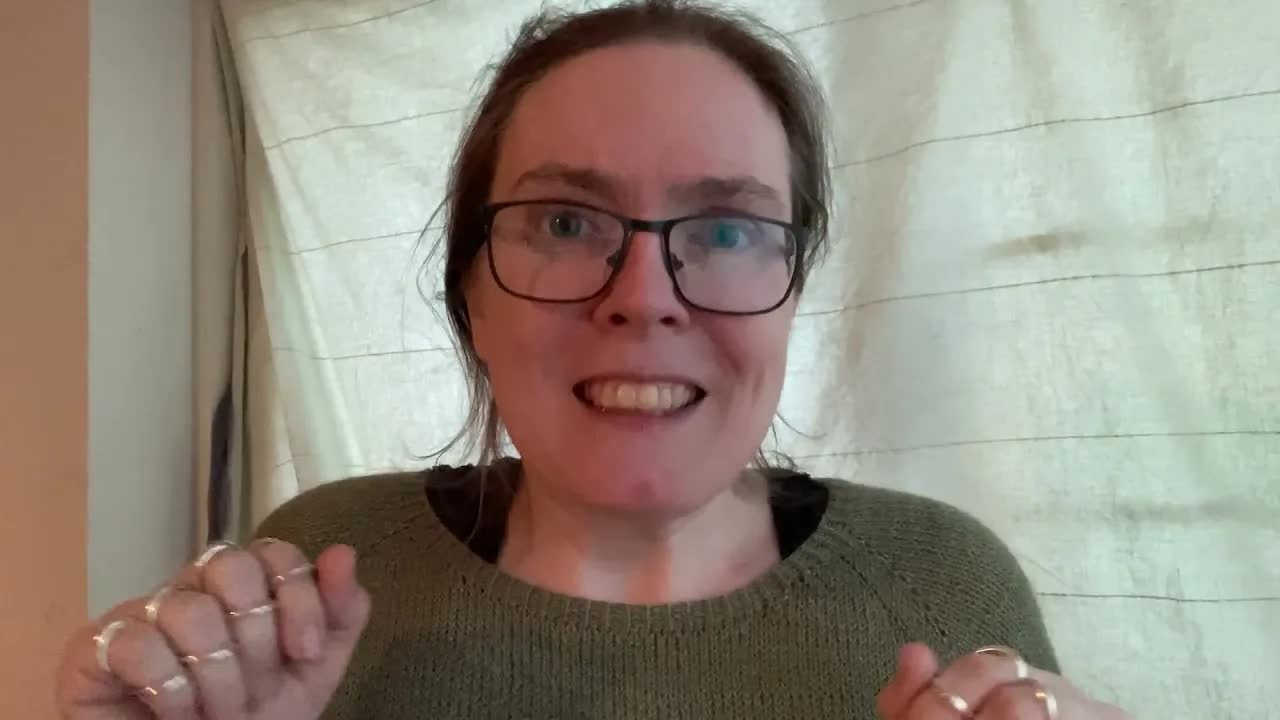
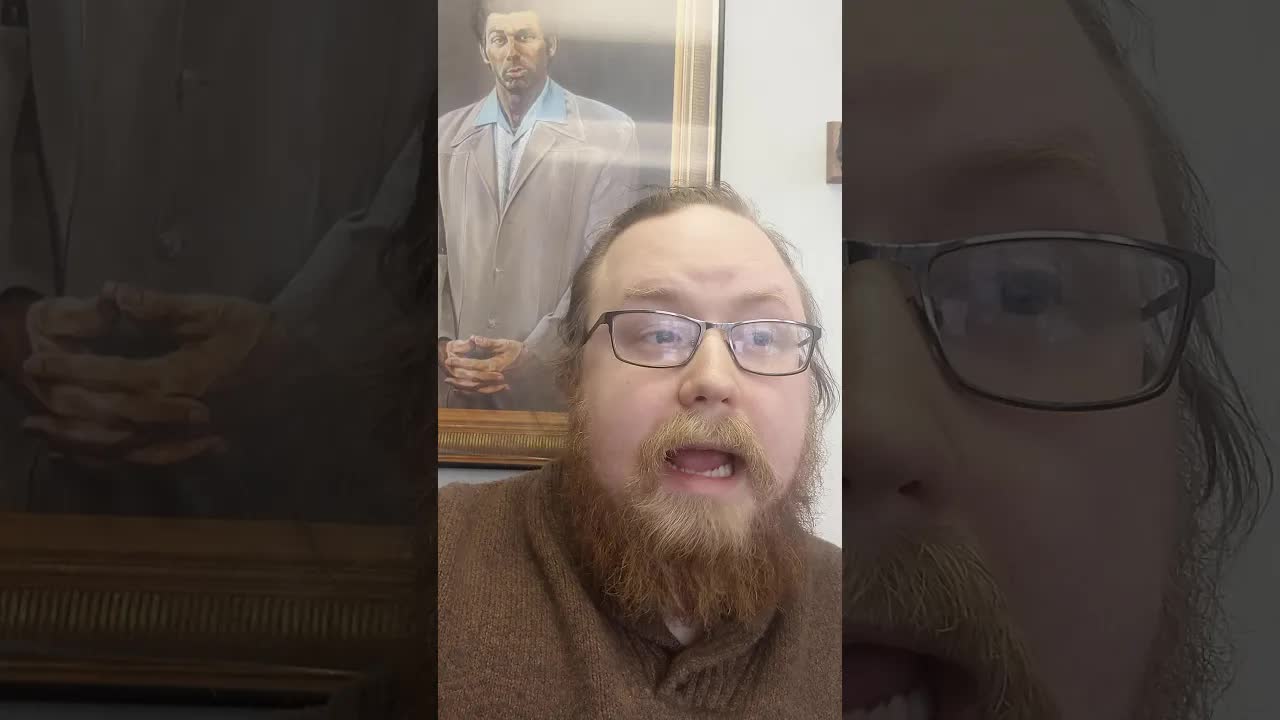
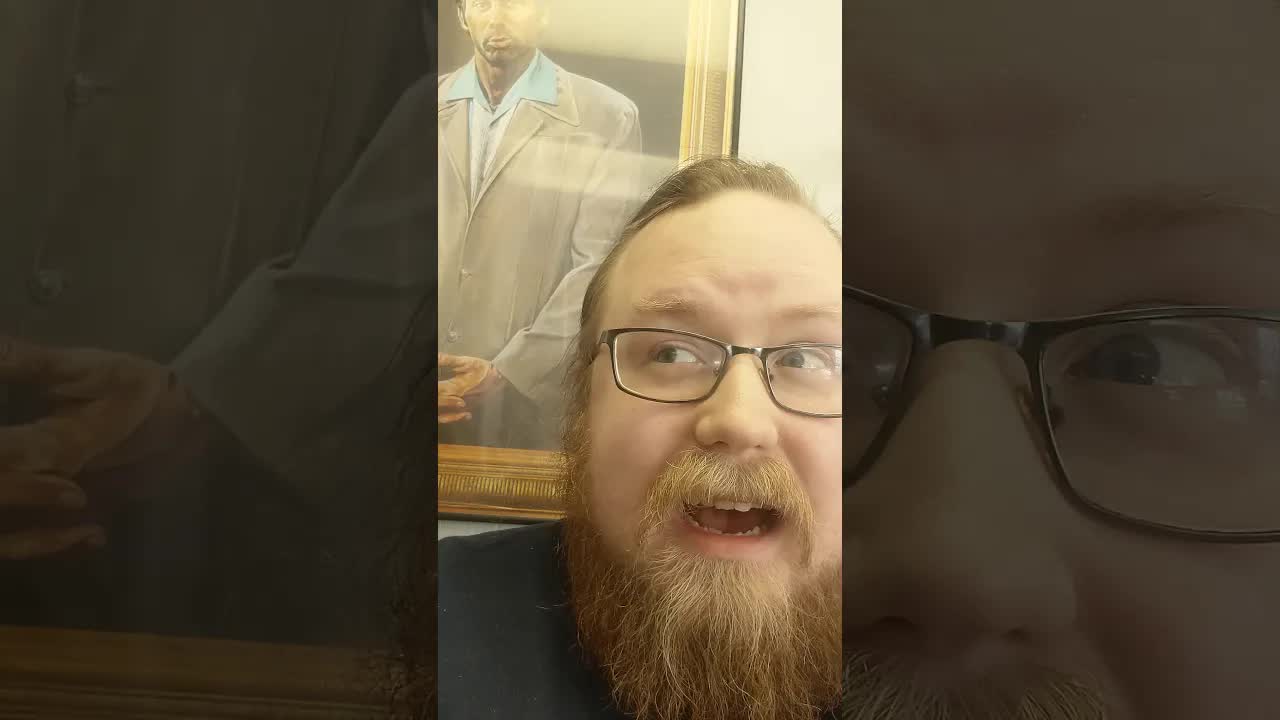
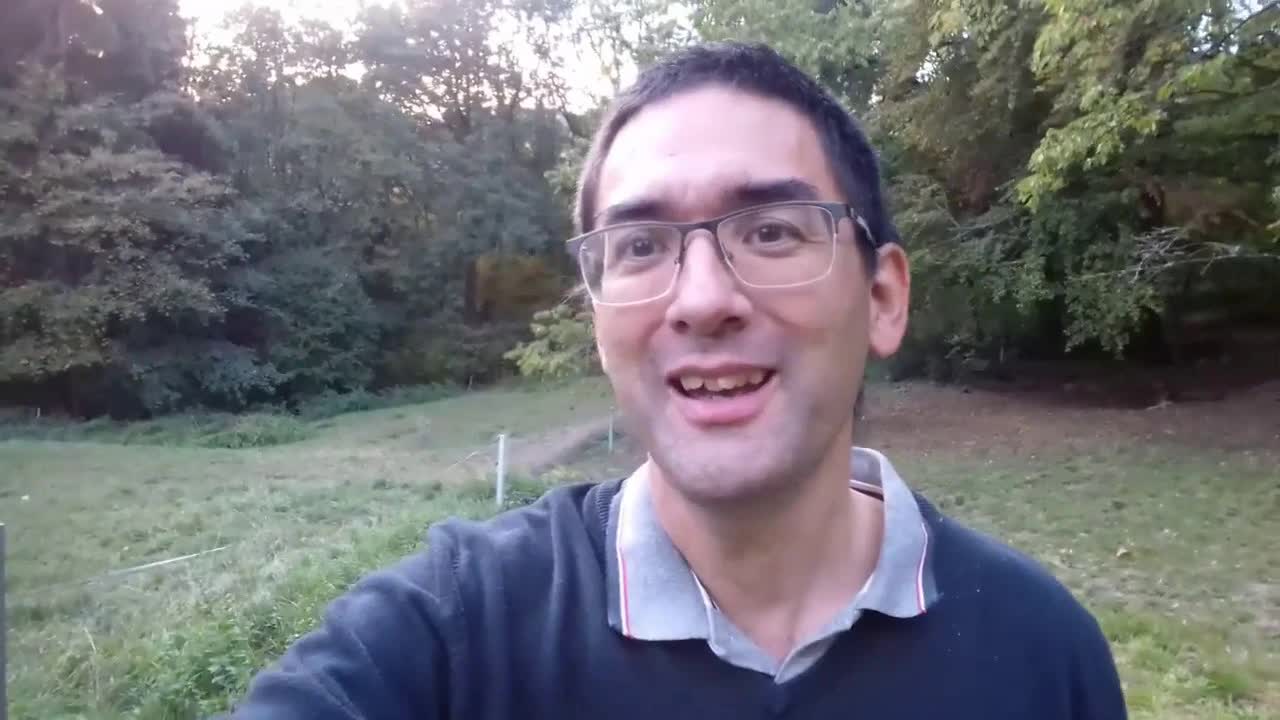
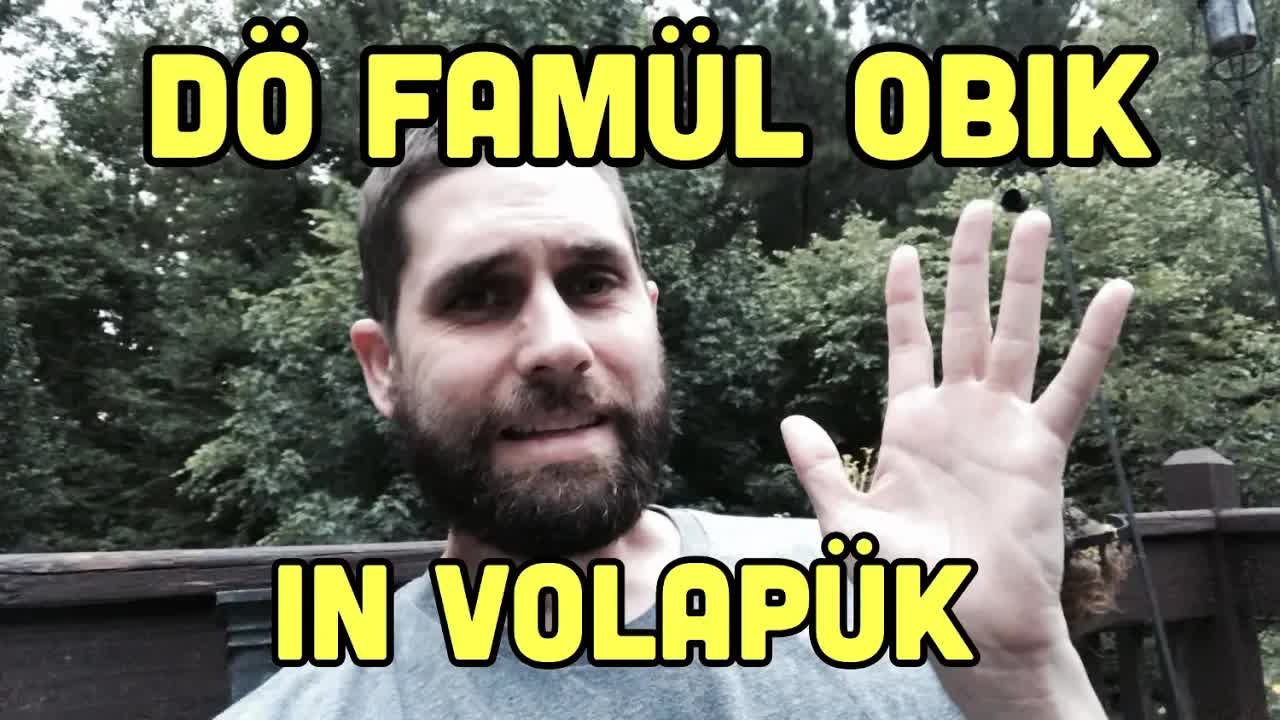
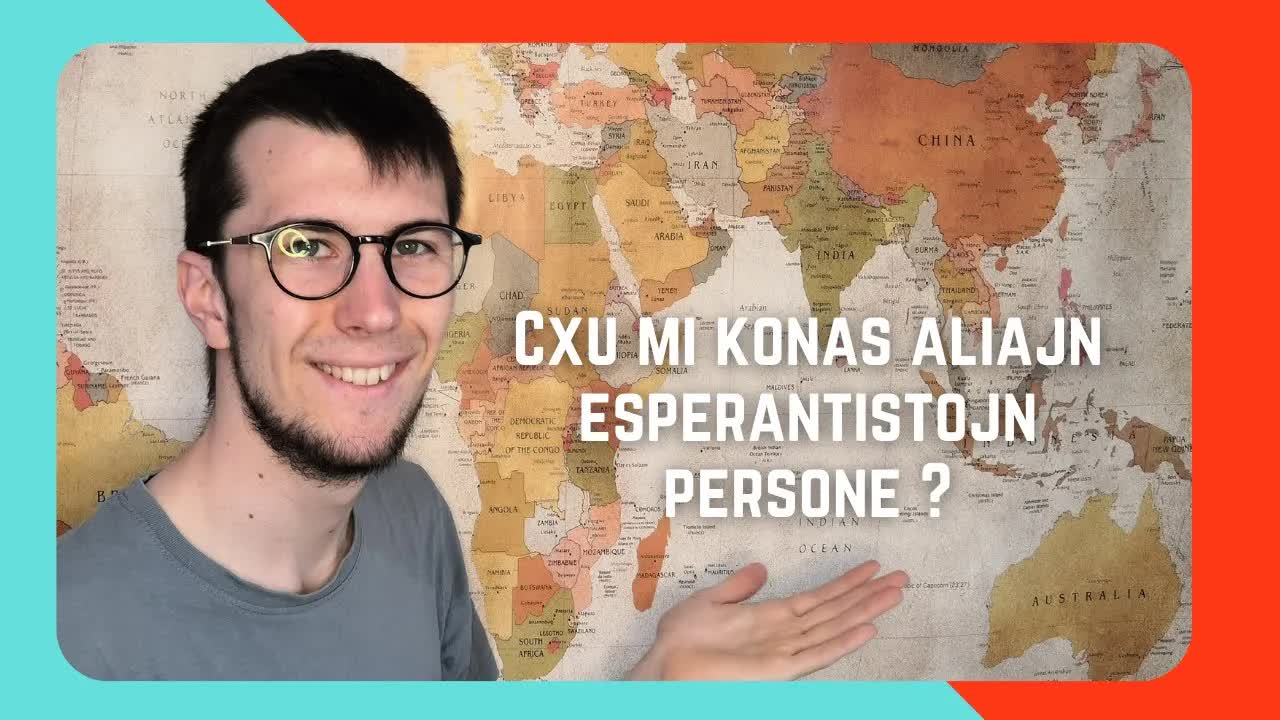
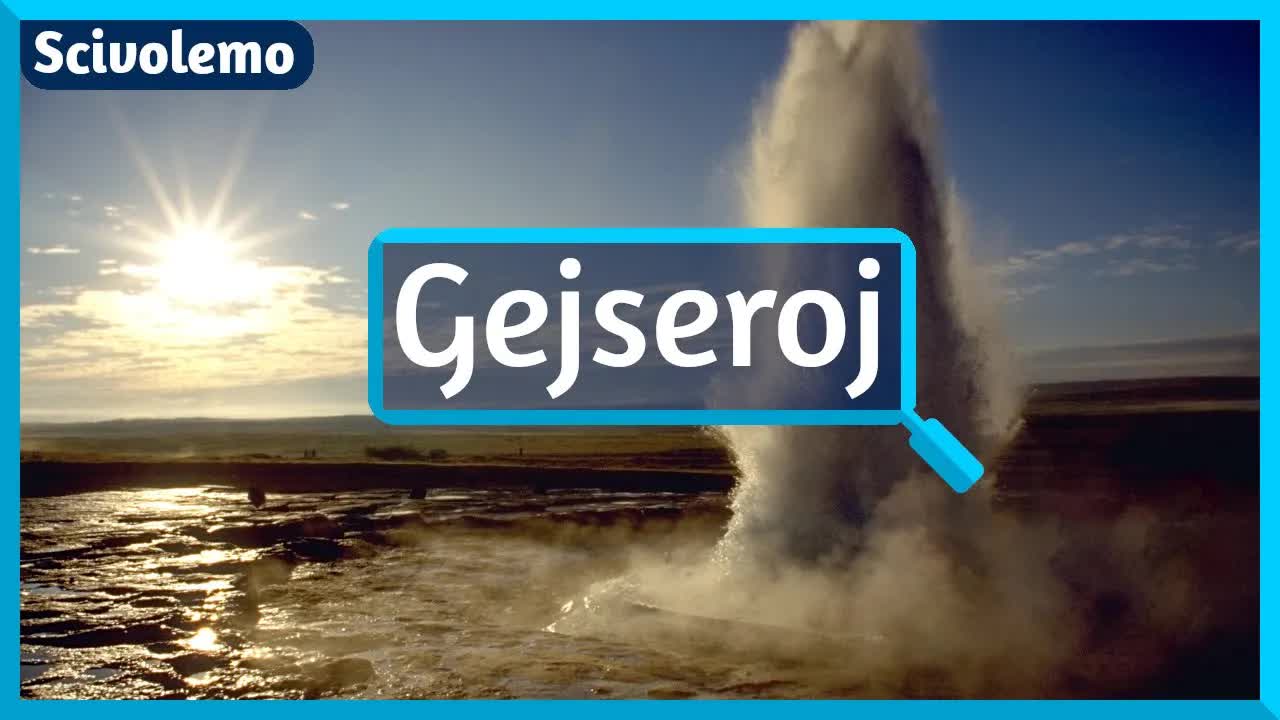
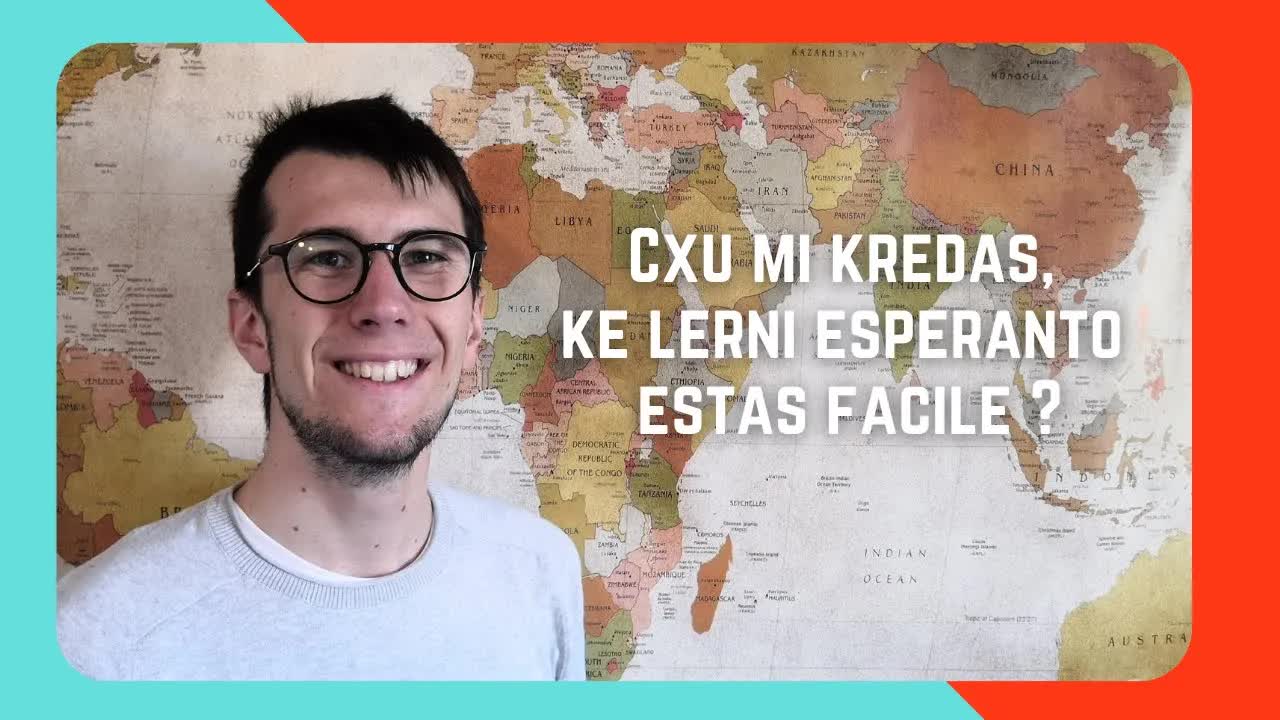
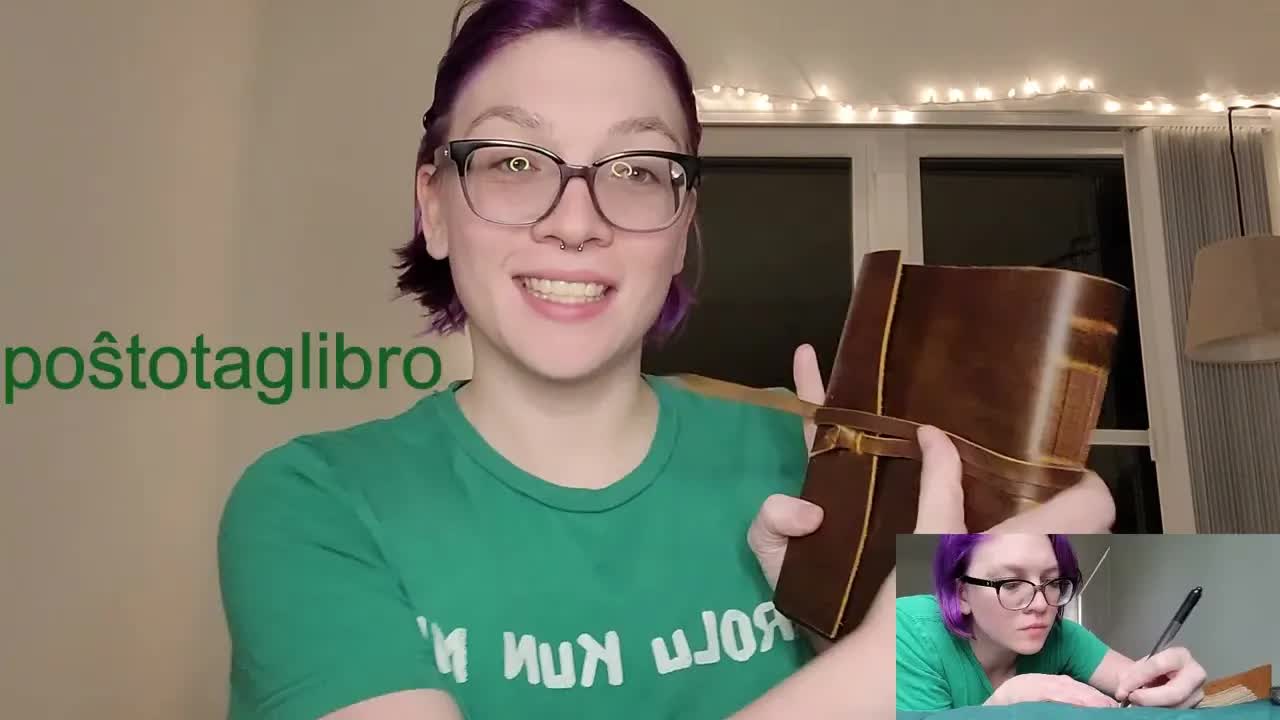
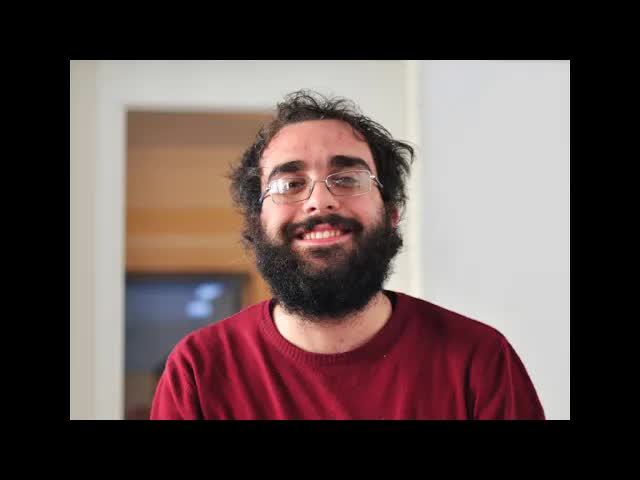
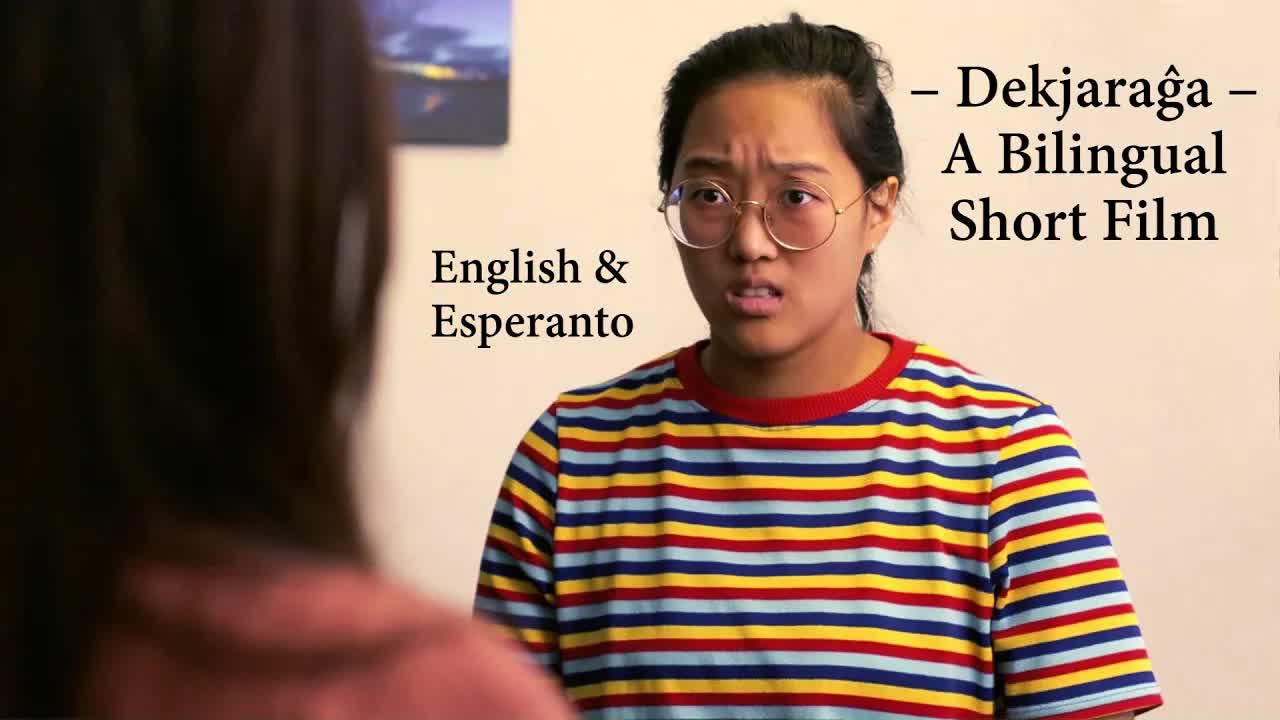

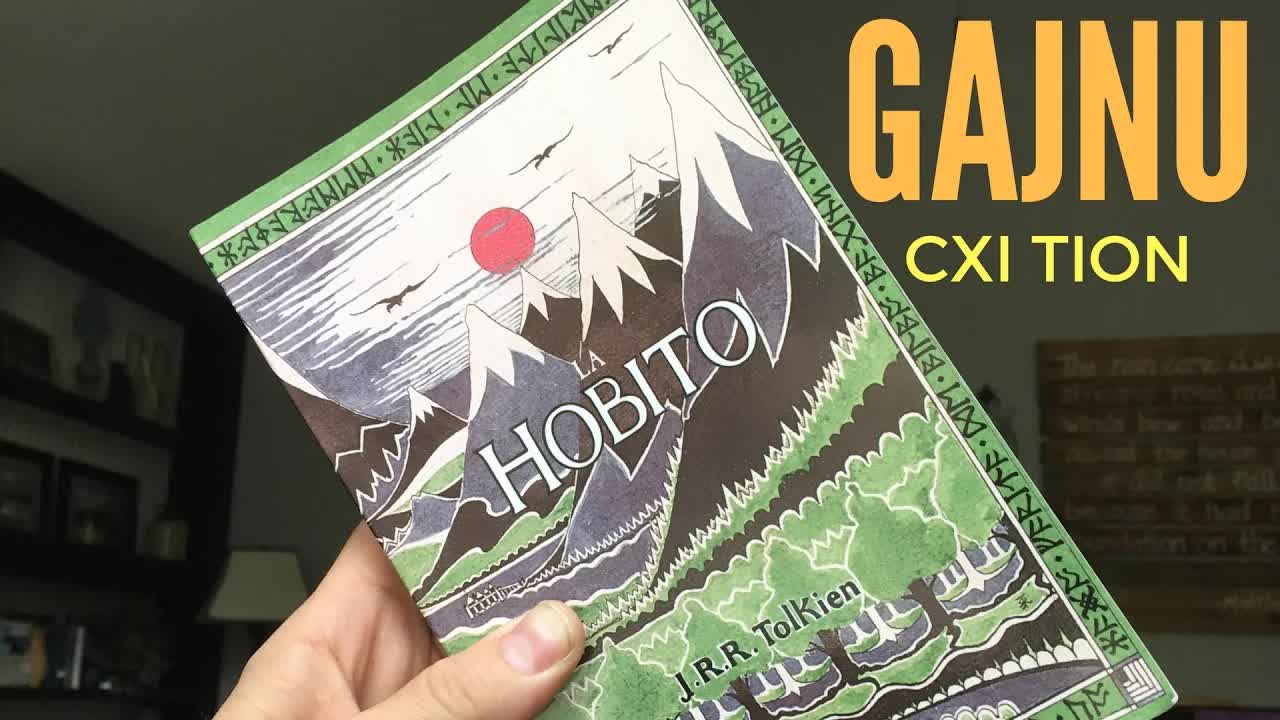
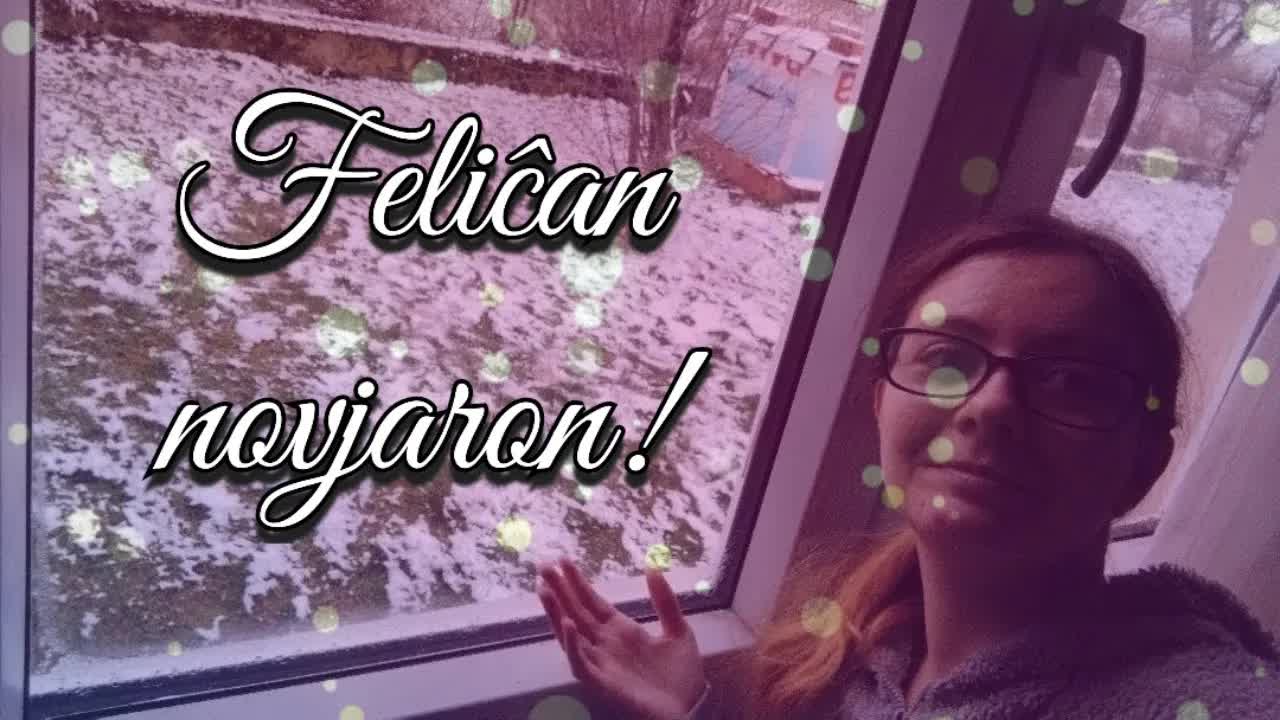
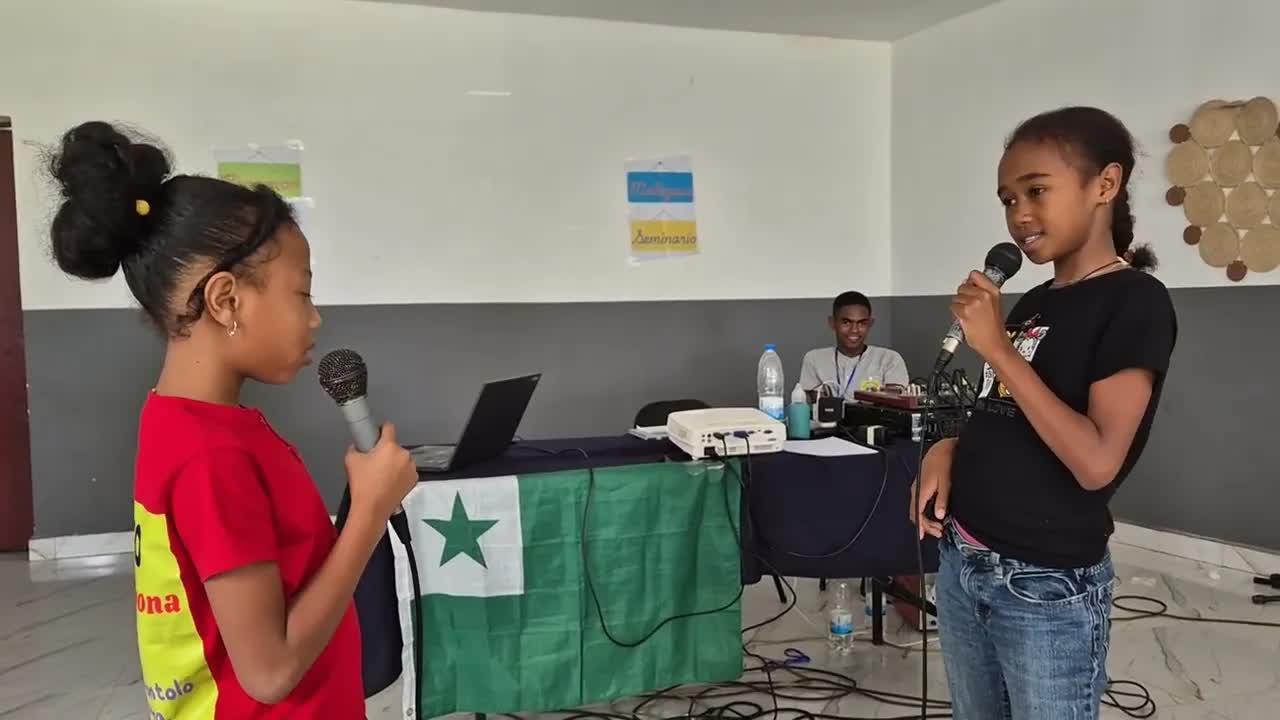
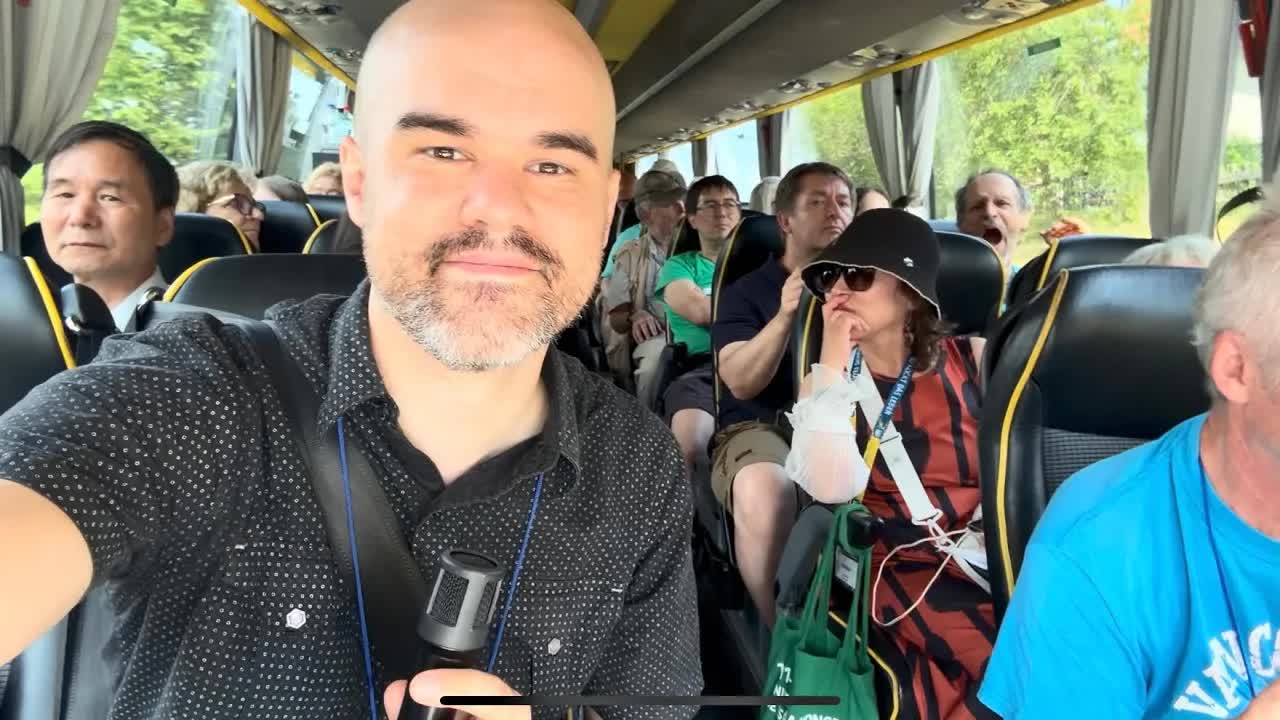
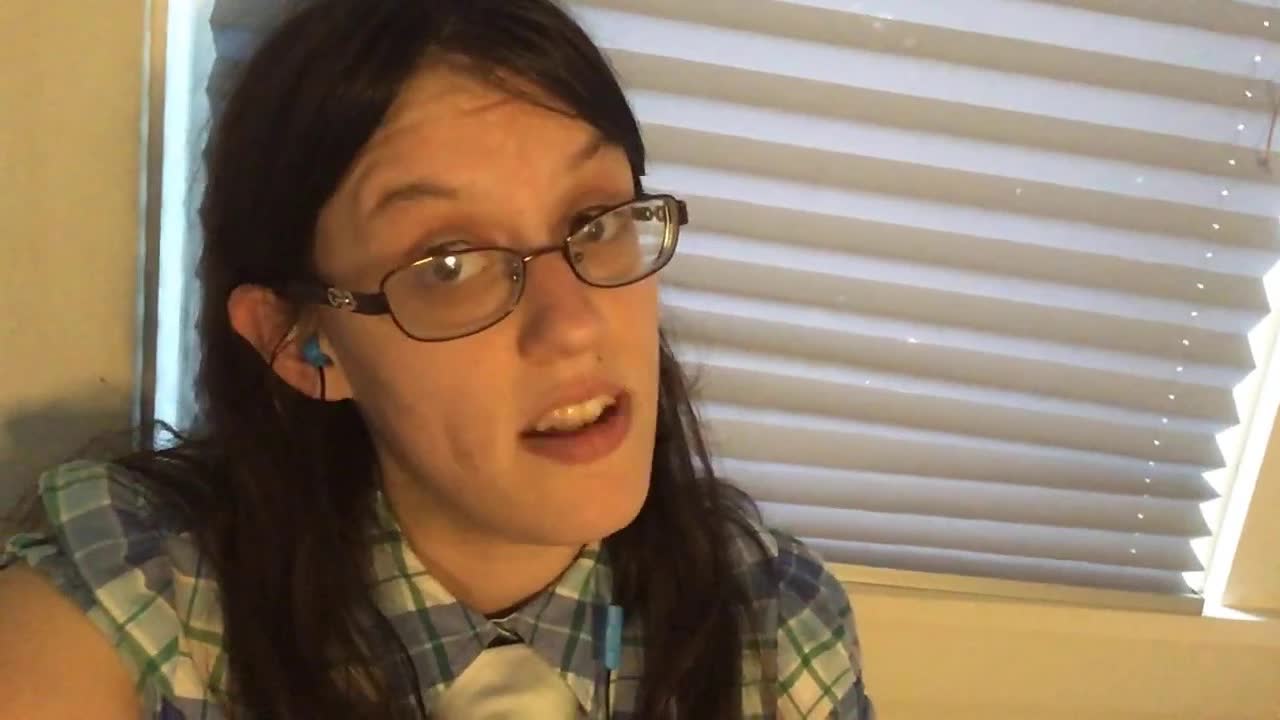

By Level
CEFR levels are real for Esperanto: UEA has run CEFR-aligned KER exams since 2008, checked by a state exam centre in Budapest. Find clips at your level, then push one step past it.
By Listening Difficulty
Filter by how hard the audio is to follow: pace, recording quality, and how much of the speaker's first language comes through.
By Topic
Browse by subject: congress reports, language politics, climate activism, travel, and the everyday vlogs people post from Esperanto meetups.
About this hub
About comprehensible input in Esperanto
What is comprehensible input?
Comprehensible input means watching things you mostly understand and letting the gaps close on their own. Esperanto pays this back faster than most languages, because one root you already know unlocks a dozen words you have never heard. Nobody sits down to study malvarmeta after learning varma. You just recognise it.
Why real reels, not textbook dialogues
Esperanto has a particular version of this problem. Most of the material is written by teachers, for exercises, and it sounds like it. The language people speak at a Universala Kongreso, or in a gufujo at two in the morning, carries slang, in-jokes and words like samideano that come with a century of baggage attached. Zamenhof published the first grammar in 1887. What the speakers did with it afterwards is the part the courses skip.
How to use this library
Start with your level, then choose a listening difficulty you can mostly follow. From there, browse by topic depending on what you want to work on. Reading Esperanto is usually easier than hearing it, and that gap is the one this library closes. Start slow. Move up when you stop rewinding.